Fertility Lubricants: How to Choose the Right One When Trying to Conceive


Fertility Lubricants: How to Choose the Right One When Trying to Conceive
If you and your partner are trying to conceive, you've likely already made a number of lifestyle adjustments — taking prenatal supplements, tracking ovulation, and paying closer attention to diet and exercise. But there's one area that often gets overlooked: the type of lubricant you use during sex.
For many couples, intimacy and conception go hand in hand. Yet most over-the-counter lubricants — even ones marketed as "natural" or "gentle" — can significantly impair sperm motility and viability. In fact, research shows that common personal lubricants can reduce sperm function by up to 87% within just 30 minutes of exposure.
The good news is that fertility-friendly lubricants exist, and choosing the right one could make a meaningful difference to your conception journey. In this guide, we'll walk you through everything you need to know about fertility lubricants: why regular lubricants are problematic, what the science says about sperm-safe formulas, and how to choose the best option for you.
Why Regular Lubricants Can Harm Sperm
It might seem surprising, but the lubricant you reach for in the bedroom could be working against your baby-making efforts. Standard personal lubricants — including many well-known brands sold in Australian chemists and supermarkets — are designed for comfort, not conception. Their formulas are often poorly matched to the biological environment that sperm need to survive and travel.
Several properties of conventional lubricants pose risks to sperm:
- Osmolality mismatch: Most commercial lubricants are hyperosmotic — meaning they draw water out of sperm cells through osmosis, causing them to shrink, lose function, and die. Human sperm thrive at an osmolality between 280 and 380 mOsm/kg. Many standard lubricants measure well above 1,000 mOsm/kg.
- pH imbalance: Sperm are sensitive to pH levels. The ideal vaginal environment during ovulation has a pH of approximately 7.0–8.5, which supports sperm survival. Many lubricants have a much lower (more acidic) pH — sometimes as low as 3.8 — which is hostile to sperm.
- Toxic chemical ingredients: Parabens, glycerol, propylene glycol, and nonoxynol-9 (found in some spermicidal products) have all been shown to damage sperm DNA or inhibit motility.
- Viscosity barriers: Some thick gels and petroleum-based products physically obstruct sperm movement, making it harder for them to swim toward the egg.
A landmark study published in the journal Fertility and Sterility tested four common lubricants — KY Jelly, Astroglide, Replens, and olive oil — against a control sample. All four caused statistically significant reductions in sperm motility within 30 minutes, with some reducing motility by up to 87%. Only hydroxyethylcellulose-based products specifically formulated for fertility showed comparable results to controls with no lubricant.
This matters because even a small reduction in sperm motility can meaningfully affect the chances of fertilisation, particularly for couples who may already be dealing with mild fertility challenges.
Australia's Most Trusted Fertility Lubricant
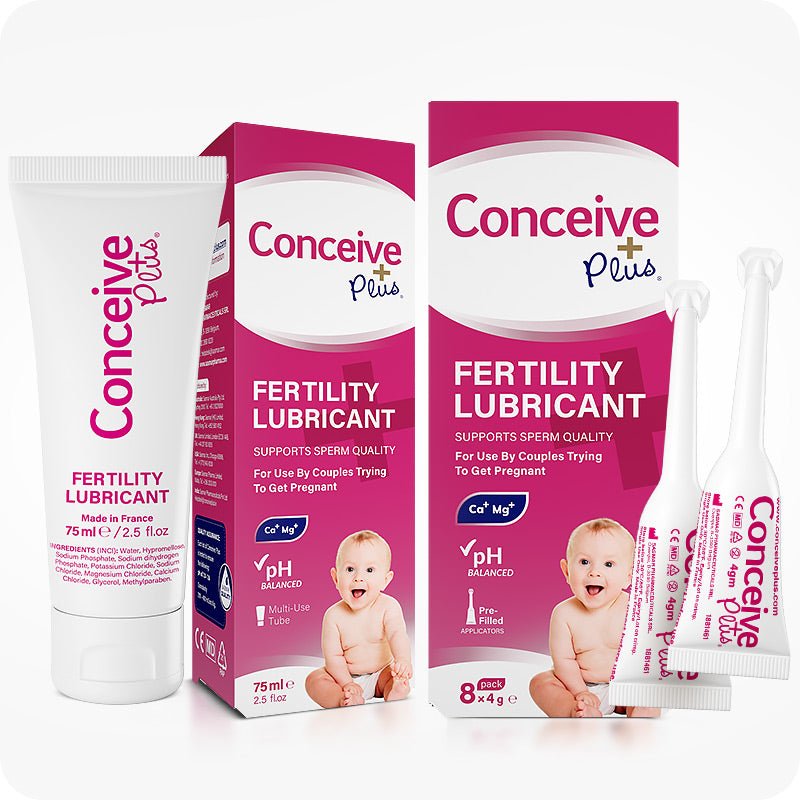
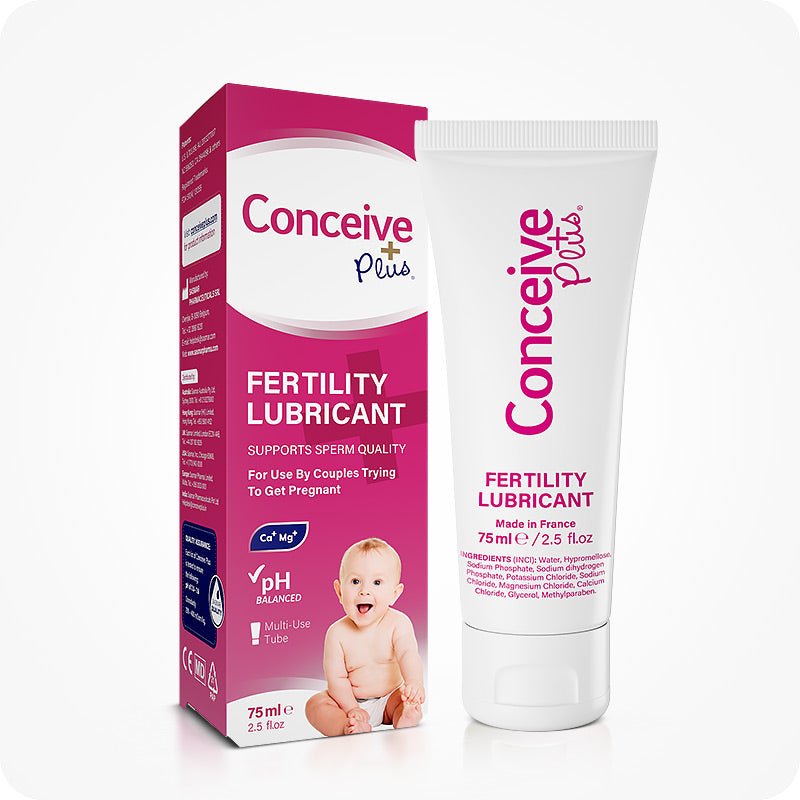
Conceive Plus Fertility Lubricant is pH-balanced to match fertile cervical fluid, isotonic, and clinically shown to be safe for sperm, eggs and embryos. Available in 75ml tubes with applicators.
Shop Fertility Lubricant →What Makes a Lubricant Sperm-Friendly?
Not all lubricants are created equal. A truly fertility-friendly lubricant is one that has been specifically formulated — and ideally clinically tested — to mimic the body's natural fertile cervical mucus. This means it must satisfy several rigorous biological criteria simultaneously.
Here's what sets a sperm-safe lubricant apart:
- Isotonic formula: An isotonic lubricant has an osmolality that closely matches human body fluids (around 280–380 mOsm/kg), which prevents osmotic stress on sperm cells and helps them maintain their structure and function.
- Physiologically compatible pH: The lubricant should have a pH in the 7.0–8.5 range, matching the alkaline environment of fertile cervical mucus, which neutralises the naturally acidic vaginal environment and creates a hospitable passage for sperm.
- Non-cytotoxic ingredients: All components should be tested and confirmed to be safe for sperm, eggs, and embryos. This rules out preservatives like parabens, alcohol, glycerol, and propylene glycol at harmful concentrations.
- Appropriate viscosity: The lubricant should flow easily without creating physical barriers to sperm motility — similar to the consistency of natural fertile-quality cervical mucus.
- Clinical validation: Look for products that have undergone in vitro testing with human sperm, as well as clinical trials or studies demonstrating safety and compatibility.
Some fertility lubricants go even further by enriching their formula with minerals like calcium and magnesium, which are naturally present in cervical fluid and have been shown to support sperm capacitation — the process that prepares sperm to fertilise an egg.
In Australia, fertility lubricants are increasingly available through pharmacies, fertility clinics, and online retailers. When selecting a product, look for certification from reputable regulatory bodies and a clearly stated commitment to sperm safety.
The Science of pH and Osmolality: Why These Numbers Matter
For those wanting a deeper understanding of the biology, it helps to understand what pH and osmolality actually mean — and why they're so critical to conception.
Understanding pH
pH measures how acidic or alkaline a substance is on a scale from 0 (most acidic) to 14 (most alkaline), with 7.0 being neutral. The vagina is naturally acidic — typically around pH 3.8 to 4.5 — which helps protect against infection. However, this environment is hostile to sperm.
During the fertile window, the body naturally produces cervical mucus that becomes more alkaline (closer to pH 7.0–8.5), creating a "sperm highway" that allows sperm to survive and travel toward the egg. This alkaline mucus is nature's own fertility lubricant.
When a couple uses a lubricant with a low pH during sex, it essentially recreates the inhospitable acidic environment, counteracting the body's natural preparation for conception. Research from the American Society for Reproductive Medicine has found that even brief exposure to acidic lubricants can irreversibly damage sperm DNA.
Understanding Osmolality
Osmolality refers to the concentration of dissolved particles in a solution. When a lubricant is hyperosmotic (more concentrated than body fluids), it draws water out of nearby cells through osmosis — including sperm cells. This process, called osmotic stress, causes sperm to dehydrate, lose motility, and ultimately become non-viable.
The World Health Organization (WHO) recommends that vaginal products intended for use during conception have an osmolality below 380 mOsm/kg — the upper limit of what is considered physiologically safe for sperm. A 2014 study in Human Reproduction found that the majority of personal lubricants on the market had osmolality values far exceeding this threshold, with some measuring over 5,000 mOsm/kg.
Fertility lubricants are specifically formulated to be iso-osmotic (matching the osmolality of body fluids), which means they don't interfere with sperm cell hydration and function.
Why Both Matter Together
pH and osmolality don't act independently — they work together to determine whether a sperm cell can survive, swim, and fertilise an egg. A lubricant might have an acceptable pH but still be hyperosmotic, or vice versa. The best fertility lubricants are carefully engineered to optimise both parameters simultaneously, creating an environment that supports rather than hinders conception.
When to Use Lubricant During Your Cycle
Timing is everything when you're trying to conceive, and this applies to lubricant use as well. Understanding where lubricant fits within your cycle can help you maximise its benefits while working with your body's natural rhythms.
Your Fertile Window
The fertile window is generally defined as the five days leading up to ovulation plus ovulation day itself — a total of about six days per cycle. This is when sperm have the best chance of meeting and fertilising an egg. During this time, the body naturally produces fertile-quality cervical mucus (sometimes described as clear, slippery, and similar to raw egg whites) that acts as a natural lubricant and sperm transport medium.
For some women, however, natural cervical mucus production may be reduced or insufficient — particularly if they're taking certain medications (like antihistamines or clomiphene citrate), are under significant stress, or have a hormonal imbalance. In these cases, a fertility lubricant can help supplement what the body is producing naturally.
When Dryness Occurs
Vaginal dryness during the fertile window is more common than many people realise, and it can be a significant source of discomfort and frustration for couples trying to conceive. Causes include:
- Hormonal fluctuations throughout the cycle
- Use of fertility medications (particularly clomiphene/Clomid)
- Dehydration
- Stress and anxiety (which can paradoxically be elevated for couples undergoing fertility treatment)
- Certain antidepressants and antihistamines
A fertility lubricant provides relief from dryness while maintaining a sperm-friendly environment. It's worth noting that needing lubrication doesn't indicate anything is "wrong" — it's simply a practical solution that allows couples to prioritise comfort during a potentially stressful time.
How and When to Apply
Most fertility lubricants are designed to be applied just before or during intercourse. Some come with vaginal applicators that allow for internal application, which can better mimic the presence of cervical mucus and provide a more direct pathway for sperm. Always follow the specific instructions provided with your chosen product.
Avoid using lubricant at times outside of the fertile window if you're also tracking cervical mucus as a fertility awareness method — lubricants can make it more difficult to accurately observe and assess your natural mucus quality.
Ingredients to Look For — and Avoid
Reading ingredient lists on personal care products can be daunting, but when you're trying to conceive, it's worth taking a few minutes to understand what's in your lubricant.
Ingredients to Look For
- Hydroxyethylcellulose (HEC): A water-soluble polymer used as the base in many fertility lubricants. HEC has been shown to be non-cytotoxic and non-spermicidal in multiple studies, and it creates a texture similar to fertile cervical mucus.
- Purified water: A simple, neutral base that doesn't interfere with sperm function.
- Calcium chloride and magnesium chloride: These minerals are naturally found in cervical fluid and seminal plasma. Some evidence suggests they may support sperm capacitation — the biological process that primes sperm to fertilise an egg.
- Sodium bicarbonate: Used to help maintain an alkaline pH compatible with sperm survival.
- Sodium hydroxide: A buffering agent used in small amounts to adjust and maintain pH.
Ingredients to Avoid
- Glycerol (glycerin): Despite being a common ingredient in "gentle" or "natural" lubricants, glycerol is hyperosmotic and has been shown to impair sperm motility.
- Propylene glycol: A synthetic compound used as a humectant that has demonstrated cytotoxic effects on sperm at concentrations commonly found in commercial lubricants.
- Parabens (methylparaben, propylparaben): Preservatives associated with endocrine disruption. While the evidence for human fertility effects is still emerging, they're worth avoiding as a precaution when trying to conceive.
- Nonoxynol-9: An active ingredient in spermicidal lubricants — clearly not appropriate when trying to get pregnant.
- Petroleum-based ingredients (mineral oil, petrolatum): These can alter vaginal pH, disrupt the vaginal microbiome, and create a physical barrier to sperm movement.
- Fragrances and flavourings: Often contain alcohol or irritants that can affect both the vaginal environment and sperm viability.
- Chlorhexidine: An antimicrobial agent that, while useful in other contexts, is toxic to sperm and should never be used in a lubricant during conception attempts.
Clinical Evidence for Fertility Lubricants
The science behind fertility lubricants has grown substantially over the past two decades. Here's a summary of the key evidence:
The Toxicity of Common Lubricants
Anderson et al. (2014) published a comprehensive review in Fertility and Sterility examining the impact of various personal lubricants on sperm parameters. The study found that most over-the-counter lubricants significantly reduced sperm motility within 30–60 minutes of exposure. Products tested included KY Jelly, Astroglide, and Replens — all of which caused statistically significant reductions compared to controls.
A 2012 study published in Human Reproduction tested 12 personal lubricants and found that only products formulated with hydroxyethylcellulose as the main carrier were associated with sperm motility comparable to no-lubricant controls.
Clinical Validation of Fertility-Specific Lubricants
Products such as Conceive Plus have undergone clinical testing to verify their safety and efficacy. Studies have evaluated their osmolality and pH profiles against WHO guidelines for vaginal products, as well as conducting sperm survival assays and embryo toxicity assessments.
One published clinical evaluation (Mowat et al., 2014, Obstetrics and Gynaecology) found that couples using a fertility lubricant reported higher satisfaction with the product experience and no adverse effects on conception rates compared to controls — supporting its safety for regular use during conception attempts.
The Role of Calcium and Magnesium
Emerging research has also explored the role of mineral supplementation in lubricant formulas. Calcium ions play a key role in sperm hyperactivation — the vigorous swimming pattern needed for sperm to penetrate the egg's zona pellucida. Magnesium supports numerous enzymatic processes involved in sperm function. Some fertility lubricants have incorporated these minerals into their formulas based on this evidence, though more large-scale clinical trials are needed to fully quantify the benefit.
Expert Consensus
The American Society for Reproductive Medicine (ASRM) and the British Fertility Society both advise couples trying to conceive to avoid using conventional lubricants and to choose products that have been specifically tested for sperm compatibility. The Australian and New Zealand Fertility Society echoes this guidance in its patient education materials.
Using Fertility Lubricant as Part of a Broader Conception Plan
A fertility lubricant is one piece of the puzzle, not a standalone solution. For the best outcomes, it should be integrated into a comprehensive approach to optimising fertility.
Track Your Fertile Window
The most powerful step any couple can take is understanding and tracking the fertile window. Ovulation predictor kits (OPKs), basal body temperature (BBT) monitoring, and cervical mucus observation are all effective methods. Timing intercourse within the six-day fertile window significantly improves conception chances, regardless of what lubricant you're using.
Support Sperm and Egg Health
Fertility lubricants support the journey of sperm to egg — but they can't override poor sperm or egg quality. Both partners should:
- Take high-quality prenatal supplements (folate for women, zinc and antioxidants for men)
- Limit alcohol and avoid smoking
- Maintain a healthy weight through balanced nutrition and regular exercise
- Reduce exposure to environmental toxins and endocrine disruptors
- Manage stress — elevated cortisol can suppress reproductive hormones in both men and women
When to Seek Professional Support
If you've been trying to conceive for 12 months (or 6 months if you're over 35) without success, it's recommended to seek a referral to a fertility specialist or reproductive endocrinologist. In Australia, your GP can provide a referral, and many fertility specialists bulk bill or have Medicare rebates available for initial consultations. Using a fertility lubricant in the meantime is entirely appropriate and unlikely to cause any harm.
The Emotional Dimension
It's worth acknowledging that trying to conceive can be emotionally demanding. The pressure of "performing" during fertile windows can reduce natural lubrication due to stress and performance anxiety. Using a fertility lubricant helps remove one source of discomfort and distress, allowing couples to focus on connection and intimacy rather than mechanics.
Frequently Asked Questions About Fertility Lubricants
Can a fertility lubricant increase my chances of getting pregnant?
A fertility lubricant doesn't directly increase the probability of conception, but it removes a barrier that conventional lubricants can create. By protecting sperm viability and motility, it ensures that if you're using a lubricant, it's not working against you. For couples who experience vaginal dryness during their fertile window, a fertility lubricant can help make intercourse more comfortable and consistent — which can indirectly support conception attempts.
Is it safe to use a fertility lubricant every month?
Yes. Fertility lubricants that have been clinically tested for sperm safety are designed for regular use throughout your conception journey. They don't contain ingredients that accumulate or cause long-term effects on the vaginal environment.
Can I use a fertility lubricant during IUI or IVF?
During intrauterine insemination (IUI), fertility lubricants are generally not applied at the time of the procedure, as sperm are inserted directly into the uterus. However, you may use a fertility lubricant during unprotected intercourse in the same cycle. During IVF, all medications and lubricants should be discussed with your specialist — but fertility lubricants are generally considered safe unless your clinic specifically advises otherwise.
Does a fertility lubricant replace cervical mucus?
No. While fertility lubricants are designed to mimic the physical properties of fertile cervical mucus (pH, osmolality, texture), they don't replicate all of its biological functions. Cervical mucus contains antibodies, enzymes, and proteins that play complex roles in fertility. A lubricant is a helpful supplement, especially when natural mucus production is low, but it's not an identical replacement.
Can I use coconut oil or olive oil as a natural fertility lubricant?
While coconut oil and olive oil are popular "natural" alternatives, neither has been clinically validated as sperm-safe. Both can disrupt the vaginal microbiome and alter pH. The original ASRM study that prompted much of the research into lubricant safety included olive oil as a test substance — and found it significantly impaired sperm motility. Stick to products that have been specifically formulated and tested for use during conception.
How much fertility lubricant should I use?
Most fertility lubricants recommend using 2–5ml per application, either internally (using the provided applicator) or externally. Using too much can potentially dilute natural cervical mucus, so it's best to follow the manufacturer's guidelines. When in doubt, less is more.
Can a fertility lubricant be used with condoms?
If you're using latex condoms for any reason (for example, if only one partner is being tested for STIs and you're waiting for results), check that the lubricant is latex-compatible. Most water-based fertility lubricants are safe with latex condoms, but oil-based products can degrade latex.
Are there any side effects of using a fertility lubricant?
Fertility lubricants are generally very well tolerated. As with any vaginal product, a small number of people may experience mild irritation or sensitivity. If you notice persistent discomfort, discontinue use and consult your GP or gynaecologist. Always choose products that are fragrance-free and free from known irritants.
Do I need a prescription to buy a fertility lubricant in Australia?
No. Fertility lubricants are available over the counter in Australia through pharmacies, online health retailers, and fertility specialist clinics. No prescription is required.
How does Conceive Plus compare to other fertility lubricants?
Conceive Plus is one of the most extensively studied and widely used fertility lubricants globally. Its formula is isotonic, pH-balanced to match fertile cervical mucus, and enriched with calcium and magnesium ions. It has been clinically tested and shown to be non-cytotoxic to sperm, eggs, and embryos. It's available in Australia in convenient 75ml tubes with internal applicators, making it easy to use at home.
Conclusion: Make an Informed Choice for Your Conception Journey
Choosing the right lubricant when trying to conceive is a small but meaningful decision. While it may not be the most talked-about topic in fertility circles, the evidence is clear: conventional lubricants can significantly impair sperm function, and switching to a clinically validated fertility lubricant is a simple, low-cost change that removes an unnecessary obstacle from your path to pregnancy.
When selecting a fertility lubricant, look for one that is isotonic, pH-balanced in the 7.0–8.5 range, free from glycerol, parabens, and propylene glycol, and clinically tested for sperm safety. Integrate it into a broader approach to fertility that includes cycle tracking, optimal nutrition, prenatal supplements, and open communication with your healthcare provider.
Your conception journey is uniquely yours. Every evidence-based step you take — including choosing the right lubricant — brings you closer to the outcome you're hoping for.
Every Detail Matters on Your Conception Journey
From fertility lubricants to supplements and ovulation support — Conceive Plus has everything you need to maximise your chances, naturally.
Shop All Products → Fertility Lubricant →