Endometriosis and Fertility: Understanding the Connection and Your Options for Conceiving


Endometriosis and Fertility: Understanding the Connection and Your Options for Conceiving
Endometriosis affects approximately 1 in 10 women of reproductive age in Australia — that's nearly 830,000 Australians living with this chronic condition. For many, the journey to diagnosis is long and emotionally exhausting, often taking seven to ten years on average. And for those hoping to start a family, the questions surrounding endometriosis and fertility can feel overwhelming: Can I still conceive? Will I need IVF? What are my options?
The good news is that the majority of women with endometriosis can and do conceive — whether naturally, with lifestyle changes, or with the help of assisted reproductive technologies. Understanding how endometriosis affects your fertility, and what steps you can take, is the first and most empowering thing you can do.
This guide is designed to help you navigate endometriosis and fertility with clarity, evidence-based information, and hope.
What Is Endometriosis?
Endometriosis is a chronic inflammatory condition in which tissue similar to the lining of the uterus (the endometrium) grows outside of the uterus. This tissue can be found on the ovaries, fallopian tubes, the outer surface of the uterus, the bowel, bladder, and in some cases even further afield.
Unlike the endometrium inside the uterus — which sheds during menstruation — this misplaced tissue has nowhere to go. It continues to respond to hormonal cycles, building up, breaking down, and causing internal bleeding. Over time, this can lead to inflammation, scar tissue (adhesions), and in some cases, ovarian cysts called endometriomas (commonly known as "chocolate cysts").
Common Symptoms
- Painful periods (dysmenorrhoea), often severe enough to interfere with daily life
- Chronic pelvic pain, especially in the lead-up to menstruation
- Pain during or after sex (dyspareunia)
- Heavy or irregular periods
- Pain with urination or bowel movements, particularly during menstruation
- Bloating, fatigue, and nausea
- Difficulty conceiving
It's important to note that symptom severity does not always correlate with the extent of the disease. Some women with minimal endometriosis experience debilitating pain, while others with severe disease have few symptoms — which is part of what makes diagnosis so challenging.
How Endometriosis Affects Fertility
Supporting Women with Endometriosis
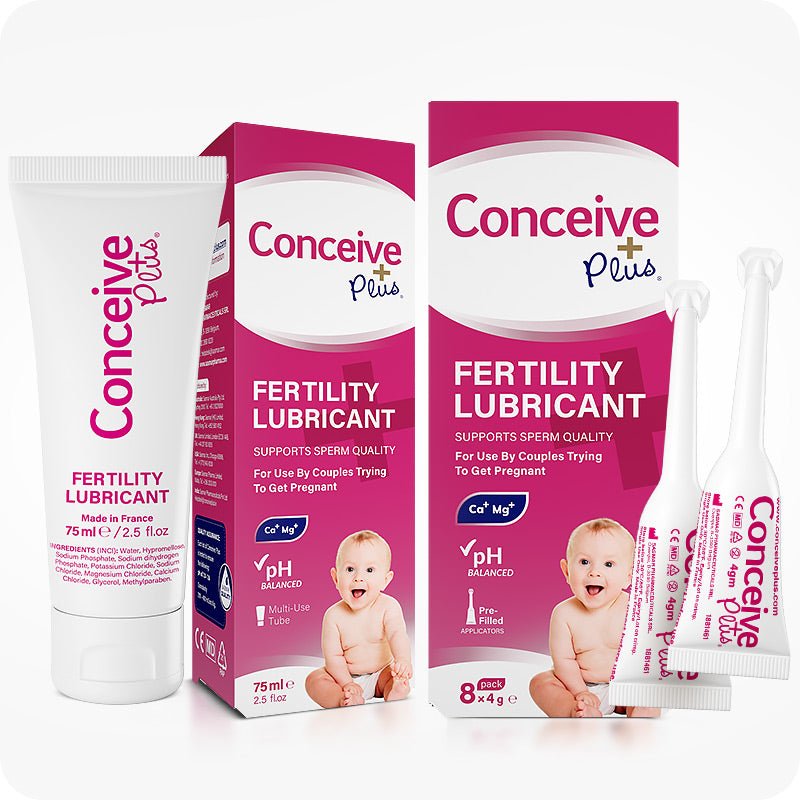
Conceive Plus formulates premium fertility supplements to support your reproductive health at every stage. Our products are designed with the needs of women navigating complex fertility journeys in mind.
Explore Our Products →Endometriosis is one of the leading causes of female infertility, accounting for up to 50% of women experiencing difficulty conceiving. However, the relationship between endometriosis and fertility is complex and not fully understood. Several mechanisms have been identified:
Anatomical Distortion
Adhesions and scar tissue caused by endometriosis can distort the anatomy of the pelvis and reproductive organs. Fallopian tubes may become blocked or kinked, preventing the egg from travelling from the ovary to the uterus. The ovaries may be adhered to surrounding structures, impairing their function.
Ovarian Reserve Impact
Endometriomas — the ovarian cysts associated with endometriosis — can damage healthy ovarian tissue. Surgical removal of these cysts, while sometimes necessary, can further reduce ovarian reserve. Research suggests that even the presence of endometriomas alone can reduce ovarian reserve over time, making early monitoring of AMH (Anti-Müllerian Hormone) levels important.
Inflammatory Environment
The peritoneal fluid in women with endometriosis contains elevated levels of inflammatory markers, including cytokines and prostaglandins. This hostile environment can impair egg quality, interfere with sperm function, and affect fertilisation and implantation.
Implantation Disruption
Research has found that women with endometriosis may have a less receptive uterine lining, making it harder for an embryo to implant successfully. Alterations in the expression of certain proteins during the implantation window have been documented in endometriosis patients.
Hormonal Imbalances
Endometriosis is an oestrogen-dependent condition, meaning it thrives in a high-oestrogen environment. This hormonal imbalance can affect ovulation and the overall reproductive cycle.
Despite these challenges, it's crucial to understand that having endometriosis does not mean infertility is inevitable. Many women with mild to moderate endometriosis conceive without medical assistance.
Diagnosis and Stages of Endometriosis
Endometriosis is notoriously difficult to diagnose. Blood tests and imaging like ultrasound can provide clues — particularly for identifying endometriomas — but the gold standard for diagnosis remains laparoscopy, a minimally invasive surgical procedure in which a camera is inserted into the abdomen to directly visualise endometrial tissue.
The Four Stages
Endometriosis is classified using the revised American Society for Reproductive Medicine (rASRM) staging system, from Stage I (minimal) to Stage IV (severe):
- Stage I – Minimal: Small, isolated implants with no scar tissue
- Stage II – Mild: More implants, still superficial, with minor adhesions
- Stage III – Moderate: Multiple deep implants, small endometriomas, and more significant adhesions
- Stage IV – Severe: Many deep implants, large endometriomas, and extensive adhesions
It is essential to understand that stage does not directly predict fertility outcomes. A woman with Stage II endometriosis may struggle to conceive, while a woman with Stage IV endometriosis may become pregnant naturally. Stage is just one piece of a complex puzzle.
Getting Diagnosed in Australia
In Australia, access to diagnosis is improving, but barriers remain. Endometriosis Australia and the National Action Plan for Endometriosis (2018) have driven significant progress, including greater GP education and the establishment of specialist endometriosis clinics across the country. If you suspect endometriosis, speak with your GP about a referral to a gynaecologist or specialist reproductive surgeon with endometriosis expertise.
Treatment Options: Surgical, Medical, and Lifestyle
Treatment for endometriosis depends on symptom severity, the extent of the disease, and your fertility goals. There is no one-size-fits-all approach, and treatment decisions should be made collaboratively with a specialist who understands your specific situation.
Surgical Treatment
Laparoscopic surgery to excise (remove) endometriosis tissue is the most effective treatment for pain and, in some cases, fertility. Studies suggest that surgical removal of endometriosis — particularly in Stage I and II disease — can significantly improve spontaneous pregnancy rates. A landmark Cochrane review found that laparoscopic surgery doubled the chances of spontaneous pregnancy in women with minimal to mild endometriosis compared to diagnostic laparoscopy alone.
For women with endometriomas, the decision to operate is more nuanced, as surgery carries the risk of damaging healthy ovarian tissue and reducing ovarian reserve. Decisions should be made case-by-case in consultation with a fertility specialist.
Medical Treatment
Hormonal treatments — including the combined oral contraceptive pill, progestogens, and GnRH agonists (such as Zoladex or Synarel) — are effective for pain management but do not improve fertility and are not recommended for women actively trying to conceive. These medications work by suppressing the menstrual cycle and reducing oestrogen levels, which temporarily controls endometriosis growth but cannot be used during conception.
For women in acute pain who are not currently trying to conceive, medical management can provide significant relief while planning the next steps.
Lifestyle Approaches
While lifestyle changes alone cannot cure endometriosis, evidence supports that certain approaches can help manage symptoms and support overall reproductive health:
- Anti-inflammatory diet: Reducing pro-inflammatory foods (refined sugar, red meat, trans fats) and increasing anti-inflammatory foods (omega-3-rich fish, colourful vegetables, legumes) may help reduce the inflammatory burden of endometriosis.
- Regular gentle exercise: Activities like yoga, walking, and swimming can help reduce inflammation, support hormonal balance, and improve mental wellbeing.
- Stress management: Chronic stress elevates cortisol and can worsen hormonal imbalances. Mindfulness practices, therapy, and adequate rest are important.
- Reducing environmental oestrogens: Minimising exposure to endocrine-disrupting chemicals found in plastics (BPA), certain cleaning products, and pesticides may help manage oestrogen load.
- Maintaining a healthy weight: Both excess adipose tissue (which produces oestrogen) and very low body weight can exacerbate hormonal imbalances. Aim for a healthy BMI in consultation with your doctor.
Natural Conception Strategies with Endometriosis
If you have been diagnosed with endometriosis and are trying to conceive naturally, there are strategies that can support your chances:
Timing Intercourse Accurately
Identifying your fertile window is crucial. Ovulation predictor kits (OPKs), basal body temperature (BBT) tracking, and cervical mucus monitoring can all help you pinpoint your most fertile days. Given that endometriosis can sometimes cause irregular cycles, working with a fertility specialist or using hormonal monitoring can provide greater accuracy.
Optimising Sexual Health
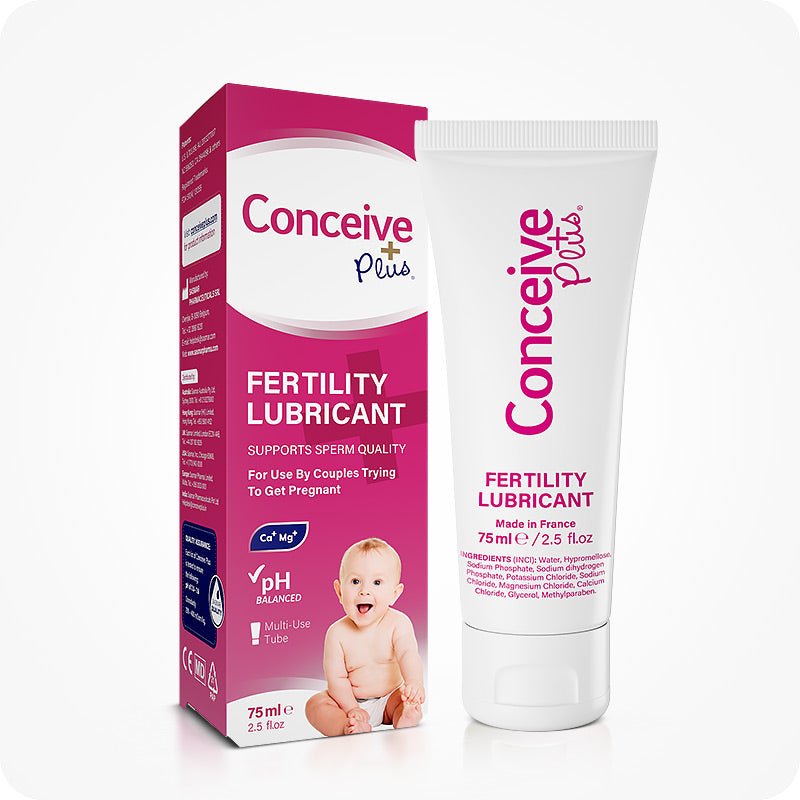
Pain during intercourse (dyspareunia) is common in endometriosis and can make timed intercourse feel clinical or distressing. Positions that minimise deep penetration may help reduce pain. A fertility-friendly lubricant that does not harm sperm — such as a sperm-friendly, pH-balanced lubricant — can also support comfort and motility.
Tracking Your Cycle
Keep a detailed record of your cycle length, symptoms, and any changes. This data is valuable for your fertility specialist and can help identify patterns that may be affecting your chances of conception.
Optimising Sperm Health
Natural conception is a two-person effort. If your partner has not had a semen analysis, it's worth considering. Supporting sperm health through good nutrition, limiting alcohol, quitting smoking, and managing stress can improve your combined chances of conception.
When to Seek Specialist Help
The general guideline for seeking fertility help is after 12 months of regular unprotected intercourse (or 6 months if you are over 35). However, if you have a known diagnosis of endometriosis — particularly moderate to severe — it is appropriate to seek a fertility specialist consultation sooner, even before you start trying, to discuss your individual prognosis and options.
Assisted Reproduction for Women with Endometriosis
For women with endometriosis who do not conceive naturally within a reasonable timeframe, or for whom natural conception is unlikely due to the extent of disease, assisted reproductive technologies (ART) offer genuine hope.
Intrauterine Insemination (IUI)
IUI involves placing washed, concentrated sperm directly into the uterus around the time of ovulation, increasing the number of sperm available to fertilise the egg. IUI is sometimes considered for women with mild endometriosis and no tubal damage, often combined with ovarian stimulation medications. However, success rates per cycle are generally lower than IVF, and for women with moderate to severe endometriosis or compromised tubes, IVF is typically recommended.
In Vitro Fertilisation (IVF)
IVF is the most effective ART for women with endometriosis, particularly those with tubal involvement, significant adhesions, or reduced ovarian reserve. The process involves stimulating the ovaries to produce multiple eggs, retrieving those eggs, fertilising them with sperm in the laboratory, and transferring the resulting embryos into the uterus.
Key considerations for women with endometriosis undergoing IVF include:
- Ovarian reserve: AMH levels and antral follicle count (AFC) should be assessed before beginning IVF to understand ovarian response potential.
- Endometrioma management: The presence of endometriomas before IVF requires careful consideration. Some specialists recommend drainage or surgical removal, while others proceed without intervention, depending on cyst size and patient history.
- Long down-regulation protocols: Some research suggests that a longer GnRH agonist protocol (down-regulation for 3–6 months before stimulation) may improve IVF outcomes in women with endometriosis by reducing the inflammatory environment.
- Preimplantation Genetic Testing (PGT): For women with recurrent implantation failure or repeated pregnancy loss, PGT of embryos may improve IVF success rates.
In Australia, Medicare provides a rebate for IVF cycles for women diagnosed with a medical condition affecting fertility, including endometriosis. The specific rebate amount depends on your circumstances, so it's worth speaking with your clinic about out-of-pocket costs.
Egg Freezing
For women with endometriosis who are not yet ready to conceive but are concerned about declining ovarian reserve, egg freezing (elective oocyte cryopreservation) is an option worth discussing with a fertility specialist. Freezing eggs now — before further progression of endometriosis or before planned surgery — can preserve future fertility options.
Nutrition and Supplements That Support Endometriosis
While no supplement can treat endometriosis, emerging evidence suggests that targeted nutritional support may help reduce inflammation, support hormonal balance, and improve egg quality — all relevant to fertility outcomes in women with endometriosis.
Omega-3 Fatty Acids
Omega-3s (found in oily fish like salmon and sardines, as well as fish oil supplements) have potent anti-inflammatory properties. Research published in journals including Human Reproduction has found associations between higher omega-3 intake and reduced risk of endometriosis, as well as improvements in pain symptoms. For fertility, omega-3 DHA is also critical for developing egg quality and early embryo development.
Magnesium
Magnesium has been shown to reduce prostaglandin levels (key drivers of endometriosis-related pain) and may help with cramping and muscle relaxation. Foods rich in magnesium include dark leafy greens, nuts, seeds, and dark chocolate.
Vitamin D
Low vitamin D levels have been associated with increased risk of endometriosis and poorer fertility outcomes. Given Australia's high rates of vitamin D deficiency — despite abundant sunshine — supplementation is often recommended, particularly for women spending significant time indoors. Aim for serum levels above 75 nmol/L.
Antioxidants: Vitamins C and E, CoQ10
Oxidative stress plays a significant role in endometriosis pathology and is a key driver of egg quality decline. Antioxidants help neutralise free radicals and protect egg cells from oxidative damage. Coenzyme Q10 (CoQ10) in particular has been studied for its role in improving egg quality and mitochondrial function in women undergoing IVF, including those with endometriosis.
Folate (Folic Acid / Methylfolate)
Folate is essential for DNA synthesis and neural tube development in early pregnancy. For women with endometriosis — who may have elevated homocysteine levels and altered folate metabolism — a high-quality prenatal supplement containing methylfolate (the active, bioavailable form) is recommended. Start taking folate at least one month before you begin trying to conceive.
N-Acetyl Cysteine (NAC)
NAC is an antioxidant precursor to glutathione — one of the body's most powerful antioxidants. A randomised controlled trial published in Evidence-Based Complementary and Alternative Medicine found that NAC supplementation reduced endometrioma size and pain in a group of endometriosis patients. While more research is needed, NAC is a promising area of interest for endometriosis management.
A Quality Prenatal Multivitamin
A comprehensive prenatal multivitamin designed for women trying to conceive is the foundation of any pre-conception supplementation plan. Look for one that includes methylfolate, iron, iodine, zinc, selenium, choline, and vitamin D, alongside antioxidant support. Starting a prenatal before conception — ideally three months beforehand — gives your body time to build optimal nutrient reserves.
The Emotional Side of Trying to Conceive with Endometriosis
The intersection of endometriosis and infertility is not only a physical experience — it is profoundly emotional. Living with chronic pain, navigating a complex medical system, and facing the uncertainty of fertility can take a serious toll on mental health, relationships, and sense of self.
Grief and Loss
Many women experience a sense of grief when diagnosed with endometriosis — grief for the uncomplicated fertility journey they had imagined, grief for the years lost to diagnosis delays, and grief for the embryos or pregnancies that may not have been. Allowing space for these feelings, rather than minimising them, is an important part of the emotional journey.
Relationship Strain
Timed intercourse, invasive procedures, and the emotional rollercoaster of fertility treatment can place significant strain on relationships. Open communication, regular check-ins, and shared decision-making can help partners navigate this journey together. Many couples find couples counselling or fertility-focused therapy helpful during this time.
Anxiety and Depression
Research consistently shows higher rates of anxiety and depression in women with endometriosis compared to the general population. If you are struggling, please seek support — whether through your GP, a psychologist, or a fertility counsellor. In Australia, the Better Access initiative provides Medicare-rebated psychology sessions for those who qualify.
Finding Community
Connecting with others who understand your experience can be profoundly validating. Endometriosis Australia (endometriosisaustralia.org) offers support groups, educational resources, and a community of women who truly get it. Online communities — including Facebook groups and forums — can also offer a sense of belonging and shared understanding.
Self-Compassion
It is easy to blame your body when it doesn't seem to be working the way you want it to. But your body is doing its best in challenging circumstances. Practising self-compassion — treating yourself with the same kindness you would offer a dear friend — is not a cliché. It is a practice that has genuine psychological benefits and can help you sustain the emotional energy required for the fertility journey.
Knowing When to Pause
The fertility journey can feel relentless. It is okay to pause. It is okay to take a month off from tracking, to step back from medical appointments, to give yourself breathing room. Taking breaks does not mean giving up — it means prioritising your wellbeing, which is ultimately what supports your fertility too.
Frequently Asked Questions
Can I get pregnant naturally with endometriosis?
Yes, many women with endometriosis do conceive naturally. The likelihood depends on the stage and extent of the disease, your age, your partner's fertility, and other individual factors. Women with mild endometriosis often have comparable pregnancy rates to those without endometriosis, especially when other factors are favourable. If you have been trying for 6–12 months without success (depending on your age), it's time to seek specialist advice.
Does endometriosis always cause infertility?
No. Endometriosis is associated with reduced fertility in some women, but it does not inevitably cause infertility. Estimates suggest that 30–50% of women with endometriosis experience fertility challenges, meaning the majority — 50–70% — do not. Even among those who do face challenges, most can achieve pregnancy with appropriate support.
Will surgery improve my chances of getting pregnant?
For women with Stage I or II endometriosis, laparoscopic surgery to remove endometriosis tissue has been shown to improve spontaneous pregnancy rates. For more advanced disease, the evidence is less clear, and surgery must be weighed against potential risks to ovarian reserve. This decision should be made with an experienced reproductive surgeon.
How does endometriosis affect IVF success rates?
IVF success rates for women with endometriosis are generally slightly lower than for women without endometriosis, but outcomes are still positive. Many specialist fertility clinics have protocols specifically tailored for endometriosis patients that can optimise IVF outcomes. Discuss your individual prognosis with your fertility specialist.
Does having an endometrioma affect my ovarian reserve?
Endometriomas have been associated with reduced ovarian reserve over time, even without surgical intervention. If you have an endometrioma, your fertility specialist should monitor your AMH levels and discuss appropriate management — whether surgical or conservative — based on your specific circumstances and timeline.
Is there a diet that helps with endometriosis and fertility?
While no single diet has been proven to cure endometriosis, an anti-inflammatory dietary pattern is broadly supported by evidence. This means increasing omega-3 fatty acids, colourful vegetables, legumes, and whole grains, while reducing red meat, processed foods, refined sugars, and alcohol. The Mediterranean diet has been studied in the context of endometriosis and fertility with encouraging results.
Should I take supplements if I have endometriosis and am trying to conceive?
A high-quality prenatal multivitamin is recommended for all women trying to conceive and is particularly important for those with endometriosis. Beyond a prenatal, omega-3 supplementation, vitamin D, and antioxidants like CoQ10 may be beneficial. Always discuss supplementation with your healthcare provider, particularly if you are undergoing medical treatment.
How long should I try naturally before seeking IVF?
If you have a known diagnosis of endometriosis — especially moderate to severe — it is appropriate to discuss your fertility outlook with a specialist before or as soon as you begin trying to conceive. You don't need to wait 12 months before seeking advice. Early consultation allows for informed decision-making about whether to try naturally, use IUI, or proceed directly to IVF based on your individual profile.
Can endometriosis come back after surgery?
Yes, endometriosis can recur after surgery. Recurrence rates vary but are estimated at 20–40% within five years, depending on the extent of disease and other factors. Managing endometriosis as a chronic condition — with a long-term plan developed with your specialist — is important, particularly when fertility is a consideration.
What support is available for women with endometriosis in Australia?
Australia has a growing network of support for women with endometriosis. Endometriosis Australia (endometriosisaustralia.org) is the peak national organisation providing education, advocacy, and support. Specialist endometriosis clinics exist in major cities including Sydney, Melbourne, Brisbane, and Perth. Your GP can refer you to a gynaecologist or reproductive specialist with endometriosis expertise. Medicare provides rebates for many consultations and procedures related to endometriosis and fertility treatment.
You Are Not Alone
Endometriosis affects 1 in 10 women. Conceive Plus is here to support your path to parenthood with science-backed supplements trusted by Australian families.
Shop Conceive Plus →