IVF Preparation: A Complete Guide to Optimising Your Body and Mind Before Fertility Treatment


Preparing for IVF is one of the most significant medical and emotional journeys a couple can undertake. The months leading up to your first cycle present a critical window of opportunity to optimise your body, mind, and environment for the best possible treatment outcomes. This comprehensive guide covers everything you need to know about IVF preparation — from nutritional strategies and lifestyle adjustments to understanding the medical procedures and managing the emotional aspects. Proper preparation does not guarantee success, but it gives you the best possible foundation for your IVF journey.
Understanding the IVF Process: What to Expect
Before diving into preparation strategies, it is essential to understand what IVF actually involves. In vitro fertilisation is a multi-step assisted reproductive technology where eggs are retrieved from the ovaries, fertilised with sperm in a laboratory, and the resulting embryos are transferred to the uterus. The typical IVF cycle lasts approximately four to six weeks and includes several distinct phases. Ovarian stimulation involves daily hormone injections for 10 to 14 days to encourage multiple follicles to develop. Monitoring through blood tests and ultrasounds tracks follicle growth. Trigger shot administration finalises egg maturation approximately 36 hours before retrieval. Egg retrieval is a minor surgical procedure performed under sedation. The eggs are then fertilised in the lab, either through conventional insemination or intracytoplasmic sperm injection (ICSI). Embryos are cultured for three to six days before transfer. A single embryo or sometimes two are transferred to the uterus in a quick, generally painless procedure. The two-week wait following transfer is often the most emotionally challenging phase. A pregnancy blood test is performed approximately 12 to 14 days after transfer. Understanding each of these steps and what to expect can significantly reduce anxiety and help you feel more in control.
Nutritional Preparation: Three Months of Optimisation
The three months before an IVF cycle are critical for nutritional preparation. Both egg and sperm quality reflect nutritional status over the preceding 90 days, making this window a genuine opportunity for improvement. For women, a fertility-supportive diet should emphasise antioxidant-rich foods to protect egg quality from oxidative damage. Key nutrients include Coenzyme Q10, which supports mitochondrial function in eggs; vitamin D, which is linked to IVF success rates; omega-3 fatty acids, which reduce inflammation and support hormonal balance; and adequate protein intake for follicle development. For men, the same three-month preparation period is equally important. Sperm DNA integrity can be improved through antioxidant supplementation and a healthy diet. Couples preparing together for IVF should both focus on nutrient-dense eating patterns. Specific dietary recommendations include prioritising whole foods over processed options, eating sufficient protein at each meal, including healthy fats from avocados, nuts, seeds, and olive oil, consuming five to seven servings of vegetables daily, staying well-hydrated with water, and limiting caffeine to one serving per day. Many fertility specialists recommend a Mediterranean-style diet as the optimal eating pattern for IVF preparation.
💙 Support Your IVF Journey with Conceive Plus
Every step of your IVF preparation matters. Conceive Plus Ovulation Support provides myo-inositol, folic acid, and vitamin D — key nutrients that support hormonal balance and egg health during the critical three-month preparation window. Prepare your body with the support it deserves.
Supplements to Support IVF Success
While a healthy diet forms the foundation, targeted supplementation can provide additional support during IVF preparation. It is essential to discuss all supplements with your fertility clinic, as some may interact with IVF medications. For women, Coenzyme Q10 (CoQ10) is one of the most extensively studied supplements for IVF preparation. Research suggests that CoQ10 supplementation may improve egg quality and increase the number of mature eggs retrieved. A typical dose ranges from 200 to 600 mg daily, and it should be started at least three months before egg retrieval. Vitamin D supplementation is particularly important, as deficiency is extremely common and has been linked to lower IVF success rates. Your clinic can test your levels and recommend an appropriate dose. Omega-3 fatty acids from fish oil support hormonal balance and reduce inflammation. Myo-inositol has shown benefits for women with PCOS undergoing IVF. For men, zinc, selenium, CoQ10, and folic acid all support sperm quality improvement before IVF, particularly when ICSI is planned. When both partners optimise their nutrition simultaneously, the cumulative effect can be significant. A high-quality prenatal vitamin provides a solid nutritional baseline for women. Look for one that contains at least 400 to 800 mcg of folic acid or methylfolate, iodine, iron, and vitamin D.
Lifestyle Factors That Impact IVF Outcomes
Beyond nutrition, several lifestyle factors can influence IVF success rates. Weight is one of the most significant modifiable factors. Both underweight and overweight status can affect IVF outcomes by influencing hormone levels and egg quality. Exercise during IVF requires careful balance. Moderate exercise such as walking, swimming, and gentle yoga is beneficial for stress reduction and circulation. However, high-intensity exercise during ovarian stimulation may increase the risk of ovarian torsion. Many clinics recommend switching to gentle activities during the stimulation phase. Sleep quality is frequently overlooked but highly important. Poor sleep disrupts the hormonal rhythms that regulate reproductive function. Aim for seven to nine hours of quality sleep each night, maintain a consistent sleep schedule, and create a cool, dark sleeping environment. Smoking is unequivocally harmful to IVF outcomes. Women who smoke require approximately twice as many IVF cycles as non-smokers to achieve pregnancy. Smoking accelerates ovarian ageing and reduces egg quality. Quitting smoking even a few months before IVF can significantly improve outcomes. Alcohol consumption should be minimised or eliminated during IVF preparation. Both partners should limit alcohol, as it affects sperm quality in men and egg quality and implantation in women.
Emotional and Psychological Preparation
The emotional demands of IVF are often underestimated. The process can be physically uncomfortable, financially stressful, and emotionally draining. Preparing psychologically is just as important as preparing physically. Consider working with a fertility counsellor or therapist who specialises in reproductive health. They can provide coping strategies, help you process difficult emotions, and strengthen your relationship during the stress of treatment. Stress management techniques such as meditation, deep breathing exercises, and mindfulness have been shown to reduce anxiety during IVF. Acupuncture, while not proven to directly improve IVF success rates, can be very effective for stress reduction. Setting realistic expectations is crucial. IVF success rates vary dramatically by age. For women under 35, the live birth rate per cycle is approximately 40 to 50%. By age 40, this drops to approximately 15 to 20%. Understanding these statistics helps you prepare emotionally for all possible outcomes. Communication with your partner during IVF is essential. The process can strain even the strongest relationships. Schedule regular check-ins to discuss how you are both feeling, and do not be afraid to seek couples counselling if needed.
The Role of Fertility-Friendly Products in IVF Preparation
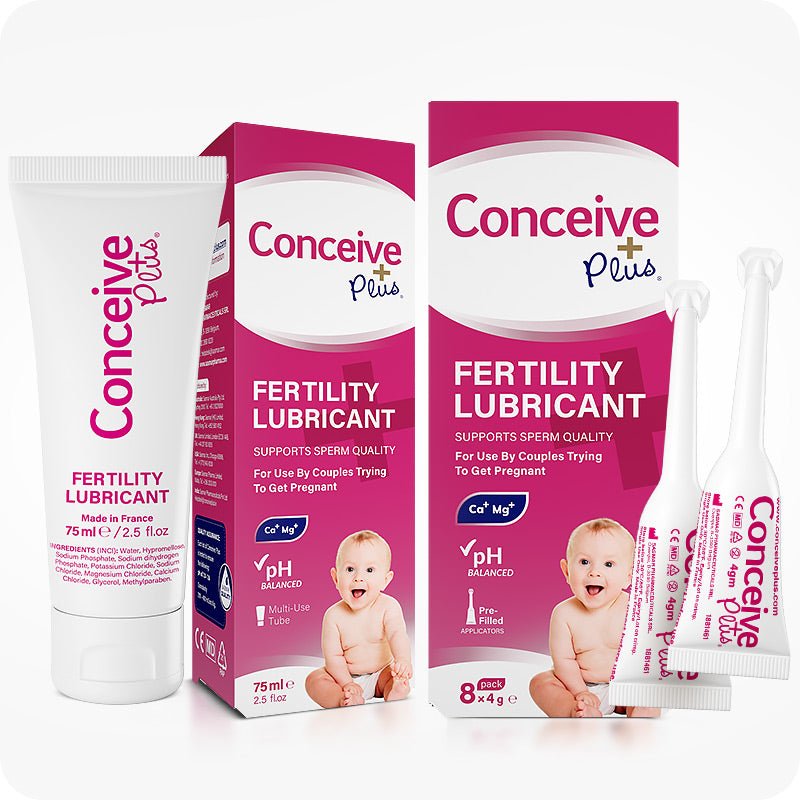
During IVF preparation and the fertility journey more broadly, the products you use matter. Fertility-friendly lubricants like Conceive Plus are specifically designed to be sperm-safe and to mimic the properties of fertile cervical mucus. While IVF bypasses many of the natural barriers to conception, couples preparing for IVF often continue to try to conceive naturally in the months before their cycle begins. Using Conceive Plus during this time ensures that if natural conception occurs, it is supported by products that are clinically proven to be safe for sperm. Additionally, Conceive Plus ovulation support supplements provide targeted nutrients including myo-inositol, folic acid, and vitamin D that support hormonal balance and egg health during the preparation phase. These evidence-based supplements complement the medical protocol prescribed by your fertility specialist.
Frequently Asked Questions
How long should I prepare before starting IVF?
Most fertility specialists recommend at least three months of preparation before your first IVF cycle. This timeframe aligns with the egg and sperm development cycles, allowing nutritional and lifestyle changes to take full effect.
Can I take supplements during IVF treatment?
Some supplements are safe and beneficial, but always consult your fertility clinic before taking any supplements during active treatment. Some supplements can interfere with IVF medications or affect treatment outcomes.
Does stress affect IVF success?
While a direct causal link is difficult to prove, high stress levels can affect hormonal balance and treatment compliance. Managing stress through counselling, meditation, and support systems is strongly recommended during IVF.
Can I exercise during IVF treatment?
Moderate exercise is generally fine during the early stages of IVF, but most clinics recommend avoiding high-impact or intense exercise during ovarian stimulation to reduce the risk of ovarian torsion. Always follow your clinic's specific guidelines.
Does the male partner need to prepare for IVF too?
Absolutely. Sperm quality significantly affects fertilisation rates and embryo quality, even with ICSI. Men should optimise their health, nutrition, and lifestyle for at least three months before an IVF cycle.
How many IVF cycles does the average couple need?
Many couples require more than one IVF cycle to achieve pregnancy. The average number varies by age and diagnosis, but studies suggest that approximately 65% of couples achieve pregnancy within three to four cycles.
What is the ideal BMI for IVF?
Most clinics recommend a BMI between 19 and 30 for IVF treatment. Both underweight (BMI below 18.5) and obese (BMI above 30) status are associated with lower success rates and higher complication risks.
Can I drink caffeine during IVF preparation?
Most specialists recommend limiting caffeine to one cup of coffee or tea per day during IVF preparation and treatment. High caffeine intake has been associated with slightly lower pregnancy rates in some studies.
Should I take time off work during IVF?
This depends on your treatment protocol and your job demands. Many women continue working through most of their cycle, though some take time off for egg retrieval and the day or two following transfer.
Does using a fertility lubricant help during IVF preparation?
If you are trying to conceive naturally while preparing for IVF, using a sperm-safe lubricant like Conceive Plus ensures you are not reducing your chances. Standard lubricants can harm sperm, so switching to a fertility-friendly option is a wise precaution.
💙 Ready to Take the Next Step?
Your IVF journey deserves the best possible foundation. From sperm-safe lubricant to targeted nutritional support, Conceive Plus offers evidence-based products designed to support every stage of your fertility journey.
Shop Ovulation Support →