Secondary Infertility: Understanding, Coping, and Finding Your Path to Expanding Your Family


Secondary Infertility: Understanding, Coping, and Finding Your Path to Expanding Your Family
When you've already had a child, expecting to conceive again can feel like it should be straightforward. Yet secondary infertility — the inability to conceive or carry a pregnancy to term after having previously given birth — affects an estimated 3 million couples in the United States alone, and similar rates are seen globally. It's a surprisingly common condition that often carries an extra emotional weight: guilt for wanting "more" when you already have a child, and confusion about why your body isn't cooperating the way it once did.
Why Secondary Infertility Happens
Secondary infertility can stem from the same causes as primary infertility, but often factors change between pregnancies:
- Maternal age: The single most significant factor. If several years have passed since your first pregnancy, age-related egg quality decline may be at play
- Changed medical conditions: Conditions like endometriosis or PCOS may have progressed. New conditions like thyroid disorders, uterine fibroids, or adhesions from previous C-sections can develop
- Weight changes: Significant weight gain or loss since your first pregnancy can affect hormone balance and ovulation
- Male factor changes: Sperm quality can decline with age, illness, medication, or lifestyle changes. If your partner's health has shifted since your first child, semen parameters may have changed
- Post-pregnancy complications: C-section scarring, uterine adhesions, or pelvic inflammatory changes from previous deliveries can impact fertility
- Lifestyle factors: Increased stress, less sleep, different nutrition, and reduced intercourse frequency — common with a young child at home — can all contribute
Emotional Impact of Secondary Infertility
Support Your Fertility Journey
Conceive Plus Fertility Support supplements are scientifically formulated with evidence-backed nutrients including CoQ10, folate, zinc, and vitamin D to support reproductive health at every stage. Give your body the nutritional foundation it deserves.
Support Your Fertility Journey
Conceive Plus Fertility Support supplements are scientifically formulated with evidence-backed nutrients including CoQ10, folate, zinc, and vitamin D to support reproductive health at every stage. Give your body the nutritional foundation it deserves.
Secondary infertility carries unique emotional challenges. Many parents feel guilty for feeling sad — after all, they already have a child. This guilt can prevent them from seeking support or even acknowledging their grief. Common feelings include isolation among "fertile" mothers, frustration at insensitive comments ("at least you already have one"), and anxiety about the age gap between children widening.
It's important to validate these feelings. Secondary infertility is a legitimate medical condition with real emotional weight. Support groups specifically for secondary infertility, counselling, and open conversations with your partner can help navigate this challenging terrain.
Getting Tested: What's Different the Second Time
Testing for secondary infertility follows a similar protocol to primary infertility but with attention to changes since your last pregnancy:
- Hormonal panel (FSH, LH, AMH, oestrogen, progesterone, thyroid, prolactin)
- Ovarian reserve testing (AMH and antral follicle count)
- Semen analysis for your partner
- Tubal patency assessment (HSG or HyCoSy)
- Uterine evaluation (ultrasound, saline sonogram, hysteroscopy)
If you had a C-section, special attention to the uterine scar and any adhesions is warranted.
Treatment Options for Secondary Infertility
Treatment depends on the identified cause but may include:
- Ovulation induction: Medications like clomiphene or letrozole to stimulate egg development
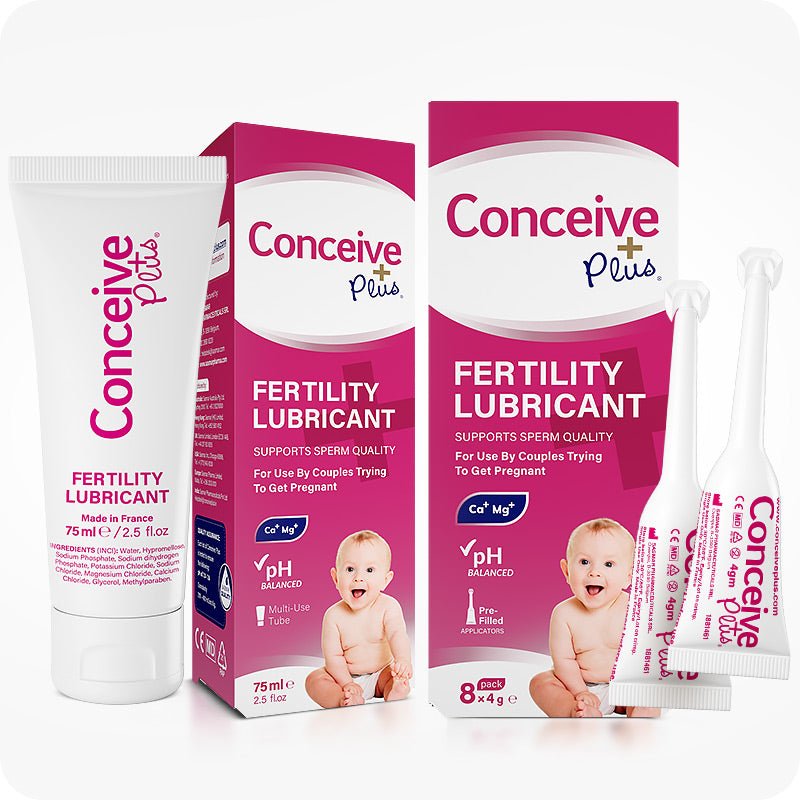
- Timed intercourse: Precisely timed intercourse around ovulation, supported by fertility-friendly lubricants like Conceive Plus to optimise sperm survival
- IUI: Intrauterine insemination to bypass cervical factors
- IVF: When other treatments haven't worked or age is a significant factor
Having conceived before is actually encouraging — your body has proven it can achieve pregnancy. It doesn't guarantee it will happen again quickly, but it's a powerful reminder that it's possible.
Optimising Your Chances Naturally
Even alongside medical treatment, optimise your fertility with these strategies:
- Track your cycle: Use ovulation predictor kits or fertility monitors to identify your fertile window accurately
- Nourish your body: A Mediterranean-style diet supports egg and sperm quality
- Consider supplements: Conceive Plus Fertility Support for Women and Conceive Plus Fertility Support for Men provide targeted nutrients
- Manage stress: Self-care isn't selfish — it's medically relevant for fertility
- Prioritise sleep: With a young child, sleep is precious. Prioritise what you can
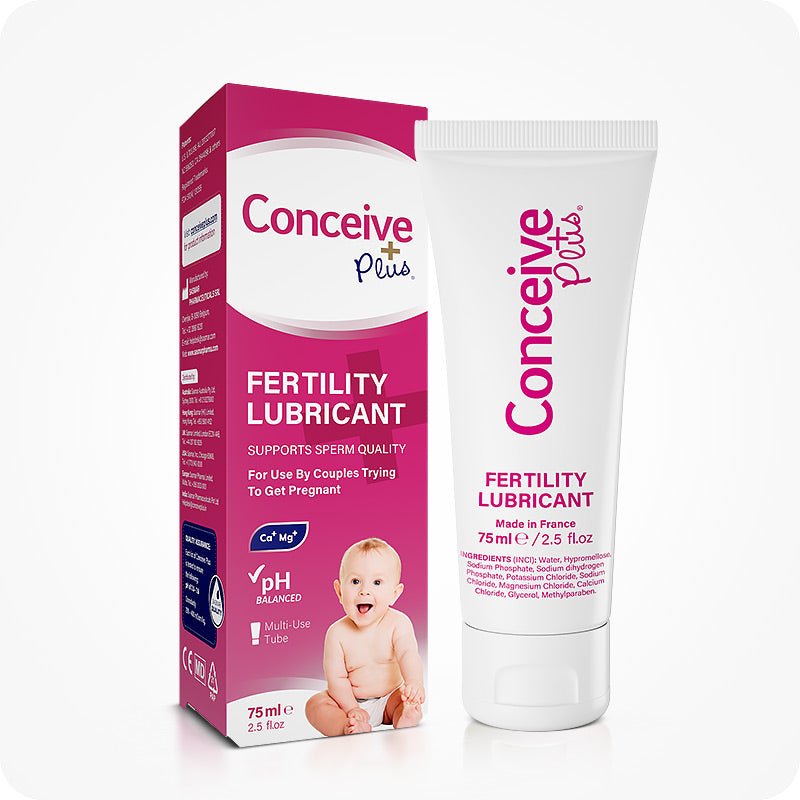
- Use fertility-friendly lubricant: Standard lubricants can harm sperm. Conceive Plus Fertility Lubricant is formulated to support sperm survival
Frequently Asked Questions
- How common is secondary infertility? It affects about 1 in 7 couples — as common as primary infertility.
- What causes secondary infertility? Age, changed health conditions, weight changes, male factor changes, and post-pregnancy complications.
- Can secondary infertility resolve on its own? Yes. Many couples conceive spontaneously, though it may take longer than the first time.
- Should I see a specialist? After 12 months of trying (6 months if over 35), consult a reproductive endocrinologist.
- Does breastfeeding affect secondary infertility? Extended breastfeeding can suppress ovulation.
- How long should I try before treatment? 12 months under 35, 6 months over 35.
- Can C-sections cause secondary infertility? They can contribute through uterine scarring or adhesions.
- Does my partner need testing? Yes. Male factors can change between pregnancies.
- What are the success rates for treatment? Varies by cause, but couples often have good outcomes.
- Is secondary infertility harder emotionally? Different — the guilt of wanting more can be uniquely painful.
Your Journey, Our Support
Whether you are just starting to try or have been on this path for a while, Conceive Plus is here for you. Our fertility-friendly products are developed with reproductive health specialists to support your body natural fertility.