Fertility Testing in Australia: A Complete Guide to Understanding Your Options, Results, and Next Steps


Fertility Testing in Australia: A Complete Guide to Understanding Your Options, Results, and Next Steps
Deciding to start a family is one of life's most significant milestones — and for many Australians, that journey involves questions, uncertainty, and sometimes, the need for answers. Whether you've been trying to conceive for several months, you're simply curious about your reproductive health, or a doctor has flagged a concern, fertility testing can provide invaluable insight into what's happening in your body.
Fertility testing is no longer reserved for couples who've struggled for years. Today, more Australians are choosing to assess their reproductive health proactively — and that shift is a positive one. Understanding your fertility status early gives you time, options, and the opportunity to make informed decisions.
This guide covers everything you need to know about fertility testing in Australia: what tests exist for women and men, when to get tested, what your results mean, which tests your GP can order, when to see a specialist, and how to take meaningful action with your results.
When Should You Consider Fertility Testing?
One of the most common questions Australians ask is: when is it the right time to get a fertility test? The answer isn't one-size-fits-all, but there are well-established clinical guidelines to help guide you.
For heterosexual couples trying to conceive naturally:
- Under 35 years old: Seek assessment if you haven't conceived after 12 months of regular, unprotected intercourse
- 35–40 years old: Seek assessment after 6 months of trying
- Over 40 years old: Seek assessment after 3 months, or consult a specialist proactively
However, you don't need to wait. There are circumstances where earlier testing is strongly recommended regardless of how long you've been trying:
- Irregular, very painful, or absent menstrual cycles
- Diagnosed or suspected polycystic ovary syndrome (PCOS)
- A history of endometriosis
- Prior pelvic inflammatory disease or sexually transmitted infections
- Multiple miscarriages (recurrent pregnancy loss)
- Known chromosomal conditions in either partner or close family members
- Previous cancer treatment (chemotherapy or radiotherapy)
- Undescended testes or prior testicular injury in men
- Known low sperm count or previous semen analysis concerns
- Those considering egg freezing or single parenthood
It's worth noting that fertility naturally declines with age, particularly for women. Research published in Human Reproduction shows that female fertility begins declining meaningfully after age 32, with a more significant drop after 37. For men, sperm quality also tends to decline gradually from the mid-30s onwards, though this is more variable.
The most important thing? Don't let embarrassment or the assumption that "everything is probably fine" delay you. Fertility testing is a routine, non-invasive starting point — and knowledge is power.
Fertility Tests for Women: What Your GP Can Order
Your general practitioner (GP) is your first port of call for fertility concerns in Australia, and they can order a comprehensive initial panel of tests through Medicare-subsidised pathology. These tests provide a solid foundation for understanding your reproductive health.
Support Your Fertility While You Wait for Results
While navigating fertility testing, optimising your reproductive health proactively makes sense. Conceive Plus Ovulation Support with Myo-Inositol helps regulate hormonal balance and supports healthy ovulation — especially beneficial for women with irregular cycles or PCOS.
Explore Ovulation Support →Hormonal Blood Tests
FSH (Follicle-Stimulating Hormone) — Tested on Day 2–5 of your menstrual cycle, FSH is produced by the pituitary gland and stimulates the growth of ovarian follicles. Elevated FSH levels (typically above 10–12 IU/L) can indicate a reduced ovarian reserve, meaning fewer eggs remain. Low FSH may suggest a problem with the pituitary gland.
LH (Luteinising Hormone) — Also measured on Day 2–5, LH works alongside FSH to trigger ovulation. An elevated LH-to-FSH ratio (e.g., 2:1 or higher) may indicate PCOS. An LH surge mid-cycle signals that ovulation is imminent, which is why ovulation predictor kits detect LH in urine.
Oestradiol (E2) — This form of oestrogen is also measured early in the cycle. An elevated Day 3 oestradiol can artificially suppress FSH, masking true FSH levels. Together, these three hormones paint a picture of ovarian function.
Progesterone — Measured around Day 21 of a 28-day cycle (or 7 days after predicted ovulation), a progesterone level above 16–30 nmol/L confirms that ovulation occurred. Lower levels may suggest anovulation (no ovulation) or a weak luteal phase.
Prolactin — Elevated prolactin (hyperprolactinaemia) can suppress ovulation and cause irregular periods. It's also associated with galactorrhoea (unexpected milk production). High prolactin is treatable and may be caused by stress, medications, or a small pituitary tumour called a prolactinoma.
Thyroid Function (TSH, Free T4) — Thyroid disorders are among the most common and treatable causes of fertility problems. Both hypothyroidism (underactive thyroid) and hyperthyroidism (overactive thyroid) can disrupt ovulation and implantation. The Australian Thyroid Association recommends aiming for a TSH below 2.5 mIU/L when trying to conceive.
AMH (Anti-Müllerian Hormone) — This is one of the most informative markers of ovarian reserve. AMH is produced by small follicles in the ovaries and reflects how many eggs remain. Unlike FSH, AMH can be tested on any day of the cycle, making it highly convenient. It doesn't require fasting and is now a standard part of fertility assessment in Australia.
Understanding your AMH result:
- Above 25 pmol/L: Good ovarian reserve
- 14–25 pmol/L: Normal range
- 7–14 pmol/L: Low-normal, warrants monitoring
- 2–7 pmol/L: Low reserve — see a fertility specialist
- Below 2 pmol/L: Very low reserve — urgent specialist consultation advised
It's important to note that AMH predicts quantity, not quality of eggs. A low AMH doesn't mean pregnancy is impossible — it means acting sooner may be wise.
Androgens (Testosterone, DHEAS) — Elevated androgens in women can indicate PCOS or adrenal disorders. These tests help distinguish between different causes of irregular ovulation.
Fasting Glucose and Insulin — Insulin resistance is closely linked to PCOS and can affect ovulation. Testing fasting blood glucose and insulin (and calculating the HOMA-IR index) helps identify metabolic issues that respond well to lifestyle changes and certain medications.
Imaging: Pelvic Ultrasound
A transvaginal or abdominal pelvic ultrasound is typically ordered alongside blood tests. A fertility-specific ultrasound assesses:
- AFC (Antral Follicle Count) — The number of small, resting follicles visible in both ovaries during the early follicular phase (Days 2–5). AFC directly correlates with ovarian reserve. A total AFC of 6–10 is generally considered low; 11–25 is normal; above 25 may indicate PCOS.
- Uterine anatomy — The shape, size, and lining of the uterus. Fibroids, polyps, a septum, or an arcuate uterus can all affect implantation and are identifiable on ultrasound.
- Ovarian morphology — Polycystic-appearing ovaries (12 or more follicles per ovary in the 2–9mm range) support a PCOS diagnosis.
- Signs of endometriosis — Ovarian endometriomas (chocolate cysts) are visible on ultrasound, though superficial endometriosis often requires laparoscopy for diagnosis.
Advanced Fertility Tests for Women: When a Specialist Goes Further
If initial GP tests reveal concerns, or if you've been referred to a gynaecologist or reproductive endocrinologist, more detailed investigations may follow.
Hysterosalpingogram (HSG)
An HSG is an X-ray procedure that checks whether the fallopian tubes are open (patent) and the uterine cavity is normal. A dye is passed through the cervix into the uterus, and X-rays track its flow. Blocked tubes are one of the leading causes of female infertility, accounting for approximately 25–30% of cases. In Australia, HSG is typically performed at a radiology centre and is partially covered by Medicare.
Sonohysterogram (Saline Infusion Sonography – SIS)
A saline infusion sonogram uses sterile saline and ultrasound to assess the uterine cavity in greater detail. It's particularly useful for identifying polyps, fibroids, and adhesions that may not be clearly visible on standard ultrasound.
Laparoscopy and Hysteroscopy
These are surgical procedures performed under general anaesthetic. Laparoscopy allows direct visualisation of the pelvic organs (ovaries, fallopian tubes, uterus, and surrounding tissue), and is the gold standard for diagnosing and treating endometriosis. Hysteroscopy examines the inside of the uterus and can remove polyps or fibroids during the same procedure.
Genetic and Chromosomal Testing
For women who have experienced recurrent miscarriage or repeated IVF failure, chromosomal analysis (karyotyping) of both partners may be recommended. Preimplantation Genetic Testing (PGT) during IVF can screen embryos for chromosomal abnormalities before transfer, significantly improving success rates in certain patient groups.
Thyroid Antibodies
Women with thyroid antibodies (anti-TPO or anti-thyroglobulin) are at increased risk of miscarriage even when TSH is normal. This test is recommended for anyone with a personal or family history of autoimmune conditions, recurrent pregnancy loss, or borderline thyroid function.
Fertility Tests for Men: Semen Analysis and Beyond
Male factor infertility contributes to approximately 40–50% of all infertility cases — yet men are far less likely to be tested early. This is a critical gap, because a simple semen analysis can identify problems that, if addressed, could significantly change a couple's trajectory.
Semen Analysis: The Foundation
A standard semen analysis evaluates the following parameters according to the World Health Organisation (WHO) 2021 reference values:
- Semen volume: ≥1.4 mL (low volume may indicate ejaculatory duct obstruction or absence of seminal vesicles)
- Total sperm count: ≥39 million per ejaculate
- Sperm concentration: ≥16 million/mL
- Motility (total): ≥42% of sperm moving
- Progressive motility: ≥30% swimming forward
- Morphology (Strict Kruger criteria): ≥4% normal forms
- Vitality (live sperm): ≥54%
Results below these thresholds are classified as:
- Oligozoospermia: Low sperm concentration
- Asthenozoospermia: Poor motility
- Teratozoospermia: Abnormal morphology
- Azoospermia: No sperm in the ejaculate
One semen analysis is rarely sufficient to draw conclusions. Sperm production fluctuates significantly and can be affected by illness, heat exposure, medications, alcohol, stress, and even a heavy gym session. Ideally, two semen analyses performed 2–3 months apart provide a more reliable picture.
To produce the most accurate sample:
- Abstain from ejaculation for 2–5 days before the test
- Avoid alcohol, cannabis, and excessive heat (saunas, hot tubs) for 3 months prior if possible
- Produce the sample in a clean, sterile container provided by the lab
- Deliver the sample to the laboratory within 60 minutes, kept at body temperature
Hormonal Testing for Men
If semen analysis reveals concerns, or if a man has signs of low testosterone (low libido, fatigue, poor muscle mass), blood tests may include:
- FSH — Elevated FSH in men suggests impaired sperm production (primary testicular failure)
- LH — Works with FSH; low LH + low testosterone suggests a pituitary or hypothalamic cause
- Testosterone (total and free) — Low testosterone affects libido, erection quality, and sperm production
- Prolactin — Elevated levels can suppress testosterone and sperm production in men too
- Thyroid function (TSH) — Thyroid dysfunction impairs sperm quality in men
Advanced Male Fertility Tests
Sperm DNA Fragmentation Testing — This measures the degree of damage to the DNA within sperm. Even when standard semen parameters appear normal, high DNA fragmentation (above 15–25% depending on the test) is associated with lower fertilisation rates, poor embryo quality, and increased miscarriage risk. Tests include the TUNEL assay and the SCSA (Sperm Chromatin Structure Assay). DNA fragmentation can often be improved with lifestyle changes and antioxidant supplementation.
Antisperm Antibodies — Occasionally the immune system produces antibodies that attack sperm, impeding their movement or ability to fertilise an egg. This can occur following vasectomy reversal or genital tract injury.
Testicular Ultrasound — Used to check for varicoceles (enlarged veins in the scrotum, which raise testicular temperature and reduce sperm quality), testicular masses, or structural abnormalities.
Genetic Testing — Men with very low sperm counts or azoospermia may be offered:
- Karyotyping — To identify chromosomal abnormalities such as Klinefelter syndrome (47,XXY)
- Y-chromosome microdeletion testing — Small deletions on the Y chromosome can cause azoospermia or severe oligozoospermia
- CFTR gene testing — Men with congenital bilateral absence of the vas deferens (CBAVD) often carry cystic fibrosis gene mutations
How to Read Your Fertility Test Results
Receiving a folder of test results can be overwhelming, particularly when they contain numbers and medical terminology that aren't immediately intuitive. Here's a practical framework for making sense of what you're looking at.
Context Matters More Than a Single Number
No single test result tells the whole story. Fertility assessment is about patterns. An AMH that's on the lower end of normal is interpreted very differently in a 28-year-old versus a 38-year-old. An FSH of 9 IU/L is reassuring; 15 IU/L warrants further investigation.
Always review results with your GP or specialist rather than attempting to interpret them in isolation. Online "normal ranges" vary by laboratory and method, and what's flagged as "abnormal" by a reference range may not be clinically significant in your specific situation — and vice versa.
Ovarian Reserve: Putting AMH and AFC Together
AMH and AFC are complementary. A low AMH with a low AFC is more concerning than a low AMH alone. A normal AFC with a borderline AMH is often reassuring. Together, these markers help predict how a woman might respond to ovarian stimulation in IVF, but they are not predictors of natural conception ability in the short term.
Research published in the New England Journal of Medicine (Steiner et al., 2017) found that among women with no known fertility problems, low AMH or low AFC did not reduce the likelihood of natural conception over a 6-month period. What this means: low ovarian reserve doesn't necessarily mean you can't conceive naturally — it means your window of opportunity may be narrowing, and time is a factor.
Understanding "Normal" Semen Results
Morphology results often cause the most confusion. A "normal morphology" of 4% sounds alarmingly low — and it is, compared to everyday understanding. But under strict Kruger criteria, most sperm from healthy fertile men are classified as "abnormal." A result of 4% or above is considered within the normal reference range. Below 4% (teratozoospermia) may affect fertilisation, but IVF with ICSI (intracytoplasmic sperm injection) bypasses this issue entirely.
When Results Are Normal but Pregnancy Hasn't Occurred
Normal test results with no conception is sometimes called "unexplained infertility" — and it's more common than many people realise, accounting for roughly 25–30% of all fertility cases. In this situation, further investigation may be warranted (checking fallopian tube patency, sperm DNA fragmentation, or uterine cavity), or treatment may proceed empirically with ovulation induction, intrauterine insemination (IUI), or IVF.
GP vs. Specialist: Navigating the Australian Healthcare System
Australia's fertility healthcare pathway begins with your GP and, if needed, progresses to specialist care. Understanding who does what will help you navigate efficiently.
Your GP Can:
- Order all basic blood tests (FSH, LH, oestradiol, AMH, progesterone, prolactin, thyroid, androgens, fasting insulin/glucose)
- Request a pelvic ultrasound
- Order a semen analysis (referred to a licensed pathology lab)
- Diagnose and manage thyroid disorders, PCOS, and other endocrine conditions
- Provide lifestyle counselling (weight, diet, supplements, alcohol, smoking cessation)
- Generate a referral to a fertility specialist, gynaecologist, or urologist
- Prescribe clomiphene citrate (Clomid) for ovulation induction in some cases
When You Need a Fertility Specialist:
- Abnormal initial test results that require further investigation (low AMH, elevated FSH, azoospermia)
- Suspected structural issues (blocked tubes, uterine abnormalities, varicocele)
- Recurrent miscarriage (two or more losses)
- Failed ovulation induction or IUI cycles
- Considering IVF, ICSI, egg freezing, or donor conception
- Age-related concerns in women over 37 or men over 45
In Australia, fertility specialists are gynaecologists with subspecialty training in reproductive endocrinology and infertility (CREI — Certificate in Reproductive Endocrinology and Infertility). You'll need a GP referral to access Medicare rebates for specialist consultations.
Medicare Coverage for Fertility Testing
Many fertility tests attract Medicare rebates in Australia, including:
- Standard blood tests ordered by a GP: fully or largely covered
- Pelvic ultrasound: partially covered under Medicare
- AMH: now attracting a Medicare rebate when ordered by a GP or specialist for fertility assessment
- HSG and other specialist procedures: partially covered with appropriate referral
- IVF cycles: partially covered under Medicare via the Medicare Benefits Schedule (MBS) for eligible patients
Private health insurance can provide additional cover for hospital procedures (laparoscopy, hysteroscopy). Check your extras cover details, as waiting periods may apply.
What to Do With Your Fertility Test Results
Getting results is just the beginning. Knowing what to do with them is where the real empowerment lies.
If Results Are Normal
If you and your partner receive broadly normal results, this is genuinely reassuring. Continue trying naturally, optimise your lifestyle factors, and consider revisiting testing in 3–6 months if pregnancy hasn't occurred. Normal results don't guarantee quick conception, but they do suggest that assisted reproduction is unlikely to be the first step.
Focus on:
- Timing intercourse around ovulation (use basal body temperature charting or ovulation predictor kits)
- A Mediterranean-style diet rich in antioxidants, healthy fats, and whole grains
- Maintaining a healthy weight (BMI 20–30 is associated with optimal fertility)
- Reducing alcohol and eliminating smoking and cannabis
- Managing stress through exercise, mindfulness, and social support
- Taking a quality prenatal supplement containing folate, iodine, and vitamin D
If Low Ovarian Reserve is Identified
A low AMH or AFC does not mean you cannot conceive. It does mean that acting sooner rather than later is important. Consider:
- Consulting a fertility specialist promptly rather than waiting the standard 12-month period
- Discussing egg freezing if you're not ready to conceive now but want to preserve options
- Exploring antioxidant supplementation (CoQ10, vitamin D, omega-3s) which may support egg quality
- Understanding your IVF prognosis — low ovarian reserve doesn't preclude IVF success, especially with younger women
If Ovulation Irregularities are Found
For women with PCOS or anovulation, treatment options are highly effective. Ovulation induction with letrozole or clomiphene citrate achieves ovulation in the majority of women, and lifestyle interventions (weight loss of even 5–10% in overweight women, low-GI diet, exercise) can restore spontaneous ovulation in many cases. Supplements such as myo-inositol have robust evidence for improving insulin sensitivity and ovulation frequency in women with PCOS.
If Male Factor Issues are Identified
The good news about male factor infertility is that it often responds well to intervention. Depending on the issue:
- Lifestyle changes: Quitting smoking, reducing alcohol, maintaining healthy weight, avoiding heat to the groin, and taking antioxidant supplements (zinc, selenium, coenzyme Q10, vitamin C) can meaningfully improve semen parameters within 3 months
- Varicocele treatment: Surgical repair of varicoceles can improve sperm count and motility in many men
- Hormonal treatment: Where hormonal imbalance is the cause, targeted treatment can restore sperm production
- IVF with ICSI: Even severely abnormal semen parameters can achieve fertilisation using ICSI, where a single sperm is injected directly into an egg
- Surgical sperm retrieval: For men with azoospermia, sperm can often be retrieved directly from the testes (TESA or MESA) for use in IVF
Frequently Asked Questions About Fertility Testing in Australia
Q: Can I ask my GP for a fertility blood test without any specific symptoms?
A: Yes. You can request a fertility panel from your GP at any time. Many GPs are supportive of proactive fertility assessment, particularly if you're planning to conceive within the next year or are over 35. AMH, FSH, LH, and thyroid function can all be ordered as a standard blood test. Medicare may cover these tests if there's a clinical indication documented by your GP.
Q: How accurate is an AMH test?
A: AMH is one of the most reliable markers of ovarian reserve currently available. It's stable across the menstrual cycle, unaffected by hormonal contraceptives (though oral contraceptives slightly lower AMH, it's still clinically useful), and has good correlation with AFC count. However, AMH does not predict egg quality or the ability to conceive naturally — it only reflects the quantity of remaining follicles.
Q: What does it mean if my FSH is high?
A: An elevated FSH on Day 2–5 of your cycle (typically above 10–12 IU/L, though labs vary) suggests that your pituitary gland is working harder to stimulate follicle development — often a sign of diminished ovarian reserve. However, FSH can vary cycle to cycle. A single elevated result should be confirmed with a second test and interpreted alongside AMH and AFC for a complete picture.
Q: Is a semen analysis covered by Medicare?
A: A semen analysis ordered by a GP or specialist as part of a fertility assessment is covered by Medicare when performed at an approved pathology laboratory. There may be a gap fee depending on the lab. Check with your GP and the laboratory before booking.
Q: How long does it take to get semen analysis results in Australia?
A: Most pathology labs process semen analysis within 1–3 business days. Your GP or specialist will review the results with you and discuss their significance.
Q: Can age affect sperm quality in men?
A: Yes. While men produce sperm throughout their lives, sperm quality — including motility, morphology, and DNA integrity — tends to decline gradually from the mid-30s onwards. Research published in Fertility and Sterility has shown that paternal age above 45 is associated with increased time to pregnancy and higher rates of chromosomal abnormalities in offspring, though the effect is less pronounced than maternal age-related changes.
Q: Can I get a fertility test done privately without a referral?
A: Some private fertility clinics in Australia offer self-referred fertility assessments. These typically cost more out-of-pocket (without Medicare rebates) but can be a faster option if you don't want to wait for a GP appointment. AMH home testing kits are also available, though their accuracy and clinical utility can vary — a lab-based test interpreted by a clinician is always preferable.
Q: What is sperm DNA fragmentation, and should I get it tested?
A: Sperm DNA fragmentation refers to breaks or damage in the DNA strands within sperm. High fragmentation can occur even when standard semen analysis looks normal. It's associated with reduced fertilisation rates, poor embryo development, and increased miscarriage risk. Testing is particularly recommended for couples with unexplained infertility, recurrent miscarriage, poor embryo quality in IVF, or where lifestyle risk factors (smoking, high BMI, varicocele, advanced age) are present. It's not routinely ordered but can provide actionable insights.
Q: I've been on the pill for years. Will this affect my fertility test results?
A: Hormonal contraceptives can temporarily affect some fertility markers. The oral contraceptive pill suppresses FSH, LH, and oestradiol (which is expected, as that's its mechanism). AMH may be modestly lower on the pill, though research suggests the effect is not significant enough to invalidate results. Most fertility specialists recommend stopping hormonal contraception and allowing 1–3 cycles before formal fertility assessment for the most accurate baseline. However, if you're concerned, testing can still begin while on the pill, with results interpreted accordingly.
Q: What fertility tests are recommended before starting IVF in Australia?
A: Before commencing IVF, your specialist will typically require: AMH and AFC (ovarian reserve), FSH, LH, oestradiol, prolactin, and TSH (for women); semen analysis (and potentially DNA fragmentation for men); a baseline transvaginal ultrasound; confirmation of tubal patency (HSG or sonohysterogram); and chromosomal screening if relevant. Blood group, rubella immunity, full blood count, and screening for blood-borne viruses (HIV, hepatitis B and C) are also standard pre-IVF requirements in Australia.
Take a Proactive Approach to Your Fertility
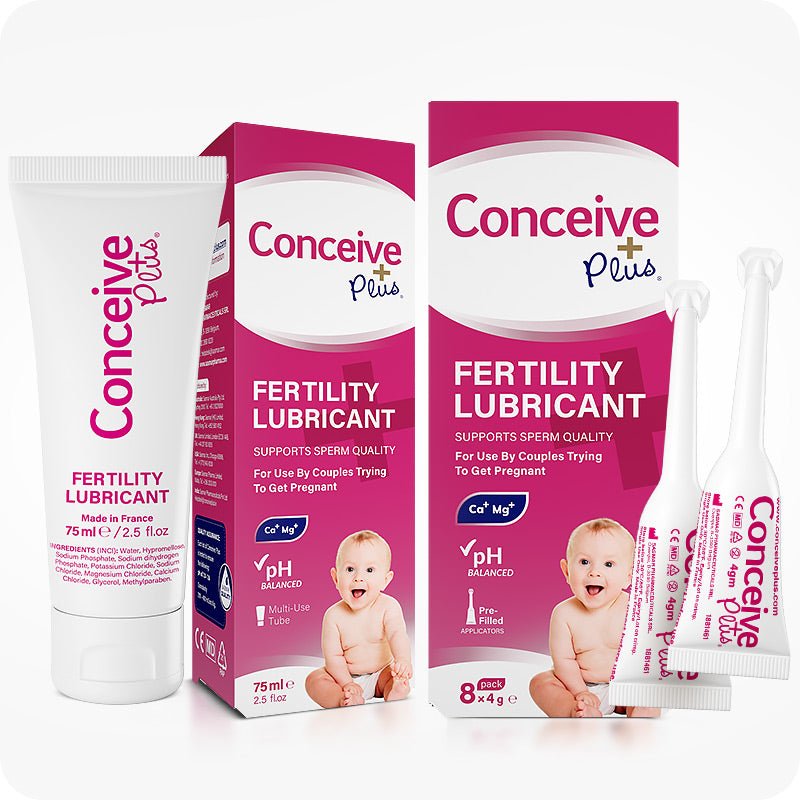
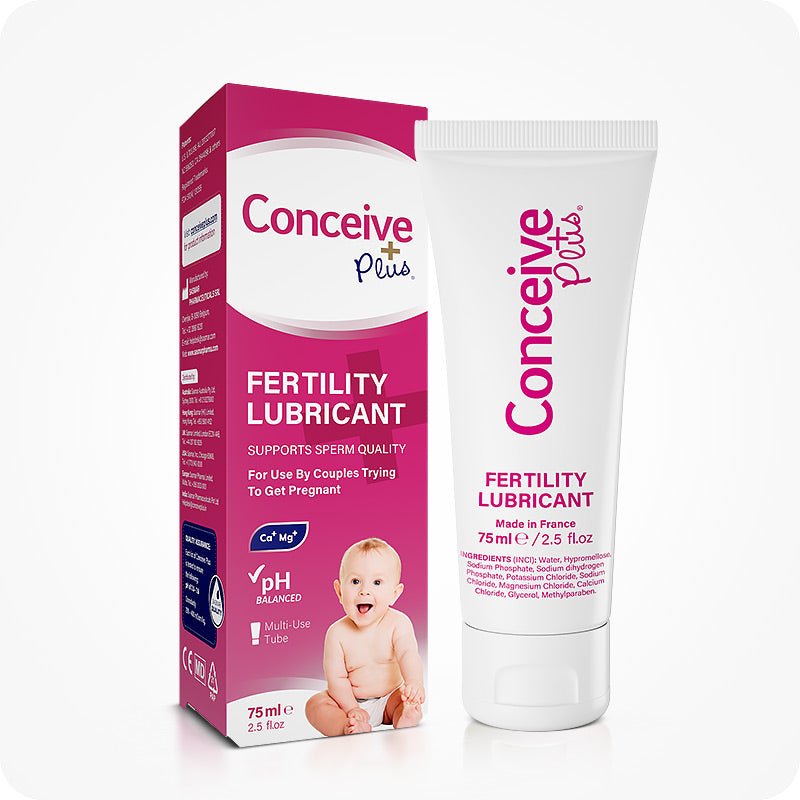
Thousands of Australian couples trust Conceive Plus to support their fertility journey. From ovulation support to men's supplements and fertility lubricants, our range is designed to complement your path to conception — whatever stage you're at.
Shop Conceive Plus Australia →