Miscarriage Recovery: A Complete Guide to Healing Your Body, Mind, and Fertility After Pregnancy Loss


Experiencing a miscarriage is one of the most emotionally and physically challenging events anyone can face. The journey through grief, healing, and hope is deeply personal, and there is no single "right way" to navigate it. However, understanding what happens to your body and mind after pregnancy loss, and knowing what steps can support your recovery, can make the path forward feel more manageable.
This guide offers compassionate, evidence-based information to help you heal—physically, emotionally, and hormonally—after a miscarriage. Whether the loss was recent or some time ago, whether this was your first pregnancy or one of several, you deserve support, understanding, and clear information about your fertility going forward.
Understanding Miscarriage: What Happens to Your Body
Miscarriage, medically termed spontaneous abortion, is the loss of a pregnancy before 20 weeks gestation. It is far more common than most people realise: approximately 10-20% of confirmed pregnancies end in miscarriage, and when very early losses (chemical pregnancies) are included, the rate may be as high as 30-50%. The vast majority of miscarriages occur in the first trimester.
Physically, a miscarriage involves the passage of pregnancy tissue from the uterus. This process can happen naturally, or it may be managed with medication or a minor surgical procedure called dilation and curettage (D&C). The physical experience varies greatly from person to person: some experience heavy bleeding and cramping over several days, while others have a more gradual process.
Hormonal changes after a miscarriage are significant. Your hCG (human chorionic gonadotropin) levels, which rise dramatically during early pregnancy, will drop back to non-pregnant levels over the following weeks. This hormonal shift can contribute to mood changes, fatigue, and other physical symptoms, including breast tenderness and nausea.
Your menstrual cycle typically resumes within 4-6 weeks after a miscarriage, though some women may take longer. The first period after a loss may be different from your usual cycle—heavier or lighter, more painful, or less regular. This is normal as your body re-establishes its hormonal rhythm.
The Emotional Journey of Healing After Loss
The emotional impact of miscarriage is profound and often underestimated by society. Grief after pregnancy loss can be complicated by the fact that many people may not have known you were pregnant, making the loss invisible to those around you. You may feel isolated in your grief, even when surrounded by supportive people.
There is no timeline for grieving a miscarriage. Some people find they feel ready to try again after a few weeks; others need months or longer. Both responses are completely normal. Common emotions include sadness, anger, guilt, anxiety about future pregnancies, and difficulty connecting with others who are pregnant or have new babies.
It is important to allow yourself to grieve in your own way. Some find comfort in naming their baby, creating a memory box, or marking the due date. Others prefer private reflection or redirecting their energy into physical activity, creative projects, or work. There is no right or wrong way to process your loss.
Professional support can be invaluable. A therapist who specialises in pregnancy loss or reproductive mental health can provide tools for navigating grief and anxiety. Support groups, both in-person and online, connect you with others who truly understand what you are going through.
Physical Recovery: What to Expect and When to Seek Help
Physical recovery after a miscarriage typically takes a few weeks. Bleeding may continue for 7-14 days, though some women spot for longer. You may experience cramping as your uterus contracts back to its pre-pregnancy size.
Signs that warrant medical attention include: soaking through more than one pad per hour, fever or chills, severe abdominal pain, foul-smelling discharge, or bleeding that continues beyond two weeks without lightening.
Most healthcare providers recommend waiting until your first normal period before trying to conceive again, though current evidence suggests that conceiving sooner may not increase risks. The American College of Obstetricians and Gynecologists advises that you are physically ready to try again after one normal menstrual cycle.
Taking a high-quality prenatal supplement is important during your recovery and preparation for future pregnancy. Conceive Plus Women's Fertility Support Supplements provide the nutrients your body needs to rebuild nutritional stores and prepare for a healthy future pregnancy.
When Can You Try Again?
The question of when to try again after a miscarriage is deeply personal. Medically, most doctors recommend waiting until after your first normal period. This allows for accurate pregnancy dating and gives your uterine lining time to rebuild.
Emotionally, the timeline is different. There is no wrong amount of time to wait. Research published in Human Reproduction Update found no increased risk of subsequent miscarriage in women who conceived within three months of a loss.
When you do decide to try again, consider these steps:
- Preconception check-up: Discuss your previous loss with your healthcare provider and ask about any testing or precautions.
- Prenatal supplements: Ensure you are taking a comprehensive prenatal vitamin with adequate folic acid (at least 400 mcg) and other key nutrients.
- Lifestyle optimisation: Focus on balanced nutrition, moderate exercise, stress reduction, and adequate sleep.
- Emotional readiness: Be honest with yourself and your partner about whether you feel emotionally prepared for another pregnancy.
For some women, supporting the body with targeted supplementation before trying again can make a meaningful difference. The Conceive Plus Ovulation Support Supplement Bundle provides myo-inositol, folic acid, vitamin D, and other nutrients that support healthy ovulation and prepare the body for conception.
✨ Support Your Journey with Women's Fertility Support Supplements
Every step of your fertility journey deserves the best possible support. Women's Fertility Support Supplements is formulated with evidence-backed ingredients at clinically studied doses to help you take control of your reproductive health with confidence.
Whether you are actively trying to conceive or preparing your body for the journey ahead, Conceive Plus products are developed alongside fertility specialists to complement your natural cycle and support optimal reproductive function.
Explore Conceive Plus →Nutrition After Miscarriage: Supporting Your Body's Recovery
Your body has been through a significant physiological event, and good nutrition is essential for recovery. Focus on nutrient-dense foods that support hormonal balance, tissue repair, and emotional well-being.
Iron-Rich Foods: Miscarriage involves blood loss, so rebuilding iron stores is important. Include lean red meat, spinach, lentils, fortified cereals, and pumpkin seeds. Pair with vitamin C sources (citrus fruits, bell peppers) to enhance absorption.
B Vitamins: Particularly folate, vitamin B6, and vitamin B12 are crucial for hormonal balance and energy production. Leafy greens, legumes, eggs, and fortified grains are excellent sources.
Omega-3 Fatty Acids: These healthy fats support brain health and mood regulation, which is especially valuable during the emotional recovery period. Fatty fish, walnuts, flaxseeds, and chia seeds are good sources.
Zinc and Selenium: These minerals are critical for immune function and reproductive health. Include nuts, seeds, seafood, and whole grains in your diet.
Antioxidant-Rich Foods: Berries, colourful vegetables, green tea, and dark chocolate help reduce inflammation and oxidative stress throughout the body.
Fertility After Miscarriage: What the Research Says
One of the most common concerns after a miscarriage is whether future fertility will be affected. For most women, a single miscarriage does not indicate an underlying fertility problem. Approximately 85% of women who have one miscarriage will go on to have a successful pregnancy.
Recurrent miscarriage, defined as two or more consecutive pregnancy losses, affects approximately 1-2% of couples and may warrant further investigation. Testing may include chromosomal analysis of both partners, uterine evaluation, hormonal testing, and assessment for blood clotting disorders.
For women who have had one miscarriage, the prognosis for future pregnancy is excellent. Most will conceive again within a year and go on to have a healthy pregnancy. The key is to focus on optimising overall health without letting anxiety about another loss overshadow the journey.
Supporting Your Partner Through Miscarriage
Miscarriage affects both partners, though they may process the loss differently. Partners often feel a need to be strong and supportive, sometimes at the expense of their own grief. Open communication about how each person is feeling is essential.
Partners can support each other by acknowledging the loss together, attending follow-up medical appointments, being patient with different grieving styles, and finding ways to honour the pregnancy that feels meaningful to both. Couples counselling can be helpful if communication becomes difficult or if grief creates distance in the relationship.
Frequently Asked Questions About Miscarriage Recovery
How long does it take to physically recover from a miscarriage?
Physical recovery typically takes 2-6 weeks. Bleeding usually stops within 7-14 days, and your first period should return within 4-6 weeks.
Can I get pregnant immediately after a miscarriage?
Yes, it is possible to ovulate and conceive as soon as two weeks after a miscarriage. Most doctors recommend waiting until after your first period for accurate dating, but there is no medical reason to wait longer if you feel ready.
Does a miscarriage affect future fertility?
For most women, a single miscarriage does not affect future fertility. Approximately 85% of women who experience one miscarriage go on to have a successful pregnancy.
When should I see a doctor after a miscarriage?
Seek medical attention if you experience heavy bleeding (soaking more than one pad per hour), fever, severe pain, or if bleeding continues beyond two weeks without lightening.
What causes miscarriage?
The most common cause of early miscarriage is chromosomal abnormalities in the embryo, which are random and not related to the parents' health. Most miscarriages cannot be prevented.
How do I cope with anxiety about another miscarriage?
Counselling, support groups, mindfulness practices, and open communication with your partner can help. Many women find that reaching certain pregnancy milestones reduces anxiety.
Can supplements help after a miscarriage?
A comprehensive prenatal supplement helps rebuild nutritional stores and prepare your body for a future pregnancy. Folic acid, vitamin D, iron, and omega-3s are particularly important.
What is recurrent miscarriage?
Recurrent miscarriage is defined as two or more consecutive pregnancy losses, affecting approximately 1-2% of couples. It may warrant further medical investigation.
How does miscarriage affect male partners?
Male partners also experience grief after miscarriage, though they may express it differently. Open communication and seeking support together can strengthen the relationship.
Healing after a miscarriage takes time, patience, and compassion—both from yourself and from those around you. Your body has an incredible capacity to heal and prepare for pregnancy again. When you feel ready, you can move forward with confidence, supported by good nutrition, medical guidance, and the knowledge that you are far from alone in this experience.
🌟 Take the Next Step with Confidence
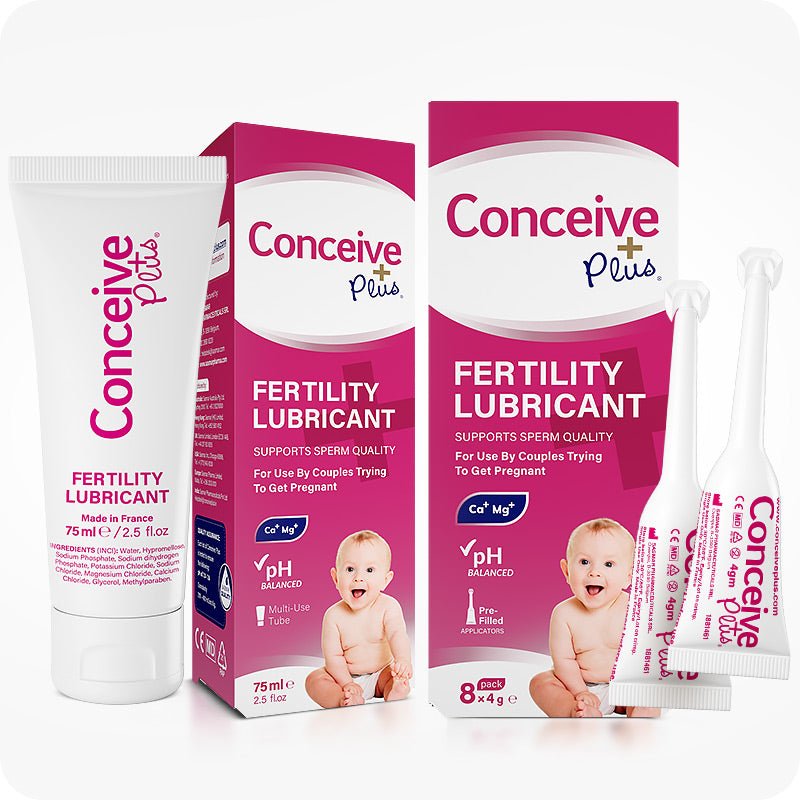
You have taken an important step by educating yourself about your fertility. Now pair that knowledge with products you can trust. Conceive Plus offers a complete range of fertility-supporting supplements and lubricants, all developed with scientific rigour and a deep understanding of what your body needs to conceive.
From ovulation support to male fertility and specialised fertility-friendly lubricants, every product is designed to give you the best possible foundation for conception.
Shop Conceive Plus →