Ovulation Tracking in Australia: Signs, Tests, Timing and Natural Fertility Tips


Ovulation Tracking in Australia: Signs, Tests, Timing and Natural Fertility Tips
Understanding when you ovulate is one of the most powerful steps you can take when trying to conceive. In Australia, where fertility awareness education is growing but gaps remain, many couples find their conception journey significantly improved by accurate ovulation tracking. This guide covers everything from recognising natural ovulation signs to choosing the right tests — and how Conceive Plus can support your fertility when you need it most.
Why Ovulation Tracking Matters When TTC in Australia
Australia has one of the highest rates of fertility treatment usage in the world, yet many couples who turn to IVF could conceive naturally with better timing and fertility awareness. According to the Australian Institute of Health and Welfare (AIHW), approximately 1 in 6 Australian couples experience fertility challenges — but a significant portion of these reflect timing errors rather than true infertility.
The female egg survives only 12–24 hours after release. Sperm, however, can survive up to 5 days in fertile-quality cervical mucus. This means your fertile window spans approximately 5–6 days, peaking in the 48 hours before and on ovulation day. Miss this window, and conception is impossible that cycle — regardless of how frequently you have intercourse during other parts of the month.
Ovulation tracking eliminates the guesswork and directs your efforts toward the days that truly matter.
Natural Signs of Ovulation: What Your Body Tells You
🌟 Ready to Optimise Your Fertility Journey?
Conceive Plus is trusted by couples worldwide and used in fertility clinics across 70+ countries. Designed with science, crafted for results.
Shop Conceive Plus Now →Your body provides reliable fertility signals each cycle. Here are the key signs to watch:
- Egg-white cervical mucus (EWCM): The most reliable sign. As oestrogen surges before ovulation, cervical mucus becomes clear, slippery, and stretchy — like raw egg white. This mucus actively helps sperm travel toward the egg. When you see EWCM, your fertile window is open.
- Basal body temperature (BBT) shift: After ovulation, progesterone causes a small but measurable rise in your resting temperature (typically 0.2–0.4°C). Charting BBT over multiple cycles helps identify your ovulation pattern.
- Ovulation pain (Mittelschmerz): About 20% of women feel a brief twinge or cramp on one side of the lower abdomen when the follicle ruptures. This mid-cycle pain can last minutes to hours.
- Libido increase: Many women notice heightened sexual desire around ovulation — an evolutionary design to promote reproduction at peak fertility.
- Breast tenderness: Hormonal fluctuations around ovulation can cause mild breast sensitivity.
- Spotting: Light bleeding or spotting occurs in some women as the follicle releases the egg. This is normal and different from implantation bleeding (which occurs 6–12 days post-ovulation).
Ovulation Testing Options Available in Australia
Beyond natural observation, testing provides objective confirmation of your fertile window:
LH urine test strips: Detect the luteinising hormone (LH) surge that triggers ovulation approximately 24–36 hours before egg release. Available at Chemist Warehouse, Priceline, Terry White, and online, these are the most accessible ovulation tests in Australia. They're inexpensive when purchased in bulk — look for brands like Premom or Wondfo for cost-effective options.
Digital OPKs: Brands including Clearblue offer digital readers that interpret the test line for you, showing a smiley face at high and peak fertility. These also detect oestrogen in addition to LH, giving a broader 4-day fertility alert. Available at major Australian pharmacies.
Fertility monitors: Advanced devices like the Clearblue Connected Fertility Monitor connect to an app and analyse multiple hormones across your cycle. These are particularly valuable for women with irregular cycles or after stopping hormonal contraceptives.
Progesterone testing: A blood test (Day 21 or 7 days post-ovulation) ordered through your GP or via private pathology confirms whether ovulation occurred. This doesn't predict ovulation but verifies it retrospectively.
Ultrasound follicle tracking: Transvaginal ultrasound performed by a fertility specialist or gynaecologist monitors follicle development and can pinpoint ovulation timing with the highest accuracy. Often used during fertility treatment cycles.
How to Combine Ovulation Signs for Maximum Accuracy
No single method is perfectly reliable every cycle. The most effective approach combines multiple tracking methods:
- Start LH testing from Day 8–10 (even with a 28-day cycle) to avoid missing an early LH surge
- Monitor cervical mucus daily — begin checking when your period ends
- Track BBT daily before rising from bed, at the same time each morning
- Record everything in an app (Ovia, Kindara, Premom, Clue, or Natural Cycles all have Australian users)
- Identify your personal pattern after 3–4 cycles of tracking — cycle length and ovulation timing are often consistent
When LH tests show a positive surge AND cervical mucus is EWCM, this is your highest-fertility signal. Have intercourse on this day and the day before the positive OPK.
Conceive Plus and Ovulation Support in Australia
Timing intercourse correctly is only part of the picture. The quality of the environment sperm enter matters enormously. Many Australian women use lubricants during intercourse without realising that standard products — including common brands found in Australian pharmacies and supermarkets — can damage sperm on contact.
Studies show common lubricants reduce sperm motility by 60–100% at standard usage concentrations. This effectively cancels out perfectly timed intercourse.
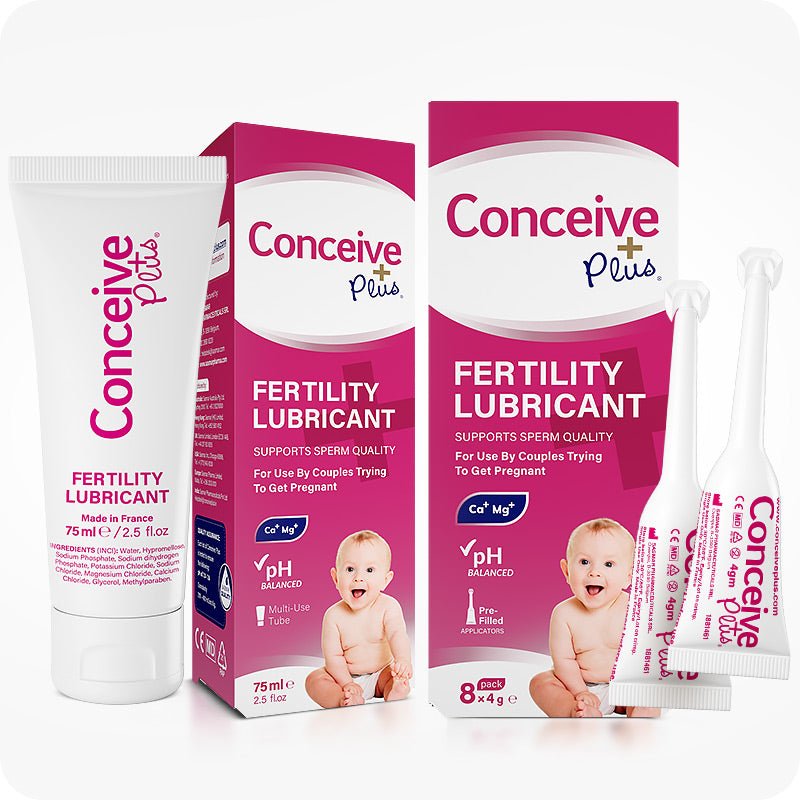
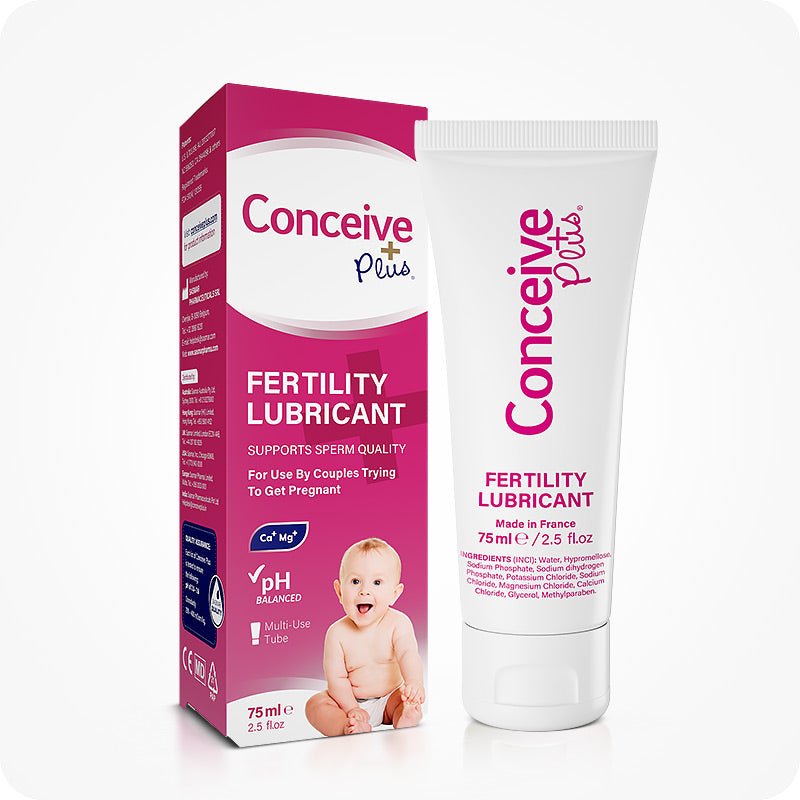
Conceive Plus is Australia's recommended sperm-safe lubricant. Formulated with calcium and magnesium ions that mirror the natural fertile environment, it's used in fertility clinics across 70+ countries. Its pH closely matches fertile cervical mucus (pH 7.0–8.5), creating optimal conditions for sperm function and travel.
Conceive Plus is available online at conceiveplus.com.au and through selected Australian pharmacies. It comes in tube format and pre-filled applicators — choose based on your preference for external or internal application.
Conceive Plus also manufactures ovulation support supplements specifically designed for women who want additional hormonal support alongside timing. These contain myo-inositol, D-chiro inositol, folate, vitamin D, and key minerals to support regular ovulation, particularly beneficial for women with PCOS or irregular cycles.
Ovulation and PCOS in Australia
Polycystic ovary syndrome (PCOS) affects approximately 1 in 10 Australian women of reproductive age and is a leading cause of irregular or absent ovulation. If you have PCOS:
- OPK results can be difficult to interpret, as LH levels may be chronically elevated or produce multiple surges without confirmed ovulation
- Cervical mucus patterns may be inconsistent due to hormonal imbalance
- BBT charting remains useful to retrospectively confirm ovulation
- Supplement support (inositol, vitamin D, N-acetyl cysteine) can help restore regular ovulation in some women
- Weight management, where appropriate, significantly improves ovulation frequency in PCOS
If you have PCOS and are TTC, discuss ovulation induction options with your GP or gynaecologist. Letrozole has become the first-line treatment in Australia for anovulatory PCOS (having replaced clomiphene as the preferred option based on updated evidence).
When to Seek Help for Ovulation Problems in Australia
In Australia, standard guidance suggests seeking GP referral after:
- 12 months of regular, well-timed intercourse without conception (if under 35)
- 6 months of trying (if 35 or older)
- Any age, if you have known PCOS, endometriosis, previous pelvic surgery, or irregular cycles
Your GP can order initial investigations on Medicare, including hormone panels and partner semen analysis. Referral to a fertility specialist at a public hospital clinic is available on Medicare with a wait (often 6–18 months). Private fertility clinics like Monash IVF, City Fertility, Genea, and IVFAustralia offer faster access but at higher cost.
FAQ: Ovulation Tracking in Australia
Q1: When does ovulation happen in a 28-day cycle?
In a textbook 28-day cycle, ovulation typically occurs around Day 14. However, this varies significantly between women and even between cycles for the same woman. Tracking methods identify your actual ovulation day rather than relying on the textbook estimate.
Q2: Can I ovulate during my period?
It's biologically possible but uncommon. Women with very short cycles (21 days or fewer) may ovulate during or immediately after menstrual bleeding, making "period sex" relevant to fertility.
Q3: How long after stopping the pill can I expect regular ovulation?
Most women resume ovulation within 1–3 months of stopping the combined pill. Some take up to 6 months. The mini-pill (progestogen-only) typically resolves faster. Tracking with OPKs from your first post-pill cycle helps identify when ovulation returns.
Q4: Is it accurate to use just an app to predict ovulation?
Apps that predict based only on past cycle length have limited accuracy (around 40–50% for any given cycle). Apps that incorporate real-time data (BBT, OPK results, symptoms) are significantly more reliable.
Q5: Can I get pregnant without knowing when I ovulate?
Yes — regular intercourse every 2–3 days throughout the cycle means sperm will frequently be present when ovulation occurs. But for couples who've been trying for several months without success, ovulation tracking directs effort to the highest-probability days.
Q6: Does stress affect ovulation in Australian women?
Yes. Significant psychological or physical stress can disrupt the hypothalamic signalling that triggers ovulation. This is why cycle length often varies during stressful periods. Stress management is genuinely relevant to fertility — not just emotionally, but hormonally.
Q7: What lubricant is safe to use when trying to conceive?
Only sperm-safe lubricants should be used when TTC. Conceive Plus is Australia's recommended choice — it's pH-balanced, contains supportive calcium and magnesium ions, and is available at conceiveplus.com.au.
Q8: Can ovulation happen more than once per cycle?
Multiple ovulations can occur within a 24-hour window (releasing more than one egg, which can result in fraternal twins), but a second distinct ovulation later in the cycle is extremely rare. After the progesterone rise, ovulation is biologically suppressed for the remainder of that cycle.
Q9: Do I need to see a fertility specialist to start ovulation tracking?
No. Ovulation tracking is something any woman can begin independently using OPKs, cervical mucus observation, and BBT charting. If tracking consistently shows no clear LH surge, no EWCM, or no BBT rise over 3+ cycles, this warrants a GP conversation.
Q10: Are there any Medicare rebates for fertility testing in Australia?
Yes. GP-ordered blood tests (hormone panels, progesterone) are covered under Medicare. Referral to a fertility specialist for initial consultation and investigations also attracts Medicare rebates. IVF cycles attract a Medicare rebate that offsets a portion of the clinic's fee. Check with Services Australia or your clinic for current rebate amounts.
💜 Take the Next Step With Conceive Plus
Whether you are just starting your TTC journey or you have been trying for a while, Conceive Plus offers clinically backed products to support every step. Join thousands of couples who have trusted Conceive Plus on their path to parenthood.
Explore Conceive Plus Products →