Fertility Supplements for Women: The Complete Australian Guide to What Actually Works


Fertility Supplements for Women: The Complete Australian Guide to What Actually Works
Walk into any Australian pharmacy or health food store and you'll find an overwhelming wall of fertility supplements — prenatal vitamins, ovulation support formulas, herbal blends, and "fertility boosters" making bold promises. So what does the science actually say? Which nutrients genuinely support conception, and which are marketing without substance?
This guide cuts through the noise with evidence-based information about the most important nutrients for female fertility, who needs them, and how to choose a supplement that actually delivers. Whether you're just starting your trying to conceive (TTC) journey or you've been at it for a while, getting your nutritional foundation right is one of the most impactful things you can do.
Why Fertility Supplements Matter: The Nutritional Foundation of Conception
Fertility is a highly nutrient-dependent process. Egg development (folliculogenesis), ovulation, fertilisation, early embryo development, and implantation all require a consistent supply of specific vitamins, minerals, antioxidants, and co-factors. Deficiencies in key nutrients don't just impact how you feel — they directly affect egg quality, hormonal balance, and uterine environment.
Australian data from the 2011–12 National Nutrition and Physical Activity Survey found that significant proportions of Australian women of reproductive age fall short of recommended intakes for key fertility-relevant nutrients including folate, iodine, zinc, iron, and vitamin D. Diet alone, even a healthy one, may not always provide optimal fertility-supporting levels of all critical micronutrients.
This is where a well-formulated fertility supplement becomes a valuable tool — not a replacement for a healthy diet and lifestyle, but a targeted complement to it.
The Most Important Fertility Nutrients for Women
Give your fertility journey the best foundation.
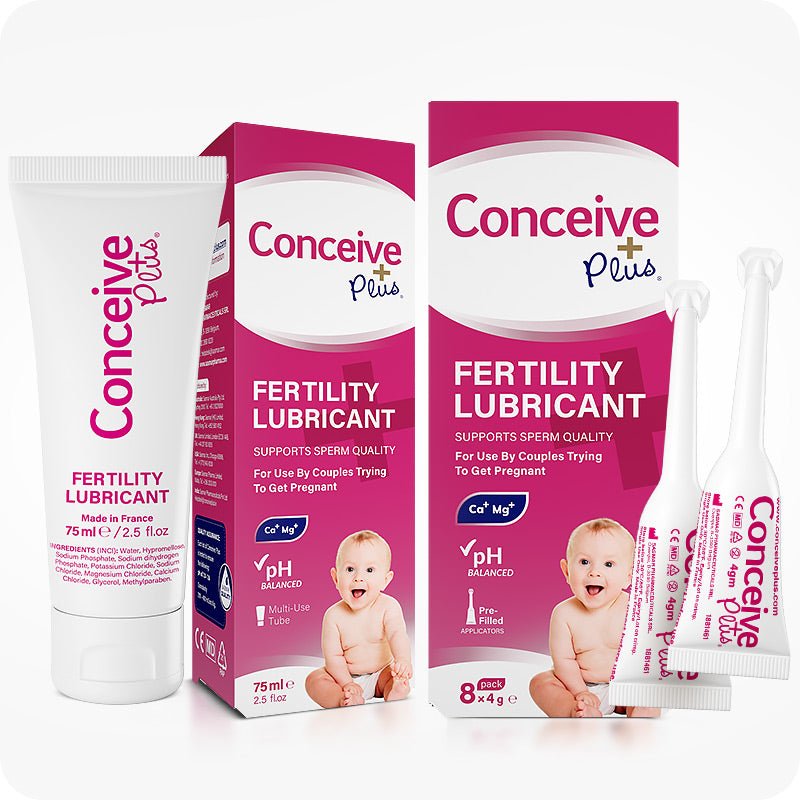
Conceive Plus fertility supplements are available across Australia. Shop now →
1. Folate (as Methylfolate)
Folate is the cornerstone of any fertility supplement. It plays essential roles in DNA synthesis, cell division, and early neural tube formation — processes that begin within days of conception, before most women even know they're pregnant.
Standard folic acid (the synthetic form) requires conversion in the body to its active form, 5-methyltetrahydrofolate (5-MTHF). Up to 40–60% of Australians carry MTHFR gene variants that impair this conversion. For these women, supplementing with pre-converted methylfolate is both more effective and safer — ensuring adequate folate status regardless of genetic variation.
Recommended intake: 500 mcg of methylfolate daily (above the standard 400 mcg recommendation, which is based on folic acid's bioavailability). Start at least 1–3 months before trying to conceive.
2. Vitamin D
Australia has a paradoxical vitamin D problem — despite abundant sunshine, vitamin D deficiency is common, particularly in southern states, among darker-skinned populations, and in people who spend most of their time indoors.
Vitamin D receptors are present on ovarian tissue, and vitamin D plays roles in follicular development, anti-Müllerian hormone (AMH) production, and implantation. Studies have consistently found that women with adequate vitamin D levels (25-OH vitamin D >75 nmol/L) have higher clinical pregnancy rates in IVF and better natural conception rates than deficient women.
Testing your vitamin D level (available through your GP on Medicare) before supplementing helps you calibrate the right dose — typically 1,000–2,000 IU daily for maintenance, higher for correction of deficiency.
3. CoQ10 (Ubiquinol)
Coenzyme Q10 is a fat-soluble antioxidant found in virtually every cell, where it plays a critical role in mitochondrial energy production. Eggs are the largest cells in the human body and have exceptional mitochondrial energy requirements — particularly during the final stages of maturation.
CoQ10 levels decline with age, and this decline is associated with reduced egg quality — one reason why age-related fertility decline becomes more pronounced after 35. Supplementation with ubiquinol (the reduced, more bioavailable form) at 200–600 mg/day has shown promise in improving ovarian response and egg quality, particularly in women over 35 or with diminished ovarian reserve.
4. Omega-3 Fatty Acids (DHA/EPA)
DHA (docosahexaenoic acid) is a structural component of cell membranes, including those of the oocyte and developing embryo. It is also critical for foetal brain and eye development. Adequate omega-3 status is associated with improved egg quality, reduced inflammation, and better pregnancy outcomes.
Many Australians consume insufficient omega-3s, particularly those who don't eat oily fish regularly. A minimum of 1–2 servings of oily fish (salmon, sardines, mackerel) per week is recommended alongside DHA/EPA supplementation of at least 500 mg/day.
5. Iodine
Iodine deficiency is a re-emerging public health concern in Australia. Iodine is essential for thyroid hormone production, and thyroid function is directly linked to fertility, ovulation regularity, and pregnancy maintenance. Subclinical hypothyroidism (often driven by iodine insufficiency) can impair fertility without causing obvious thyroid symptoms.
Pregnant women in Australia are recommended 220 mcg of iodine daily; supplementation should begin before conception. Many prenatal supplements contain only 150 mcg — check your label.
6. Iron
Iron deficiency anaemia is the most common nutritional deficiency among Australian women of reproductive age. Even sub-anaemic iron deficiency (low ferritin without overt anaemia) is associated with anovulatory infertility.
A serum ferritin level below 30 ng/mL warrants supplementation; below 70 ng/mL may still represent insufficient stores for optimal fertility. Have your iron and ferritin checked as part of your pre-conception blood work.
7. Zinc
Zinc is critical for follicular development, egg maturation, fertilisation, and early embryo division. It acts as a gatekeeper of the egg-to-embryo transition. Studies have found that zinc-deficient women have lower conception rates and higher risk of early miscarriage.
8. Myo-Inositol
Inositol is a naturally occurring carbohydrate with particular relevance to ovarian function and insulin signalling. For women with PCOS, polycystic ovaries, or insulin resistance, myo-inositol supplementation (4g/day) has been shown to improve ovulation rates, egg quality, and pregnancy outcomes. It is also beneficial for improving oocyte quality in women undergoing IVF.
What to Look For in an Australian Fertility Supplement
Not all supplements are created equal. Here's what differentiates an effective fertility supplement from an ineffective one:
- Active forms of nutrients: Methylfolate (not folic acid), methylcobalamin (not cyanocobalamin), ubiquinol (not ubiquinone), chelated minerals (better absorbed than oxides)
- Evidence-based dosing: Doses should reflect what clinical studies have shown to be effective, not token amounts
- TGA-registered products: Australia's Therapeutic Goods Administration (TGA) requires listed medicines (AUST L) to meet manufacturing quality standards — look for the AUST L number
- Transparent labelling: Full disclosure of all ingredients and amounts — no proprietary blends that hide effective doses
- No unnecessary fillers or allergens: Avoid artificial colours, hydrogenated oils, and common allergens where possible
Conceive Plus Women's Fertility Support is formulated to meet these criteria, with active nutrient forms in clinically relevant doses. Explore the full Conceive Plus range at conceiveplus.com.au/collections/fertility-supplements.
Fertility Supplements for Specific Situations
Women Over 35
Age-related fertility decline is driven primarily by declining egg quality, itself a function of mitochondrial dysfunction and accumulated oxidative damage. For women over 35, the emphasis shifts to antioxidant-heavy protocols: CoQ10 (ubiquinol at higher doses), vitamin E, vitamin C, alpha-lipoic acid, and resveratrol, alongside the complete foundational stack.
Women With PCOS
Inositol (4g myo-inositol + 400mg D-chiro-inositol daily), NAC, vitamin D, zinc, and chromium are the highest-priority additions to the standard fertility supplement stack for PCOS.
Women With Endometriosis
N-acetyl cysteine (NAC) and omega-3 fatty acids have anti-inflammatory properties that may support women with endometriosis. Some research supports curcumin for reducing endometriosis-associated inflammation, though doses required for effect are higher than culinary intake.
Women Preparing for IVF or IUI
Start a comprehensive fertility supplement protocol at least 3 months before the stimulation cycle to allow nutrients to accumulate in developing follicles. CoQ10 is particularly important given its role in egg energy metabolism during the 90-day follicular development period.
Women After Miscarriage
Folate, vitamin D, CoQ10, and omega-3s are particularly important after pregnancy loss. Some research also supports NAC for reducing early pregnancy loss risk by addressing oxidative stress and inflammatory contributors.
Herbal Supplements: What the Evidence Says
Many fertility supplements marketed in Australia include herbal ingredients. Here's the evidence landscape:
- Vitex agnus-castus (chasteberry): Some evidence for improving luteal phase deficiency and mild hyperprolactinaemia. Not recommended alongside hormonal medications.
- Maca root: Limited high-quality evidence for fertility outcomes; may support libido and energy
- Ashwagandha: Well-evidenced for stress reduction and hormonal balance; stronger evidence in male fertility but relevant for both partners
- Evening primrose oil: Sometimes recommended for improving cervical mucus in the follicular phase; limited clinical evidence
- Chinese herbal medicine: Complex traditional formulations; some evidence when prescribed by qualified TCM practitioners
Herbal supplements are not benign just because they are "natural" — many have pharmacological activity and potential interactions with medications. Always disclose supplements to your GP or fertility specialist.
When Supplements Aren't Enough: Seeking Fertility Support in Australia
Nutritional optimisation is a powerful foundation, but it works within the constraints of your underlying physiology. If you have not conceived after 12 months of regular unprotected intercourse (or 6 months if over 35), it's time to seek investigation.
Australian couples can access fertility investigation through their GP, who can order initial blood tests and semen analysis. Referral to a specialist fertility clinic (reproductive endocrinologist) is appropriate if initial tests identify abnormalities or after 6–12 months without conception.
Medicare rebates are available for many fertility investigations and IVF cycles under specific eligibility criteria. Speak with your GP or specialist about your entitlements.
FAQ: Fertility Supplements for Women in Australia
Q: When should I start taking fertility supplements?
A: Ideally 3 months before you start trying to conceive. Follicle development takes ~90 days, so nutrients you take now are building the eggs you'll ovulate in 3 months. Start as early as you can.
Q: Can I take fertility supplements and prenatal vitamins together?
A: This depends on the products. Check for nutrient overlap (particularly fat-soluble vitamins A, D, E, K) to avoid exceeding safe upper limits. Many fertility supplements are designed to transition into prenatal vitamins after conception.
Q: Is a higher-priced fertility supplement always better?
A: Not necessarily, but active forms of nutrients (methylfolate, ubiquinol, chelated minerals) are more expensive to manufacture than their inactive equivalents. Suspiciously cheap products often use inferior nutrient forms.
Q: Do I need to see a naturopath or can I choose supplements myself?
A: For standard fertility supplementation, self-selection based on evidence-based information is reasonable. If you have specific conditions (PCOS, thyroid issues, recurrent miscarriage), qualified guidance from an integrative GP or naturopath alongside conventional care adds value.
Q: Does my partner need to take supplements too?
A: Male factor issues contribute to approximately 50% of infertility cases. Your partner taking a comprehensive male fertility supplement (zinc, selenium, CoQ10, L-carnitine, antioxidants) can significantly improve your combined chances of conception.
Q: Are Conceive Plus supplements available in Australia?
A: Yes — Conceive Plus offers a comprehensive women's fertility supplement range available at conceiveplus.com.au/collections/fertility-supplements.
Q: Can I continue fertility supplements during early pregnancy?
A: Most fertility supplements are designed to transition safely into pregnancy. Always check with your midwife or GP. Some herbal ingredients are not recommended in pregnancy — Vitex, for example, should be stopped once pregnancy is confirmed.
Q: How long do fertility supplements take to work?
A: Allow at least 3 months for full effect, aligned with the 90-day follicle development cycle. Some benefits (hormonal balance, cycle regularity) may be apparent sooner.
Q: What's the most important supplement for fertility?
A: If you could take only one, methylfolate is the highest priority. But fertility is multi-nutrient — a comprehensive supplement provides far more value than any single ingredient.
Q: Are there any supplements I should avoid when trying to conceive?
A: Avoid high-dose vitamin A (retinol form, not beta-carotene) as it's teratogenic. Avoid herbal supplements not specifically cleared for pregnancy use. Avoid high-dose vitamin E (over 1000 IU/day). When in doubt, check with your healthcare provider.
Conclusion: Build Your Fertility Foundation
The right nutritional foundation doesn't guarantee pregnancy — no supplement can — but it meaningfully supports every biological process required for conception and a healthy early pregnancy. Methylfolate, vitamin D, CoQ10, omega-3s, iodine, iron, zinc, and inositol form the evidence-based core of female fertility supplementation.
Conceive Plus Women's Fertility Support delivers these nutrients in active, bioavailable forms at evidence-based doses — formulated for women who want to give themselves every scientific advantage on their journey to conception.
Start building your fertility foundation today: conceiveplus.com.au/collections/fertility-supplements.
Give your fertility journey the best foundation.
Conceive Plus fertility supplements are available across Australia. Shop now →