The Two Week Wait: Surviving and Thriving Through the 2WW After Ovulation


The Two Week Wait: Surviving and Thriving Through the 2WW After Ovulation
If you're trying to conceive, no period of time feels longer than the two week wait — the approximately 14 days between ovulation (or embryo transfer in IVF) and your pregnancy test. The TWW is emotionally intense, full of symptom-spotting, hope, and anxiety in equal measure. This guide gives you a science-backed, practical roadmap for the two week wait — what's actually happening in your body, what symptoms mean what, and how to protect your mental health while you wait.
What Is the Two Week Wait?
The two week wait (2WW or TWW) refers to the luteal phase of your menstrual cycle — the time between ovulation and either your expected period or a positive pregnancy test. In a 28-day cycle, ovulation typically occurs around day 14, with the luteal phase lasting approximately 12–16 days (the length of your luteal phase is actually more consistent than the follicular phase, which determines when ovulation happens).
During this phase, your ovaries produce progesterone to prepare the uterine lining for potential implantation. If a fertilised egg implants, the developing embryo begins producing hCG (human chorionic gonadotropin) — the hormone detected by pregnancy tests. If implantation doesn't occur, progesterone drops, triggering menstruation.
Implantation: What's Actually Happening During the 2WW
Shop Conceive Plus in Australia →
Understanding the biology of the two week wait helps contextualise every twinge and symptom you experience:
- Days 1–3 post-ovulation: If fertilisation occurred, the fertilised egg (zygote) begins dividing as it travels down the fallopian tube toward the uterus.
- Days 4–5: The developing embryo (now a morula) enters the uterine cavity.
- Days 6–10: The blastocyst hatches from its protective shell (zona pellucida) and begins the implantation process — burrowing into the endometrial lining. This is when implantation cramping or spotting can occur.
- Days 9–12: hCG levels begin rising. By day 10–12 post-ovulation, a sensitive pregnancy test may detect hCG, though false negatives are common this early.
- Day 14+: hCG levels double every 48–72 hours in a viable pregnancy; a standard pregnancy test should give a reliable result.
TWW Symptoms: What's Real and What's Progesterone?
This is the central challenge of the two week wait: almost every early pregnancy symptom is identical to a progesterone-driven luteal phase. Progesterone causes breast tenderness, bloating, fatigue, mild cramping, mood swings, and even nausea — all before a positive pregnancy test, and all regardless of whether implantation has occurred.
Symptoms That May Indicate Implantation
- Implantation bleeding: Light spotting (usually pink or brown) 6–12 days after ovulation, lasting 1–3 days. Occurs in approximately 25–30% of pregnant women but is often mistaken for an early period.
- Implantation cramping: Mild, short-lived cramping or twinges in the lower abdomen or one side — different in quality from menstrual cramping.
- Changes in cervical mucus: Some women notice increased or different-coloured discharge as the cervical mucus plug begins forming.
- Elevated basal body temperature (BBT) sustained beyond day 16: If you're charting, a sustained temperature rise beyond the typical luteal phase (16+ days) is a strong indicator of pregnancy.
Symptoms That Are Likely Just Progesterone
- Breast soreness and heaviness
- Fatigue and sleepiness
- Bloating and water retention
- Constipation (progesterone slows the GI tract)
- Mood swings and emotional sensitivity
- Mild nausea (less common pre-implantation, but can be progesterone-driven)
The bottom line: symptom-spotting during the 2WW is one of the least reliable ways to determine whether you're pregnant. The only definitive answer comes from a pregnancy test after sufficient hCG has accumulated — ideally at least 12–14 days post-ovulation.
When to Take a Pregnancy Test During the TWW
One of the most common questions during the two week wait is: "When can I test?" The answer depends on your test's sensitivity:
- 10 mIU/mL tests (most sensitive): May detect hCG as early as 8–10 days post-ovulation, but false negatives are common this early.
- 20 mIU/mL tests (standard): More reliable from day 11–12 post-ovulation.
- 25 mIU/mL tests (most common drugstore brands): Most reliable from the day of your expected period (approximately 14 days post-ovulation).
Our recommendation: If you can resist, wait until at least 12–14 days past ovulation to avoid the heartbreak of a false negative. Testing earlier than this on a regular sensitivity test often produces negative results even in genuine pregnancies, because hCG is still too low to detect.
How to Protect Your Mental Health During the Two Week Wait
The TWW is one of the most emotionally vulnerable periods of the conception journey. Here's how to navigate it with your wellbeing intact:
1. Keep Busy, But Not Distracted-Busy
There's a difference between meaningful activity (a project, a social outing, creative work) and anxious scrolling through fertility forums looking for symptom comparisons. The first supports mental health; the second typically amplifies anxiety.
2. Set a Testing Deadline
Agree with yourself (and your partner, if applicable) on the day you'll take a test — and commit to it. Having a clear endpoint reduces the temptation for daily early testing, which creates a cycle of emotional whiplash.
3. Limit Forum Exposure
Online TTC communities are invaluable for support and information, but two week wait forums specifically can become obsessive. The symptom comparison threads are largely noise — they confirm both positive and negative outcomes for every symptom imaginable.
4. Practice Self-Compassion
You cannot control the outcome of this cycle. You can only control what you do to support it (see the section below). The rest is biology. Anxiety, self-blame, and obsessive symptom monitoring do not improve outcomes — research consistently shows that moderate psychological stress does not prevent implantation.
5. Talk to Your Partner
Partners often feel powerless during the 2WW. Sharing your emotional state openly — and allowing them to share theirs — builds the kind of team resilience that sustains couples through long TTC journeys.
What to Do (and Not Do) During the Two Week Wait
Safe and Beneficial
- Continue prenatal vitamins and fertility supplements
- Gentle exercise: walking, yoga, swimming, light cycling
- Normal sexual activity (does not dislodge an embryo)
- Moderate caffeine (under 200 mg/day)
- Normal daily work and activities
- Staying hydrated and eating a balanced, nutritious diet
Avoid or Minimise
- Alcohol — even small amounts during the luteal phase may affect implantation
- High-intensity exercise, heavy weightlifting (especially after IVF transfer)
- Hot tubs, saunas, and very hot baths (raise core temperature)
- NSAIDs like ibuprofen (may interfere with prostaglandin-mediated implantation)
- Smoking and recreational drugs
- Extreme stress — not possible to eliminate, but worth minimising
What About Bed Rest?
Despite popular belief, bed rest after ovulation or embryo transfer does NOT improve pregnancy rates. Multiple randomised controlled trials have found no benefit to bed rest after IVF transfer, and natural conception certainly requires no special precautions after ovulation. Leading fertility societies (ASRM, ESHRE) explicitly advise against bed rest after transfer.
Fertility Supplements During the Two Week Wait
Continue your prenatal supplements throughout the 2WW. Key nutrients to maintain include:
- Methylfolate: Critical for early neural tube development — needs to be present from before conception through the first weeks of pregnancy
- CoQ10: Continues to support cellular energy in the early embryo
- Vitamin D: Supports immune tolerance of the embryo and endometrial receptivity
- Omega-3 fatty acids: Support the developing embryo's cell membranes
Conceive Plus fertility supplements provide comprehensive nutritional support for both the conception attempt and early pregnancy, including high-quality methylfolate and antioxidant nutrients. Continue taking them through the two week wait and beyond a positive result.
Shop Conceive Plus Fertility Supplements →
Using a Fertility Lubricant During Your Fertile Window
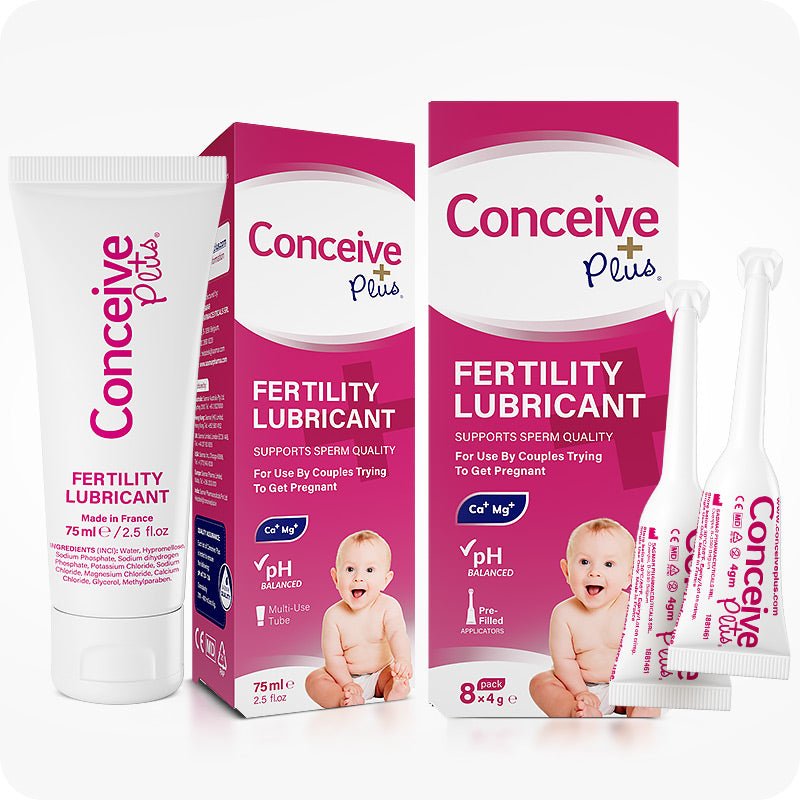
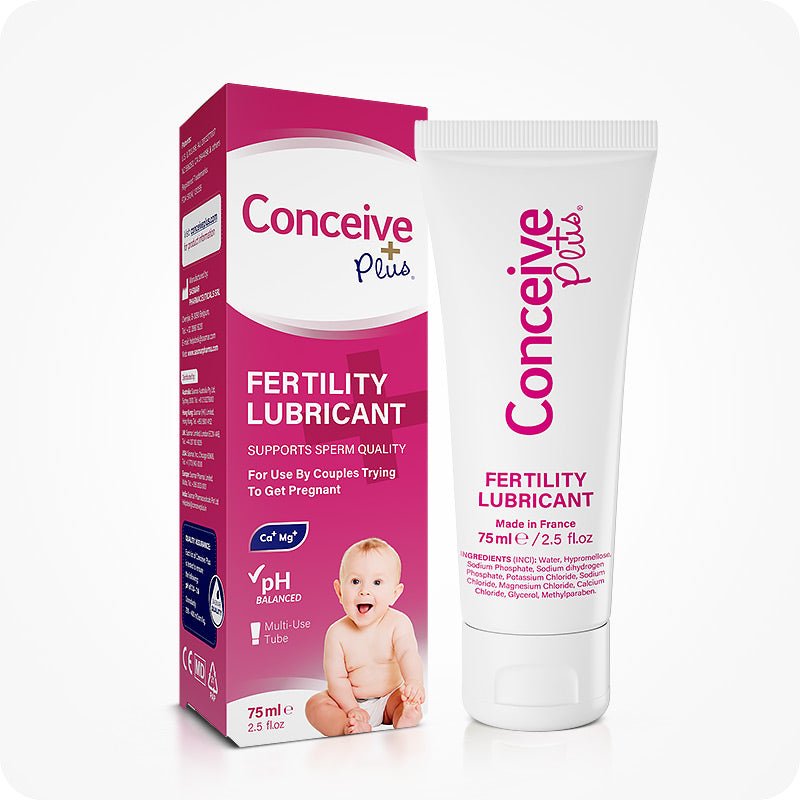
While the 2WW itself doesn't call for lubricant (intercourse has already occurred), the days leading up to ovulation are the time to use a high-quality fertility lubricant. Conceive Plus is Australia's leading fertility lubricant — formulated with a pH and osmolality that match fertile cervical mucus, plus calcium and magnesium ions that support sperm function. Using Conceive Plus during your fertile window helps ensure the sperm environment is optimal before the 2WW even begins.
Explore Conceive Plus Fertility Lubricant →
Frequently Asked Questions: The Two Week Wait
Q: Can stress during the 2WW prevent implantation?
A: Moderate stress does not prevent implantation. Extreme chronic stress can disrupt hormones, but typical TWW anxiety does not meaningfully affect your chances. Focus on what you can control, and let go of what you can't.
Q: Is it normal to have no symptoms during the 2WW?
A: Completely normal — many women who go on to have successful pregnancies experience no noticeable symptoms during the 2WW. The absence of symptoms does not predict a negative outcome.
Q: Can I exercise during the two week wait?
A: Yes. Gentle to moderate exercise is safe and beneficial. Avoid high-intensity exercise, especially after an IVF transfer. For natural cycles, there is no evidence that exercise during the 2WW affects implantation.
Q: What's the earliest a pregnancy test can be positive?
A: With the most sensitive tests (10 mIU/mL), some women get faint positives as early as 8–10 DPO. But many true pregnancies won't produce a detectable level of hCG until 12–14 DPO.
Q: I had a negative test at 10 DPO. Am I out?
A: Not necessarily. Late implantation (days 10–12) means hCG won't be detectable until 12–14 DPO. A negative at 10 DPO is common even in successful cycles. Wait until at least 14 DPO for a reliable result.
Q: Is spotting at 8 DPO bad?
A: Not automatically. Spotting at 6–12 DPO can be implantation bleeding. Brown or pink spotting that is lighter than a normal period is worth noting but not panicking about — test in 2–4 days for a clearer picture.
Q: Can I take ibuprofen for a headache during the 2WW?
A: It's best to avoid NSAIDs (ibuprofen, naproxen) during the 2WW as they may theoretically interfere with implantation. Paracetamol (acetaminophen) is the safer choice for pain relief.
Q: Should I eat pineapple core during the 2WW?
A: The bromelain-in-pineapple-core theory is popular online but has no clinical evidence supporting it. It won't hurt, but don't rely on it or stress if you don't eat it.
Q: How many cycles does it normally take to conceive?
A: In couples under 35 with no identified fertility issues, approximately 30% conceive in the first cycle, 75% within 6 months, and 90% within 12 months. If you haven't conceived after 12 months of regular unprotected intercourse (or 6 months if over 35), seek a fertility evaluation.
Q: What if this cycle doesn't work?
A: A single unsuccessful cycle is not a sign of infertility — it's a normal part of conception for most couples. Review your timing (ovulation confirmed?), consider optimising your supplement regime, and discuss with your GP if you've been trying over 12 months.
Moving Through the 2WW with Confidence
The two week wait is a test of patience as much as biology. You've done what you can — optimised your timing, taken your supplements, used your fertility lubricant during the fertile window, maintained a healthy lifestyle. The rest is in the hands of biology and time.
Whatever the outcome of this cycle, you are not alone. Thousands of Australian couples are on the same journey. Take it one day at a time, lean on your support network, and know that the path to parenthood — however long it takes — is one you're navigating thoughtfully and well.
Support Your TWW with Conceive Plus — Australia's Trusted Fertility Brand →