Sperm Health: The Complete Guide to Improving Male Fertility Naturally


Sperm Health: The Complete Guide to Improving Male Fertility Naturally
Sperm health is the foundation of male fertility—responsible for approximately 50% of all infertility cases, yet it receives far less attention and discussion than female fertility. The reality is that sperm health is highly responsive to targeted lifestyle changes, nutrition strategies, and evidence-based supplementation. New sperm are continuously produced on a 74-day cycle, meaning meaningful improvements in sperm health are achievable within three months of making the right changes.
Whether you've received a concerning semen analysis result, you're proactively preparing for conception, or you've been trying to conceive for several cycles without success, optimising sperm health is one of the highest-impact actions a man can take. This comprehensive guide covers every evidence-based strategy—from nutrition and supplementation to heat avoidance and environmental factors—that is proven to support sperm health.
Understanding Sperm Health: The Four Key Parameters
A standard semen analysis evaluates sperm health across four key parameters. Understanding what each means—and what affects each one—is the starting point for any sperm health improvement plan:
1. Sperm Count (Concentration)
The total number of sperm produced per ejaculate, or per millilitre of semen. WHO 2021 reference values establish ≥16 million/mL or ≥39 million total as the 5th percentile threshold. Lower counts (oligospermia) mean fewer sperm reaching the egg—reducing the probability of fertilisation per cycle.
2. Sperm Motility
The percentage of sperm that are moving, and the quality of that movement. WHO 2021 thresholds: ≥42% total motility, ≥30% progressive motility (moving forward). Poor motility (asthenospermia) means sperm cannot effectively navigate to the egg. Sperm health in terms of motility is one of the parameters most responsive to lifestyle changes and targeted supplementation.
3. Sperm Morphology
The percentage of sperm with normal shape (Kruger strict criteria). WHO threshold: ≥4% normal forms. Abnormal morphology (teratospermia) can impair the sperm's ability to penetrate the egg. Morphology is the parameter most sensitive to environmental exposures and oxidative damage to sperm health.
4. Sperm DNA Fragmentation
Often not included in standard semen analysis but increasingly recognised as critical to sperm health outcomes. High DNA fragmentation (>30%) is associated with fertilisation failure, early pregnancy loss, and poor IVF outcomes even when count, motility, and morphology are normal. Antioxidant supplementation most directly improves this sperm health parameter.
Lifestyle Factors That Damage Sperm Health
Discover Conceive Plus — scientifically formulated, clinically tested, trusted worldwide.
→ Shop Conceive Plus Now
Before optimising what you add to your sperm health regimen, eliminate the most impactful threats:
Heat Exposure — The Most Overlooked Sperm Health Threat
Sperm production (spermatogenesis) requires temperatures 2–4°C below core body temperature—this is why the testes are located outside the body. Even modest increases in scrotal temperature significantly impair sperm health. Key heat sources to avoid:
- Laptops placed directly on the lap (raises scrotal temperature by up to 2.7°C)
- Hot tubs, prolonged hot baths, and steam rooms
- Tight underwear and fitted jeans (especially synthetic fabrics)
- Heated car seats
- Prolonged sitting (desk jobs, long-distance driving)
- Occupational heat exposure (bakers, welders, long-haul drivers)
Switch to loose cotton boxer shorts—one of the simplest and most immediately impactful sperm health changes. Take regular standing breaks if you work a sedentary desk job.
Smoking — The Single Biggest Modifiable Sperm Health Factor
The evidence on smoking and sperm health is unambiguous. Smokers consistently show:
- 22% lower sperm concentration compared to non-smokers
- 31% lower sperm motility
- 23% higher sperm DNA fragmentation rates
- Significant increases in abnormal sperm morphology
The sperm health damage from smoking affects all four parameters simultaneously. Quitting is the single highest-impact sperm health action for current smokers—and improvement begins within weeks of cessation.
Alcohol — Dose-Dependent Sperm Health Effects
Excessive alcohol consumption reduces testosterone, impairs sperm production, and increases morphological abnormalities. For sperm health optimisation:
- Heavy drinking (>21 units/week): significant negative impact on all sperm health parameters
- Moderate drinking (7–14 units/week): measurable effects on testosterone and morphology
- Light drinking (1–6 units/week): minimal effects on sperm health parameters
- Abstinence for 3 months: optimal for maximising sperm health for conception
Anabolic Steroids — The Hidden Sperm Health Destroyer
Testosterone supplementation and anabolic steroids suppress the body's own hormonal signalling for sperm production, frequently reducing sperm count to zero (azoospermia) while on cycle. This is often not disclosed to fertility specialists. Recovery of sperm health after steroid cessation can take 12–24 months and is not guaranteed in all cases. Sperm banking before steroid use is critical for men who wish to preserve fertility.
Nutrition for Sperm Health: Evidence-Based Dietary Changes
The Mediterranean dietary pattern has the strongest and most consistent evidence base for supporting sperm health across all four parameters:
Foods that actively support sperm health:
- Walnuts: A UCLA randomised trial showed 75g/day of walnuts for 12 weeks improved sperm vitality, motility, and morphology. The omega-3 ALA and antioxidants in walnuts are key sperm health nutrients
- Tomatoes (cooked): Lycopene—a potent antioxidant found in cooked tomatoes—improves sperm morphology. Meta-analysis shows lycopene supplementation significantly improves sperm health parameters in infertile men
- Oysters and shellfish: The richest dietary source of zinc, critical for testosterone synthesis and sperm production. Sperm health depends on adequate zinc
- Dark leafy greens (spinach, kale): Rich in folate, which reduces sperm DNA fragmentation—a sperm health parameter not assessed in standard analysis but critically important
- Brazil nuts: Two Brazil nuts provide 140–175% of the daily selenium requirement. Selenium is a structural component of sperm flagella—the tail that drives motility. Sperm health depends on selenium for structural integrity
- Pomegranate juice: Clinical trials show pomegranate consumption reduces testicular oxidative stress and improves sperm motility and morphology
- Eggs: Complete protein plus vitamin D and choline; support general sperm health and provide amino acid building blocks for sperm proteins
- Dark chocolate (70%+): Flavanols improve vascular function throughout the body, including testicular blood flow supporting sperm health
Foods that harm sperm health and should be limited:
- Processed meats (sausage, salami, bacon): associated with 28% lower normal sperm morphology
- High-mercury fish: mercury concentrates in sperm cells. Avoid swordfish, shark, and king mackerel
- Full-fat dairy in excess: some evidence links high saturated fat intake to lower sperm health parameters
- Trans fats: strongly associated with lower sperm concentration
- High-sugar foods and refined carbohydrates: promote insulin resistance which disrupts testosterone and sperm production
Best Supplements for Sperm Health
These supplements have the strongest clinical evidence for improving sperm health parameters:
CoQ10 (Coenzyme Q10) — The Sperm Energy Supplement
CoQ10 is found in the mitochondria of sperm cells and is essential for the energy production that powers swimming. Multiple randomised controlled trials show 300–600mg/day of CoQ10 significantly improves sperm motility and concentration. The ubiquinol form (pre-reduced) is 3–4x more bioavailable than standard ubiquinone and is recommended for optimal sperm health benefit.
L-Carnitine — For Sperm Motility and Maturation
L-carnitine is among the most concentrated compounds in the epididymis—where sperm mature over 2–12 days after production. Sperm health in terms of motility is directly dependent on adequate L-carnitine for energy transport within cells. Clinical trials using 1–3g/day show significant improvements in progressive sperm motility, particularly in men with asthenospermia.
Zinc — The Testosterone and Sperm Production Mineral
Zinc is critical for testosterone synthesis, sperm production, and sperm DNA integrity. Zinc deficiency is associated with low sperm count and poor motility. For men with borderline or low sperm health parameters, zinc supplementation (25–50mg/day from all sources combined) consistently shows measurable improvements.
Selenium — For Sperm Structural Integrity
Selenium is incorporated into selenoproteins that form the structural scaffold of the sperm flagellum. Low selenium is associated with poor sperm motility and higher rates of morphological abnormalities. Target 100–200mcg selenium daily for sperm health—but avoid exceeding 400mcg (toxicity threshold).
Folate — For Sperm DNA Health
Folate is essential for DNA synthesis during sperm production. Men with low folate show significantly higher rates of sperm DNA fragmentation—the sperm health parameter most strongly linked to early pregnancy loss. 400–800mcg methylfolate daily supports sperm DNA integrity.
Vitamin C and E — Antioxidant Protection for Sperm Health
Reactive oxygen species (ROS) cause oxidative damage to sperm DNA and membranes—a major driver of poor sperm health. Combined vitamin C (500mg) and vitamin E (400IU) supplementation has been shown in RCTs to reduce sperm DNA fragmentation by up to 47% in men with high oxidative stress. For men with high DNA fragmentation, this combination is among the highest-priority sperm health interventions.
Exercise and Sperm Health
Physical activity has a nuanced relationship with sperm health:
- Optimal for sperm health: 150 minutes/week of moderate aerobic exercise (brisk walking, swimming, cycling at low intensity) + 2x/week resistance training
- Improves sperm health through: Testosterone optimisation, reduced adiposity, improved vascular function to testes, antioxidant enzyme upregulation
- Harmful to sperm health: Excessive endurance training (marathon running, >5 hours/week intense cycling) elevates cortisol, raises scrotal temperature, and can suppress testosterone
- Cycling caution: Perineal compression from narrow saddles raises scrotal temperature and compresses vascular structures. Use padded shorts, an ergonomic saddle, and take regular breaks for optimal sperm health
Environmental Toxins and Sperm Health
Environmental endocrine-disrupting chemicals (EDCs) are an increasingly recognised threat to sperm health:
- BPA: Found in polycarbonate plastics and can linings—linked to reduced sperm count, motility, and DNA integrity. Use glass, stainless steel, or BPA-free food storage for improved sperm health
- Phthalates: Plasticisers in food packaging, personal care products, and soft plastics—associated with poor sperm morphology. Choose phthalate-free personal care products
- Pesticides: Occupational exposure (agriculture, gardening) associated with significantly lower sperm counts. Eat organic where possible; wear appropriate protective equipment
- Non-stick cookware (PFAS): Per- and polyfluoroalkyl substances associated with reduced testosterone and sperm health impacts. Switch to cast iron or stainless steel
- Smartphone radiation: Emerging evidence suggests keeping phones in trouser pockets may affect sperm DNA—use jacket pockets or bags when possible
Frequently Asked Questions: Sperm Health
Q1: How quickly can I improve my sperm health?
The spermatogenesis cycle takes approximately 74 days. A committed sperm health programme—stopping smoking, eliminating heat exposure, beginning key supplements, improving diet—should show measurable improvement in a repeat semen analysis at the 3-month mark. Don't expect to see changes before this.
Q2: Can high sperm DNA fragmentation cause miscarriages?
Yes. This is an increasingly recognised area of sperm health research. High DNA fragmentation (>30%) is associated with fertilisation failure, poor embryo quality, and recurrent miscarriage. Antioxidant supplementation for 3 months is the primary intervention for improving sperm health in terms of DNA fragmentation.
Q3: Does age affect sperm health?
Men continue producing sperm throughout life, but sperm health gradually declines with age. DNA fragmentation rates increase significantly after 40, and genetic abnormalities in sperm become more common. Antioxidant supplementation and healthy lifestyle maintenance are the primary tools for preserving sperm health as age increases.
Q4: Is one semen analysis result definitive for sperm health assessment?
No. Sperm health shows significant variation between ejaculates depending on recent illness, stress, abstinence period, and other factors. The WHO recommends at least two semen analyses separated by 2–3 months for a reliable baseline assessment of sperm health. One poor result doesn't necessarily mean persistent poor sperm health.
Q5: Can varicoceles be treated to improve sperm health?
Yes. Varicoceles (enlarged testicular veins) are found in 35–40% of men investigated for infertility and impair sperm health through elevated testicular temperature and oxidative stress. Surgical correction (varicocelectomy) improves sperm health parameters in 65–70% of men, typically within 6 months.
Q6: Do lubricants affect sperm health during conception attempts?
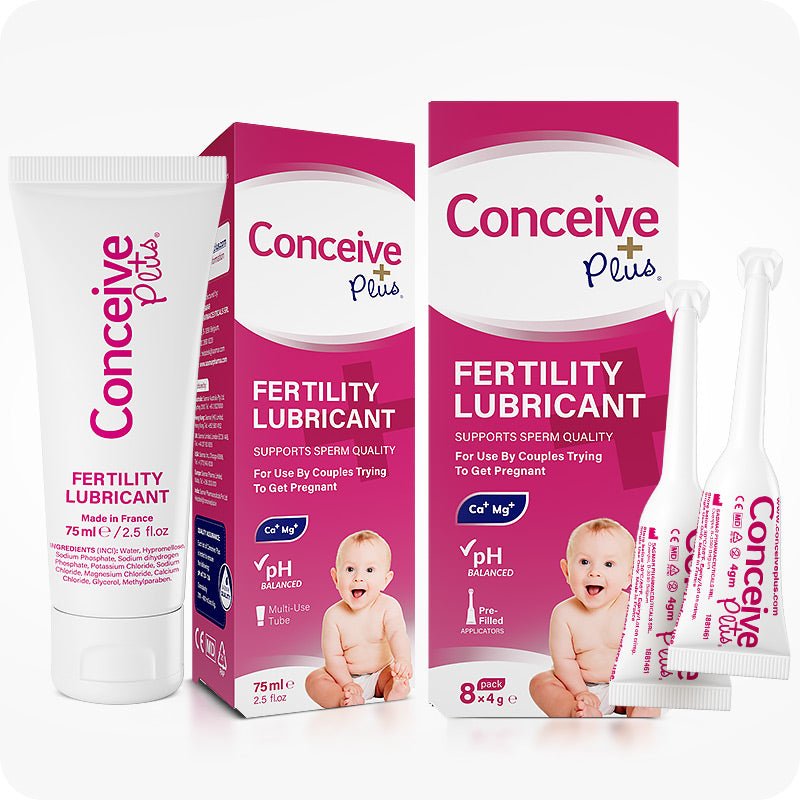
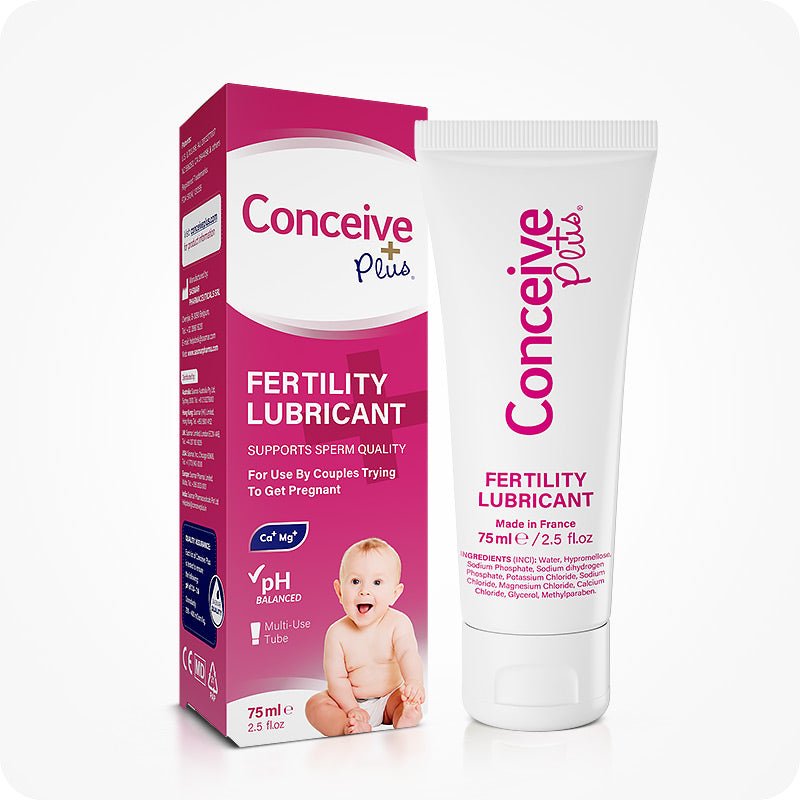
Yes—most standard lubricants significantly reduce sperm motility, directly impacting the sperm health you've worked to build. Studies show KY Jelly, saliva, and most household lubricants reduce sperm motility by 60–90%. Always use a fertility-specific, sperm-safe lubricant like Conceive Plus—formulated to protect rather than impair sperm health during conception attempts.
Q7: How does obesity affect sperm health?
Excess body fat increases oestrogen conversion through aromatisation, reducing testosterone and impairing sperm production. Scrotal temperatures also rise with increased perigenital adiposity. Weight loss in overweight men shows significant improvements in sperm health parameters—particularly count and motility.
Q8: Should both partners have testing before assuming it's a sperm health issue?
Absolutely. Male factor infertility contributes to approximately 50% of infertility cases, and both partners should be evaluated simultaneously rather than sequentially. A semen analysis is non-invasive and inexpensive—it should be one of the first tests performed when seeking infertility evaluation.
Join thousands of couples who have chosen Conceive Plus. Quality you can trust, results you can feel.
→ Explore Conceive Plus Products