Fertility Diet for Couples: Foods That Boost Conception Chances


Fertility Diet for Couples: Foods That Boost Conception Chances
What you eat shapes every aspect of your biology — including your fertility. Research over the past two decades has established a clear link between dietary patterns and reproductive outcomes, for both men and women. A well-designed fertility diet doesn't just support overall health; it directly influences egg quality, sperm parameters, hormonal balance, and the uterine environment that determines whether a fertilised egg successfully implants.
This comprehensive guide covers the scientific evidence behind dietary approaches to fertility, outlines the specific foods and nutrients that make the greatest difference, and provides practical guidance for Australian couples who want to give their conception journey the best nutritional foundation.
The Science: How Diet Affects Fertility
Reproductive biology is energetically expensive and nutritionally demanding. Egg development (oogenesis) takes approximately 90 days. Sperm production (spermatogenesis) similarly takes around 72–90 days. Both processes are highly sensitive to nutritional status, oxidative stress, and inflammatory load — all of which are powerfully modulated by diet.
Key mechanisms through which diet influences fertility include:
- Antioxidant defence: The ovaries and testes are metabolically active tissues with high oxidative stress. Adequate dietary antioxidants (vitamins C and E, selenium, zinc, CoQ10) protect eggs and sperm from free radical damage.
- Hormonal regulation: Insulin sensitivity is a central driver of reproductive hormones. High-glycaemic diets that drive chronic hyperinsulinaemia disrupt LH and FSH signalling, impair ovulation, and worsen conditions like PCOS.
- Inflammatory status: Chronic low-grade inflammation — driven by ultra-processed food consumption, excess saturated fat, and refined sugar — has been associated with endometriosis progression, implantation failure, and reduced semen quality.
- Mitochondrial function: Egg quality is fundamentally a mitochondrial story. Nutrients that support mitochondrial energy production — particularly CoQ10, B vitamins, and magnesium — directly influence the energy available for egg maturation and early embryonic development.
The Mediterranean Diet: The Most Evidence-Backed Fertility Pattern
Of all dietary patterns studied in relation to fertility, the Mediterranean diet has the strongest evidence base. This eating pattern — rich in vegetables, legumes, whole grains, oily fish, nuts, and olive oil, with moderate dairy and limited red meat and refined carbohydrates — has been associated with:
- Higher IVF success rates in multiple studies
- Better embryo quality in IVF cycles
- Reduced risk of ovulatory infertility
- Improved sperm count, motility, and morphology in men
- Lower rates of miscarriage
A 2018 study published in Human Reproduction found that women undergoing IVF who most closely followed a Mediterranean diet were 65–68% more likely to achieve a successful pregnancy and live birth than those in the lowest adherence group. This is a remarkable effect size for a dietary intervention.
The Mediterranean diet works because it delivers antioxidants, anti-inflammatory omega-3 fatty acids, fibre (supporting insulin sensitivity), and essential micronutrients — all within an eating pattern that is sustainable long-term.
Key Fertility Nutrients for Women
Beyond overall dietary pattern, specific nutrients have been identified as particularly important for female reproductive function:
Folate (methylfolate): Critical for neural tube development and DNA methylation. Adequate folate intake before and during early pregnancy significantly reduces the risk of neural tube defects. Folate is found in dark leafy greens, legumes, and fortified foods. The active form — methylfolate — is better absorbed by the significant proportion of women with MTHFR gene variants that impair standard folic acid conversion.
Coenzyme Q10 (CoQ10): An essential cofactor in mitochondrial energy production, CoQ10 declines with age. Studies show that supplementation can improve egg quality and embryo development, particularly in women over 35. Food sources include organ meats, oily fish, and whole grains, though supplementation is often needed to achieve therapeutic levels.
Vitamin D: Vitamin D receptors are present throughout the reproductive system, and deficiency is associated with PCOS, endometriosis, and reduced IVF outcomes. Australia has high UV levels year-round, yet vitamin D deficiency remains common — particularly among women who limit sun exposure. The main food sources are oily fish, egg yolks, and fortified dairy.
Iron: Non-haem iron from plant sources — found in legumes, tofu, pumpkin seeds, and fortified cereals — has been associated with reduced risk of ovulatory infertility. Pairing these foods with vitamin C-rich foods enhances absorption. Haem iron from red meat has been less clearly beneficial and in excess may increase oxidative stress.
Omega-3 fatty acids: Found primarily in oily fish (salmon, sardines, mackerel), omega-3s reduce inflammation, support hormone synthesis, and have been shown to improve egg quality and implantation success. The Dietitians Association of Australia recommends 2 serves of oily fish per week for all women of reproductive age.
Iodine: Essential for thyroid hormone production, which regulates metabolic rate and is critical for early embryo development. Australia's iodine intake has declined significantly in recent decades. Seafood, dairy, and iodised salt are the primary sources.
Key Fertility Nutrients for Men
Male fertility nutrition is often overlooked, but the evidence is clear: dietary quality significantly impacts semen parameters.
Zinc: Essential for sperm production, testosterone synthesis, and sperm motility. Zinc deficiency is one of the most common nutritional contributors to male infertility. Best food sources: oysters, red meat, pumpkin seeds, legumes, and nuts.
Selenium: This trace mineral is incorporated into sperm DNA-protecting proteins. Selenium deficiency is associated with increased sperm DNA fragmentation and reduced motility. Australia's soils vary in selenium content — fish, Brazil nuts, and eggs are reliable sources.
Lycopene: A carotenoid antioxidant found in tomatoes (especially cooked), watermelon, and pink grapefruit. Men with higher lycopene intake have consistently better sperm morphology in observational studies. Lycopene appears to protect sperm DNA from oxidative damage.
L-carnitine: An amino acid found in red meat and dairy, L-carnitine is essential for sperm energy metabolism. It is concentrated in the epididymis — where sperm mature and develop forward motility. Men with low sperm motility often have lower L-carnitine levels.
Vitamin C: A powerful antioxidant that protects sperm DNA from oxidative damage and maintains sperm motility. Men who smoke or are exposed to environmental toxins may have particularly high antioxidant requirements. Best food sources: citrus fruits, capsicum, kiwifruit, broccoli.
Foods to Prioritise on a Fertility Diet
Build your fertility diet around these food groups:
- Vegetables (especially dark leafy greens): Spinach, kale, broccoli, rocket, and silverbeet are packed with folate, iron, vitamin C, and phytonutrients. Aim for 5+ serves per day.
- Legumes: Lentils, chickpeas, beans, and edamame provide folate, iron, fibre, and plant protein. Replacing some animal protein with legumes has been associated with better ovulatory function.
- Oily fish: Salmon, sardines, mackerel, and herring deliver omega-3s, vitamin D, iodine, and selenium. Aim for 2–3 serves per week. Choose lower-mercury options (avoid swordfish, shark, and marlin).
- Nuts and seeds: Walnuts (rich in omega-3s), Brazil nuts (selenium), pumpkin seeds (zinc), and sunflower seeds (vitamin E) are excellent fertility nutrition-dense snacks.
- Whole grains: Brown rice, quinoa, oats, and whole grain bread maintain stable blood glucose and support insulin sensitivity — crucial for ovulatory regularity.
- Full-fat dairy: Some research suggests that full-fat dairy (milk, yoghurt, cheese) may be more beneficial for ovulatory function than low-fat dairy. Full-fat yoghurt also provides probiotics that support gut health and immune function.
- Colourful fruits: Berries, pomegranate, citrus, and kiwifruit deliver vitamin C, folate, and diverse antioxidants. Aim for 2 serves per day.
Foods to Limit When Trying to Conceive
The fertility diet is as much about what you remove as what you add:
- Ultra-processed foods: Chips, biscuits, takeaway meals, and packaged snacks are high in trans fats, refined carbohydrates, and additives — all associated with worse reproductive outcomes in both sexes.
- Sugar-sweetened beverages: Soft drinks, fruit juices, and energy drinks spike insulin and drive inflammation. Men who consume high amounts of sugary drinks have significantly lower sperm quality in observational studies.
- Trans fats: Found in some processed and fried foods, trans fats interfere with insulin signalling and are associated with increased risk of ovulatory infertility in women and reduced sperm quality in men.
- Excess alcohol: More than one standard drink per day for women is associated with reduced fertility. For men, heavy drinking reduces testosterone and impairs sperm production. Abstaining or minimising alcohol during conception attempts is prudent.
- High-mercury fish: Swordfish, shark, orange roughy, and marlin contain mercury levels that may affect foetal neurological development. These should be avoided once pregnant and limited when TTC.
Practical Meal Planning for Fertility
Turning these principles into daily eating habits is simpler than it sounds. A practical fertility-focused day might look like:
- Breakfast: Greek yoghurt with mixed berries, walnuts, and a drizzle of honey; or whole grain toast with avocado and a poached egg with spinach.
- Lunch: Large salad with leafy greens, chickpeas, roasted vegetables, pumpkin seeds, and grilled salmon; dressed with olive oil and lemon.
- Snack: A handful of Brazil nuts and mixed seeds, or hummus with carrot and capsicum sticks.
- Dinner: Grilled mackerel or sardines with roasted broccoli, sweet potato, and a quinoa side; or a lentil and vegetable curry served with brown rice.
- Dessert: Berries with a small serving of full-fat yoghurt.
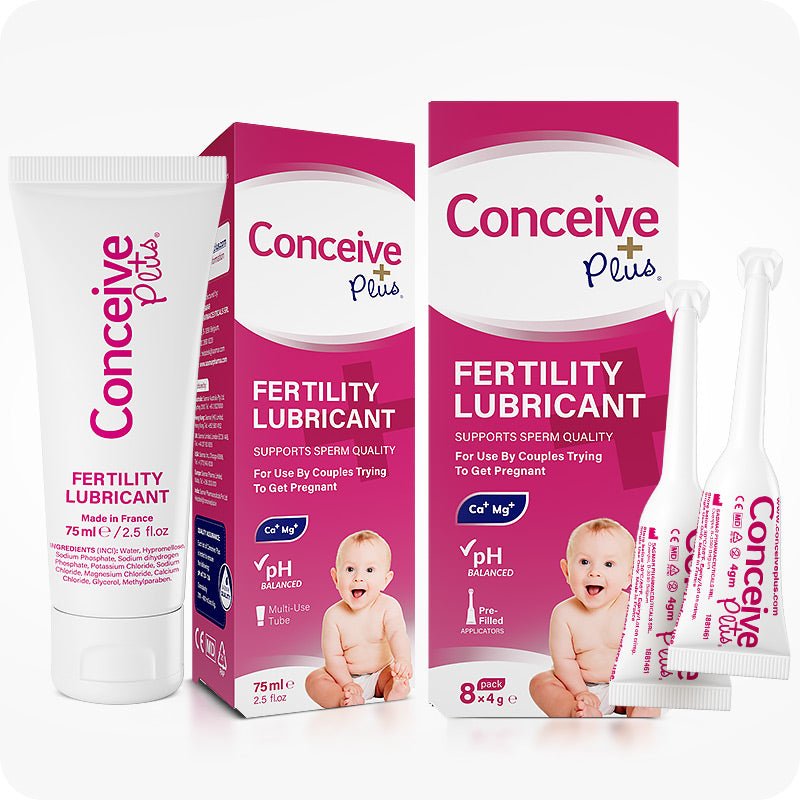
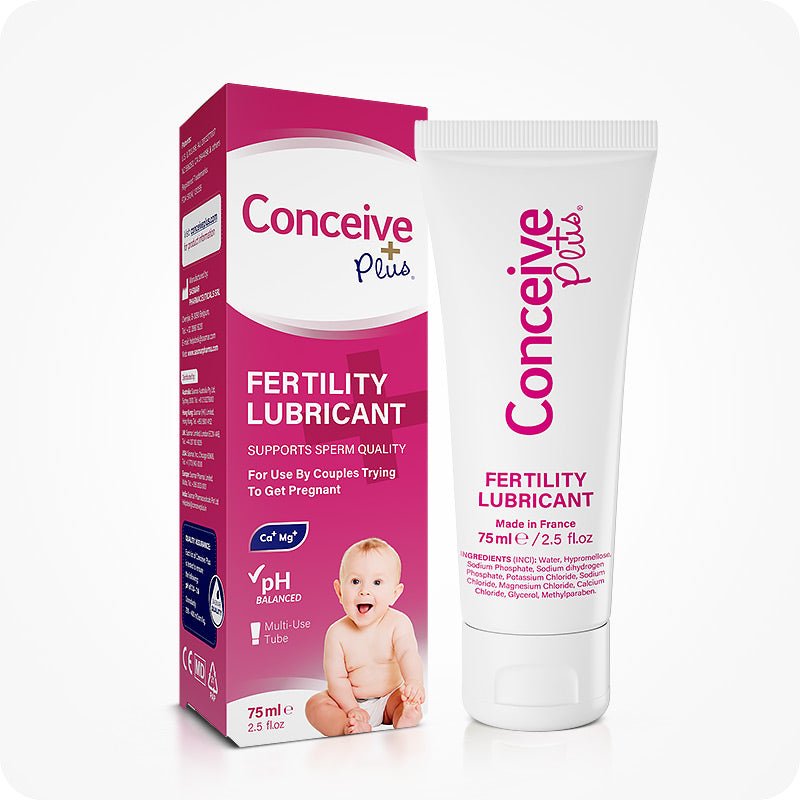
Supplements complement but do not replace dietary quality. If you're not hitting all your nutritional targets through diet alone — which most people aren't — consider a comprehensive fertility supplement from Conceive Plus, formulated to fill the gaps that diet cannot always close.
👉 Explore Conceive Plus Fertility Supplements — Supporting Australian Couples on Their TTC Journey
Frequently Asked Questions About the Fertility Diet
Q: How long does it take for dietary changes to affect fertility?
A: Egg development takes approximately 90 days (3 months) and sperm production takes a similar time. Meaningful improvements in egg quality and sperm parameters from dietary and lifestyle changes typically take 3 months to manifest. Start changes now for benefits in future cycles.
Q: Does weight affect fertility?
A: Yes, significantly. Both underweight (BMI below 18.5) and overweight (BMI above 25–30) are associated with reduced fertility in women, primarily through disruption of hormonal and ovulatory function. Even modest weight changes in the direction of a healthy BMI can restore ovulatory regularity.
Q: Is organic food better for fertility?
A: Some studies have found associations between pesticide exposure and reduced fertility. While the evidence is not definitive, choosing organic for the highest-pesticide crops (the "Dirty Dozen") and washing all produce thoroughly is a reasonable precaution when TTC.
Q: Can caffeine affect fertility?
A: High caffeine intake (more than 300mg/day, roughly 2–3 cups of coffee) is associated with longer time-to-pregnancy and may be associated with increased miscarriage risk. Limiting caffeine to 1–2 cups of coffee per day is a sensible precaution when TTC.
Q: Does a vegan diet affect fertility?
A: A well-planned vegan diet can support fertility, but attention to nutrients that are limited or absent in plant foods is essential: vitamin B12 (supplement required), omega-3s (algae-based DHA/EPA supplement recommended), zinc, iron, iodine, and calcium. Work with a dietitian if following a vegan diet while TTC.
Q: Are fertility supplements necessary if my diet is good?
A: Even with an excellent diet, it can be difficult to achieve optimal levels of folate, CoQ10, vitamin D, and other key fertility nutrients through food alone. A targeted fertility supplement provides a nutritional safety net and can help bridge gaps, especially for micronutrients with limited food sources.
Q: Is it important for my partner to change their diet too?
A: Absolutely. Up to 50% of fertility challenges have a male factor component. Improving sperm quality through diet takes the same 90 days as egg quality improvements. Both partners optimising their diet gives the best possible chance of conception each cycle.
Q: Can supplements replace dietary improvements?
A: No. Supplements work best in the context of a good overall diet. The synergistic effects of whole foods — the complex interactions between nutrients, fibre, and phytonutrients — cannot be replicated in supplement form. Use supplements to complement, not substitute, dietary quality.
Conclusion: Nourish Your Fertility from the Inside Out
A fertility diet is not about perfection — it's about consistently choosing foods that support your reproductive biology. The evidence is clear: dietary quality matters for both partners, and the changes you make today can meaningfully improve your chances of conceiving in the coming months.
Focus on vegetables, legumes, oily fish, whole grains, nuts, and seeds. Reduce ultra-processed foods, sugar, and alcohol. Ensure you're getting adequate folate, vitamin D, omega-3s, zinc, and selenium — through diet and supplementation where needed.
Conceive Plus supports Australian couples with a comprehensive range of fertility supplements designed to complement a fertility-focused diet. Whether you're at the start of your TTC journey or working through fertility challenges, nutrition is one of the most powerful tools in your arsenal.
👉 Shop Conceive Plus Fertility Supplements in Australia — Supporting Both Partners
Explore Conceive Plus Products — Trusted by Millions of Couples Worldwide →