Sperm Health: A Complete Guide to Understanding and Improving Male Fertility
Sperm Health: A Complete Guide to Understanding and Improving Male Fertility
When a couple is trying to conceive, the focus frequently falls on the woman — her cycle, ovulation, and reproductive health. But sperm health is equally critical. Research consistently shows that male factor infertility contributes to roughly 40–50% of all cases of infertility, and in another 20–30% of cases, both male and female factors are involved. In other words, sperm health is a central piece of the conception puzzle for at least half of all couples trying to conceive.
The good news is that sperm health is highly responsive to targeted interventions — diet, lifestyle, supplements, and environmental changes can produce measurable improvements in sperm parameters within 3 months. This guide covers everything you need to know about sperm health: what the key parameters mean, what affects them, and what you can do to optimise them.
Understanding Sperm Health: The Key Parameters
A semen analysis is the primary clinical test for male fertility. It evaluates several key parameters that together define sperm health:
Sperm Count (Concentration)
The total number of sperm per millilitre of semen. WHO reference values (2021) define a normal concentration as ≥16 million sperm/mL, with a total count of ≥39 million per ejaculate. Low sperm count (oligospermia) or no sperm (azoospermia) can significantly reduce the chances of natural conception.
Motility
The percentage of sperm that are moving, and the quality of that movement. WHO reference values define normal total motility as ≥42%, with at least 30% showing progressive motility (moving forward in a straight or curved line). Poor motility (asthenospermia) means sperm cannot efficiently navigate to the egg even if present in normal numbers.
Morphology
The shape and structure of sperm, assessed using Kruger strict criteria. Normal morphology is defined as ≥4% normal forms. Sperm with abnormal head, midpiece, or tail morphology are less capable of fertilising an egg. Teratospermia (very low normal morphology) can be a significant barrier to natural conception.
Volume
The total volume of semen per ejaculate (normal ≥1.4 mL). Very low volume can indicate ejaculatory duct obstruction or reduced contribution from the seminal vesicles. Very high volume can dilute sperm concentration.
DNA Fragmentation
Not part of a standard semen analysis but increasingly recognised as clinically important. Sperm DNA fragmentation index (DFI) measures the proportion of sperm with damaged DNA. A DFI above 15–25% is associated with reduced fertilisation rates, poor embryo development, and increased risk of miscarriage — even when standard parameters appear normal.
pH and Vitality
Normal semen is slightly alkaline (pH 7.2–8.0). Low pH can indicate absent or obstructed seminal vesicle contribution. Vitality (percentage of live sperm) should be ≥54% — important for interpreting low motility results.
What Affects Sperm Health? Key Factors
Ready to support your fertility journey?
Explore Conceive Plus — clinically formulated fertility support trusted by couples worldwide.
Sperm production (spermatogenesis) occurs continuously in the testes and takes approximately 64–74 days for a single sperm to mature. This means the sperm tested today reflects the environment of the testes from 2–3 months ago. Conversely, interventions made today will take 2–3 months to show in results.
The major factors affecting sperm health include:
- Age: Unlike women who are born with a fixed number of eggs, men produce sperm continuously throughout life. However, sperm quality does decline with age — after 40, increasing rates of DNA fragmentation, reduced motility, and declining concentration are observed. The children of older fathers also have a higher incidence of de novo genetic mutations.
- Temperature: Sperm production requires temperatures approximately 2–4°C below core body temperature, which is why the testes are located externally in the scrotum. Frequent hot baths, saunas, tight underwear, laptop use on the lap, and sedentary occupations can raise scrotal temperature and impair spermatogenesis.
- Smoking: Tobacco smoke exposes the testes to cadmium, nicotine, and other toxins that directly impair sperm production and increase DNA fragmentation. Meta-analyses confirm that smokers have significantly lower sperm counts, motility, and morphology than non-smokers.
- Alcohol: Chronic alcohol use suppresses testosterone production, damages Sertoli cells (which support developing sperm), and generates testicular oxidative stress. Even moderate drinking has been associated with reduced sperm quality in some studies.
- Diet: A diet high in processed foods, trans fats, and refined carbohydrates is associated with poorer sperm parameters. A Mediterranean-style diet rich in antioxidants, healthy fats, zinc, selenium, and folate is consistently linked to better sperm quality.
- Obesity: Excess body fat converts testosterone to oestrogen via aromatisation, directly suppressing testosterone levels and sperm production. Abdominal fat also raises scrotal temperature by increasing the insulating layer around the genitals.
- Stress: Chronic stress elevates cortisol, which suppresses testosterone production and activates oxidative pathways that damage sperm. Multiple studies have shown correlations between psychological stress markers and reduced semen quality.
- Varicocele: A varicocele (dilated veins in the scrotum) is found in about 40% of infertile men and is one of the most common correctable causes of male infertility. It raises testicular temperature and creates oxidative stress that impairs sperm production.
- Medications: Several commonly prescribed medications affect sperm production, including anabolic steroids (severely suppresses spermatogenesis), testosterone replacement therapy (causes azoospermia), certain antibiotics, calcium channel blockers, and chemotherapy agents.
- Environmental exposures: Pesticides, heavy metals (lead, cadmium, mercury), phthalates, BPA, and other endocrine-disrupting chemicals can impair sperm production and increase DNA damage. Occupational exposures are particularly relevant for men in agriculture, painting, welding, and chemical industries.
Diet and Lifestyle Changes That Improve Sperm Health
Because spermatogenesis is a continuous process, lifestyle modifications can produce meaningful improvements within one spermatogenic cycle (2–3 months). Evidence-based changes include:
- Eat the rainbow: Antioxidant-rich vegetables, fruits, nuts, seeds, and whole grains neutralize the oxidative stress that damages sperm DNA and cell membranes.
- Prioritise healthy fats: Omega-3 fatty acids (found in oily fish, walnuts, and flaxseed) are essential components of the sperm membrane and support both motility and morphology.
- Choose loose-fitting underwear: Switching from tight briefs to boxers can reduce scrotal temperature by 1–2°C — a meaningful reduction in the context of spermatogenesis.
- Limit heat exposure: Avoid saunas, hot tubs, and prolonged periods with a laptop directly on the lap during the 3 months before a conception attempt.
- Exercise moderately: Regular moderate exercise is associated with better sperm parameters. Extreme endurance exercise (marathon training, prolonged cycling) can temporarily suppress testosterone and worsen sperm parameters — balance is key.
- Reduce alcohol and eliminate smoking: The negative effects of both on sperm quality are well documented. Stopping smoking can produce measurable improvements in sperm DNA fragmentation within 3 months.
- Manage weight: Achieving a healthy BMI through diet and exercise improves testosterone levels and sperm parameters in overweight and obese men.
- Reduce stress: Incorporating stress management practices — exercise, adequate sleep, mindfulness, social connection — supports the hormonal environment needed for healthy spermatogenesis.
Supplements That Support Sperm Health
Targeted nutritional supplementation is one of the most practical and evidence-supported ways to improve sperm health. Key supplements include:
CoQ10 (Coenzyme Q10)
A powerful mitochondrial antioxidant, CoQ10 fuels sperm motility by supporting ATP production in the midpiece. Multiple randomized trials show CoQ10 supplementation (200–300 mg/day) significantly improves sperm concentration, motility, and morphology over 3–6 months.
Zinc
Zinc is found in the highest concentrations of any mineral in semen and is critical for testosterone production, sperm maturation, and chromatin (DNA) integrity. Zinc deficiency is directly associated with low sperm count and increased DNA fragmentation. Adequate zinc intake (11 mg/day, with supplementary 15–25 mg for fertility purposes) is essential for men trying to conceive.
Selenium
Selenium is a cofactor for glutathione peroxidase, the enzyme that protects sperm from oxidative damage. It is also incorporated into the structural proteins of the sperm flagellum — low selenium is associated with impaired motility. Clinical trials show selenium supplementation (100–200 mcg/day) can improve sperm motility within 3 months.
L-Carnitine
L-carnitine and its derivative acetyl-L-carnitine are found in high concentrations in the epididymis and are essential for sperm energy metabolism. They transport fatty acids into mitochondria for energy production, directly fuelling forward progressive motility. Meta-analyses show L-carnitine supplementation significantly improves motility and total sperm function scores.
Vitamins C and E
These classical antioxidants work synergistically to protect sperm from oxidative damage. Vitamin C has been specifically shown to reduce sperm DNA fragmentation. Vitamin E protects sperm membranes from lipid peroxidation. Together they provide broad-spectrum antioxidant protection at the sperm membrane and DNA level.
Folate
While most commonly discussed in the context of women's preconception nutrition, folate is also important for men. Low folate intake is associated with increased sperm DNA damage and higher rates of chromosomal abnormalities. Men are encouraged to ensure adequate folate intake (as methylfolate for best bioavailability) in the months before conception.
Conceive Plus Men's Fertility Support
Getting all of these nutrients in clinical doses from multiple separate supplements is expensive and complicated. Conceive Plus Men's Fertility Support combines the key evidence-backed nutrients — CoQ10, zinc, selenium, vitamins C and E, L-carnitine, lycopene, and B vitamins — into a single, comprehensive formula specifically designed for male fertility optimisation.
Conceive Plus sources the most bioavailable forms of each ingredient and uses dosages calibrated against clinical evidence — not the nominal "sprinkle" amounts common in general multivitamins. The formula is designed to be taken for a full 90-day spermatogenic cycle for optimal results.
👉 Shop Conceive Plus Men's Fertility Supplements — Australia's trusted fertility support brand.
When to See a Doctor About Sperm Health
While lifestyle and supplementation can make a meaningful difference, some causes of male infertility require medical assessment and treatment. Seek evaluation if:
- You have been trying to conceive for 12 months (or 6 months if your partner is over 35) without success
- A semen analysis shows significantly abnormal results
- You have a history of testicular injury, surgery, undescended testis, or cancer treatment
- You have symptoms of hormonal problems — very low libido, erectile dysfunction, gynaecomastia, loss of body hair
- You notice a varicocele (a feeling of heaviness or "bag of worms" sensation in the scrotum)
- There is no sperm in the ejaculate (azoospermia) — this may be treatable with surgical sperm retrieval
A urologist or andrologist specialising in male fertility can investigate further with blood tests (FSH, LH, testosterone, prolactin), genetic testing (karyotype, Y-chromosome microdeletion analysis), or testicular biopsy where indicated.
👉 Explore Conceive Plus Fertility Support — designed for Australian couples on their conception journey.
Frequently Asked Questions: Sperm Health
Q: How quickly can sperm health improve with lifestyle changes?
A: Because spermatogenesis takes approximately 64–74 days, most improvements from lifestyle and supplementation changes take 2–3 months to appear in a semen analysis. Starting at least 3 months before a planned conception attempt or IVF cycle is ideal.
Q: Can tight underwear really affect sperm count?
A: Yes, there is evidence supporting this. A 2018 Harvard study found that men who wore boxers had significantly higher sperm concentration and total sperm count compared to those who wore tight underwear, with the difference attributed to scrotal temperature effects on spermatogenesis.
Q: Does age affect sperm quality?
A: Yes. While men can produce sperm throughout life, quality does decline with age. Sperm DNA fragmentation, chromosomal abnormalities, and some morphological defects increase with paternal age. The impact is most pronounced after age 40–45. However, the decline is gradual and many men fathered healthy children well into their 50s and beyond.
Q: Does masturbation frequency affect sperm count?
A: For most men with normal sperm production, the body continuously produces new sperm and the impact is minimal. For men with borderline sperm counts, abstaining for 2–5 days before a semen sample or intercourse during the fertile window may slightly improve total sperm numbers. Excessively long abstinence (beyond 5 days) can increase the proportion of older sperm with higher DNA fragmentation.
Q: Can COVID-19 affect sperm health?
A: Multiple studies published since 2020 have shown that SARS-CoV-2 infection can temporarily impair sperm parameters — reducing count, motility, and morphology while increasing DNA fragmentation. Recovery typically occurs within 3–6 months, though some men with severe illness may experience more prolonged effects. If you had a significant COVID-19 illness, a semen analysis can assess your current sperm health.
Q: What does high sperm DNA fragmentation mean?
A: High DNA fragmentation (DFI above 15–25%) means a significant proportion of sperm carry damaged genetic material. This is associated with reduced fertilisation rates, poor embryo development, and increased miscarriage risk — even when standard parameters like count and motility appear normal. Antioxidant supplementation, lifestyle changes, and in some cases surgical sperm retrieval (which tends to have lower fragmentation than ejaculated sperm) can help.
Q: Is azoospermia (no sperm) treatable?
A: It depends on the cause. Obstructive azoospermia (blockage preventing sperm from leaving the body) can sometimes be corrected surgically, or sperm can be retrieved directly from the testes (TESA/TESE) for use in IVF/ICSI. Non-obstructive azoospermia (failure of sperm production) is more complex and may be hormonal (sometimes treatable with medical management) or genetic (Klinefelter syndrome, Y-chromosome deletions). A specialist assessment is essential.
Q: Do steroids affect sperm count?
A: Yes, profoundly. Anabolic androgenic steroids (AAS) suppress the hypothalamic-pituitary-testicular axis, dramatically reducing natural testosterone and sperm production — often to zero. Recovery can take 6 months to 2 years after cessation. Similarly, testosterone replacement therapy (TRT) almost always causes azoospermia while being taken. Men wishing to maintain fertility should discuss alternatives with their doctor before starting TRT.
Q: What role does the female environment play in sperm survival?
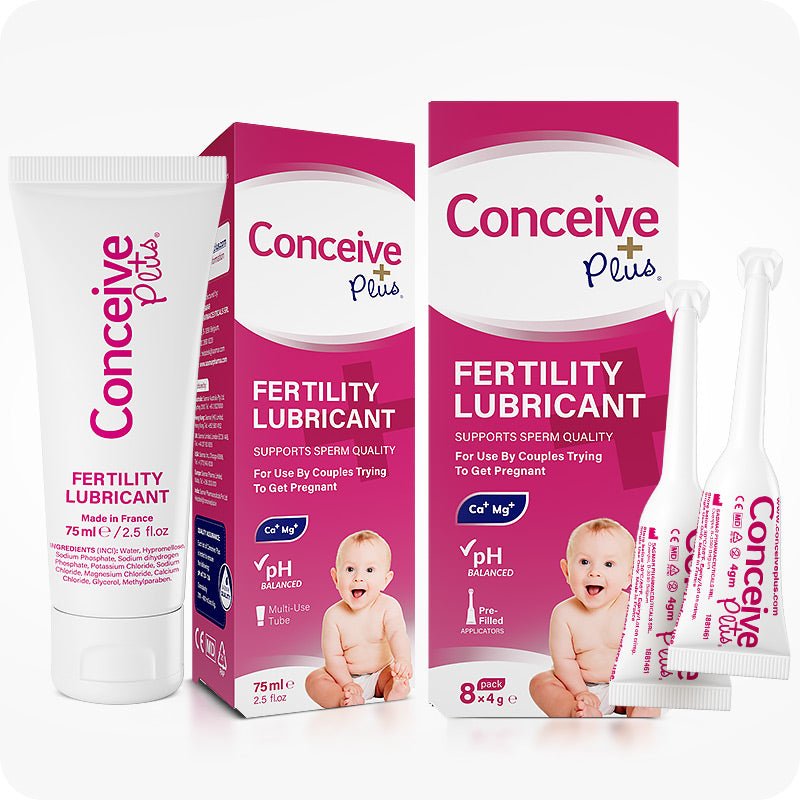
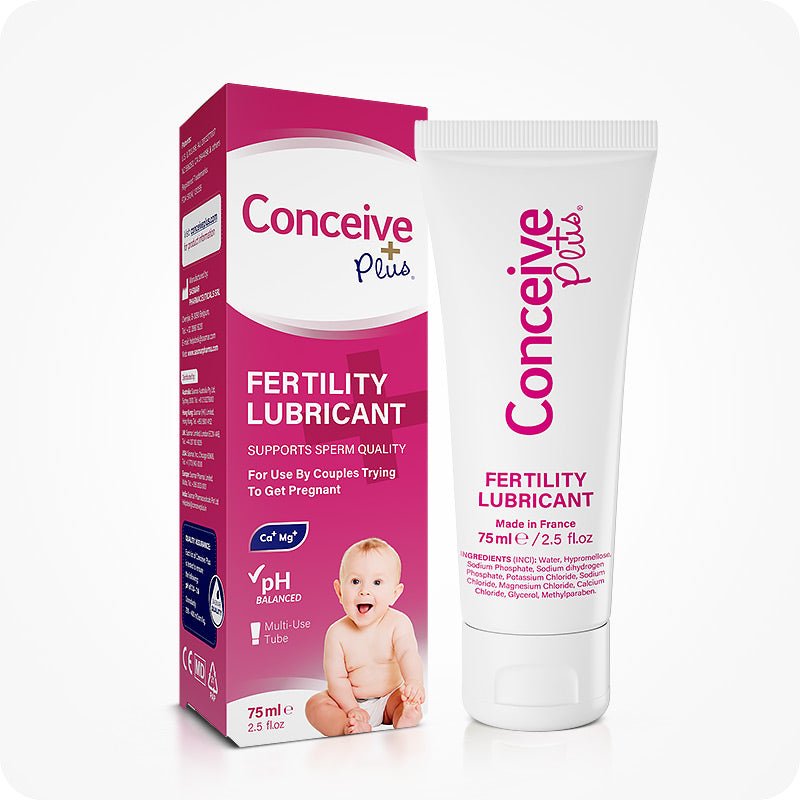
A: Sperm must survive the vaginal environment (normally acidic, pH 3.5–4.5), navigate through cervical mucus, travel through the uterus, and reach the fallopian tubes where fertilisation occurs. Most sperm die in the acidic vaginal environment. Fertile-quality cervical mucus helps neutralise the pH and provides channels for sperm to travel. Using a sperm-friendly lubricant maintains optimal pH and osmolality to support sperm during intercourse.
Start Your Fertility Journey with Conceive Plus
Science-backed fertility support for both partners — lubricants, supplements, and ovulation aids trusted by couples worldwide.
Shop Conceive Plus Now →