Miscarriage Recovery: How to Heal and Prepare Your Body for Pregnancy After Loss


Miscarriage Recovery: How to Heal and Prepare Your Body for Pregnancy After Loss
Experiencing a miscarriage is one of the most painful events a person can go through — physically, emotionally, and psychologically. If you've recently suffered a pregnancy loss, you may be wondering what happened, whether it will happen again, when it's safe to try again, and how to best support your body and mental health through the recovery process. This guide is designed to give you honest, evidence-based answers to the questions that matter most during miscarriage recovery.
Understanding What Happened: Why Miscarriages Occur
Miscarriage is the most common complication of pregnancy, affecting approximately 10-20% of known pregnancies (and likely more, as many losses occur before a missed period is recognised). The majority of miscarriages — approximately 50-60% — are caused by chromosomal abnormalities in the embryo. These are random errors during cell division that result in an embryo that cannot develop normally. They are not caused by anything the mother did or didn't do.
Other causes include:
- Hormonal imbalances — particularly low progesterone, uncontrolled thyroid disease, or elevated prolactin
- Uterine abnormalities — fibroids, polyps, septum, or adhesions that affect implantation or blood supply
- Immune factors — antiphospholipid syndrome (APS) causes blood clots in placental vessels
- Cervical incompetence — the cervix opens too early in second trimester
- Lifestyle factors — heavy smoking, alcohol, illicit drug use, extreme stress
- Paternal factors — increasing evidence suggests that sperm DNA fragmentation and certain sperm abnormalities contribute to miscarriage risk
Understanding the cause matters enormously for miscarriage recovery and future pregnancy planning. If you have experienced recurrent miscarriage (two or more losses), investigation is warranted and can often identify treatable causes.
Physical Recovery: What to Expect After a Miscarriage
Ready to support your fertility journey?
Shop Conceive Plus Fertility Support →Physical recovery timelines vary depending on how far along the pregnancy was, whether the miscarriage was complete, incomplete, or required medical management or surgical intervention (ERPC/D&C).
Bleeding and Physical Healing
Most women experience vaginal bleeding for 1-2 weeks after a miscarriage. This should gradually decrease from red/pink to brown/dark discharge as the uterus clears. Heavy bleeding (soaking more than one pad per hour for 2+ consecutive hours), severe pain, fever, or foul-smelling discharge warrant immediate medical attention as they may indicate incomplete miscarriage or infection.
Return of Periods
In most cases, the first period returns 4-6 weeks after a miscarriage. However, this can vary from 3 weeks to 8+ weeks depending on how far along the pregnancy was and individual hormonal recovery. Ovulation typically occurs 2-4 weeks before the first period — meaning you may be fertile sooner than you expect.
When Pregnancy Tests Return to Negative
hCG (the pregnancy hormone) takes time to clear from the body after a miscarriage. Levels should fall by about 50% every 48-72 hours. A home pregnancy test may remain positive for 1-4 weeks after a complete miscarriage. If levels aren't falling appropriately, this may indicate retained tissue and should be investigated.
Surgical Intervention Recovery
If you had an ERPC (evacuation of retained products of conception) or D&C, physical recovery is typically faster — most women feel physically recovered within a few days. However, the uterus needs time to rebuild the endometrial lining, which is why a waiting period before trying again is sometimes recommended (though evidence suggests this is not medically necessary in most cases).
The Emotional Recovery: Grief, Anxiety, and Finding Your Way Through
The emotional experience of miscarriage is profoundly individual. There is no "right" way to grieve a pregnancy loss. Many women describe a combination of grief, sadness, guilt, anger, and anxiety — sometimes alongside relief if the pregnancy had been complicated or unwanted, which itself can bring additional guilt.
Validating the Loss
One of the most important aspects of miscarriage recovery is having your loss acknowledged and validated. Miscarriage is often treated as a private matter, and the cultural silence around it can leave couples feeling isolated. In Australia, approximately 1 in 5 known pregnancies ends in miscarriage — it is far more common than most people realise, which is why many advocates and health organisations now encourage open conversation about pregnancy loss.
Partner Grief
Partners often grieve differently and at different timelines. They may feel pressure to "be strong" while the physical partner is recovering, suppressing their own grief in the process. Both partners should have space to acknowledge and process their loss. Couples counselling or miscarriage-specific support groups can be invaluable for navigating grief together.
Subsequent Pregnancy Anxiety
One of the most common and difficult aspects of trying again after miscarriage is the anxiety that accompanies a subsequent pregnancy — often described as a "pregnancy after loss" (PAL). Every symptom is hyper-scrutinised, every cramp causes panic, and the joy of a positive test is often overshadowed by fear of losing again. This is entirely normal, and additional support from a counsellor, midwife, or PAL support group can make a significant difference.
Resources available in Australia include:
- Sands Australia (stillbirth and neonatal death support, also covers miscarriage)
- Bears of Hope (pregnancy and infant loss support)
- Your GP for mental health care plans and specialist referrals
When Can You Try Again After Miscarriage?
This is one of the most frequently asked questions during miscarriage recovery, and the answer has evolved significantly. For years, the standard advice was to wait three months (three normal menstrual cycles) before trying again. This recommendation was largely based on logistical concerns about accurate dating of a subsequent pregnancy, not medical evidence about outcomes.
A large WHO-supported study published in The Lancet found that women who conceived within six months of a miscarriage had the best outcomes — lower rates of subsequent miscarriage, lower risk of preterm birth, and better overall pregnancy outcomes compared to women who waited longer. The six-month window appeared protective, and there was no evidence that waiting three cycles improved outcomes.
Current evidence-based guidance from the Royal Australian and New Zealand College of Obstetricians and Gynaecologists (RANZCOG) does not mandate a waiting period after an uncomplicated first-trimester miscarriage. The advice is to wait until you feel physically and emotionally ready — and until your body has had at least one normal period (so you can accurately date the new pregnancy).
Exceptions where waiting longer may be appropriate:
- After a molar pregnancy — requires monitoring until hCG returns to normal
- After septic miscarriage — until infection is fully resolved
- After late miscarriage or stillbirth — may benefit from additional medical review first
- If investigations are planned — it may be worth waiting for results before trying again
Preparing Your Body for Pregnancy After Loss
Once you've decided you're ready to try again, there are several evidence-based steps to prepare your body optimally for a healthy subsequent pregnancy.
Nutritional Optimisation
Start or continue a high-quality prenatal vitamin with methylfolate (not folic acid) at least 3 months before trying again. Folate prevents neural tube defects and supports healthy DNA replication from the earliest cell divisions — before most women even know they're pregnant. Choose a prenatal with methylfolate if you have or suspect the MTHFR gene variant.
Key nutrients to prioritise during miscarriage recovery and TTC preparation:
- Folate/methylfolate — 400-800mcg daily (higher doses if recurrent miscarriage)
- Vitamin D — aim for serum levels >75 nmol/L; supplement based on blood test results
- Iron — blood loss during miscarriage may have depleted stores; test and supplement if needed
- CoQ10 — supports egg quality and mitochondrial function, especially for women over 35
- Omega-3 (DHA/EPA) — anti-inflammatory, supports egg quality and implantation
- Zinc — for both partners; supports DNA integrity and sperm quality
Addressing Male Factor
Sperm DNA fragmentation is now recognised as a contributing factor in recurrent miscarriage. If you've had multiple losses, your partner's semen analysis and DNA fragmentation testing should be part of the investigation. Antioxidant supplements (vitamin C, vitamin E, CoQ10, zinc, lycopene) can reduce DNA fragmentation over 3 months. Lifestyle changes — stopping smoking, reducing alcohol, maintaining healthy weight, avoiding heat — also significantly improve sperm DNA quality.
Optimising the Uterine Environment
After miscarriage, the endometrial lining needs time to rebuild and remodel. Supporting endometrial health includes:
- Iron-rich nutrition to rebuild blood stores
- Adequate vitamin E and CoQ10 for mitochondrial function in endometrial cells
- Omega-3 for improved uterine blood flow
- Maintaining a healthy BMI
- Controlling any underlying thyroid or immune conditions
When to Request Investigations
After two or more miscarriages, referral for recurrent miscarriage investigation is warranted in Australia. A specialist workup typically includes:
- Antiphospholipid antibody testing (lupus anticoagulant, anticardiolipin antibodies)
- Thrombophilia screen
- Chromosomal testing for both partners (karyotype)
- Transvaginal ultrasound and potentially hysteroscopy for uterine assessment
- Thyroid function tests
- AMH and ovarian reserve assessment
- Semen analysis and DNA fragmentation for partner
Your GP can initiate the referral process, or you can self-refer to a specialist in reproductive medicine. Many of these investigations can be bulk-billed or partially covered by Medicare, depending on clinical indication.
Reducing the Risk of Subsequent Miscarriage
While chromosomal abnormalities causing miscarriage are largely unpredictable and unavoidable, there are evidence-based steps that can reduce your risk for subsequent losses where contributing factors are identified or modifiable:
- Progesterone supplementation — if low progesterone is suspected or identified, vaginal progesterone (e.g., Utrogestan) from positive pregnancy test through first trimester is used in many centres (PRISM trial evidence supports use in women with early bleeding and previous miscarriage)
- Low-dose aspirin — for women with antiphospholipid syndrome; low molecular weight heparin may also be prescribed
- Thyroid management — TSH should be below 2.5 mIU/L before and during early pregnancy; your GP can adjust treatment accordingly
- Blood sugar management — uncontrolled diabetes (including gestational diabetes history) increases miscarriage risk; optimising blood sugar before conception is important
- Stopping smoking — smoking doubles the risk of miscarriage; stopping before conception significantly improves outcomes
- Reducing alcohol — even moderate alcohol consumption is associated with increased miscarriage risk
Using Conceive Plus During Miscarriage Recovery and TTC Preparation
When you're ready to start trying again after miscarriage, Conceive Plus can support both the physical environment for conception and the nutritional foundation your body needs. The Conceive Plus fertility supplement range provides comprehensive nutritional support for both partners, designed specifically for couples actively trying to conceive.
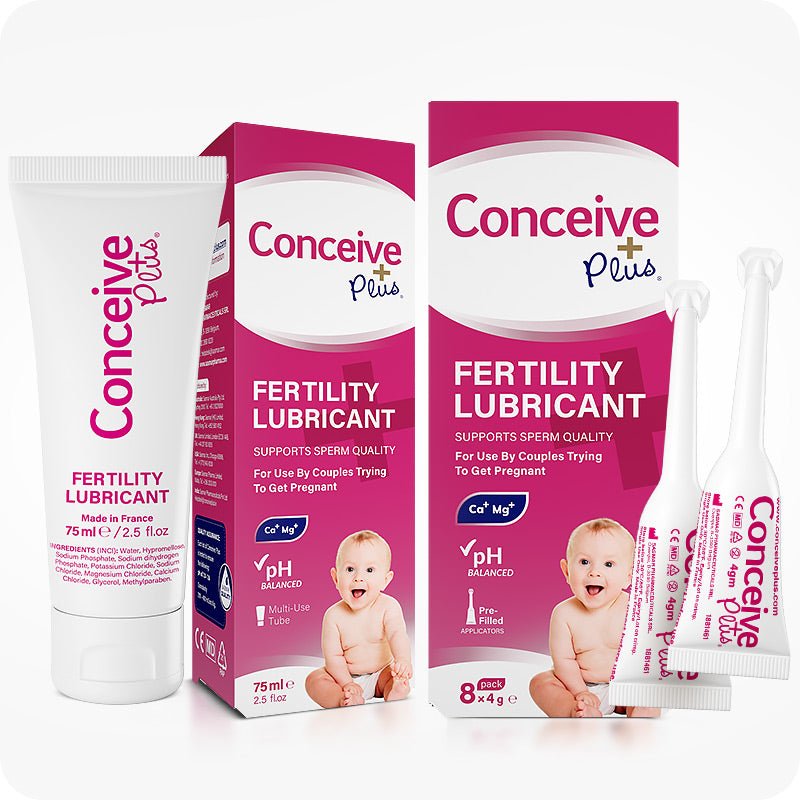
For the mechanics of conception, Conceive Plus fertility lubricant provides a sperm-safe, pH-balanced environment that supports sperm survival and motility — important for couples who may experience vaginal dryness after hormonal changes, or who simply need additional support during timed intercourse. Unlike standard lubricants, which can damage sperm, Conceive Plus contains calcium and magnesium ions that mirror fertile cervical mucus and actively support sperm capacitation.
Explore the full Conceive Plus range for couples TTC after loss at conceiveplus.com.au.
Frequently Asked Questions About Miscarriage Recovery
How long does it take to recover emotionally after a miscarriage?
Emotional recovery is highly individual. Some women feel ready to move forward within weeks; others take months or longer. Grief often comes in waves and can resurface unexpectedly — around the due date, at pregnancy announcements, or during subsequent pregnancies. There is no timeline you "should" be following. Seek support from your GP, a counsellor, or a loss support organisation if grief is interfering with daily functioning.
Will I have a healthy pregnancy after a miscarriage?
For the vast majority of women, yes. After one miscarriage, the chance of a successful subsequent pregnancy is approximately 80-85%. After two miscarriages, approximately 75%. Even after three miscarriages without a cause identified, the chance of a successful subsequent pregnancy is approximately 65-70% — better odds than most people expect. Identified and treated causes significantly improve these numbers further.
Should I get testing done after one miscarriage?
Standard clinical guidelines recommend investigation after three or more miscarriages (or two in women over 35). However, some clinicians will consider earlier investigation for women who are older, have other fertility concerns, or have risk factors for immune or genetic causes. It's reasonable to discuss your individual circumstances with your GP or gynaecologist.
Is it normal to feel nothing after a miscarriage?
Yes. Emotional numbness, or even relief (particularly if the pregnancy was complicated, unplanned, or if there was prolonged anticipatory grief during the loss), is a normal part of the grief spectrum. The absence of intense grief doesn't mean you didn't love your pregnancy or that your loss wasn't real. Grief takes many forms.
Can I exercise during miscarriage recovery?
Light activity like walking is generally fine once heavy bleeding has subsided. Most women are cleared for normal activity within 1-2 weeks of an uncomplicated first-trimester loss. Listen to your body — fatigue, cramping, or discomfort are signals to rest. Vigorous exercise should wait until bleeding has completely stopped and you feel physically recovered.
Do I need to see a doctor after every miscarriage?
After a first miscarriage, a follow-up with your GP to confirm the loss is complete and to discuss your feelings and next steps is advisable. After two or more miscarriages, specialist referral for investigation is warranted and appropriate. In Australia, you can also contact Sands or Bears of Hope for support resources.
What supplements help after miscarriage?
During recovery and in preparation for trying again: methylfolate (400-800mcg), vitamin D (test levels and supplement accordingly), iron (test and supplement if depleted), CoQ10 (200-600mg for women over 35), omega-3 (1000-2000mg EPA+DHA), and zinc. Both partners should optimise nutrition if preparing to try again.
How do I manage anxiety in a pregnancy after loss?
Acknowledge the anxiety as normal and valid rather than trying to suppress it. Seek early midwifery or obstetric care with a sympathetic provider who understands pregnancy after loss. Consider early reassurance scans (6-7 weeks and 8-9 weeks). Connect with PAL (pregnancy after loss) communities. Cognitive behavioural therapy (CBT) has good evidence for pregnancy-related anxiety. Some women find a "one day at a time" framework helpful — celebrating each milestone reached rather than projecting forward.
Moving Forward: Hope After Loss
Miscarriage recovery is not a linear process, and there's no map for navigating grief and hope simultaneously. What research consistently shows is that for most people, pregnancy after miscarriage — when it comes — is successful. The majority of people who experience one or even two miscarriages go on to have healthy pregnancies.
Give yourself permission to grieve, permission to hope, and permission to move at your own pace. Prepare your body thoughtfully with evidence-based nutrition and supplementation. Seek investigation if losses recur. And when you're ready to try again, know that Conceive Plus is here to support every step of your journey.
Explore the Conceive Plus fertility support range for couples trying to conceive after loss at conceiveplus.com.au.
Ready to support your fertility journey?
Shop Conceive Plus Fertility Support →