Fertility Supplements for Women: A Science-Based Guide to Boosting Your Chances


Fertility Supplements for Women: A Science-Based Guide to Boosting Your Chances
When you're trying to conceive, the supplement aisle can feel overwhelming. Claims abound, but the evidence behind them varies enormously. This guide cuts through the noise to give you a clear, science-based look at fertility supplements for women — what the research actually supports, what to be cautious about, and how to build a supplement stack that genuinely supports your fertility journey.
Fertility supplements for women cannot replace medical care, a healthy diet, or fertility treatment where needed. But for many women, targeted nutritional support genuinely makes a difference — particularly in the months leading up to conception.
Why Fertility Supplements for Women Matter
Modern diets, even relatively healthy ones, often fall short in specific nutrients critical for reproductive health. Soil depletion, food processing, busy lifestyles, and increased nutritional demands during the preconception period all create gaps that supplements can meaningfully fill.
Beyond filling nutritional gaps, fertility supplements for women can provide therapeutic doses of specific nutrients that support:
- Egg quality and mitochondrial energy production
- Hormonal balance and ovulation regularity
- Uterine lining development and receptivity
- Antioxidant protection against oxidative stress that damages eggs
- Healthy immune function for implantation
With that context established, let's review the evidence for each key fertility supplement for women.
Folate (Methylfolate): The Non-Negotiable Foundation
Ready to support your fertility?
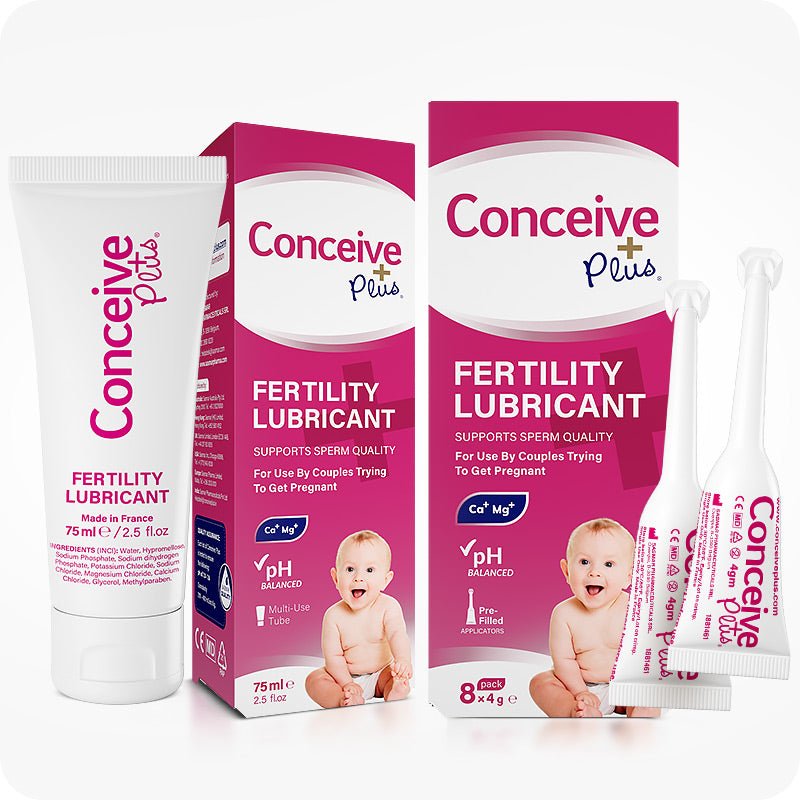
Shop Conceive Plus Fertility Supplements → — Clinically informed fertility nutrition for every stage of your journey.
Folate is the foundation of any fertility supplement stack for women. Vitamin B9 is essential for DNA synthesis, cell division, and critically — the closure of the neural tube in the developing embryo within the first 28 days of pregnancy (often before you know you're pregnant).
The evidence for folate supplementation in preventing neural tube defects is among the strongest in all of nutritional medicine. Adequate folate reduces risk of neural tube defects including spina bifida and anencephaly by up to 70%.
For fertility supplements for women, choosing the right form of folate matters. L-methylfolate (5-MTHF) is the bioactive form that your cells can use directly, without the metabolic conversion steps required for synthetic folic acid. This is particularly important for women with MTHFR genetic variants (common in approximately 40% of the population) who have reduced capacity to convert folic acid to the active form.
Recommended dose: 400–800 mcg of L-methylfolate daily, beginning at least one month before conception (ideally three months).
CoQ10: The Egg Quality Supplement
Coenzyme Q10 (CoQ10) has become one of the most discussed fertility supplements for women — and the evidence increasingly supports its use, particularly for women over 35 or those with diminished ovarian reserve.
CoQ10 is a mitochondrial cofactor that powers ATP production — the cellular energy currency. Egg maturation is enormously energy-intensive, and mitochondrial function in eggs declines with age. CoQ10 supplementation may help restore mitochondrial capacity in aging eggs.
A randomised controlled trial published in Fertility and Sterility found that women with diminished ovarian reserve who took 600 mg CoQ10 (as ubiquinol) daily for 60 days before IVF had significantly better ovarian response and a higher number of high-quality embryos compared to placebo.
Additional human and animal research supports CoQ10's role in improving egg quality parameters and chromosomal integrity.
Recommended dose: 200–600 mg daily as ubiquinol (the reduced form), taken with a meal containing fat for better absorption. Begin at least three months before conception attempts.
Vitamin D3: The Fertility Hormone Regulator
Vitamin D deficiency is extremely common in Australia — paradoxically, despite abundant sunshine, sun avoidance practices and indoor lifestyles leave many Australians with suboptimal levels. This matters for fertility because vitamin D receptors are expressed in ovarian follicles, the endometrium, and early embryos.
Research consistently links adequate vitamin D status to better fertility outcomes:
- A meta-analysis of 11 studies found women with sufficient vitamin D had significantly higher clinical pregnancy and live birth rates from IVF
- Vitamin D deficiency is associated with PCOS severity and insulin resistance
- Adequate vitamin D supports optimal immune tolerance at the implantation site
- Vitamin D influences anti-Müllerian hormone (AMH) levels in some studies
Get your vitamin D levels tested before supplementing — results above 75 nmol/L are generally considered optimal for fertility. Many women need 2,000–4,000 IU daily to correct deficiency and maintain adequate levels.
Recommended dose: Based on blood levels. 1,000–4,000 IU daily is typical, ideally D3 (cholecalciferol) combined with K2 (MK-7) for optimal calcium metabolism.
Omega-3 Fatty Acids (DHA and EPA)
Omega-3 fatty acids, particularly DHA (docosahexaenoic acid) and EPA (eicosapentaenoic acid), are essential fertility supplements for women that serve multiple critical functions:
- DHA is a structural component of egg cell membranes and is critical for embryo brain development
- Omega-3s reduce prostaglandin-driven inflammation that can impair implantation
- EPA supports blood flow to the uterus, potentially improving endometrial thickness
- Omega-3 supplementation has been associated with improved egg quality markers in some IVF studies
The typical Australian diet is deficient in omega-3s relative to omega-6s, skewing the inflammatory balance. Supplementing with high-quality fish oil or algae-based DHA/EPA (if you prefer a plant-based option) helps correct this imbalance.
Recommended dose: 500–1,000 mg of combined DHA and EPA daily. Choose a molecularly distilled product tested for mercury and PCBs.
Inositol: Particularly Valuable for Women With PCOS
Myo-inositol and D-chiro-inositol have emerged as important fertility supplements for women with polycystic ovary syndrome (PCOS) — the most common cause of anovulatory infertility. PCOS affects approximately 12–18% of Australian women of reproductive age.
Inositol is a naturally occurring sugar that acts as a second messenger in insulin signalling pathways. In PCOS, disrupted inositol signalling in granulosa cells impairs oocyte maturation and contributes to the hormonal imbalances characteristic of the condition.
Research findings on inositol for fertility in women with PCOS include:
- Improved menstrual regularity and ovulation rates
- Reduced testosterone levels and improved hormone profiles
- Better oocyte quality and fertilisation rates in IVF
- Improved insulin sensitivity comparable to metformin in some studies, with fewer side effects
The most evidence-backed ratio is 40:1 myo-inositol to D-chiro-inositol, which mirrors the physiological ratio found in follicular fluid. A typical dose is 2g myo-inositol twice daily.
Who benefits most: Women with PCOS, insulin resistance, irregular cycles, or poor ovarian response in IVF.
Iron: For Women at Risk of Deficiency
Iron deficiency is the most common micronutrient deficiency worldwide, and women of reproductive age are at particular risk due to menstrual losses. Suboptimal iron status affects ovulation — anovulatory infertility has been associated with iron deficiency in epidemiological research.
The Nurses' Health Study II (one of the largest fertility nutrition studies ever conducted) found that supplemental iron intake was associated with a significantly reduced risk of ovulatory infertility, with non-haem iron (plant-based iron, also found in supplements) showing particular benefit.
However, iron supplementation is not appropriate for all women — iron overload is also possible and harmful. Get ferritin (stored iron) tested before supplementing. If ferritin is below 30 ng/mL, supplementation is typically warranted.
Look for: Iron as ferrous bisglycinate (best absorbed, gentlest on the digestive system) in fertility supplement formulations.
Vitamin B12 (as Methylcobalamin)
Vitamin B12 works closely with folate in DNA synthesis and methyl group metabolism. Deficiency — most common in vegetarians, vegans, and women with gastrointestinal conditions affecting absorption — is associated with elevated homocysteine, impaired ovulation, and potentially increased miscarriage risk.
For fertility supplements for women, the form of B12 matters just as it does with folate. Methylcobalamin is the bioactive form that can be used directly by the body, while cyanocobalamin (the most common form) requires conversion. Choose methylcobalamin in your prenatal or B-complex supplement.
Conceive Plus prenatal supplements include both methylfolate and methylcobalamin — the active forms of both critical B vitamins — for optimal fertility support. Learn more about Conceive Plus Women's Fertility Supplements →
N-Acetyl Cysteine (NAC): The Rising Star for Fertility
N-acetyl cysteine has attracted growing research interest as a fertility supplement for women, particularly those with PCOS, endometriosis, or diminished ovarian reserve. NAC is a precursor to glutathione — the body's master antioxidant — and provides both antioxidant and anti-inflammatory effects.
Research on NAC in fertility contexts includes:
- A randomised trial in women with unexplained infertility found NAC supplementation alongside clomiphene significantly improved ovulation and pregnancy rates versus clomiphene alone
- NAC reduces oxidative stress markers in follicular fluid, potentially protecting egg quality
- In women with PCOS, NAC has been shown to improve insulin sensitivity and menstrual regularity
Typical research dose: 600 mg two to three times daily. Generally well-tolerated with main side effect being mild gastrointestinal upset in some individuals.
Vitex (Agnus Castus): For Luteal Phase Support
Vitex agnus castus (chaste tree berry) is one of the most commonly used herbal fertility supplements for women, particularly for those with irregular cycles, PMS, or suspected luteal phase defects. Unlike most herbs, Vitex has a reasonable evidence base in randomised clinical trials.
Vitex works by influencing dopamine receptors in the pituitary gland, which modulates prolactin secretion and indirectly supports progesterone production in the luteal phase. Research effects include:
- Improved cycle regularity in women with irregular cycles
- Reduced PMS symptoms
- Higher progesterone levels in the luteal phase
- Improved pregnancy rates in some small RCTs in women with fertility challenges
Important note: Vitex should not be combined with hormone-based fertility treatments or medications. Discuss with your healthcare provider before using. It is typically not recommended during IVF cycles.
Building Your Fertility Supplement Stack: A Practical Guide
With so many options, how do you build a practical fertility supplement stack? Here's a structured approach for women trying to conceive naturally:
Tier 1 — Essential (everyone should take):
- High-quality prenatal with methylfolate (400–800 mcg) and methylcobalamin
- Vitamin D3 (dose based on blood level testing)
- Omega-3 fish oil (500–1,000 mg DHA/EPA)
Tier 2 — Evidence-based additions for most women TTC:
- CoQ10 as ubiquinol (200–600 mg, especially over 30)
- Iron (if ferritin is low — test first)
Tier 3 — Targeted additions based on individual situation:
- Inositol (if PCOS, insulin resistance, or irregular cycles)
- NAC (if oxidative stress, PCOS, or endometriosis)
- Vitex (if luteal phase defect, irregular cycles — not with fertility medications)
Conceive Plus comprehensive women's fertility supplements cover Tier 1 and Tier 2 in a convenient daily formula. Shop Conceive Plus Women's Fertility Supplements →
Frequently Asked Questions: Fertility Supplements for Women
Q: When should I start taking fertility supplements?
A: Ideally 3 months before trying to conceive, as this aligns with the egg development cycle. At minimum, start 1 month before and continue through early pregnancy.
Q: Are fertility supplements safe to take long-term?
A: High-quality prenatal vitamins and evidence-based fertility supplements at recommended doses are generally safe for extended use. Specific supplements like DHEA or high-dose NAC should be reviewed with a healthcare provider.
Q: Can I take fertility supplements while breastfeeding?
A: Most prenatal vitamins and basic fertility supplements are appropriate during breastfeeding. Discuss specific supplements (particularly Vitex, CoQ10 at high doses) with your healthcare provider.
Q: Do fertility supplements work for unexplained infertility?
A: Some research supports targeted supplementation even in unexplained infertility. CoQ10, antioxidants, and methylfolate have the strongest evidence in this context. However, supplements should complement — not replace — investigation and appropriate treatment.
Q: Can too many supplements be harmful?
A: Yes. More is not always better. Exceeding safe upper limits for fat-soluble vitamins (A, D, E, K) can cause toxicity. Take supplements at recommended doses and avoid duplicating nutrients across multiple products.
Q: Does my partner also need fertility supplements?
A: Yes. Sperm quality significantly influences fertilisation and embryo development. Male partners benefit from zinc, selenium, CoQ10, folate, vitamin C, and omega-3s for at least 3 months before conception attempts.
Q: Are there fertility supplements specific to age-related decline?
A: CoQ10 and DHEA have the most evidence for age-related egg quality decline. Both are most relevant for women over 35, particularly those with diminished ovarian reserve.
Q: Should I take inositol if I don't have PCOS?
A: Inositol has the strongest evidence specifically in PCOS. In women without PCOS or insulin resistance, the evidence for benefit is less clear. It is generally safe but may not offer significant additional benefit beyond a comprehensive prenatal in non-PCOS women.
Q: Can fertility supplements improve my AMH levels?
A: No supplement has been definitively shown to increase AMH (anti-Müllerian hormone). However, optimising nutritional status, particularly with CoQ10 and DHEA (under medical supervision), may support ovarian function more broadly.
Q: How long before I see results from fertility supplements?
A: Because egg development takes approximately 90 days, any supplement effects on egg quality would take at least 3 months to manifest. Cycle regularity effects (from inositol, Vitex) may appear sooner — typically 2–3 cycles.
Your Fertility Supplement Journey Starts Here
Building the right supplement foundation before conception is one of the most proactive, evidence-based steps you can take for your reproductive health. The key is choosing high-quality supplements with bioavailable forms of critical nutrients — and starting early enough for them to make a meaningful difference.
Conceive Plus is formulated by fertility health experts to provide exactly what women trying to conceive need: bioavailable methylfolate, evidence-based nutrient combinations, and the nutritional foundation for both conception and a healthy pregnancy.
Take control of your fertility health today. Shop Conceive Plus Women's Fertility Supplements →
This article is for informational purposes only and is not a substitute for medical advice. Consult your healthcare provider before starting any new supplement regimen.
Start your journey with Conceive Plus
Science-backed fertility supplements formulated for women and men trying to conceive. Trusted by thousands of couples worldwide.