PCOS and Trying to Conceive in Australia: What Every Woman Needs to Know


PCOS and Trying to Conceive in Australia: What Every Woman Needs to Know
Polycystic ovary syndrome (PCOS) affects approximately 1 in 8 Australian women of reproductive age, making it the most common endocrine disorder in women — and one of the leading causes of ovulatory infertility. Yet despite its prevalence, PCOS remains widely misunderstood, and many women receive an initial diagnosis without clear guidance on what it means for their fertility journey.
This comprehensive guide is designed to give Australian women with PCOS a thorough, evidence-based understanding of their conception options — from natural cycle optimisation to medical intervention, nutrition, supplements, and the role of fertility-supportive products.
Understanding PCOS and How It Affects Fertility
PCOS is a hormonal condition characterised by at least two of the following three criteria (Rotterdam criteria, the international diagnostic standard):
- Irregular or absent ovulation (oligo-ovulation or anovulation)
- Clinical or biochemical signs of excess androgens (testosterone, DHEAS)
- Polycystic ovaries on ultrasound (≥12 follicles per ovary or ovarian volume >10ml)
The primary fertility challenge in PCOS is irregular or absent ovulation. Without consistent ovulation, conception becomes unpredictable. Many women with PCOS can and do become pregnant — the ovaries contain eggs, the hormonal environment simply needs support to mature and release them consistently.
Other PCOS-related factors that can affect fertility include:
- Insulin resistance (present in 70–80% of women with PCOS) — affects egg quality and hormonal balance
- Elevated LH:FSH ratio — disrupts follicular development
- Thickened endometrial lining — if cycles are very infrequent
- Reduced or altered cervical mucus — affecting sperm transport
Natural Strategies to Support Ovulation with PCOS
Many Australian fertility specialists recommend lifestyle intervention as the first-line approach for PCOS, particularly when BMI is above the healthy range. This is because even a 5–10% reduction in body weight can restore ovulation in many women with PCOS by improving insulin sensitivity.
Key lifestyle interventions:
- Low-GI diet: A diet low in refined carbohydrates and high in fibre, lean protein, and healthy fats significantly improves insulin sensitivity and PCOS symptoms. Foods like oats, legumes, vegetables, nuts, and quality proteins support hormonal balance.
- Regular moderate exercise: 150 minutes of moderate aerobic activity per week, combined with resistance training, improves insulin sensitivity and supports regular ovulation
- Sleep optimisation: Poor sleep worsens insulin resistance. 7–9 hours of quality sleep supports hormonal health
- Stress reduction: Chronic cortisol elevation worsens PCOS symptoms — yoga, mindfulness, and adequate rest are clinically supported interventions
PCOS-Friendly Supplements for Fertility
Several supplements have strong evidence for PCOS-related fertility support:
Inositol (Myo-Inositol + D-Chiro-Inositol)
The most extensively studied supplement for PCOS fertility. Inositol acts as an insulin sensitiser and improves ovulatory function, egg quality, and hormonal profiles. Clinical trials have demonstrated restoration of regular ovulation in women who were previously anovulatory. The optimal ratio is 40:1 myo-inositol to d-chiro-inositol, typically 4000mg myo-inositol + 100mg DCI daily.
Folate (Methylfolate preferred)
Essential for neural tube development in early pregnancy. Women with the MTHFR gene variant (common in Australia) may have difficulty converting folic acid to its active form — methylfolate-based prenatals avoid this issue.
Vitamin D
Deficiency is very common in PCOS and strongly correlated with insulin resistance and ovulatory dysfunction. Australian data suggests vitamin D deficiency affects up to 31% of the population despite high sun exposure in many regions. Test your levels and supplement appropriately (typically 1000–2000 IU daily for maintenance).
CoQ10
Supports mitochondrial function in oocytes (eggs). Studies show improvement in egg quality parameters with CoQ10 supplementation, particularly relevant for women with PCOS who may have impaired ovarian response.
Magnesium
Frequently depleted in women with insulin resistance and PCOS. Magnesium supplementation improves insulin sensitivity and supports progesterone production in the luteal phase.
Tracking Ovulation with PCOS: What Works Best
Standard OPK (ovulation predictor kits) can be confusing for women with PCOS because LH levels may be chronically elevated, producing persistent "almost-positive" readings without actual ovulation occurring. Here's what works better:
- Quantitative digital OPKs (Mira, Clearblue Advanced Fertility Monitor) — measure actual hormone concentrations, making it easier to identify a true surge above your personal baseline
- Progesterone testing (Day 21 blood test, or 7 days post-suspected ovulation) — the gold standard confirmation that ovulation occurred. In long or irregular cycles, timing this 7 days before your expected period rather than on cycle day 21 gives more accurate results
- Transvaginal ultrasound follicle tracking — available privately and through some Australian fertility clinics; tracks follicle development and confirms rupture
- Cervical mucus monitoring — particularly useful when combined with OPKs; fertile-quality mucus signals estrogen rise preceding ovulation
Cervical Mucus, PCOS, and Fertility Lubricants
PCOS can affect cervical mucus quantity and quality. Elevated androgens and hormonal imbalance may reduce fertile-quality mucus production, creating a less hospitable environment for sperm even on fertile days.
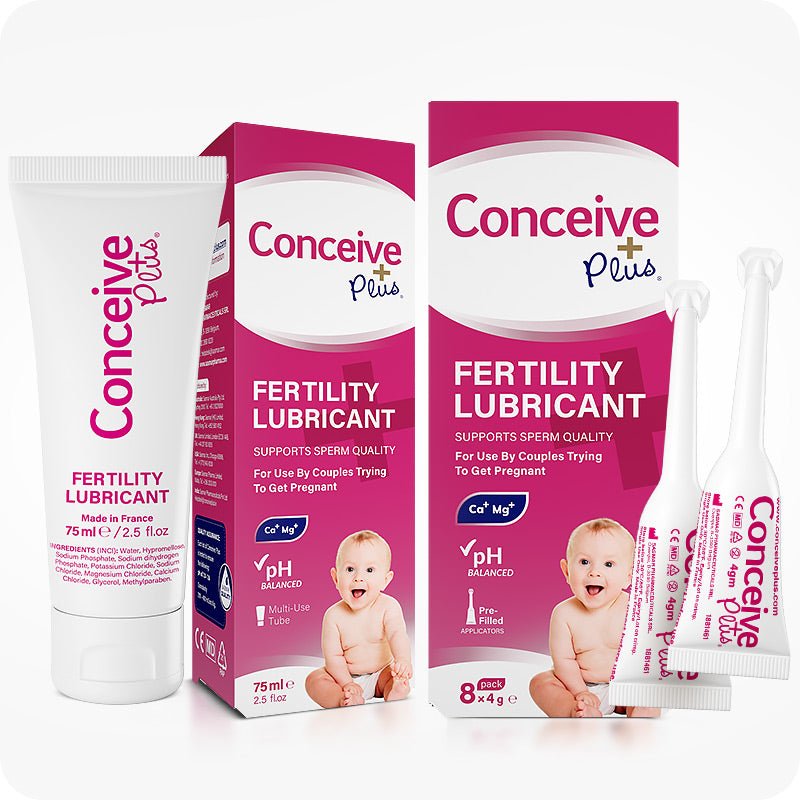
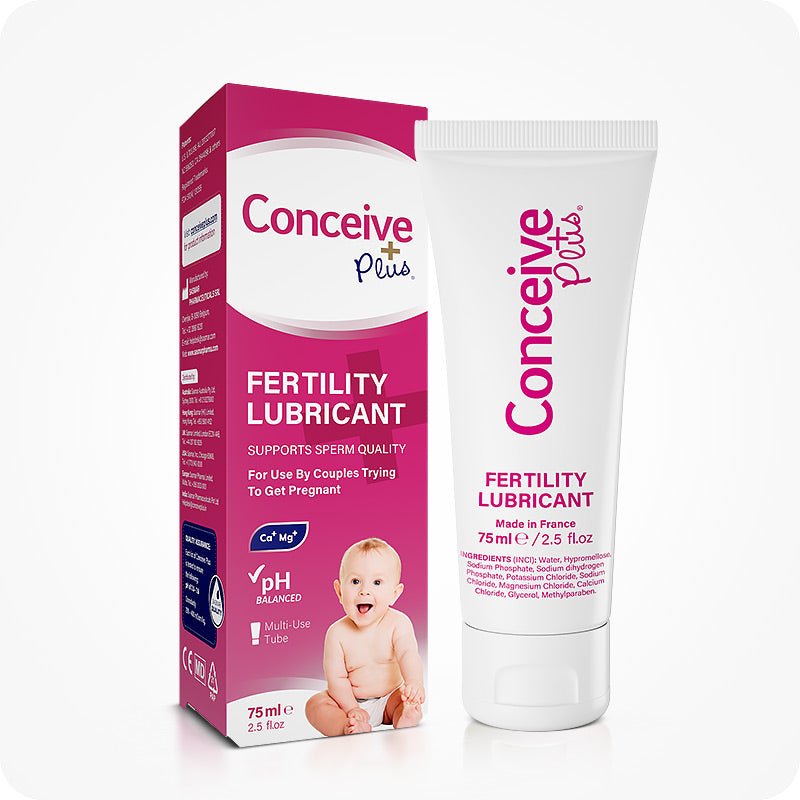
Conceive Plus fertility lubricant provides a scientifically formulated alternative that mirrors the properties of fertile cervical mucus — pH-balanced, isotonic, and enriched with Ca²⁺/Mg²⁺ ions that support sperm motility and capacitation. For women with PCOS who experience dryness or reduced fertile mucus, Conceive Plus helps maintain the sperm-friendly environment needed for successful fertilisation.
Unlike standard lubricants (which are toxic to sperm), Conceive Plus actively supports the conception process — making it an important component of the TTC toolkit for women with PCOS.
🌸 Supporting Australian families on the path to conception.
Explore Conceive Plus lubricants and ovulation support supplements at conceiveplus.com.au/collections/fertility-lubricants. Free shipping available across Australia.
Medical Treatments for PCOS-Related Infertility in Australia
When lifestyle interventions don't restore regular ovulation within 3–6 months of consistent effort, medical support is appropriate. Australian fertility specialists typically follow evidence-based guidelines from the RANZCOG (Royal Australian and New Zealand College of Obstetricians and Gynaecologists) and the Jean Hailes Foundation for Women's Health.
Letrozole (First-Line)
An aromatase inhibitor increasingly used as first-line ovulation induction for PCOS in Australia, letrozole (Femara) has demonstrated superior ovulation and live birth rates compared to clomiphene in multiple large randomised trials. Typically taken on days 2–6 of the cycle.
Clomiphene Citrate
A traditional ovulation induction agent still widely prescribed. Effective in 70–80% of women with PCOS, though with a higher multiple pregnancy rate than letrozole. Can have a negative effect on cervical mucus — another reason fertility lubricant support is important during clomiphene cycles.
Metformin
Particularly useful for PCOS women with significant insulin resistance. Metformin improves insulin sensitivity, reduces androgen levels, and can restore ovulation — particularly in combination with letrozole.
Gonadotrophin Injections and IVF
For cases where oral ovulation induction fails, injectable gonadotrophins or IVF may be recommended. Women with PCOS require careful monitoring during gonadotrophin cycles due to the risk of ovarian hyperstimulation syndrome (OHSS).
Emotional Wellbeing on the PCOS Fertility Journey
Receiving a PCOS diagnosis and navigating fertility treatment is emotionally demanding. Research shows higher rates of anxiety and depression in women with PCOS — it's important to acknowledge these challenges and seek support.
Resources available to Australian women include:
- Jean Hailes for Women's Health — comprehensive PCOS resources and clinic locator
- PCOS Australia — peer support, research updates, and webinars
- Fertility Society of Australia and New Zealand (FSANZ) — specialist locator
- Beyond Blue — mental health support
- Local fertility support groups (ask your GP or specialist for referrals)
💜 Every step forward matters.
Conceive Plus supports Australian women with PCOS with clinically validated fertility products. Shop at conceiveplus.com.au and take the next step with confidence.
Frequently Asked Questions About PCOS and Fertility
Q: Can I get pregnant naturally with PCOS?
A: Yes — many women with PCOS conceive naturally, particularly with lifestyle optimisation and cycle tracking. PCOS does not mean infertility; it means ovulation may be irregular and require more targeted support.
Q: How long does it typically take to conceive with PCOS?
A: This varies significantly. Women with mild PCOS who respond to lifestyle intervention may conceive within 3–6 months of optimising their approach. Others require medical ovulation induction or assisted reproduction. Seeking evaluation after 6–12 months of trying is appropriate.
Q: Does inositol really help with PCOS fertility?
A: Multiple randomised controlled trials support the use of myo-inositol for improving ovulation frequency, egg quality, and hormonal parameters in PCOS. The evidence base is strong, particularly when combined with D-chiro-inositol in a 40:1 ratio.
Q: Is letrozole or clomid better for PCOS?
A: Current evidence (including the landmark NEJM PPCOS II trial) favours letrozole for higher live birth rates and lower multiple pregnancy risk in PCOS ovulation induction. Discuss with your fertility specialist which is most appropriate for your specific case.
Q: Does PCOS get better with age?
A: Hormonal aspects of PCOS can improve as women approach menopause, but fertility-related concerns — particularly around egg quality and ovarian reserve — become more significant with age. It's generally advisable to seek conception support sooner rather than later if PCOS is combined with age-related factors.
Q: What fertility tests should I have with PCOS?
A: Baseline investigations typically include: AMH (anti-Müllerian hormone), day 2–5 FSH/LH/oestrogen, fasting insulin and glucose (HOMA-IR for insulin resistance), testosterone and SHBG, thyroid function, vitamin D, and a pelvic ultrasound for antral follicle count. Your GP can arrange most of these.
Q: Can weight loss cure PCOS?
A: Weight loss does not "cure" PCOS — it's a lifelong condition — but 5–10% weight reduction can significantly improve insulin sensitivity, restore ovulation, and improve hormonal profiles in overweight women with PCOS. The underlying condition persists but becomes much more manageable.
Q: Is a fertility lubricant useful with PCOS?
A: Yes, particularly because PCOS can reduce fertile-quality cervical mucus and clomiphene further dries cervical mucus. Conceive Plus fertility lubricant supplements natural mucus to maintain a sperm-friendly environment — an important but often overlooked piece of the PCOS TTC puzzle.