The Fertility Diet: Best Foods to Eat When Trying to Conceive


The Fertility Diet: What to Eat When Trying to Conceive
What you eat in the months before conception shapes the quality of your eggs, sperm, and ultimately the health of any embryo you create. The research on diet and fertility has advanced significantly in the past decade, moving beyond basic prenatal vitamin recommendations to comprehensive dietary patterns with measurable effects on ovulatory function, sperm parameters, implantation rates, and IVF outcomes. This guide covers the evidence-based fertility diet, the foods that most reliably support reproductive health, and the supplement strategy that fills the gaps your diet can't cover alone.
The Harvard Fertility Diet: What 18 Years of Research Found
The most comprehensive dietary study in fertility science is the Nurses' Health Study II, which followed over 18,000 women without infertility for 8 years and documented the diet-fertility relationship with extraordinary precision. From this dataset, Harvard researchers developed what became known as the "Fertility Diet" — a pattern associated with an 80% lower risk of ovulatory infertility compared to standard Western eating.
Key components of the Harvard Fertility Diet:
- High intake of plant-based protein (beans, lentils, nuts) over animal protein
- Full-fat dairy over low-fat (counterintuitively — low-fat dairy was associated with increased ovulatory infertility risk)
- Complex carbohydrates (whole grains, legumes) over refined carbohydrates
- High monounsaturated fat (olive oil, avocados) over trans fats
- High iron from plant sources
- Multivitamin use including folate
- Healthy weight maintenance
Importantly, this research was about ovulatory function — the fertility factor most directly related to what women eat. It doesn't capture all fertility factors, but it establishes that dietary choices have direct, measurable effects on the hormonal cycles that drive ovulation.
Top Fertility Foods for Women
Ready to boost your fertility journey? Explore Conceive Plus — trusted by thousands of couples worldwide.
1. Avocados
Avocados are one of the most fertility-supportive foods in the plant kingdom. They're rich in folate (essential for neural tube development and DNA synthesis), vitamin K (required for blood clotting and bone health), potassium (supports uterine contractions), and monounsaturated fats (reduce inflammation). A 2018 study found that women who ate the most monounsaturated fats had better IVF outcomes — particularly higher rates of live birth. One avocado provides roughly 20% of daily folate needs.
2. Leafy Greens (Spinach, Kale, Rocket)
Dark leafy greens are nutritional powerhouses for fertility. They provide folate, iron, calcium, vitamin C, and magnesium — all of which play roles in reproductive health. Iron deficiency is associated with anovulation (failure to ovulate), and plant-based iron from leafy greens is well-absorbed when consumed with vitamin C. Folate from food sources is preferable to synthetic folic acid due to better bioavailability in women with the MTHFR gene variant.
3. Fatty Fish (Salmon, Sardines, Mackerel)
Omega-3 fatty acids — specifically DHA and EPA from marine sources — are critical for egg quality, uterine blood flow, and embryo development. A prospective cohort study found that women with higher omega-3 levels had significantly better embryo morphology and higher fertilisation rates. Aim for 2–3 servings per week of low-mercury fatty fish. Sardines and mackerel are especially good choices: high omega-3, low mercury, and excellent sustainability profile.
4. Walnuts
Walnuts are the only nut with significant omega-3 content (ALA, which converts partially to DHA), plus vitamin E and antioxidants. For men, walnuts deserve special attention: a UCLA study found that men who added 75g of walnuts daily to their diet for 12 weeks had significant improvements in sperm vitality, motility, and morphology compared to controls.
5. Full-Fat Dairy
The Harvard data is counterintuitive but consistent: full-fat dairy (whole milk, full-fat yogurt, cheese) was associated with lower ovulatory infertility risk, while low-fat dairy was associated with higher risk. The proposed mechanism involves sex hormone balance — skim milk processing may concentrate androgens relative to oestrogens, disrupting ovarian function. One to two servings of full-fat dairy daily appears to be the sweet spot.
6. Eggs
Eggs are one of the most complete fertility foods available. They provide choline (critical for neural tube development and liver function), vitamin D, iodine, selenium, and high-quality protein. Choline deficiency during pregnancy is associated with neural tube defects even in the presence of adequate folate — making eggs particularly important for preconception nutrition. Two eggs provide approximately 50% of the recommended daily choline intake.
7. Berries
Berries (blueberries, strawberries, raspberries) are among the richest food sources of antioxidants, which protect eggs from oxidative damage. As women age, oxidative stress in the ovarian environment increases, damaging oocyte DNA and reducing embryo quality. Regular berry consumption helps counteract this. Aim for a cup of mixed berries daily.
8. Beans and Lentils
Legumes are high in plant protein, folate, iron, and fibre. The Harvard Fertility Diet found that replacing one serving of animal protein with plant protein was associated with a 50% reduction in ovulatory infertility risk. Lentils are particularly impressive: one cup cooked provides 90% of the daily folate target, 37% of daily iron, and significant magnesium.
Can't always eat perfectly? Conceive Plus Women's Fertility Support supplements the key nutrients your diet may miss — folate, CoQ10, vitamin D, iodine, iron, and more — in a single daily formula designed specifically for women trying to conceive.
The Mediterranean Diet and Fertility
Beyond individual foods, the overall dietary pattern that has the most consistent fertility evidence is the Mediterranean diet — characterised by abundant vegetables, fruits, whole grains, legumes, olive oil, moderate fish, and limited red meat and processed foods.
Key studies:
- A 2018 study in Human Reproduction found that Greek women following a Mediterranean diet had a 66% higher chance of achieving clinical pregnancy and live birth through IVF
- A Spanish cohort study found Mediterranean diet adherence reduced time to pregnancy by 40% in healthy couples
- The DIET study (2019) linked Mediterranean diet adherence to better semen parameters in men
The Mediterranean diet is not a strict protocol — it's a pattern. Adopted gradually, it's sustainable and delivers the combination of antioxidants, healthy fats, and micronutrients that support fertility comprehensively.
Foods to Limit or Avoid When Trying to Conceive
Trans Fats
Trans fats (partially hydrogenated vegetable oils) are uniquely harmful to fertility. Even a 2% increase in trans fat calories (replacing monounsaturated fats) was associated with more than double the risk of ovulatory infertility in the Harvard data. Trans fats are found in processed baked goods, some margarines, and fried fast food. Australia has progressively reduced trans fat content in the food supply, but it's worth checking ingredient labels for "partially hydrogenated" oils.
Refined Carbohydrates and High-GI Foods
High glycaemic index (GI) foods cause rapid blood sugar and insulin spikes. Chronically elevated insulin disrupts ovarian hormone production — a key driver of PCOS and anovulation. Swapping white bread, white rice, and sugary drinks for whole grain equivalents meaningfully reduces insulin-driven ovulatory disruption. The GI effect is especially significant for women with PCOS or insulin resistance.
Mercury-Containing Fish
Mercury accumulates in the ovaries and can impair egg quality and fetal neurodevelopment. High-mercury fish to avoid or significantly reduce: swordfish, shark, king mackerel, bigeye tuna, and orange roughy (which is commonly consumed in Australia). Replace with low-mercury alternatives: salmon, sardines, prawns, canned light tuna (limit to 2–3 servings per week).
Processed Meat
Processed meats (sausages, bacon, deli meat) are associated with reduced fertility in both men and women. In men, processed meat intake is linked to significantly lower sperm morphology. In women, high processed meat consumption is associated with increased time to pregnancy. The mechanism involves nitrates, oxidative stress, and hormonal disruption from preserved meat compounds.
Excessive Alcohol
Evidence for alcohol's fertility effects is dose-dependent. Moderate consumption (1–2 drinks per week) shows minimal impact in most studies. However, more than 4 drinks per week is associated with reduced fertility in women, and drinking during the first trimester (often before women know they're pregnant) carries significant risk. For men, more than 5 drinks per week reduces testosterone and sperm quality. Many fertility experts recommend complete alcohol abstinence during the TTC period.
Excess Caffeine
Caffeine in moderate amounts (under 200mg/day — roughly 1–2 standard coffees) appears safe for fertility. Above 300mg/day, studies link caffeine to delayed conception and increased miscarriage risk. One concern: caffeine interferes with iron absorption when consumed with or immediately after meals — a consideration for women at risk of iron deficiency.
Fertility Nutrition for Men
The fertility diet is equally important for male partners, yet often overlooked. Sperm quality is profoundly influenced by diet:
- Antioxidant-rich foods (berries, tomatoes, leafy greens) protect sperm DNA from oxidative damage — a major cause of male factor infertility
- Zinc-rich foods (oysters, beef, pumpkin seeds, legumes) are critical for testosterone synthesis and sperm production
- Selenium (Brazil nuts — just 1–2 per day provides the entire daily requirement) is structurally incorporated into sperm
- Lycopene (cooked tomatoes, watermelon) improves sperm morphology in men with poor morphology
- Folate (leafy greens, legumes) is critical for sperm DNA integrity
- Omega-3 fats improve sperm membrane flexibility and penetration capacity
The dietary changes that support female fertility — Mediterranean pattern, reduced processed food, more antioxidants — also improve male sperm parameters. Both partners benefit from the same dietary overhaul.
Key Fertility Nutrients and Whether You Can Get Them From Food Alone
| Nutrient | Why It Matters | Best Food Sources | Supplement Needed? |
|---|---|---|---|
| Folate/Methylfolate | Neural tube, DNA synthesis | Dark leafy greens, lentils | Yes — dietary alone rarely meets the 400–600μg target, especially with MTHFR variant |
| Vitamin D | Ovarian function, implantation | Fatty fish, egg yolks, sunlight | Often yes — most Australians are deficient, especially in winter or with indoor work |
| CoQ10 | Mitochondrial energy in eggs/sperm | Meat, oily fish | Yes — clinical doses (200–600mg) are unachievable from food |
| Iodine | Thyroid function, fetal brain | Seafood, dairy, iodised salt | Often yes — Australian soil is iodine-poor; many women are mildly deficient |
| Omega-3 DHA | Egg quality, fetal neurodevelopment | Fatty fish | Often yes for women who don't eat 2–3 servings of fatty fish weekly |
Conceive Plus covers the gaps: Our women's fertility supplement delivers methylfolate, CoQ10, vitamin D3, iodine, and comprehensive antioxidant support — all in a formulation designed for the preconception period.
Frequently Asked Questions: Fertility Diet
Q: How long before trying to conceive should I start eating for fertility?
A: Ideally 3–6 months. Egg development (folliculogenesis) takes approximately 3 months, so dietary changes made now will improve the quality of eggs that will be ovulated in 3 months' time. For men, spermatogenesis takes about 74 days, so 3 months of dietary improvement is similarly the target.
Q: Is a vegan or vegetarian diet compatible with fertility?
A: Yes, with careful planning. Plant-based diets are often naturally aligned with the fertility diet's emphasis on vegetables, legumes, and whole grains. Key nutrients to supplement or specifically source: vitamin B12 (essential and only available from animal products or fortified foods), omega-3 DHA (from algae-based supplements rather than fish oil), vitamin D, zinc, and iron. The Harvard data showed plant protein is beneficial, not harmful.
Q: Does caffeine really affect fertility?
A: At moderate doses (under 200mg/day), evidence is reassuring. The concern arises at higher doses. If you're drinking multiple coffees daily, reducing to 1–2 cups is a sensible precaution, particularly given that you'll want to maintain under 200mg in early pregnancy anyway.
Q: What's the best fertility food for egg quality specifically?
A: CoQ10 has the strongest evidence for improving mitochondrial function in oocytes (eggs). Since CoQ10 can't be obtained at therapeutic levels from food, this is one of the clearest cases for supplementation alongside diet. Beyond CoQ10, antioxidant-rich foods (berries, leafy greens, nuts) and omega-3 fats (fatty fish) have the best evidence for egg quality.
Q: I've heard pineapple helps with implantation. Is this true?
A: The pineapple-implantation story is based on bromelain, an enzyme in pineapple core that has anti-inflammatory properties. There's no clinical evidence that eating pineapple around implantation affects pregnancy rates. That said, it's harmless — and pineapple contains vitamin C and manganese that are genuinely useful.
Q: Should I eat differently during the two-week wait?
A: Continue your fertility diet during the TWW. Avoid alcohol (in case of implantation), continue folate supplementation, and stay well-hydrated. There's no specific TWW eating protocol that improves implantation outcomes beyond maintaining the dietary pattern you've already established.
Q: Is it true that full-fat dairy is better for fertility than low-fat?
A: The Harvard data does show this association for ovulatory infertility risk. The proposed mechanism is that dairy fat contains substances that support ovarian function, while skim milk processing concentrates androgen-related compounds. The recommendation is 1–2 servings of full-fat dairy per day — yogurt, cheese, or whole milk.
Q: Can being underweight affect fertility as much as being overweight?
A: Yes. Both ends of the BMI spectrum disrupt fertility. Being underweight (BMI below 18.5) is associated with reduced oestrogen, irregular or absent periods, and anovulation. In women with a very low body fat percentage (common in distance runners or those with restrictive eating), the hypothalamic-pituitary axis suppresses ovulation as a protective mechanism. Restoring a healthy weight typically restores regular ovulation within 3–6 months.
Building Your Fertility Plate: Practical Meal Ideas
Putting the research into practice doesn't require complicated meal planning. Here are example meals that pack fertility-supporting nutrients:
- Breakfast: Smashed avocado on sourdough with 2 poached eggs, spinach, and a side of berries
- Lunch: Mediterranean lentil salad with roasted red peppers, feta, olives, and olive oil dressing
- Dinner: Baked salmon with roasted broccoli, sweet potato, and a tahini dressing
- Snacks: A handful of walnuts, full-fat Greek yogurt with berries, or hummus with vegetable sticks
Conclusion: Food Is Fertility Medicine
The fertility diet is not a restrictive programme — it's an evidence-based eating pattern that nourishes the reproductive system while supporting overall health. The foods that support fertility (vegetables, healthy fats, plant protein, fatty fish, whole grains) are the same ones that reduce disease risk across the board. Starting this dietary shift 3–6 months before trying to conceive gives your body the time to make meaningful changes in egg and sperm quality.
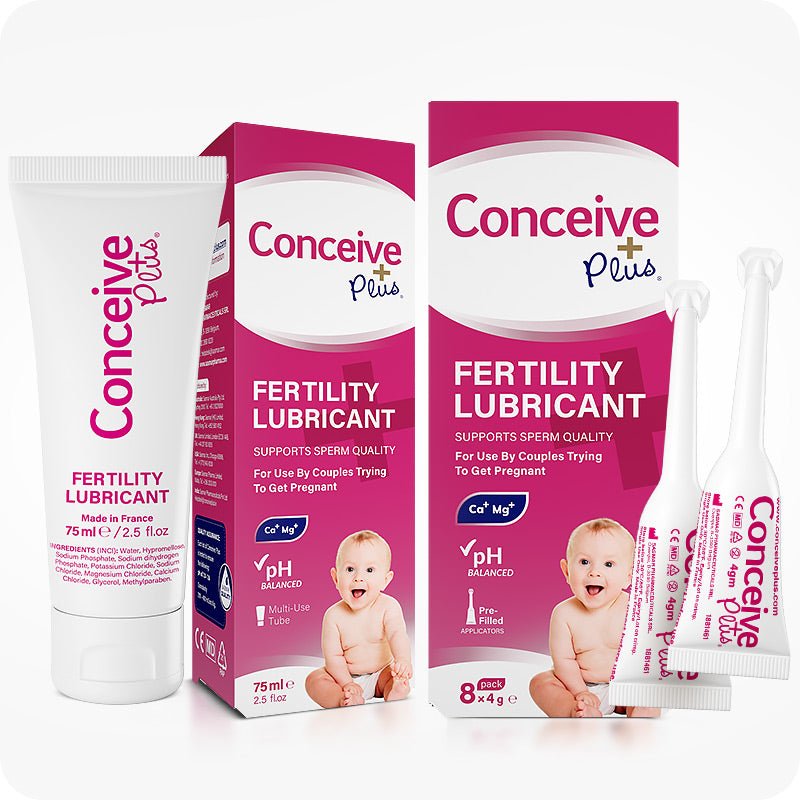
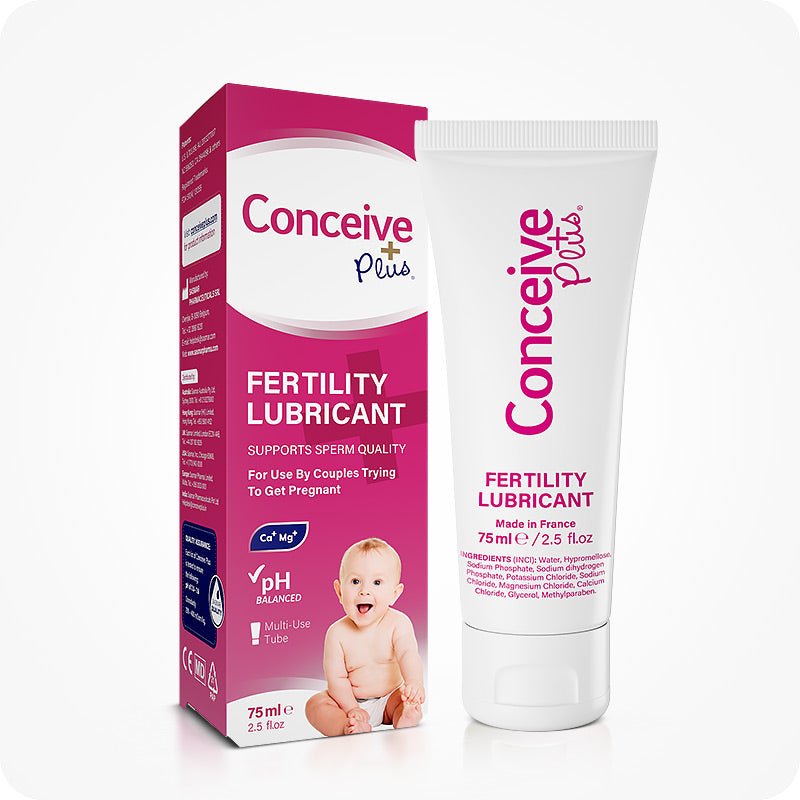
Pair your dietary improvements with Conceive Plus supplementation to ensure you're covering the nutrients that are difficult to obtain from food alone — and use Conceive Plus fertility lubricant to make the most of every fertile window opportunity. Good nutrition and the right fertility support products together give you the strongest possible foundation for conception.
Ready to boost your fertility journey? Explore Conceive Plus — trusted by thousands of couples worldwide.