Sperm Health 101: What Affects Sperm Quality and How to Improve It Naturally


Sperm Health 101: What Affects Sperm Quality and How to Improve It Naturally
Sperm health is one of the most important — and most overlooked — factors in fertility. Despite contributing to approximately half of all infertility cases, male reproductive health often doesn't receive the same attention as female fertility. The good news is that sperm production is highly responsive to lifestyle, nutrition, and supplementation. Understanding what affects sperm health and what you can do about it empowers men to take meaningful action in as little as three months.
This comprehensive guide covers sperm biology, the key factors that damage sperm quality, practical strategies to improve sperm count naturally, and the nutrients most supported by clinical evidence. Whether you're just beginning your TTC journey or recovering from a difficult semen analysis, this is your complete starting point.
Understanding Sperm: What Semen Analysis Actually Measures
A semen analysis evaluates sperm across several parameters:
- Volume: 1.4–7.6 mL per ejaculate (WHO 2021 reference)
- Concentration: ≥16 million/mL
- Total count: ≥39 million per ejaculate
- Total motility: ≥42% moving (any direction)
- Progressive motility: ≥30% moving forward purposefully
- Morphology: ≥4% normal forms (Kruger strict criteria)
- Vitality: ≥54% live sperm
A result below any reference value is termed oligozoospermia (low count), asthenozoospermia (low motility), or teratozoospermia (poor morphology). Beyond these standard parameters, sperm DNA fragmentation — not routinely tested but increasingly recommended — measures the percentage of sperm with damaged DNA strands. High fragmentation (>25%) correlates with poor fertilisation rates, lower embryo quality, and higher miscarriage risk even when standard parameters appear normal.
What Damages Sperm Health?
Ready to take action? Shop Conceive Plus fertility supplements →
Most sperm health problems are acquired rather than inherited. The primary driver is oxidative stress — excess reactive oxygen species (ROS) overwhelming seminal antioxidant defences. Here are the major culprits:
Heat Exposure
Spermatogenesis occurs in the testes at 2–4°C below core body temperature — this is why testes are external. Studies show laptop computer use on the lap raises scrotal temperature by 2.7°C within 28 minutes. Prolonged sitting, hot tubs, saunas, tight underwear, and occupational heat exposure are all documented risk factors. Even 30 minutes in a hot tub raises scrotal temperature enough to affect spermatogenesis for the following 6 weeks.
Smoking
Cigarette smoke contains over 4,000 identified compounds, dozens of which directly damage sperm. Smokers show 22% lower sperm concentration, 13% lower motility, higher morphology abnormalities, and significantly elevated sperm DNA fragmentation compared to non-smokers.
Alcohol
Alcohol is metabolised to acetaldehyde, a gonadotoxin that damages Leydig and Sertoli cells — responsible for testosterone production and sperm maturation respectively. Even moderate drinking (≥7 drinks/week) reduces testosterone and elevates oestrogen in men. Heavy drinking severely suppresses spermatogenesis over time.
Obesity
Obesity is associated with lower testosterone, higher oestradiol, increased scrotal temperature (from adipose tissue around the perineum), and elevated ROS in seminal plasma. Men with BMI >25 show statistically lower sperm concentration and motility; BMI >30 further increases DNA fragmentation risk. Even a 5–10% weight reduction improves parameters in overweight men.
Environmental Toxins
Endocrine-disrupting chemicals (EDCs) — including phthalates (in plastics), BPA (in plastic containers), pesticides, and heavy metals — mimic oestrogen, block testosterone receptors, or directly damage sperm DNA. Reducing exposure through diet and environmental choices is advisable when trying to improve sperm health.
Psychological Stress
Chronic psychological stress elevates cortisol, which suppresses GnRH pulsatility and downstream testosterone production. Multiple studies link high stress scores with lower sperm concentration and motility.
Anabolic Steroids and Testosterone Therapy
Exogenous testosterone — including testosterone replacement therapy (TRT) and anabolic steroids — suppresses the hypothalamic-pituitary-gonadal (HPG) axis, dramatically reducing endogenous testosterone production and causing spermatogenesis to halt. Men on TRT often have near-zero sperm counts. Recovery after discontinuation can take 6–24 months.
How to Improve Sperm Count Naturally: Nutrition
Diet is one of the most modifiable factors affecting sperm health. The Mediterranean dietary pattern is most consistently associated with better semen parameters in population studies.
Foods that support sperm quality:
- Tomatoes: Rich in lycopene, which reduces testicular oxidative stress. Men eating the most lycopene had 22% higher sperm concentration in one study
- Walnuts: Omega-3 and omega-6 fatty acids support sperm membrane composition. 75g/day improved motility and morphology in a 2012 RCT
- Leafy greens: Folate source — critical for DNA synthesis during spermatogenesis
- Oysters and pumpkin seeds: High zinc content — the most abundant mineral in seminal plasma
- Brazil nuts: Extremely high in selenium — just 2–3 per day meets the recommended intake for sperm structural integrity
- Fatty fish (salmon, mackerel, sardines): Omega-3 DHA is a structural component of sperm cell membranes
Foods to limit or avoid:
- Processed meats: Associated with lower motility and higher morphology abnormalities
- Trans fats: Strongly associated with lower total sperm count
- Refined carbohydrates and sugar: Drive insulin resistance, which correlates with lower testosterone
Exercise and Sperm Health
Moderate, regular exercise boosts testosterone, reduces adipose tissue, improves insulin sensitivity, and enhances antioxidant defences — all beneficial for sperm health. A 2017 systematic review of 15 studies found that moderate exercise (3–5 sessions/week, mixed resistance and aerobic) was associated with significantly higher sperm concentration and motility.
Excessive exercise, however, has the opposite effect. Elite endurance athletes often show impaired spermatogenesis from elevated cortisol, reduced testosterone, and testicular hyperthermia. If you train at high volumes, incorporate rest weeks and ensure adequate calorie and micronutrient intake.
Key Supplements to Improve Sperm Quality Naturally
Nutritional supplementation delivers therapeutic concentrations of sperm-protective nutrients that diet alone may not consistently provide. The most evidence-supported options include:
- Antioxidant complex (vitamin C + vitamin E + selenium): Reduces ROS burden in seminal plasma; improves motility and reduces DNA fragmentation
- CoQ10 (ubiquinol): Powers mitochondrial energy production in sperm flagella; meta-analyses confirm improved motility with 200–400 mg/day
- L-carnitine and acetyl-L-carnitine: Support fatty acid metabolism and sperm energy; particularly effective for motility (1–2 g/day each)
- Zinc: Testosterone synthesis, DNA stabilisation, acrosome function (25–45 mg/day)
- Lycopene: Reduces testicular oxidative stress; improves count and morphology (4–8 mg/day)
- Omega-3 DHA: Structural component of sperm membrane; supports acrosome reaction
- Folate/methylfolate: DNA synthesis integrity; reduces chromosomal abnormalities
Conceive Plus Men's Fertility Support provides a comprehensive formulation covering these key nutrients in clinically relevant doses. One daily dose delivers the complete antioxidant and micronutrient protocol most relevant to sperm health.
→ Shop Conceive Plus Men's Fertility Support at conceiveplus.com.au
The 90-Day Sperm Production Window
Spermatogenesis — producing mature sperm from stem cells — takes approximately 72–90 days. This means that the sperm present in an ejaculate today were produced 2–3 months ago, under whatever environmental and nutritional conditions existed then. The implications for planning:
- Changes made today won't appear in semen analysis for 90 days
- Start supplements and lifestyle changes at least 3 months before your target conception window
- For IVF/ICSI, start optimisation at least 3 months before egg retrieval
- Allow 90 days minimum before repeat semen analysis to assess supplement response
Every day of healthier habits is literally building better sperm for 3 months from now — which is both the challenge and the opportunity of male fertility optimisation.
Lubricants and Sperm Health: A Critical Consideration
Many couples use lubricants during intercourse — but most commercial lubricants (including KY Jelly, Astroglide, and coconut oil) significantly reduce sperm motility. Studies show these can impair motility by 60–90% within 30–60 minutes of exposure.
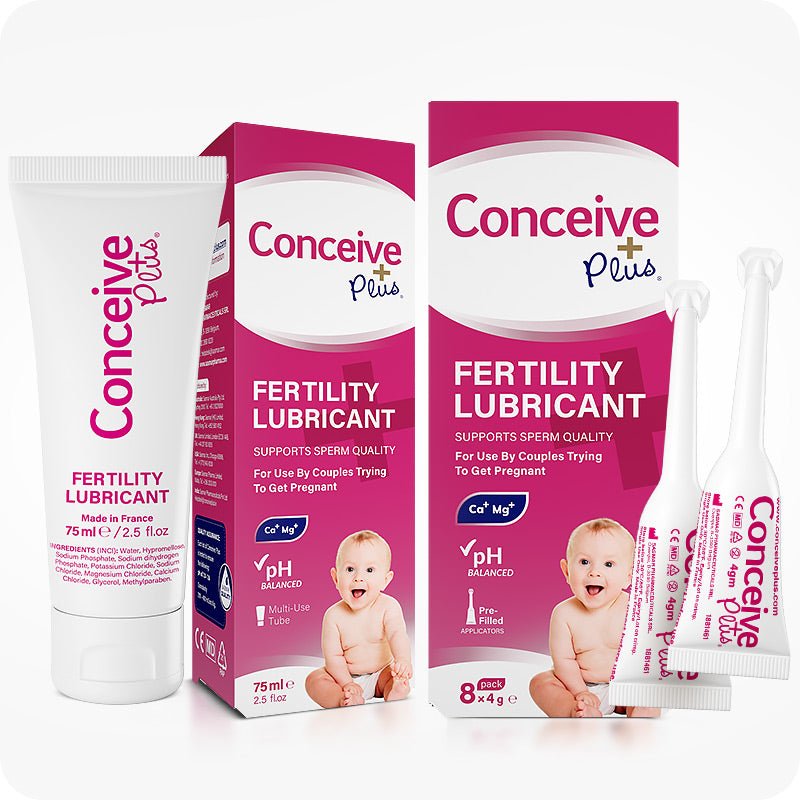
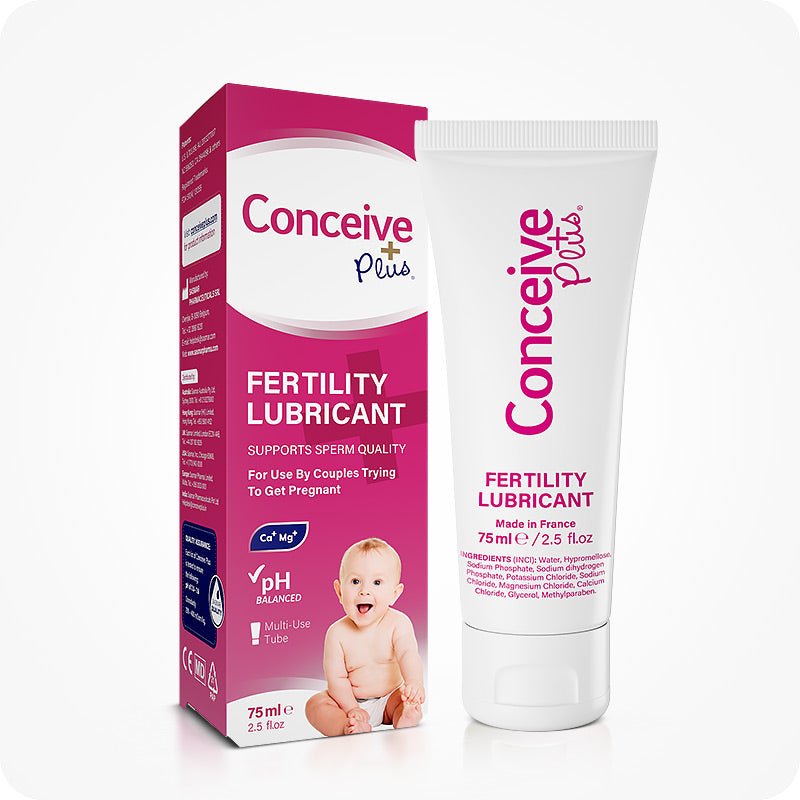
If lubrication is needed during the fertile window, choose a sperm-friendly option. Conceive Plus fertility lubricant is specifically formulated to be isotonic and pH-balanced, with calcium and magnesium ions that support sperm function — matching the natural environment of fertile cervical mucus.
When to Seek Medical Evaluation
Seek specialist evaluation if you have severe oligozoospermia (<5 million/mL), azoospermia, abnormal hormone levels, persistent low libido, small testes, or gynaecomastia. Also seek evaluation if no pregnancy has occurred after 12 months of trying with a normal female evaluation. A urologist or andrologist can order the right tests and determine whether natural optimisation alone is sufficient or whether additional treatment is warranted.
Frequently Asked Questions: Sperm Health
Q1: How quickly can lifestyle changes improve sperm health?
Early improvements in seminal antioxidant status can occur within weeks. However, because it takes 72–90 days to produce a mature sperm cell, measurable improvements in semen analysis parameters require at least 3 months. Stick with your protocol consistently for 90 days before reassessing.
Q2: Does ejaculation frequency affect sperm quality?
Yes. Abstaining for very long periods (>5 days) increases count but worsens DNA integrity. For TTC purposes, every 1–2 days during the fertile window is optimal — this maintains fresh, high-quality sperm without depleting reserves.
Q3: Can hot showers affect sperm count?
Brief hot showers are unlikely to cause significant problems. However, prolonged hot baths or hot tubs raise scrotal temperature enough to impair spermatogenesis for several weeks afterward.
Q4: Does varicocele always cause infertility?
No — many men with varicocele conceive naturally. However, varicocele is the most common correctable cause of male infertility, and surgical repair (varicocelectomy) improves parameters in approximately 60–70% of cases.
Q5: Can I use lubricant when trying to conceive?
Standard lubricants should be avoided. Conceive Plus is specifically formulated to be isotonic and pH-balanced, with Ca²⁺ and Mg²⁺ ions that support sperm function — it's the safe choice for couples who need lubrication during TTC.
Q6: Does cannabis affect sperm health?
Yes. THC has been shown to reduce sperm count, impair motility, and alter sperm morphology. Heavy cannabis use is associated with twice the rate of poor morphology. Effects appear reversible with cessation, but 90 days is needed to see improvement in parameters.
Q7: Are there foods that significantly harm sperm quality?
Processed meats, trans fats, and high sugar intake have the strongest association with poor parameters in observational studies. Alcohol in large quantities is harmful; even moderate consumption has a measurable effect on testosterone and sperm quality.
Q8: Is it possible to improve morphology through supplementation?
Yes, though morphology is the parameter slowest to respond — it requires the longest supplementation period (90–180 days) and is most sensitive to folate status, selenium, and antioxidant protection during spermatid development.
Q9: How does obesity specifically harm sperm health?
Obesity creates a pro-inflammatory, high-oestrogen, low-testosterone environment while simultaneously raising scrotal temperature from perineal adipose tissue. All four mechanisms independently impair spermatogenesis. Even modest weight loss (5–10% of body weight) measurably improves sperm parameters in overweight men.
Q10: Should both partners take fertility supplements?
Yes — both male and female fertility respond to nutritional optimisation. Women benefit from folate, CoQ10, omega-3, vitamin D, and inositol. Men benefit from the antioxidant stack described in this article. Both partners optimising simultaneously maximises monthly conception probability.
Ready to take action? Shop Conceive Plus fertility supplements →