Fertility Diet: The Evidence-Based Guide to Eating for Conception in 2026


Fertility Diet: The Evidence-Based Guide to Eating for Conception in 2026
Nutrition is one of the most modifiable factors affecting reproductive health. A fertility diet — built around evidence-based food choices that support hormonal balance, egg quality, sperm health, and uterine receptivity — can meaningfully improve conception outcomes for both partners.
This comprehensive guide covers the science behind fertility nutrition, the foods that matter most, what to avoid, and how to build a practical fertility diet that supports your conception journey.
Why Diet Matters for Fertility
The evidence that nutrition affects fertility is robust and growing. A landmark Harvard study — the Nurses' Health Study — followed over 17,000 women attempting to conceive and identified specific dietary patterns strongly associated with ovulatory infertility. Women following a "fertility diet" pattern rich in plant-based protein, full-fat dairy, iron from plant sources, and low-glycaemic carbohydrates were 66% less likely to experience ovulatory infertility than those following a typical Western diet.
For men, the impact of diet on sperm quality is equally well-documented. The Western dietary pattern — high in processed foods, red meat, trans fats, and refined sugars — is consistently associated with lower sperm count, reduced motility, and increased DNA fragmentation. The Mediterranean dietary pattern, conversely, is associated with significantly better sperm parameters in epidemiological studies across multiple countries.
The Core Principles of a Fertility Diet
1. Prioritise Antioxidant-Rich Foods
Oxidative stress — caused by an imbalance between reactive oxygen species (free radicals) and antioxidant defences — is a primary driver of both poor egg quality and sperm DNA damage. A fertility diet rich in antioxidants directly combats this.
Key antioxidant foods:
- Berries (blueberries, raspberries, strawberries) — highest antioxidant density of any fruit
- Dark leafy greens (spinach, kale, Swiss chard) — vitamin C, vitamin E, folate, and lutein
- Tomatoes — lycopene, a carotenoid with particular benefit for male fertility
- Walnuts — omega-3 fatty acids, vitamin E, and polyphenols
- Green tea — catechins and EGCG with documented antioxidant benefit
- Dark chocolate (70%+) — flavonoids and zinc
2. Embrace Healthy Fats
Omega-3 fatty acids (EPA and DHA, found in oily fish; ALA in plant sources) are critical for reproductive health. DHA is incorporated into sperm cell membranes and egg membranes, improving fluidity and signalling capacity. Omega-3s also reduce systemic inflammation — a driver of poor implantation and early miscarriage.
Best sources: Atlantic salmon, sardines, anchovies, mackerel, walnuts, chia seeds, flaxseed, hemp seeds. Aim for at least 2 servings of oily fish per week (avoiding high-mercury fish like shark, swordfish, and king mackerel).
3. Choose Low-Glycaemic Carbohydrates
High-glycaemic carbohydrates (white bread, white rice, sugary drinks, processed snacks) spike blood sugar and insulin, disrupting the hormonal signals that govern ovulation. Insulin resistance — common in PCOS and subclinical in many women — directly impairs follicular development and ovulation.
A fertility diet replaces refined carbohydrates with low-GI alternatives: quinoa, lentils, sweet potato, oats, and whole grain bread. These choices stabilise blood sugar, support insulin sensitivity, and provide sustained energy without hormonal disruption.
4. Optimise Protein Sources
The Nurses' Health Study found a striking association between vegetable protein intake and reduced ovulatory infertility risk. Replacing just 5% of energy from animal protein with vegetable protein reduced the risk of ovulatory infertility by 50%. Plant proteins (legumes, tofu, tempeh, quinoa) are not only protein sources but also fibre-rich and antioxidant-dense.
This doesn't mean eliminating animal protein — eggs, lean poultry, and oily fish remain fertility-friendly. The key shift is reducing red and processed meat, which is consistently associated with poorer reproductive outcomes.
Key Nutrients in a Fertility Diet
Folate (Vitamin B9)
The most critical nutrient in early pregnancy — folate reduces neural tube defect risk by up to 70%. But its role begins before conception: folate is essential for DNA replication and cell division in developing eggs and, in men, for sperm DNA integrity. All women trying to conceive should supplement with 400–800 mcg of methylfolate (the bioavailable form) daily. Diet alone rarely provides adequate levels.
Iron
The Nurses' Health Study found that women with the highest non-haeme iron intake (from plant sources: lentils, spinach, tofu, fortified cereals) had significantly lower rates of ovulatory infertility. Interestingly, haeme iron from red meat was not associated with the same benefit — further supporting a plant-first fertility diet approach for iron.
Vitamin D
Vitamin D deficiency is pandemic in Australia (despite high sun exposure) due to sun-avoidance behaviours and indoor lifestyles. In both sexes, vitamin D is linked to ovarian function, sperm motility, and implantation success. A 2018 meta-analysis found women with optimal vitamin D levels were 34% more likely to achieve clinical pregnancy in IVF cycles. Target serum 25(OH)D: 40–60 ng/mL.
Zinc
Critical for ovulation (zinc spikes in the egg immediately before fertilisation, the "zinc spark"), progesterone production, and male sperm production. Best dietary sources: oysters (richest source), pumpkin seeds, beef, cashews, chickpeas. Supplementation at 25 mg/day is often needed to reach therapeutic levels in both partners.
Iodine
Often overlooked in fertility nutrition, iodine is essential for thyroid hormone production — and thyroid function directly impacts ovulation, implantation, and early pregnancy. Sub-clinical hypothyroidism is a significant cause of unexplained infertility in Australian women. Ensure adequate iodine through iodised salt, seaweed, dairy, and eggs.
Foods to Limit or Avoid on a Fertility Diet
- Trans fats: Even small amounts of industrially produced trans fats (partially hydrogenated oils) are associated with significantly increased ovulatory infertility risk. Found in some margarines, fast food, and packaged baked goods. Check labels for "partially hydrogenated" oil.
- High-mercury fish: Mercury accumulates in large predatory fish and is toxic to the developing nervous system. Avoid shark, swordfish, orange roughy, and bigeye tuna during conception attempts and pregnancy.
- Excessive alcohol: Any alcohol consumption reduces fertility in women (even moderate intake is associated with longer time-to-pregnancy) and impairs sperm quality in men. Abstaining during active conception attempts is the safest approach.
- Ultra-processed foods: Associated with systemic inflammation, insulin resistance, and nutrient displacement — all detrimental to reproductive function.
- Excess caffeine: Over 200 mg/day (approximately 2 espressos) is associated with reduced fertility and increased early miscarriage risk. This applies to both partners.
- Soy in excess: While moderate soy consumption (1–2 servings/day) is well-tolerated, very high soy intake can theoretically affect hormonal signalling due to phytoestrogen content. Balance is key.
The Mediterranean Fertility Diet: A Practical Framework
The most evidence-supported dietary pattern for fertility is the Mediterranean diet — consistently associated with better sperm quality, higher IVF success rates, and improved ovulation regularity. A practical daily Mediterranean fertility diet looks like:
- Breakfast: Greek yoghurt with mixed berries, walnuts, and drizzle of honey. Green tea.
- Lunch: Large salad with leafy greens, chickpeas, avocado, tomatoes, olive oil and lemon dressing. Whole grain flatbread.
- Dinner: Baked salmon with roasted sweet potato, steamed broccoli, and quinoa. Olive oil drizzle.
- Snacks: Handful of mixed nuts; apple with almond butter; hummus with vegetable sticks.
- Hydration: Water, herbal teas (red raspberry leaf tea, peppermint), occasional green tea.
Conceive Plus: Nutritional Support Meets Sperm-Safe Lubricant
A fertility diet addresses the internal environment — but conception also depends on the environment sperm travel through during intercourse. Conceive Plus fertility supplements complement your dietary approach, providing therapeutic doses of the key nutrients that diet alone may not supply in sufficient amounts.
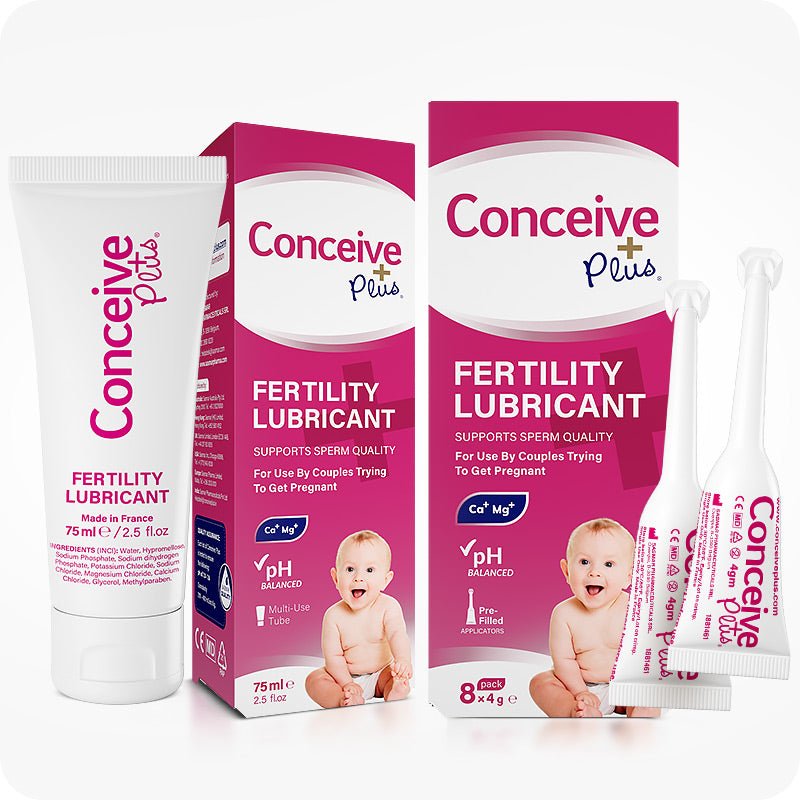
Conceive Plus also offers its award-winning sperm-safe fertility lubricant, formulated with calcium and magnesium ions to support sperm function during timed intercourse — ensuring your fertile window counts.
Support your fertility diet with targeted supplementation. Shop Conceive Plus fertility supplements — designed for Australian couples serious about conceiving.
Frequently Asked Questions About the Fertility Diet
Q: How quickly can a fertility diet improve conception chances?
A: Dietary changes can begin improving egg and sperm quality within 3 months — the timeframe of one full spermatogenesis cycle and approximately the time required for follicular development. Committing to a fertility diet 3–6 months before actively trying to conceive yields the best outcomes.
Q: Should both partners follow a fertility diet?
A: Yes — fertility is a shared endeavour. While women's nutrition receives more attention, male dietary patterns directly affect sperm count, motility, and DNA integrity. The Mediterranean fertility diet benefits both partners.
Q: Is full-fat dairy better than low-fat dairy for fertility?
A: The Nurses' Health Study found an unexpected association between full-fat dairy and reduced ovulatory infertility, and between low-fat dairy and increased risk. The mechanism is thought to involve sex hormones concentrated in fat that are altered during fat removal. One serving of full-fat dairy per day (yoghurt, milk, or cheese) is a reasonable evidence-based choice.
Q: Can a vegan diet support fertility?
A: A well-planned vegan diet can support fertility, but requires careful attention to nutrients typically found in animal products: vitamin B12 (supplement required), omega-3 DHA (algae-based supplements recommended), zinc (higher requirement due to phytate inhibition of absorption), iodine, and haeme iron alternatives. Supplementation is generally necessary.
Q: Does coffee actually reduce fertility?
A: Moderate evidence suggests that more than 200–300 mg/day of caffeine (roughly 2 cups of coffee) may modestly increase time-to-pregnancy and early miscarriage risk. Reducing to 1 cup/day or switching to green tea (lower caffeine, higher antioxidants) during conception attempts is a reasonable precaution.
Q: What are the best foods for sperm quality?
A: Walnuts (omega-3s and antioxidants), tomatoes (lycopene), oysters (zinc and selenium), oily fish (DHA), pumpkin seeds (zinc), dark chocolate (flavonoids and zinc), eggs (selenium and CoQ10), and leafy greens (folate and antioxidants). The Mediterranean dietary pattern incorporating these foods is most consistently associated with better sperm parameters.
Q: Does weight affect fertility, and can a fertility diet help?
A: Yes — both underweight and overweight/obese BMI are associated with fertility challenges. Excess body fat increases oestrogen and can suppress ovulation; very low body fat disrupts the hypothalamic-pituitary-ovarian axis. A fertility diet rich in nutrients and fibre, combined with regular moderate exercise, supports healthy weight management as part of a comprehensive fertility strategy.
Q: Should I take prenatal vitamins even before pregnancy?
A: Absolutely. Starting a prenatal vitamin (or dedicated fertility supplement) 3 months before attempting conception ensures adequate folate, iodine, iron, and vitamin D levels are established before the critical early weeks of pregnancy — often before a woman even knows she is pregnant.
Pair your fertility diet with the right supplements. Explore Conceive Plus — trusted by Australian couples on their conception journey.