The Fertility Diet: What to Eat When Trying to Conceive in Australia


The Fertility Diet: What to Eat When Trying to Conceive in Australia
When it comes to improving your chances of conception, what you eat matters more than most people realise. A growing body of research — including landmark studies from Harvard Medical School — has established clear links between dietary patterns and fertility outcomes in both men and women. The good news for Australians: many of the most fertility-supportive foods are readily available year-round, and the Mediterranean-style eating pattern that consistently tops fertility research aligns perfectly with Australian fresh food culture.
The Science Behind the Fertility Diet
The Nurses' Health Study II, which followed over 17,000 women without a history of infertility, is one of the most comprehensive dietary fertility studies ever conducted. It identified a specific eating pattern — now widely known as the Fertility Diet — associated with significantly lower risk of ovulatory infertility. Women who closely followed this dietary pattern had an 80% lower risk of infertility caused by ovulatory disorders compared to those who didn't.
The diet emphasises whole grains over refined carbohydrates, plant proteins over animal proteins, full-fat dairy in moderation, healthy fats (particularly monounsaturated and omega-3), and generous amounts of vegetables, fruits, and legumes. Critically, it minimises trans fats, excessive sugar, refined carbohydrates, and red and processed meat.
For male fertility, the evidence is similarly compelling. A 2019 meta-analysis in Human Reproduction Update found that adherence to a healthy dietary pattern — high in fish, vegetables, fruit, whole grains, and low-fat dairy — was significantly associated with better semen quality, including higher sperm concentration and total motility.
Fertility Superfoods Worth Adding to Your Australian Grocery List
💊 Ready to Support Your Fertility Journey?
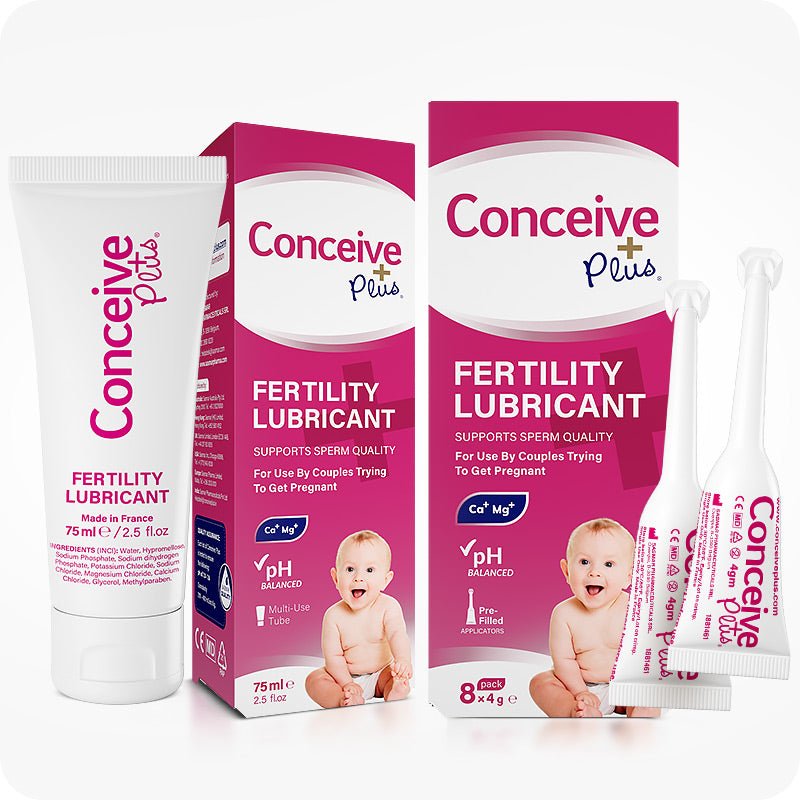
Conceive Plus offers clinically formulated fertility supplements trusted by couples worldwide. Explore Our Fertility Supplements →
Certain foods stand out for their particularly strong evidence base in supporting reproductive health:
Salmon and other oily fish: Australia's proximity to excellent fisheries makes fresh salmon, mackerel, sardines, and trout readily accessible. These are among the best dietary sources of omega-3 fatty acids (particularly DHA and EPA), which are critical for egg quality, placental development, and sperm membrane integrity. Women eating 2–3 servings of oily fish weekly in fertility studies showed better embryo quality and higher live birth rates in IVF cycles.
Avocado: A quintessential Australian favourite and a fertility diet all-star. Avocados are rich in monounsaturated fats, folate, vitamin E, and potassium — all nutrients with roles in reproductive health. A 2018 Harvard study found that women undergoing IVF who consumed the most monounsaturated fat (mainly from avocado and olive oil) had 3.4 times higher odds of live birth.
Legumes and lentils: Plant protein has been consistently shown to support ovulatory function better than animal protein in fertility research. Australian-grown chickpeas, lentils, kidney beans, and soybeans provide plant protein alongside iron, folate, and fibre. Replacing even 5% of animal protein calories with plant protein was associated with a 50% lower risk of ovulatory infertility in the Nurses' Health Study.
Full-fat dairy: Counter-intuitively, full-fat dairy (whole milk, full-fat yoghurt, cheese) appears to be more fertility-supportive than low-fat versions. The Harvard study found that each additional daily serving of full-fat dairy was associated with a 27% lower risk of anovulatory infertility. The mechanism may involve fat-soluble hormones and growth factors present in milk fat.
Walnuts and Brazil nuts: Walnuts are the richest plant source of ALA omega-3 fatty acids. A small clinical trial found that adding 75g of walnuts daily to a Western diet significantly improved sperm vitality, motility, and morphology. Brazil nuts provide selenium — one of the most important antioxidants for sperm DNA protection — with just 2–3 nuts per day meeting daily requirements.
Dark leafy greens: Spinach, kale, silverbeet, and rocket are staples of Australian cooking and provide folate (essential for preventing neural tube defects and supporting egg quality), iron, and antioxidants. Women with the highest dietary folate intakes have been shown to have lower rates of chromosomal abnormalities in eggs.
Foods and Nutrients That Support Male Fertility
Male dietary choices are equally important — research suggests diet accounts for a significant proportion of unexplained male infertility. Australian men should focus on:
Zinc-rich foods: Oysters are the richest dietary zinc source (just 6 oysters provide over 400% of daily requirements). Other good sources include beef, lamb, pumpkin seeds, and legumes. Zinc is essential for testosterone synthesis, sperm production, and protecting sperm DNA from oxidative damage.
Lycopene: This powerful antioxidant, found in tomatoes (especially cooked), watermelon, and pink grapefruit, concentrates in the testes and has been shown to improve sperm concentration and motility. Lycopene intake of 4–8 mg/day is associated with significant improvements in semen parameters in men with idiopathic infertility.
Antioxidant-rich fruits: Australian tropical fruits — mango, papaya, guava — are among the most antioxidant-dense in the world. Antioxidants protect sperm from reactive oxygen species (ROS), which damage sperm membranes and DNA. Men with low seminal antioxidant levels have significantly higher rates of sperm DNA fragmentation.
Limiting processed and red meat: Multiple studies link high processed meat consumption (deli meats, sausages, bacon) with reduced sperm quality. Australian men who eat 5+ servings of processed meat weekly show significantly lower sperm motility in fertility research. Swapping some red and processed meat for fish, chicken, and legumes appears to meaningfully improve semen parameters.
The Role of Folate and Key Micronutrients in Conception
While diet provides a foundation, some nutrients are difficult to obtain in optimal amounts from food alone — particularly during the critical preconception period. Australian health authorities recommend:
Folate (Folic Acid): The most established preconception supplement. The recommended daily intake for women trying to conceive is 400–800 mcg, begun at least one month before conception. Those with MTHFR gene variants (which affect folate metabolism) benefit from the active form — methylfolate (5-MTHF) — rather than synthetic folic acid. Look for prenatal supplements listing "methylfolate" on the label.
Iodine: Australia's soils are low in iodine, and the National Health and Medical Research Council (NHMRC) recommends 150 mcg of iodine daily for women planning pregnancy. Iodine is essential for thyroid function, which directly affects ovulation and early pregnancy development.
Vitamin D: Despite Australia's famous sunshine, vitamin D deficiency is surprisingly common — studies suggest 30–40% of Australian adults have suboptimal levels. Vitamin D receptors are found in ovarian tissue, and deficiency is associated with poorer IVF outcomes and cycle irregularity. The NHMRC recommends serum 25(OH)D levels above 50 nmol/L for reproductive health.
Iron: Non-haem iron (from plant sources) was specifically associated with reduced ovulatory infertility risk in the Nurses' Health Study. Women eating the most non-haem iron had a 40% lower risk of ovulatory infertility. Iron-rich plant foods include legumes, dark leafy greens, tofu, and fortified cereals.
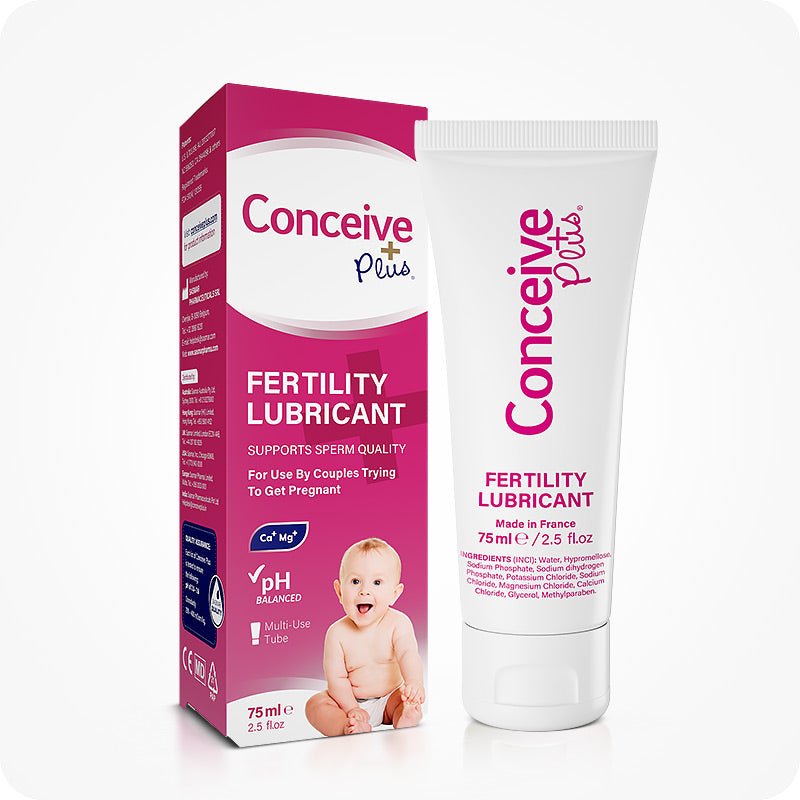
Conceive Plus offers a comprehensive range of fertility supplements formulated for couples trying to conceive, available in Australia from conceiveplus.com.au. Their products are designed to complement a fertility-focused diet with the key micronutrients that support reproductive health.
Foods to Limit or Avoid When Trying to Conceive
The fertility diet is as much about what to reduce as what to add. Australian women and men trying to conceive should be mindful of:
Trans fats: The most consistently damaging dietary factor for ovulatory fertility. Even small amounts (2% of daily calories) were associated with a 73% higher risk of ovulatory infertility in the Harvard study. Trans fats are largely phased out of Australian food manufacturing but can still appear in imported foods, some margarines, and commercially fried foods.
High-glycaemic carbohydrates: White bread, white rice, sugary cereals, and sweets cause rapid blood glucose and insulin spikes that can disrupt ovarian hormone balance and ovulatory function. Swapping to low-GI alternatives (sourdough, brown rice, oats, legumes) supports more stable reproductive hormones.
Excessive caffeine: Current evidence suggests up to 200 mg/day (roughly 1–2 cups of coffee) is safe for women trying to conceive. Higher intakes have been associated with slightly longer time to conception and potential risk of miscarriage. Australian-style espresso is typically stronger per cup than filter coffee — factor this in when estimating daily intake.
Alcohol: No safe level of alcohol consumption in pregnancy has been established, and evidence suggests reducing alcohol during the conception period also supports fertility. Australian guidelines advise no alcohol during pregnancy; for the preconception period, limiting intake to no more than 10 standard drinks per week is the current recommendation — less is better.
High-mercury fish: Some fish high in mercury — shark (flake), broadbill, marlin, orange roughy — should be avoided when trying to conceive. Mercury accumulates in the body and can affect both egg quality and early fetal development. Safer high-omega-3 options include salmon, tuna (in moderation), sardines, and mackerel.
Hydration and Fertility: The Often-Overlooked Factor
Adequate hydration supports cervical mucus production — a critical factor in sperm transport and survival. Dehydration leads to thicker, less hospitable cervical secretions, reducing the quality of the environment sperm must navigate to reach the egg.
Australian summers are particularly demanding in terms of hydration requirements. Aim for 2–3 litres of fluid daily, primarily water. Herbal teas (except those contraindicated in pregnancy, such as high doses of certain herbs) can contribute to hydration. Avoid using sugary sports drinks to meet hydration goals.
Frequently Asked Questions About the Fertility Diet in Australia
Q: How long does it take for dietary changes to improve fertility?
A: For women, improving egg quality through diet takes at least 3 months (the approximate time for an egg to mature through its developmental stages). For sperm, results from dietary improvements may be seen in 3 months (the sperm development cycle). Consistent dietary changes over this period are most likely to produce measurable benefits.
Q: Should Australian women take a prenatal vitamin as well as eating a fertility diet?
A: Yes. Despite our best dietary efforts, achieving optimal intake of all fertility-critical nutrients through food alone is challenging. A quality prenatal supplement containing methylfolate, iodine, vitamin D, and iron helps fill gaps, particularly given the soil deficiencies and dietary patterns common in Australia.
Q: Is the Mediterranean diet the best fertility diet?
A: It's the most well-studied and consistently supported dietary pattern for fertility outcomes in peer-reviewed research. The Mediterranean diet shares most principles with the Harvard Fertility Diet — emphasising olive oil, fish, vegetables, legumes, whole grains, and moderate dairy, while limiting red and processed meat.
Q: Does being overweight affect fertility in Australia?
A: Yes, significantly. Obesity is associated with insulin resistance, hormonal disruption, and reduced ovulation frequency. Even modest weight loss of 5–10% of body weight in overweight women has been shown to restore ovulatory cycles and improve fertility outcomes. A fertility diet focused on low-GI foods and high-quality protein supports healthy weight as well as reproductive function.
Q: Are plant-based diets suitable when trying to conceive?
A: A well-planned plant-based diet can support fertility, but requires careful attention to nutrients commonly lacking without animal products — particularly vitamin B12, iron, zinc, omega-3 (particularly DHA, which requires supplementation on a vegan diet), and iodine. A dietitian specialising in plant-based nutrition can help ensure your diet meets preconception requirements.
Q: What Australian foods are particularly good for fertility?
A: Australia has excellent access to fertility-supportive foods year-round. Highlights include: Atlantic salmon and barramundi (omega-3), avocado (monounsaturated fats, folate), macadamia nuts (monounsaturated fats), local leafy greens (folate, iron), Australian-grown legumes (plant protein, iron), fresh tropical fruits (antioxidants), and full-fat dairy.
Q: Can stress affect how well the fertility diet works?
A: Yes. Chronic stress elevates cortisol, which can suppress reproductive hormones and disrupt ovulation even when diet is optimal. Managing stress through regular exercise, mindfulness, adequate sleep, and social support complements dietary efforts for best fertility outcomes.
Q: Should my male partner also follow a fertility diet?
A: Absolutely. Sperm quality is significantly affected by diet — the Mediterranean dietary pattern improves sperm concentration, motility, and morphology. Given that male factor contributes to approximately 40–50% of fertility challenges, optimising both partners' diets is essential.
Q: How do supplements fit into a fertility diet?
A: Think of supplements as filling the gaps your diet can't reliably cover — not replacing dietary effort. Key supplements for women include methylfolate, vitamin D, iodine, and omega-3. For men, antioxidant-focused supplements with zinc, selenium, CoQ10, and L-carnitine address the most common nutritional factors in sperm quality.
Q: Where can I find fertility supplements available in Australia?
A: Conceive Plus offers a full range of fertility-supporting supplements shipped to Australia. Their formulas are specifically designed for couples trying to conceive, addressing both female and male reproductive nutritional needs.
🌿 Start Your Conceive Plus Journey Today
Join thousands of couples who trust Conceive Plus for evidence-backed fertility support. Shop All Conceive Plus Products →