Fertility Diet for Women: Foods That Support Egg Quality and Hormone Balance


When it comes to getting pregnant, what you eat can have a profound impact on your reproductive health. Emerging research shows that diet plays a significant role in egg quality, hormonal balance, and overall fertility — and the good news is that many dietary changes are within your control.
This comprehensive guide explores the science of fertility nutrition, covering the best foods for egg quality, key vitamins and minerals, and how to build a diet that supports your conception goals. Whether you're just starting your TTC journey or looking to optimise your approach, this guide offers actionable, evidence-based advice.
Why Diet Matters for Female Fertility
Fertility is influenced by a complex interplay of hormones, egg quality, uterine health, and overall metabolic function — all of which are significantly affected by diet. Several large-scale studies have confirmed that dietary patterns can measurably influence fertility outcomes.
The Harvard Nurses' Health Study II, which followed over 18,000 women for 8 years, found that women who consumed a "fertility diet" (characterised by higher intake of plant protein, full-fat dairy, iron, and monounsaturated fats) had a significantly lower risk of ovulatory infertility compared to those with poor dietary patterns. The study, published in Obstetrics & Gynecology, found that women in the top quintile of the fertility diet score had an 80% reduced risk of ovulatory infertility.
More recent research has focused on specific dietary components and their effects on:
- Egg quality: Mitochondrial function, oxidative stress, and chromosomal integrity of oocytes
- Ovulation: Hormonal regulation of the LH surge and follicular development
- Implantation: Endometrial receptivity and uterine lining quality
- Hormone balance: Oestrogen, progesterone, FSH, and insulin sensitivity
Top Foods for Egg Quality
Egg quality is arguably the most important factor in female fertility. As eggs age, mitochondrial function declines and the risk of chromosomal abnormalities increases — but diet can help mitigate this process through antioxidant protection and nutrient support.
Antioxidant-Rich Foods
Oxidative stress is a primary driver of egg quality decline. Antioxidants neutralise free radicals that damage egg DNA and mitochondria. The best dietary antioxidants for egg quality include:
- Berries (blueberries, strawberries, raspberries) — rich in anthocyanins and vitamin C
- Dark leafy greens (spinach, kale, silverbeet) — high in lutein, zeaxanthin, and folate
- Tomatoes — excellent source of lycopene, linked to improved egg quality in research
- Sweet potatoes — high in beta-carotene (a precursor to vitamin A)
- Nuts and seeds — particularly walnuts (omega-3s) and sunflower seeds (vitamin E)
Protein Sources
Adequate protein supports hormone production and provides amino acids essential for egg development. Research suggests that swapping animal protein for plant protein may reduce ovulatory infertility risk. Good fertility-supporting proteins include:
- Legumes (lentils, chickpeas, edamame) — also provide folate and iron
- Wild-caught salmon — rich in omega-3 fatty acids and vitamin D
- Eggs — provide choline, important for egg quality and early embryo development
- Organic chicken or turkey (moderate amounts)
- Greek yogurt (full-fat) — provides protein and calcium with potential fertility benefits
Healthy Fats
The cell membranes of eggs are composed primarily of fatty acids, making dietary fat quality crucial for egg health. Prioritise:
- Avocados — monounsaturated fats support hormone production; a study found women undergoing IVF who ate avocado had 3.5x higher pregnancy rates
- Extra virgin olive oil — oleic acid and polyphenols with anti-inflammatory properties
- Oily fish — DHA and EPA omega-3s are critical for egg membrane integrity
- Walnuts and flaxseeds — plant-based omega-3s (ALA)
The Mediterranean Diet and Fertility
The Mediterranean diet is consistently ranked as one of the most fertility-supportive dietary patterns. Characterised by high consumption of vegetables, fruits, whole grains, legumes, nuts, and olive oil — with moderate fish and poultry and limited red meat and sweets — it provides a comprehensive profile of fertility-supporting nutrients.
A 2018 study in Human Reproduction found that adherence to a Mediterranean diet was associated with a 40% higher likelihood of achieving pregnancy in women undergoing IVF. A 2021 meta-analysis confirmed these findings, with higher Mediterranean diet scores linked to significantly better fertility outcomes.
Key benefits for fertility include:
- High antioxidant load from fruits, vegetables, and olive oil
- Anti-inflammatory effects (inflammation impairs implantation and ovulation)
- Stable blood sugar from whole grains and fibre (supports insulin sensitivity critical for hormonal balance)
- Omega-3 fatty acids from fish (supports prostaglandin balance and endometrial health)
- Adequate folate from legumes and leafy greens
An Australian twist on the Mediterranean diet might include kangaroo meat (lean and iron-rich), sardines and mackerel (cheaper omega-3 options), native leafy greens, and local berries like Davidson plums.
Key Vitamins and Minerals for Conception
Folate (Vitamin B9)
Folate is essential for DNA synthesis and cell division — processes central to egg maturation and early embryo development. The Australian recommended intake is 400 mcg/day before conception and 600 mcg/day during pregnancy. Food sources include dark leafy greens, legumes, asparagus, and avocado. Supplementation is strongly recommended for all women TTC.
Coenzyme Q10 (CoQ10)
CoQ10 is a mitochondrial energy molecule that declines with age. It has been shown in clinical studies to improve egg quality, particularly in older women. A 2018 study found that CoQ10 supplementation significantly improved ovarian response and pregnancy rates in older women undergoing IVF. Food sources include organ meats, sardines, and beef — but supplemental doses (200–600 mg/day) are generally needed for therapeutic effect.
Vitamin D
Vitamin D deficiency is associated with lower fertility rates, impaired implantation, and higher miscarriage risk. Australian women are surprisingly vitamin D deficient despite sunny conditions, due to sun avoidance for skin protection. Optimal fertility levels are 75–150 nmol/L. Ask your GP for a blood test. Food sources: oily fish, eggs, fortified dairy.
Iron
Iron deficiency impairs ovulation and increases miscarriage risk. Non-haem (plant) iron from legumes and leafy greens is sufficient for many women; pair with vitamin C to enhance absorption. Women with heavy periods are particularly at risk of deficiency.
Iodine
Iodine is essential for thyroid function, which regulates reproductive hormones. Iodine deficiency is increasingly common in Australia. Good sources include seafood, dairy, and iodised salt. The Australian recommended intake for women TTC is 220 mcg/day.
Omega-3 Fatty Acids
DHA and EPA support egg cell membrane integrity, reduce inflammation, and support the uterine environment for implantation. Aim for 2–3 servings of oily fish per week, or supplement with a high-quality fish oil or algae-based omega-3 supplement.
Foods to Avoid When TTC
Just as some foods support fertility, others can undermine it. Reduce or eliminate:
- Ultra-processed foods: Trans fats (found in many processed foods) are strongly linked to reduced fertility. A Harvard study found that each 2% increase in energy from trans fats was associated with a 73% higher risk of ovulatory infertility.
- Refined sugar: Spikes blood glucose and insulin, disrupting hormonal balance and potentially contributing to conditions like PCOS and irregular ovulation.
- Excessive alcohol: Even moderate alcohol consumption has been linked to reduced fertility. The Australian guidelines recommend avoiding alcohol entirely when TTC.
- High-mercury fish: Shark, swordfish, orange roughy, and bigeye tuna accumulate mercury, which can impair egg quality and foetal neurodevelopment. Stick to lower-mercury options like salmon, sardines, and trout.
- Excess caffeine: Limit to 200 mg/day (approximately 1–2 cups of coffee). Higher intakes have been associated with reduced fertility and increased miscarriage risk.
- Heavily charred or processed meats: Contain advanced glycation end products (AGEs) and heterocyclic amines that increase oxidative stress and may impair egg quality.
Fertility Supplements to Support Your Diet
Even the best diet can have gaps. Targeted supplementation can ensure you're meeting optimal fertility nutrient levels. Conceive Plus offers a range of fertility supplements specifically formulated for women trying to conceive in Australia:
Key supplements to consider:
- Conceive Plus Women's Fertility Support: A comprehensive formula with folate (methylfolate for optimal absorption), CoQ10, myo-inositol, vitamin D3, iron, zinc, and antioxidants — everything you need in one daily supplement
- Prenatal DHA: Essential omega-3 fatty acids to support egg health and early embryo development
- Vitamin D3: Particularly important for Australian women who avoid direct sun
- CoQ10 (Ubiquinol form): Most bioavailable form; particularly recommended for women over 35
Always discuss supplementation with your healthcare provider before starting, particularly if you have existing health conditions or take medications.
Timing Your Nutrition Around Ovulation
The timing of specific nutritional strategies can amplify their impact on fertility:
Follicular Phase (Days 1–14)
Focus on iron-rich foods to replenish what was lost during menstruation. Increase antioxidant intake to support follicular development. Ensure adequate zinc (from pumpkin seeds, meat, legumes) to support follicle maturation.
Around Ovulation
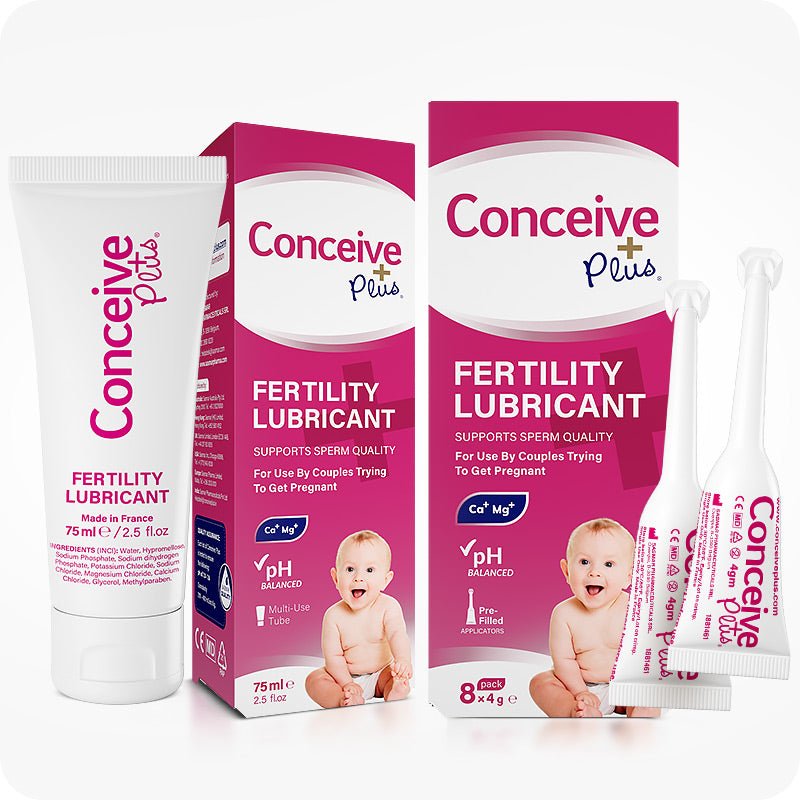
Oestrogen peaks before ovulation. Ensure adequate vitamin E (found in nuts, seeds, and olive oil) to support ovulation. Stay well hydrated to support optimal cervical mucus production. Consider pairing any intercourse with Conceive Plus fertility lubricant if natural lubrication is insufficient during your fertile window.
Luteal Phase (Days 15–28)
Progesterone is produced by the corpus luteum. Support this with vitamin B6 (in poultry, chickpeas, bananas) and magnesium (in dark chocolate, nuts, leafy greens). Continue folate supplementation; early embryo development begins here if conception occurs.
Frequently Asked Questions
How quickly can dietary changes improve egg quality?
Egg development (folliculogenesis) takes approximately 90 days, so dietary changes made today will primarily affect eggs that ovulate in 3 months' time. This is why starting fertility nutrition changes well before you begin trying to conceive is recommended. However, antioxidant protection can begin providing benefit more quickly.
Is organic food worth it when TTC?
Some evidence suggests that pesticide exposure may impair fertility, particularly for high-pesticide produce. If budget allows, prioritising organic for the "Dirty Dozen" (strawberries, spinach, apples, etc.) is a reasonable approach. Thoroughly washing all produce also helps.
Should I go dairy-free when TTC?
The Harvard Nurses' Health Study found that full-fat dairy may actually support ovulatory function. Low-fat dairy was associated with higher ovulatory infertility risk in that study. Current evidence doesn't support going dairy-free for fertility unless you have a specific intolerance or condition that warrants it.
Can a plant-based diet support fertility?
Yes, with careful planning. A well-planned vegan or vegetarian diet can support fertility by ensuring adequate protein (complete amino acids from complementary plant proteins), iron (non-haem iron with vitamin C), omega-3s (algae-based DHA/EPA), vitamin B12 (supplementation essential for vegans), zinc, and iodine.
What's the best way to start a fertility diet?
Start with simple swaps: replace refined grains with whole grains, swap trans fats for olive oil, increase vegetable servings, add a serving of legumes daily, and reduce processed foods. Introduce changes gradually for sustainability.
Does body weight affect fertility?
Yes, significantly. Both underweight (BMI under 18.5) and overweight (BMI over 25) are associated with hormonal disruption and reduced fertility. Even modest weight normalisation (5–10% of body weight) has been shown to significantly improve ovulatory function and fertility outcomes.
Are there foods that specifically improve the uterine lining?
Research suggests that adequate vitamin E, omega-3 fatty acids, L-arginine (found in nuts, seeds, and red meat), and nitric oxide–supporting foods (beetroot, dark chocolate) may support uterine blood flow and endometrial thickness. These haven't been proven definitively in clinical trials, but fit within a generally fertility-supportive diet.
Should my partner follow a fertility diet too?
Absolutely. Male fertility is equally important, and diet significantly affects sperm quality. A Mediterranean-style diet rich in antioxidants, healthy fats, and lean protein improves sperm count, motility, and morphology. Conceive Plus offers a Men's Fertility Support supplement formulated for male reproductive health.