Ovulation Tracking: How to Know Your Most Fertile Days


Ovulation Tracking: How to Know Your Most Fertile Days
Understanding when you ovulate is one of the most powerful things you can do when you're trying to conceive. Timing intercourse around your fertile window — the days leading up to and including ovulation — significantly increases your chances of conception each cycle. Yet many couples either don't track at all, or rely on a method that isn't accurate enough for their individual cycle.
This guide covers the most effective ovulation tracking methods available in Australia — from ovulation predictor kits (OPKs) to basal body temperature charting, cervical mucus monitoring, and fertility apps — to help you identify your most fertile days with confidence.
Why Timing Matters So Much
Human conception requires that sperm and egg meet within a very narrow window. The egg survives for only 12–24 hours after ovulation. Sperm, however, can survive in the female reproductive tract for up to 5 days — which is why the fertile window extends several days before ovulation as well as on the day itself.
Research published in the New England Journal of Medicine by Dr Allen Wilcox and colleagues found that nearly all pregnancies result from intercourse occurring within the 6-day fertile window ending on ovulation day. Intercourse outside of this window, even just a day or two after ovulation, results in essentially zero chance of conception in that cycle.
This is why accurate ovulation tracking is so important. Even a woman with a "regular" 28-day cycle may not ovulate on day 14 — cycles vary, and ovulation timing can shift due to stress, illness, travel, and hormonal fluctuations. Guessing is far less effective than knowing.
Optimise Your Fertile Window
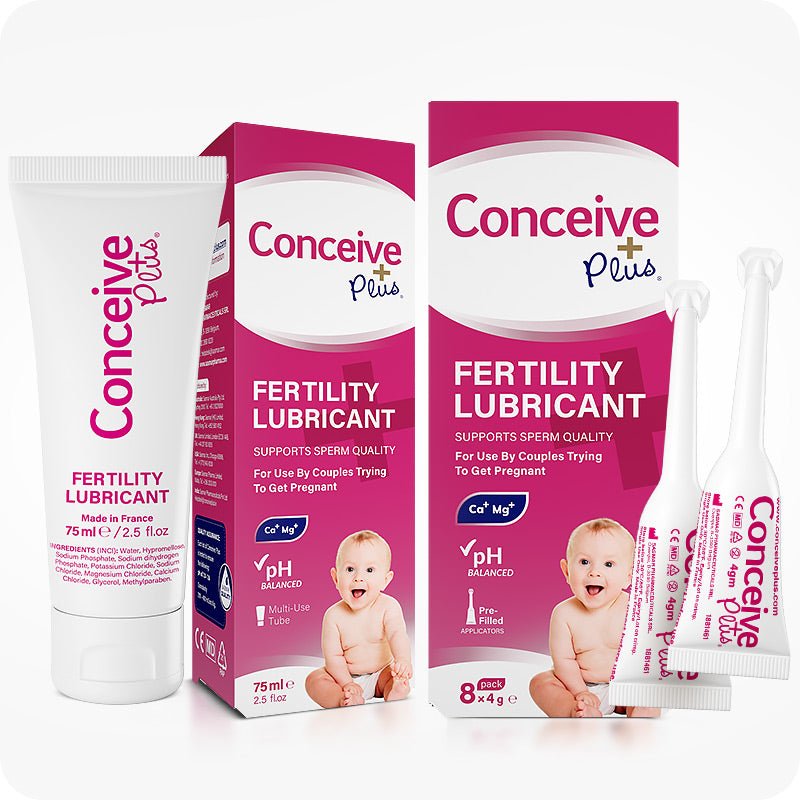
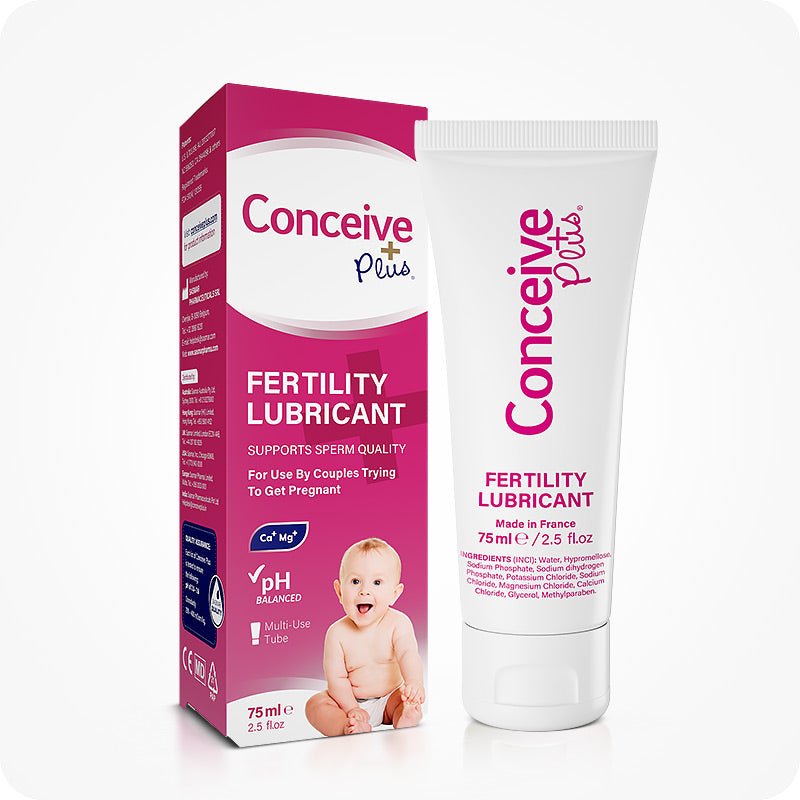
Once you know when you're ovulating, give your chances the best boost with Conceive Plus fertility lubricant — designed to support sperm on their journey during your most fertile days.
Shop Conceive Plus Australia →Method 1: Ovulation Predictor Kits (OPKs)
Ovulation predictor kits are one of the most popular and reliable tools for identifying the fertile window. They work by detecting the luteinising hormone (LH) surge that occurs approximately 24–36 hours before ovulation. When the LH surge is detected, it signals that ovulation is imminent — making the next 24–48 hours the prime window for conception.
Types of OPKs Available in Australia
- Standard strip tests: Inexpensive and widely available at pharmacies including Chemist Warehouse and Priceline. You compare the test line to the control line — a test line equal to or darker than the control indicates a positive LH surge.
- Digital OPKs: Provide a smiley face or clear "Peak" reading rather than requiring line interpretation. More expensive but easier to read. Brands like Clearblue Digital are popular in Australia.
- Advanced digital monitors: Devices like the Clearblue Advanced Fertility Monitor track both estrogen and LH, identifying a broader fertile window including "High" fertility days (estrogen rise) before the peak LH surge. These are more expensive but provide the most comprehensive picture.
How to Use OPKs Effectively
- Start testing a few days before you expect to ovulate (typically cycle day 10–12 for a 28-day cycle)
- Test at the same time each day — afternoon (2pm–4pm) tends to capture the LH surge better than morning
- Avoid testing first thing in the morning, as the morning's first urine can dilute the LH concentration
- Don't drink large amounts of fluid for 2 hours before testing
- Once you see the LH surge, plan to have intercourse that day and the following day
Method 2: Basal Body Temperature (BBT) Charting
Basal body temperature is your body's resting temperature, measured first thing in the morning before any activity. Progesterone, released after ovulation, causes a slight but measurable rise in BBT — typically 0.2–0.4°C above your pre-ovulation baseline.
BBT charting helps you identify when ovulation has occurred (retrospectively) and, over several cycles, helps predict when it is likely to occur in future cycles.
How to Chart BBT
- Take your temperature every morning at the same time before getting out of bed (even a 30-minute variation can affect readings)
- Use a basal thermometer accurate to two decimal places (available at Australian pharmacies)
- Record your temperature daily — using an app like Kindara, Fertility Friend, or Ovia makes this easy
- Look for the thermal shift — a sustained rise above your previous 6 readings indicates ovulation has occurred
- Over 3–4 cycles, patterns will emerge to help you predict future ovulation timing
BBT Charting Limitations
BBT tells you that ovulation has already happened, meaning it's most useful for predicting future cycles rather than acting in real time. Illness, poor sleep, alcohol, and travel can all cause temperature variations that make interpretation difficult.
For real-time fertile window identification, BBT works best when combined with OPKs or cervical mucus monitoring.
Method 3: Cervical Mucus Monitoring
The cervix produces different types of mucus at different stages of the menstrual cycle, and learning to identify these changes is a highly effective — and completely free — fertility awareness method.
As ovulation approaches and estrogen rises, cervical mucus transitions through distinct stages:
- Post-period: Dry, minimal discharge
- Pre-ovulation: Sticky, white/creamy, low elasticity
- Approaching ovulation: Increasingly wet and creamy
- Peak fertility (ovulation): Clear, slippery, stretchy — often described as resembling raw egg white. This is "egg white cervical mucus" (EWCM) and indicates peak fertility.
- Post-ovulation: Returns to sticky/dry as progesterone rises
The egg white stage signals that you are in your peak fertile window. Intercourse during EWCM days — and using a fertility-safe lubricant like Conceive Plus when natural lubrication is insufficient — maximises sperm viability during this critical window.
Method 4: Fertility Apps
Fertility tracking apps have become increasingly sophisticated and are used by millions of Australians trying to conceive. Popular options include:
- Clue: Period and fertility tracking app with scientific backing
- Ovia Fertility: Comprehensive TTC-focused app that incorporates OPK results, BBT, and symptom tracking
- Natural Cycles: FDA-cleared and TGA-recognised fertility monitor that uses a certified thermometer and algorithm to identify fertile days
- Kindara: BBT-focused app with detailed charting capabilities
Apps are most accurate when they incorporate actual tracking data (OPK results, BBT, mucus observations) rather than relying solely on calendar predictions. Calendar-only predictions assume cycle regularity that many women don't have.
Using Conceive Plus During Your Fertile Window
Once you've identified your fertile window using one or more of these methods, maximising the sperm-friendliness of the environment during intercourse is important. This is where Conceive Plus fertility lubricant plays a valuable role.
Unlike standard lubricants that can harm sperm, Conceive Plus is formulated to mimic the properties of fertile cervical mucus — pH-balanced, isotonic, and enriched with calcium and magnesium ions that support the sperm's capacitation process. If you experience vaginal dryness during your fertile window (which is common, especially with fertility medications or stress), Conceive Plus provides the lubrication you need without compromising sperm health.
The pre-filled applicators allow for precise internal application just before intercourse, ensuring the lubricant is positioned optimally for sperm to navigate.
When to Seek Help
If you've been tracking ovulation carefully and timing intercourse accurately for:
- 12 months (if under 35) without conception
- 6 months (if 35–39) without conception
- 3 months (if 40+) without conception
...it's appropriate to seek a referral to a fertility specialist or reproductive endocrinologist. In Australia, you can access fertility services through Medicare with a GP referral. Fertility investigations for both partners should be conducted simultaneously, as male factor infertility is as common as female factor.
Frequently Asked Questions
How accurate are ovulation predictor kits?
OPKs accurately detect the LH surge in approximately 97% of cycles when used correctly. They don't confirm that ovulation actually occurred (LH can surge without ovulation in some cases), but they are the most practical tool for most women.
What time of day should I use an OPK?
Afternoon (2pm–4pm) is generally recommended, as the LH surge often begins in the morning hours and peaks later in the day. Avoid testing with diluted first morning urine.
Can you get pregnant after a positive OPK the next day?
Yes. After a positive OPK, ovulation typically occurs within 24–36 hours. Having intercourse on the day of the positive test and the following day covers the optimal fertile window.
Why is my BBT not rising after ovulation?
A clear thermal shift requires consistent measurement timing and conditions. Illness, late nights, alcohol, and poor sleep can all blur the temperature pattern. It may take several cycles of charting before patterns become clear.
Can stress affect ovulation timing?
Yes. Significant physical or emotional stress can delay or suppress ovulation by affecting the hypothalamic-pituitary-ovarian (HPO) axis. This is one reason why cycles vary month to month.
What does Conceive Plus lubricant do?
Conceive Plus lubricant mimics fertile cervical mucus, providing a sperm-friendly pH and osmolality environment. It contains calcium and magnesium ions that support sperm function and is used by couples during their fertile window to support natural conception.
How many days before ovulation am I fertile?
You can conceive from intercourse up to 5 days before ovulation, as sperm can survive in the reproductive tract for that long. The most fertile days are typically the 2–3 days before ovulation and ovulation day itself.
Is cervical mucus monitoring reliable?
When learned properly and practiced consistently, cervical mucus monitoring has accuracy comparable to OPKs for identifying the fertile window. It works best in combination with BBT charting.
Know Your Fertile Days — Then Give Your Best Chance
Now that you know how to find your fertile window, pair that knowledge with Conceive Plus — Australia's trusted sperm-safe fertility lubricant. Formulated to mimic fertile cervical mucus and support every sperm on its journey.
Shop Conceive Plus Australia →References: Wilcox AJ et al., New England Journal of Medicine, 1995; Stanford JB et al., American Journal of Obstetrics and Gynecology, 2002; Fertility Society of Australia guidelines.