Fertility Diet: What to Eat (and Avoid) When Trying to Conceive


Fertility Diet: What to Eat (and Avoid) When Trying to Conceive
What you eat has a profound effect on your fertility. Research increasingly confirms that dietary patterns influence egg quality, sperm health, hormonal balance, and even IVF success rates. Understanding which foods support conception—and which to limit—can be one of the most impactful changes you make on your TTC journey.
This comprehensive guide covers the science behind a fertility diet, the specific nutrients that matter most, foods to embrace, foods to limit, and practical meal-planning strategies to implement these changes immediately.
Whether you're just starting to try to conceive or have been on this journey for some time, optimising your diet is a powerful, controllable factor that can meaningfully improve your fertility outcomes.
The Science Behind Diet and Fertility
The connection between diet and fertility is not merely anecdotal—it's backed by substantial research. A landmark study from Harvard Medical School tracked over 17,000 women and identified dietary patterns strongly associated with ovulatory infertility. The "fertility diet" that emerged from this research emphasised whole grains, plant proteins, high-fat dairy, and specific fats as protective, while refined carbohydrates and trans fats were associated with increased infertility risk.
More recent research has expanded our understanding to include male fertility. A 2017 meta-analysis in the journal Human Reproduction Update found that men following a "Western diet" (high in processed meat, refined grains, and sweets) had significantly lower sperm quality than those following a Mediterranean-style pattern rich in antioxidants and omega-3 fatty acids.
The mechanisms are multifaceted:
- Antioxidants protect eggs and sperm from oxidative DNA damage
- Specific micronutrients support hormonal synthesis and signalling
- Healthy fats are precursors to reproductive hormones
- Blood sugar stability supports regular ovulation cycles
- Gut health influences oestrogen recycling and hormonal balance
Key Nutrients for Female Fertility
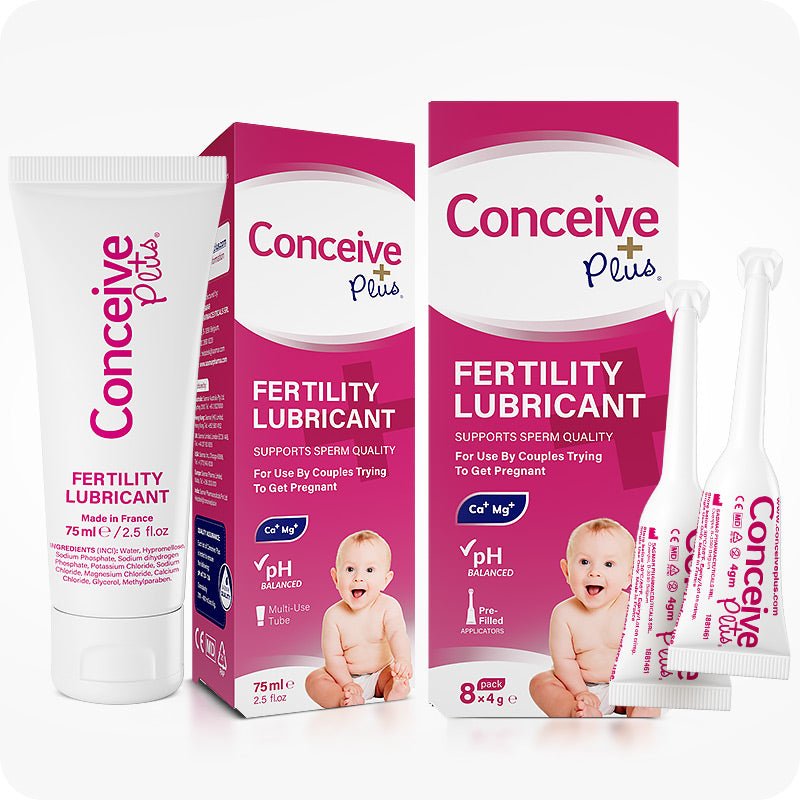
🌟 Ready to give your conception journey the best possible start?
Conceive Plus is trusted by thousands of couples and recommended by fertility clinics worldwide. Shop the full range today.
Shop Conceive Plus →Certain nutrients play particularly important roles in female fertility:
Folate (Folic Acid): Critical for preventing neural tube defects and supporting early fetal development. Start supplementing with 400–800mcg at least 3 months before trying to conceive. For women with MTHFR gene variants, the methylated form (methylfolate) is preferable.
CoQ10 (Coenzyme Q10): Supports mitochondrial function in eggs. Egg quality declines with age partly due to mitochondrial dysfunction—CoQ10 may help counteract this. Studies show improved egg quality in women supplementing with 400–600mg daily.
Omega-3 Fatty Acids (DHA/EPA): Essential for egg cell membrane integrity, anti-inflammatory effects, and embryo development. Aim for 2–3 servings of oily fish weekly or supplement with high-quality fish oil.
Iron: Iron deficiency is associated with anovulation. Non-haem iron (from plant sources like legumes and leafy greens) has shown protective effects against ovulatory infertility. Pair with vitamin C for optimal absorption.
Vitamin D: Low vitamin D is associated with PCOS, endometriosis, and reduced IVF success rates. Many Australians are deficient despite abundant sunshine. Test your levels and supplement if needed—aim for 60–80 nmol/L.
Iodine: Essential for thyroid function, which regulates the menstrual cycle. Australian soils are iodine-depleted—supplementation is recommended for all women trying to conceive.
Magnesium: Supports hormonal balance, reduces insulin resistance (important for PCOS), and aids progesterone production. Dark leafy greens, nuts, and seeds are excellent sources.
Key Nutrients for Male Fertility
Male fertility nutrition is equally important and often overlooked. Sperm production (spermatogenesis) takes approximately 90 days, meaning dietary changes today will affect sperm quality in 3 months.
Zinc: Essential for testosterone production, sperm formation, and sperm motility. Oysters are the richest source; meat, pumpkin seeds, and legumes are also good options.
Selenium: An antioxidant mineral critical for sperm production and structure. Brazil nuts (just 2 per day provides the daily requirement), fish, and eggs are excellent sources.
L-Carnitine: Supports sperm energy metabolism and motility. Found in red meat and dairy, but supplementation may be beneficial for men with motility issues.
Vitamin C and E: Antioxidants that protect sperm from oxidative damage. Studies show improvements in sperm motility and DNA integrity with combined supplementation.
Lycopene: A carotenoid with strong antioxidant properties, associated with improved sperm concentration and motility. Cooked tomatoes are the richest dietary source.
Foods to Prioritise on a Fertility Diet
Building a fertility-supportive diet means emphasising:
- Colourful vegetables and fruits — antioxidants including vitamin C, vitamin E, beta-carotene, and lycopene protect reproductive cells from damage
- Oily fish (salmon, sardines, mackerel) — omega-3 fatty acids for egg and sperm cell membrane health
- Legumes (lentils, chickpeas, black beans) — plant protein, folate, iron, and fibre support ovulation and blood sugar stability
- Whole grains (quinoa, oats, brown rice) — complex carbohydrates for sustained blood sugar levels; associated with improved ovulation
- Full-fat dairy (yoghurt, milk, cheese) — the Harvard fertility study found full-fat dairy associated with reduced ovulatory infertility risk
- Nuts and seeds — mixed nuts provide zinc, selenium, omega-3s, and vitamin E in one convenient package
- Dark leafy greens (spinach, kale, silverbeet) — folate, iron, magnesium, and antioxidants
- Eggs — complete protein with choline (important for fetal brain development), vitamin D, and B vitamins
- Avocado — healthy monounsaturated fats and folate
Foods to Limit When Trying to Conceive
Equally important is knowing what to reduce:
- Trans fats — found in some fried foods and packaged products; strongly associated with ovulatory infertility. Check labels for "partially hydrogenated oils"
- Refined carbohydrates and sugar — white bread, pastries, and sugary drinks spike blood sugar and insulin, disrupting ovulatory hormones
- Processed meats — associated with lower sperm quality in male partners
- Alcohol — reduces fertility in both men and women; no safe level has been established during TTC. Consider eliminating entirely
- High-mercury fish — shark, swordfish, marlin, and orange roughy contain mercury that can harm developing eggs and embryos. Stick to salmon, trout, and sardines
- Excessive caffeine — limit to 200mg per day (approximately one large coffee); higher intake is associated with increased miscarriage risk
- Highly processed foods — high in inflammatory fats, artificial additives, and low in the micronutrients fertility requires
- Soy in excessive amounts — phytoestrogens in soy can disrupt hormonal balance when consumed in large quantities
The Mediterranean Diet: The Most Fertility-Friendly Eating Pattern
The Mediterranean diet consistently emerges as the eating pattern most strongly associated with improved fertility outcomes across multiple studies. It naturally incorporates most of the fertility-supporting principles:
- Abundant vegetables, fruits, legumes, and whole grains
- Olive oil as the primary fat source
- Regular consumption of fish and seafood
- Moderate dairy and eggs
- Limited red meat and processed foods
- Wine in moderation (though zero is better when TTC)
A 2018 study in Human Reproduction found that women following a Mediterranean diet pattern had significantly higher clinical pregnancy rates in IVF cycles. For couples conceiving naturally, the same principles apply.
Practical Tips for Implementing a Fertility Diet
Making sustainable dietary changes doesn't require perfection. Start with these practical steps:
- Meal prep on weekends — cook grains, roast vegetables, and prepare protein sources to make healthy choices effortless during the week
- Start the day with protein — eggs, Greek yoghurt, or a smoothie with added protein stabilise blood sugar from morning
- Replace refined grains with whole grains — a simple swap that improves insulin sensitivity and provides more micronutrients
- Eat a rainbow — aim for 5+ different coloured vegetables and fruits daily for broad antioxidant coverage
- Cook fish twice a week — batch cook a large salmon fillet to use across multiple meals
- Snack on nuts — a small handful provides fertility-supportive zinc, selenium, and healthy fats
- Supplement strategically — a high-quality prenatal vitamin covers your bases; consider additional CoQ10, vitamin D, and omega-3s
Frequently Asked Questions About Fertility Diet
Q: How long does it take for dietary changes to affect fertility?
A: For women, egg quality improvements take approximately 90 days (the lifespan of an egg before ovulation). For men, sperm production takes about 90 days too. Start dietary changes at least 3 months before trying to conceive for maximum impact.
Q: Do I need to take a prenatal vitamin if I eat well?
A: Yes. Even an excellent diet rarely provides optimal amounts of folate and iodine for pregnancy. A prenatal multivitamin provides insurance that critical nutrients are covered, particularly in early pregnancy before you may even know you're pregnant.
Q: Does being overweight affect fertility?
A: Yes. Excess body fat is associated with insulin resistance, elevated oestrogen, and irregular ovulation. Even modest weight loss (5–10% of body weight) can restore ovulatory cycles in overweight women with PCOS.
Q: Is organic food necessary for a fertility diet?
A: Not necessarily for all produce. Focus on the "dirty dozen" (highest pesticide loads) for organic choices—strawberries, spinach, kale, peppers—while conventional is fine for thick-skinned produce like avocados and onions.
Q: Can my partner's diet affect our chances of conception?
A: Absolutely. Male diet has a direct impact on sperm quality. Encourage your partner to adopt the same fertility-supportive eating patterns—it's a team effort.
Q: What about fertility supplements?
A: Beyond a prenatal vitamin, evidence supports CoQ10, omega-3s, vitamin D (if deficient), and magnesium. For men, zinc, selenium, and L-carnitine have clinical support. Conceive Plus offers comprehensive supplement formulations for both partners.
Q: Does caffeine really affect fertility?
A: Research is mixed, but limiting caffeine to under 200mg/day is widely recommended. High caffeine intake (>400mg/day) is associated with longer time-to-conception and increased miscarriage risk in some studies.
Q: Are there specific foods for PCOS and fertility?
A: Yes. A low-glycaemic diet is particularly beneficial for PCOS—prioritise complex carbohydrates, protein, and healthy fats to manage insulin levels and support regular ovulation. Inositol-rich foods and supplementation also show strong evidence for PCOS fertility support.
Start Your Journey with Conceive Plus
Join thousands of couples who trust Conceive Plus to support their path to parenthood. Clinically backed, fertility-focused, and available worldwide.
Shop Now at Conceive Plus →