Fertility Diet for Australian Couples: What to Eat When Trying to Conceive


Fertility Diet for Australian Couples: What to Eat When Trying to Conceive
The link between nutrition and fertility is one of the most extensively studied areas in reproductive medicine — and the findings are clear: what you eat matters significantly when you're trying to conceive. For Australian couples on the TTC journey, optimising diet can improve egg quality, support sperm health, regulate hormones, and create the best possible environment for conception and early pregnancy.
This guide covers the core principles of a fertility diet based on current scientific evidence, practical food recommendations relevant to Australian shopping and eating habits, and the supplements that complement a whole-food approach.
The Mediterranean Diet: The Gold Standard for Fertility
Decades of fertility nutrition research consistently points to the Mediterranean dietary pattern as the most beneficial for reproductive health. A 2018 study published in Human Reproduction found that women who closely followed a Mediterranean diet in the 6 months before IVF were 65–68% more likely to achieve a clinical pregnancy and live birth compared to those who didn't.
Key characteristics of the Mediterranean fertility diet:
- Abundant fruits and vegetables: Antioxidants protect eggs and sperm from oxidative damage
- Whole grains over refined carbohydrates: Stabilise blood sugar and reduce insulin resistance, critical for PCOS
- Legumes: Excellent plant-based protein and folate sources
- Olive oil: Rich in oleic acid and polyphenols supporting hormonal health
- Fatty fish (2–3 serves/week): Omega-3s reduce inflammation and support embryo implantation
- Limited red and processed meat: High red meat intake linked to longer time-to-conception
- Moderate dairy: Full-fat dairy appears to have advantages over low-fat for fertility
- Nuts and seeds: Zinc, selenium, vitamin E, and healthy fats
Key Nutrients for Female Fertility
Ready to support your fertility journey? Shop Conceive Plus →
Folate (not Folic Acid)
Folate is the natural form of vitamin B9 found in food; folic acid is the synthetic supplement form. The recommended intake is 400–800mcg daily, starting at least 1 month before trying to conceive. For women with MTHFR gene variants (which affect folate metabolism — estimated at ~30% of Australians), the methylfolate form is preferable. Good food sources include dark leafy greens, lentils, chickpeas, and fortified breads (Australia mandates folic acid fortification in most wheat flour).
Iron
Iron deficiency anaemia is associated with anovulation. Aim for 18mg/day from a mix of haem iron (red meat, chicken, fish) and non-haem iron (legumes, tofu, spinach). Pair non-haem iron with vitamin C for better absorption.
Omega-3 Fatty Acids (DHA/EPA)
DHA is critical for egg quality, embryo development, and placental function. Australians typically underconsume omega-3s. Aim for 2–3 serves of oily fish weekly (salmon, sardines, mackerel) or supplement with 1g DHA/EPA daily from algae-based sources (suitable for vegetarians and vegans).
Vitamin D
Despite Australia's sunshine, vitamin D deficiency is surprisingly common — particularly among people who work indoors or live in southern states. Vitamin D receptors are found in ovarian tissue, and deficiency is associated with reduced ovarian reserve and lower IVF success rates. Get levels tested; if below 75nmol/L, supplement under medical guidance.
Iodine
Iodine is essential for thyroid function, which directly regulates menstrual cycles and ovulation. Australian soils are iodine-poor, and the Australian government recommends iodine supplementation (150mcg/day) for all women planning pregnancy. Good food sources include seaweed, seafood, dairy, and iodised salt.
Key Nutrients for Male Fertility
Male factor fertility accounts for 40–50% of all infertility cases. Diet plays an equally important role in sperm quality.
Zinc
Zinc is concentrated in the testes and prostate. Deficiency directly impairs sperm production and testosterone synthesis. Australian oysters are the richest dietary source; red meat, pumpkin seeds, and legumes also contribute. Aim for 11mg/day.
Selenium
Selenium deficiency is associated with reduced sperm motility. A single Brazil nut provides well above the recommended 70mcg/day — though overconsumption can cause toxicity, so moderation is key.
CoQ10
Coenzyme Q10 is an antioxidant found in mitochondria — the energy engines of cells. Sperm require enormous amounts of energy. Meta-analyses show CoQ10 supplementation (200–600mg/day) improves sperm concentration, motility, and morphology. Organ meats and fatty fish are good dietary sources; supplementation is generally required for therapeutic doses.
Vitamin C and E
These antioxidants protect sperm DNA from oxidative damage. A 2016 Cochrane review found antioxidant supplementation improved live birth rates in couples undergoing ART. Kiwi fruits, capsicum, and citrus provide vitamin C; nuts, seeds, and avocado provide vitamin E.
Foods to Limit or Avoid When TTC
- Trans fats: Found in some processed foods and fast food. Trans fat intake is strongly associated with ovulatory infertility — even a 2% increase in trans fat calories increases ovulatory infertility risk by over 70% (Nurses' Health Study)
- High-glycaemic foods: White bread, sugary drinks, processed snacks. These spike insulin, promoting androgen production and disrupting ovulation — particularly problematic in PCOS
- Alcohol: Even moderate alcohol consumption is associated with reduced fertility in both men and women. Women TTC are advised to limit to 1–2 drinks/week or abstain; men should limit to 14 units/week maximum
- Excess caffeine: More than 200mg/day (roughly 2 espressos) is associated with reduced fertility and increased miscarriage risk
- Mercury-high fish: Shark, swordfish, flake, and orange roughy accumulate mercury, which is toxic to the developing nervous system. Avoid when TTC and during pregnancy
- Processed meats: Sausages, deli meats, and bacon are associated with poorer semen quality and reduced female fertility
Hydration and Fertility
Adequate hydration supports cervical mucus production — the natural medium through which sperm travel. Aim for 8–10 glasses (2–2.5L) of water daily. Herbal teas (ginger, red raspberry leaf, nettle) are popular additions in the fertility community, though evidence is limited. Avoid herbal teas not confirmed safe in pregnancy.
Fertility Supplements: When Diet Isn't Enough
Even with an excellent diet, some key nutrients are difficult to obtain in therapeutic amounts from food alone. Key supplements for TTC couples include:
- Methylfolate (women): 400–800mcg/day
- CoQ10 (both): 200–600mg/day, preferably ubiquinol form
- Vitamin D (if deficient): 1000–4000IU/day under guidance
- Omega-3 DHA/EPA: 1g/day
- Prenatal multivitamin covering iodine, iron, and B12
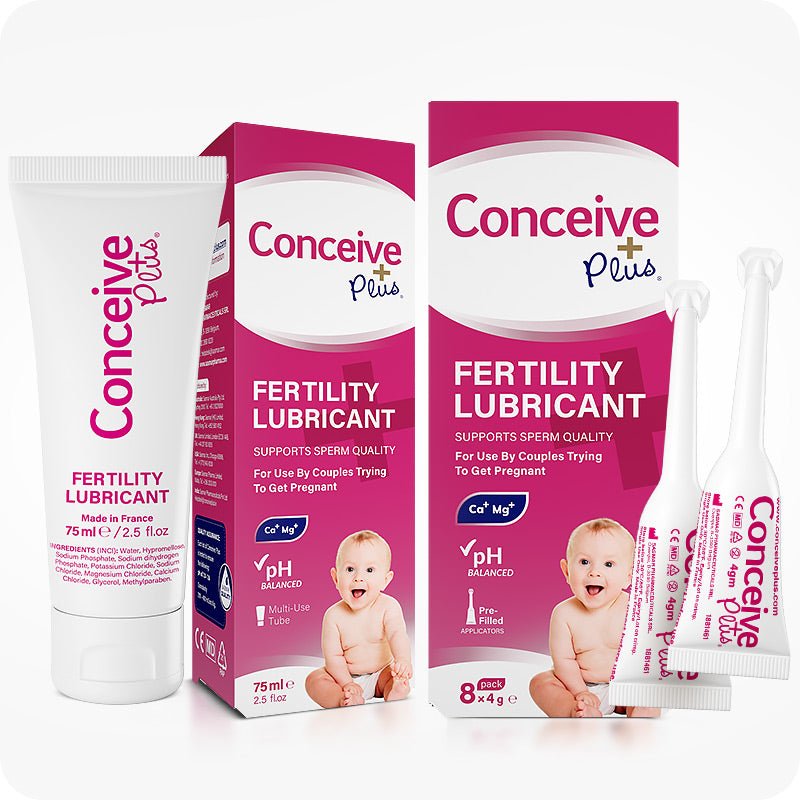
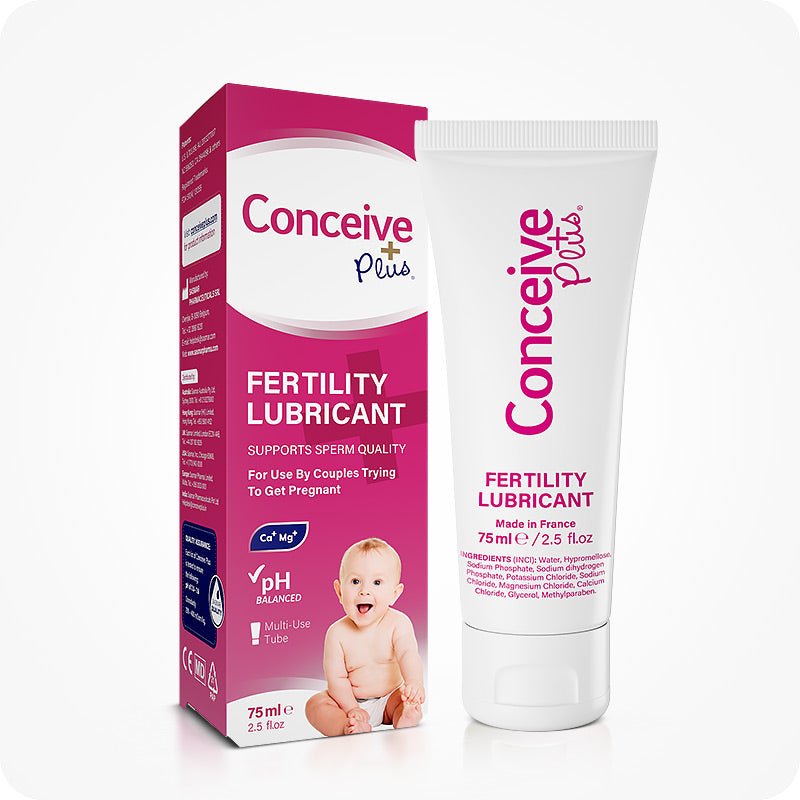
Conceive Plus offers a complete range of scientifically formulated fertility supplements designed to support both partners throughout the TTC journey. Shop Conceive Plus fertility supplements →
Frequently Asked Questions: Fertility Diet
Q: How long before trying to conceive should I change my diet?
A: Ideally 3–6 months before, since egg development takes approximately 90 days and sperm production 72 days. Changes you make today affect the eggs and sperm involved in conception 3 months from now.
Q: Is a vegetarian or vegan diet compatible with fertility?
A: Yes, with careful planning. Key areas to focus on: vitamin B12 (supplement essential for vegans), iron (pair with vitamin C), zinc (legumes and seeds), omega-3 DHA (algae-based supplement), and iodine.
Q: Does being overweight affect fertility?
A: Yes. Excess body fat increases oestrogen and insulin, disrupting ovulation. Even a 5–10% reduction in body weight in overweight women with PCOS can restore ovulatory cycles. Both underweight and overweight status affect fertility.
Q: Can diet improve sperm quality?
A: Significantly. Research shows a Mediterranean-style diet rich in antioxidants, zinc, selenium, and omega-3s improves sperm concentration, motility, and morphology. Reducing alcohol, processed foods, and trans fats also has measurable positive effects.
Q: Should I avoid soy when TTC?
A: The evidence doesn't support avoiding soy. Phytoestrogens in soy are weak and don't appear to disrupt fertility at normal dietary intakes. However, very high supplemental doses are best avoided until more research is available.
Q: Does coffee really reduce fertility?
A: Moderate caffeine (under 200mg/day) appears safe for most women TTC. Higher intakes (over 300–400mg/day) are associated with longer time-to-conception and increased miscarriage risk. Switch to half-strength, decaf, or herbal alternatives to be safe.
Q: What's the best fertility superfood?
A: There's no single superfood, but dark leafy greens (folate, iron, antioxidants), walnuts (omega-3, antioxidants), and colourful berries (antioxidants) consistently appear in fertility nutrition research as particularly beneficial.
Q: Is organic food worth it for fertility?
A: Pesticide exposure is a legitimate concern — some pesticides are endocrine disruptors. The evidence isn't strong enough to mandate organic, but washing all produce thoroughly and prioritising organic for high-pesticide items (strawberries, apples, spinach) is a reasonable approach when budget allows.
Support your fertility journey with Conceive Plus. Explore the full range →