The Fertility Diet: What to Eat and Avoid When Trying to Conceive in Australia


The Fertility Diet: What to Eat and Avoid When Trying to Conceive in Australia
When you're trying to conceive, every aspect of your lifestyle comes under scrutiny — and what you eat sits at the very centre of that picture. The research on diet and fertility has matured considerably in recent years, moving well beyond vague advice to eat more vegetables and towards specific, evidence-based dietary patterns that measurably improve reproductive outcomes for both men and women.
This guide breaks down the current evidence on fertility diet, explaining which foods support hormone balance, egg quality, sperm health, and uterine receptivity — and which foods are worth reducing or eliminating when you're actively trying to conceive. We've also included Australia-specific practical tips, since our unique food landscape and sun exposure patterns create specific nutritional considerations for Australians trying to build their families.
The Evidence Base: What Research Says About Diet and Fertility
The landmark Harvard Nurses' Health Study, following more than 18,000 women, identified a specific dietary pattern — later dubbed the "Fertility Diet" by researchers Chavarro and Willett — associated with a 66% reduced risk of ovulatory infertility. This wasn't a coincidence; the dietary pattern systematically targeted the hormonal and inflammatory factors that drive ovulatory dysfunction, which accounts for 25–30% of female infertility cases.
More recently, the DIET study from the Human Reproduction journal found that women following a Mediterranean-style dietary pattern were significantly more likely to conceive than those eating a Western dietary pattern, with odds ratios ranging from 1.5 to 3.4 depending on the degree of adherence. For men, a similar body of evidence links dietary quality to sperm count, motility, and morphology.
The bottom line: your diet genuinely matters for fertility, and the dietary changes that support conception are also simply healthier eating overall.
The Foundation: The Fertility Diet Pattern
Ready to support your fertility journey? Shop Conceive Plus Supplements Australia →
Rather than focusing narrowly on individual superfoods, fertility nutrition research consistently points to overall dietary patterns. The most fertility-supportive dietary pattern shares features with the Mediterranean diet and includes:
- Abundant vegetables and fruits: Particularly leafy greens, cruciferous vegetables, berries, and citrus
- Whole grains as primary carbohydrate sources: Oats, quinoa, brown rice, barley — replacing refined grains
- Plant proteins: Legumes (lentils, chickpeas, beans), nuts, seeds — ideally replacing some animal protein sources
- Full-fat dairy (in moderate amounts): The Harvard study found an association between full-fat dairy and lower ovulatory infertility risk
- Healthy fats: Olive oil, avocado, nuts and seeds, and fatty fish as the primary fat sources
- Moderate intake of fish: Particularly low-mercury options like salmon, sardines, anchovies, and trout
- Moderate lean meat: With plant proteins preferred as the dominant protein source
Key Nutrients for Female Fertility
Folate
Folate (and its synthetic form, folic acid) is the fertility nutrient that gets the most attention, and for good reason. Adequate folate before and during early pregnancy dramatically reduces the risk of neural tube defects. But folate also plays a role in egg quality and maturation.
Australian health authorities recommend 400–500mcg of folic acid daily for women trying to conceive, beginning at least one month before conception. Food sources include dark leafy greens (spinach, kale), legumes, asparagus, avocado, and fortified foods. Despite the widespread awareness of this nutrient, many Australian women still fall short — supplementation is essential.
Iron
Iron deficiency is common among Australian women of reproductive age, and the Harvard Nurses' Health Study found that non-haem (plant-based) iron intake was associated with reduced ovulatory infertility risk. This doesn't mean animal-source iron is harmful — it means getting enough total iron matters, and including plant-based iron sources is beneficial.
Good iron sources for the fertility diet: lentils, chickpeas, tofu, pumpkin seeds, spinach, and fortified cereals. Pair plant-based iron with vitamin C sources (citrus, capsicum, strawberries) to enhance absorption.
Omega-3 Fatty Acids
Omega-3s — particularly DHA and EPA — are critical for reproductive health. They support hormone synthesis, reduce reproductive inflammation, and DHA is essential for fetal brain development. The research on omega-3s and IVF outcomes has been particularly promising, with studies showing improved egg quality and embryo development in women with higher omega-3 intakes.
Australian dietary sources: salmon, sardines, mackerel, anchovies, oysters, and walnuts. However, many Australians fall short of optimal omega-3 intake, making supplementation with a quality fish oil or algae-based DHA valuable for those trying to conceive.
Vitamin D
Despite Australia's famous sunshine, vitamin D deficiency is surprisingly common — particularly in southern states, among people who work indoors, or during the cooler months. Vitamin D plays important roles in ovarian function, and low vitamin D levels are associated with poorer IVF outcomes, lower conception rates, and increased miscarriage risk.
If you're trying to conceive in Australia, get your vitamin D levels tested. If you're deficient, supplementation is essential. The research suggests optimal fertility is associated with vitamin D levels of at least 75 nmol/L.
Antioxidants
Oxidative stress damages both eggs and sperm, and diet is one of the most powerful tools available for reducing oxidative stress. Key antioxidants for fertility include vitamin C, vitamin E, selenium, coenzyme Q10, and the broader array of phytonutrients found in colourful plant foods.
Practical applications: Eat the rainbow. Every additional colour of vegetable or fruit on your plate represents a different category of antioxidant phytochemicals. Berries, leafy greens, colourful capsicum, sweet potato, and tomatoes are particularly antioxidant-dense choices readily available in Australian supermarkets and markets.
Iodine
Iodine deficiency is re-emerging as a concern in Australia and is closely linked to thyroid health, which has direct implications for fertility and early pregnancy. Australian health authorities now recommend iodine supplementation (150mcg) for women who are pregnant, breastfeeding, or planning pregnancy.
Key Nutrients for Male Fertility
Male fertility nutrition is often overlooked in the conversation, despite the fact that male factor infertility contributes to approximately 40–50% of all fertility challenges. The sperm cell's three-month development period means that dietary changes made today won't be reflected in sperm quality for approximately 74 days — making early dietary optimisation essential.
Zinc
Zinc is arguably the most critical mineral for male reproductive health. It's concentrated in the testes, supports testosterone production, and is essential for normal sperm development. Oysters are famously the richest dietary source, but red meat, pumpkin seeds, chickpeas, and cashews also provide meaningful amounts.
Selenium
Selenium supports sperm motility and protects sperm from oxidative damage. Just one or two Brazil nuts per day provides more than adequate selenium for Australian men — though be careful not to overconsume, as excessive selenium can be harmful.
Lycopene
Lycopene — the red pigment in tomatoes, watermelon, and grapefruit — is concentrated in testicular tissue and has been shown in studies to improve sperm concentration and motility. Tomato products (especially cooked tomatoes, where lycopene is more bioavailable) are excellent sources.
CoQ10
Coenzyme Q10 is present in high concentrations in sperm, supporting the energy production that drives sperm motility. Levels decline with age and are reduced in smokers. Dietary sources include organ meats, beef, sardines, and mackerel — amounts that make supplementation often necessary to achieve therapeutic levels.
Foods to Limit or Avoid When Trying to Conceive
Ultra-Processed Foods
The body of evidence linking ultra-processed food consumption to reduced fertility continues to grow. High in refined carbohydrates, industrial seed oils, artificial additives, and lacking in fibre and micronutrients, ultra-processed foods drive insulin resistance, systemic inflammation, and hormonal disruption — all enemies of optimal fertility.
In Australia, ultra-processed foods account for a concerning proportion of the average diet. Reducing packaged snacks, fast food, sugary beverages, commercial baked goods, and processed meats in favour of whole food alternatives is one of the most impactful dietary changes you can make.
High-Mercury Fish
Large predatory fish (shark, swordfish, king mackerel, tilefish, and orange roughy) bioaccumulate mercury, which can affect hormone function and embryo development. Australian health authorities specifically advise pregnant women and those planning pregnancy to limit high-mercury fish consumption. Fortunately, Australia has excellent access to low-mercury options like salmon, sardines, flathead, and barramundi.
Alcohol
The safest approach when trying to conceive is to avoid alcohol entirely, or limit consumption to very low levels. Evidence links regular alcohol consumption to disrupted ovulatory function in women and reduced sperm quality in men. The association between alcohol and fertility treatment outcomes is also consistently negative.
Excess Caffeine
The evidence on caffeine and fertility is more nuanced than for alcohol, but most fertility specialists recommend keeping caffeine intake below 200mg per day when trying to conceive (roughly two standard cups of coffee). Some research suggests high caffeine intake may be associated with longer time to conception and increased miscarriage risk.
High-Glycaemic Carbohydrates
Rapidly digested carbohydrates — white bread, white rice, sugary foods and drinks — cause insulin spikes that can disrupt the insulin-signalling pathways involved in ovarian function. This is particularly relevant for women with PCOS or insulin resistance. Swapping high-GI carbohydrates for lower-GI alternatives (sourdough over white bread, brown rice over white, sweet potato over white potato) is a practical, impactful change.
Soy in Very High Amounts
Soy contains phytoestrogens — plant compounds that weakly mimic oestrogen. Moderate soy consumption (1–2 serves of whole soy foods like tofu, edamame, or tempeh per day) is not a concern for most people and may even be beneficial. Very high soy consumption in supplement or protein powder form is more controversial and best discussed with a healthcare provider.
Practical Fertility Diet Meal Planning for Australians
Translating nutrition research into actual meals can be challenging. Here's a sample day of fertility-supportive eating using foods readily available across Australia:
Breakfast: Overnight oats with berries, walnuts, and a tablespoon of ground flaxseed; glass of water with lemon
Morning Tea: Handful of mixed nuts and seeds; small punnet of cherry tomatoes
Lunch: Big salad with leafy greens, avocado, roasted chickpeas, coloured capsicum, cucumber, and olive oil and lemon dressing; slice of sourdough bread
Afternoon Tea: Full-fat Greek yoghurt with a drizzle of honey and some blueberries
Dinner: Baked salmon with roasted sweet potato, broccolini, and a side of lentil salad
Dessert: Small square of dark chocolate (70%+) — a modest source of antioxidants
When Diet Isn't Enough: The Role of Fertility Supplements
Even the most carefully planned fertility diet may leave nutritional gaps. This is particularly true for folate/folic acid, iodine, vitamin D, omega-3 DHA, and CoQ10 — nutrients that are difficult to obtain at fertility-optimising levels from food alone.
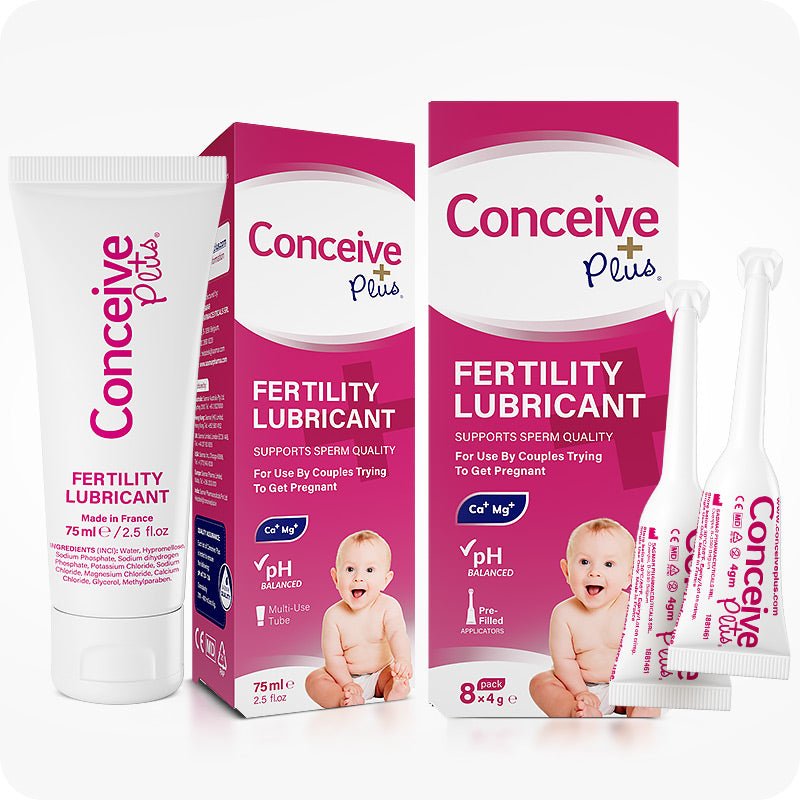
Conceive Plus fertility supplements are designed to complement a healthy fertility diet, providing key nutrients at evidence-based doses in highly bioavailable forms. Whether you're looking for comprehensive women's fertility support, male fertility vitamins, or targeted nutrients like inositol for PCOS support, the Conceive Plus range is designed specifically for Australians trying to conceive.
👉 Complement your fertility diet with targeted nutritional support. Explore Conceive Plus supplements at conceiveplus.com.au/collections/fertility-supplements
Frequently Asked Questions About Fertility Diet
How quickly does diet affect fertility?
Hormonal changes can occur within weeks of improving dietary quality. However, egg development takes approximately three months, and sperm development takes approximately 74 days — so the full impact of dietary changes on egg and sperm quality takes at least two to three months to manifest.
Is the Mediterranean diet really the best diet for fertility?
The Mediterranean dietary pattern has the strongest and most consistent evidence base for fertility, though it's really a pattern rather than a specific diet. Any eating pattern that emphasises whole grains, legumes, vegetables, fruits, healthy fats, and lean proteins while minimising ultra-processed foods will support fertility.
Do I need to be vegetarian for the best fertility diet?
No. Moderate consumption of lean meats and low-mercury fish is compatible with excellent fertility nutrition. The research suggests reducing red and processed meat in favour of plant proteins and fish, not eliminating meat entirely.
Can diet help with PCOS-related fertility challenges?
Significantly yes. A low-GI, anti-inflammatory dietary pattern is one of the most evidence-backed interventions for PCOS. Combined with inositol supplementation, dietary changes can help restore more regular ovulation in many women with PCOS.
Is organic food important for fertility?
The evidence on pesticide exposure and fertility is evolving. While some studies have found associations between high pesticide residue exposure and poorer fertility outcomes, the research is not conclusive enough to say all food must be organic. If budget allows, prioritising organic for the "dirty dozen" high-pesticide-residue foods makes sense; otherwise, eating a wide variety of vegetables and fruit (washed well) is more important than worrying about organics.
How does body weight affect fertility?
Both overweight and underweight status can impair fertility. Maintaining a healthy body weight through balanced nutrition and moderate exercise is one of the most impactful lifestyle factors for fertility. Even modest weight loss of 5–10% in women who are overweight with PCOS can restore regular ovulation.
Should my partner change his diet too?
Absolutely. Male factor infertility is involved in roughly half of all fertility challenges, and diet has a documented effect on sperm quality. Both partners adopting fertility-supportive eating habits maximises your chances of conceiving and improves the nutritional environment for early embryo development.
Are there any specific Australian superfoods for fertility?
Australia offers some genuinely excellent fertility-supportive foods: native Australian berries (Davidson plum, quandong, Kakadu plum) are exceptionally high in vitamin C and antioxidants; barramundi is an excellent low-mercury omega-3-rich fish; and avocados (a major Australian crop) are outstanding sources of healthy fats, folate, and vitamin E.
Your Fertility Diet: Where to Begin
The prospect of overhauling your diet can feel overwhelming, but the fertility diet isn't a restrictive elimination protocol — it's a shift toward abundance. Focus first on adding more vegetables, more legumes, more whole grains, and more healthy fats. As these foods crowd out the less beneficial options naturally, you'll find the transition more sustainable.
Pair your dietary improvements with a quality fertility supplement from Conceive Plus to ensure you're meeting the key nutritional targets that are difficult to achieve through food alone — and you'll be giving your body everything it needs to support conception.
👉 Start your fertility nutrition journey today. Discover the full Conceive Plus supplement range for Australian couples at conceiveplus.com.au/collections/fertility-supplements
Ready to support your fertility journey? Shop Conceive Plus Supplements Australia →