The Two-Week Wait: Symptoms, Tips and Coping Strategies After Ovulation


The Two-Week Wait: Symptoms, Tips and Coping Strategies After Ovulation
If there's one part of the trying-to-conceive journey that tests even the most patient people, it's the two-week wait. The two-week wait (TWW) — the approximately 14 days between ovulation and the day you can take a reliable pregnancy test — is a period of intense emotional and physical scrutiny that most TTC veterans describe as the hardest part of each cycle.
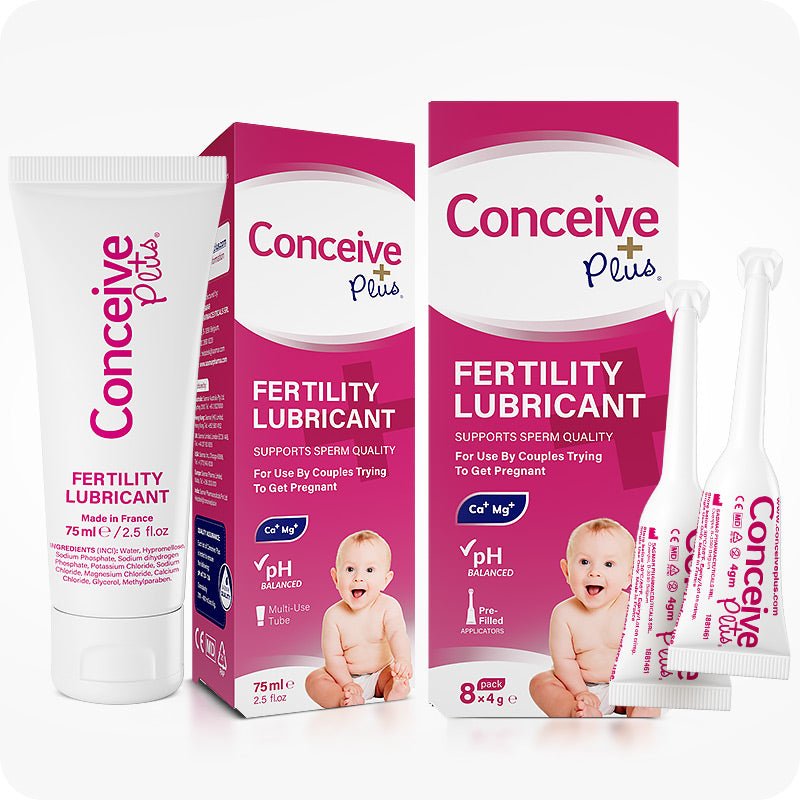
You've done everything right. You've tracked ovulation, timed intercourse, used fertility-safe lubricant, taken your prenatal vitamins. And now you wait. Every twinge, every mood shift, every moment of nausea gets analysed under a microscope of hope and anxiety.
This guide is your complete two-week wait companion — covering the biology of what's actually happening in your body, the symptoms that may (and may not) mean anything, practical coping strategies that actually help, and when it's appropriate to test.
What Is Actually Happening During the Two-Week Wait?
Understanding the biology of the luteal phase makes the waiting feel less abstract. Here's what's occurring in your body during those two weeks:
Days 1–3 post-ovulation: The corpus luteum — the follicle that released your egg — transforms into a hormone-producing structure that pumps out progesterone. This progesterone is the dominant hormone of the luteal phase and is responsible for the majority of TWW symptoms you may experience.
Days 3–5 post-ovulation: If fertilisation occurred (within 24 hours of ovulation), the fertilised egg is now a rapidly dividing ball of cells called a morula, then a blastocyst. It's travelling down the fallopian tube toward the uterus.
Days 6–10 post-ovulation: Implantation. The blastocyst arrives in the uterine cavity and begins to embed in the endometrial lining. This is when implantation occurs — not on day 1 post-ovulation, contrary to popular belief. For most women, implantation happens between days 6 and 10 post-ovulation, with peak timing around day 8–9.
Days 10–14 post-ovulation: If implantation was successful, the developing embryo begins producing hCG (human chorionic gonadotrophin) — the pregnancy hormone. HCG levels roughly double every 48–72 hours in early pregnancy. At sufficient levels (typically 25+ mIU/mL), sensitive pregnancy tests will detect it.
If fertilisation did not occur — or if the fertilised egg fails to implant — progesterone drops, the corpus luteum regresses, and menstruation begins. The absence of a period is one of the clearest early signs that something (possibly wonderful) is happening.
Two-Week Wait Symptoms: What Might Be a Sign?
This is where the TWW becomes genuinely challenging: virtually every early pregnancy symptom is also a normal progesterone effect — meaning your body produces these symptoms whether or not you're pregnant, simply because of normal luteal phase hormones. This makes symptom-spotting largely unreliable, as much as it's tempting to do.
That said, here's an honest breakdown of common TWW symptoms:
Breast tenderness and soreness: One of the most universal TWW symptoms and one of the least diagnostic. Progesterone causes breast tissue changes that often produce tenderness, heaviness, or sensitivity. This occurs in both pregnant and non-pregnant luteal phases. Some women do report that pregnancy breast tenderness feels different (more intense, different sensation) — but this varies enormously between individuals and cycles.
Fatigue: Progesterone has sedating properties, making many women feel genuinely exhausted during the luteal phase. Early pregnancy also typically causes profound tiredness due to the metabolic demands of early embryonic development and rising hCG. Again — common to both states.
Cramping: Implantation cramping is real but inconsistently reported. Studies suggest only 20–30% of women experience noticeable implantation-related discomfort. It typically occurs around days 8–10 post-ovulation and is often described as mild, one-sided, or distinct from period cramps — but many women don't feel it at all.
Implantation bleeding: Light spotting (not a full flow) occurring 6–12 days post-ovulation can indicate implantation. It's typically brief (1–2 days), light pink or brown in colour, and lighter than a normal period. Only around 15–25% of pregnant women experience this.
Nausea: Classic pregnancy nausea typically doesn't begin until weeks 6–8 of pregnancy — well after the TWW. Very early nausea in the TWW is uncommon and probably more related to progesterone sensitivity than early pregnancy hCG.
Mood changes and emotional sensitivity: The luteal phase is characterised by significant mood variation for many women, related to progesterone's effects on GABA receptors and serotonin. This is entirely normal and present in all cycles, pregnant or not.
Increased basal body temperature: If you're tracking BBT, a sustained temperature elevation (above your post-ovulation baseline) lasting beyond day 12–14 of your luteal phase — when it would normally drop before menstruation — can be an early indicator of pregnancy. A "triphasic" pattern (a third, higher temperature shift) is sometimes associated with implantation, though not diagnostic.
Support your body through every phase of TTC. Shop Conceive Plus Australia — fertility lubricant, women's fertility support, and prenatal vitamins for the whole journey.
When to Test: The Science of Pregnancy Test Timing
The urge to test early is completely understandable. But testing before hCG has risen to detectable levels leads to crushing false negatives that can send the TWW into anxiety overdrive. Here's the honest guide to test timing:
How pregnancy tests work: Home urine pregnancy tests (HPTs) detect hCG above a threshold level, typically 10–25 mIU/mL depending on the test sensitivity. HCG begins being produced after implantation and doubles every 48–72 hours in early pregnancy.
The timing reality:
- If implantation occurs on day 8 post-ovulation, hCG might not reach detectable levels until days 12–14
- If implantation occurs on day 10, detectable levels might not appear until days 14–16
- Testing before day 10 post-ovulation produces very low-value results even with sensitive tests
- The most reliable time to test is the day your period is expected (day 14 post-ovulation for a 28-day cycle) or after
Test sensitivity guide:
- 10 mIU/mL tests (e.g., First Response Early Result) — can detect hCG up to 6 days before missed period in some pregnancies; variable reliability before day 10–11 post-ovulation
- 25 mIU/mL tests (most standard pharmacy brands) — reliable from day of missed period
- Digital tests — typically less sensitive than line tests; more reliable from missed period
The POAS (pee on a stick) spiral: Many TWW survivors describe falling into compulsive daily testing that amplifies anxiety without providing useful information. If you choose to test early, do so with informed expectations — an early negative does not mean you're not pregnant; it means hCG hasn't yet reached detection threshold.
Coping Strategies for the Two-Week Wait
Knowing the biology is one thing. Living through 14 days of uncertainty is another. These strategies come from both evidence-based psychology and the collective wisdom of people who've navigated many TWWs:
Keep living your life. The temptation to put everything on hold "just in case" — avoiding exercise, alcohol, certain foods, social situations — can make the TWW feel like a 14-day suspension of normality. Continue reasonable activities. Light to moderate exercise is fine and beneficial for both physical and mental health during the luteal phase.
Limit obsessive symptom-tracking. Spending hours on fertility forums comparing symptoms is the TWW equivalent of doomscrolling. Symptoms tell you very little about whether you're pregnant. Tracking them does provide a sense of control, which has psychological value — but set a time limit.
Set a specific test date and commit to it. Deciding in advance that you'll test on a specific day (ideally no earlier than 10–12 DPO, ideally on the day of your expected period) removes the daily decision-making about whether today is the day. This reduces the number of tests you take and the number of false negatives you experience.
Engage with absorbing activities. The TWW is an excellent time to start a project, revisit a hobby, begin a book series, or binge a show you've been saving. The goal is genuine absorption — activities that occupy enough of your attention to interrupt the symptom-analysis loop.
Connect with your support system. Whether that's your partner, a close friend, an online TTC community, or a therapist — having somewhere to voice the anxiety is significantly healthier than containing it. The TTC community in Australia and globally is extensive, compassionate, and full of people who understand exactly what you're going through.
Practice acceptance, not suppression. Trying not to think about whether you're pregnant is an impossible cognitive task (the white bear problem). Instead, acknowledge the thoughts when they come, then return to your activity. Mindfulness-based approaches (apps like Calm, Insight Timer, or Headspace) are specifically effective for rumination — a clinical feature of TWW anxiety.
Maintain your supplement routine. Continue prenatal vitamins and fertility supplements throughout the TWW. If implantation is occurring, those nutrients — especially folate — are critically needed right now. Conceive Plus prenatal vitamins provide the micronutrient foundation for early embryonic development.
Nutrition and Lifestyle During the Two-Week Wait
What should you actually be doing (and not doing) during the TWW? The evidence here is more nuanced than internet forum advice suggests:
Alcohol: Until you have a confirmed negative result, avoiding alcohol is the safest approach — particularly because early implantation occurs during the TWW. The risk is genuinely very low from moderate consumption in the first week, but the simplest advice is to avoid it during the full TWW if possible.
Caffeine: Moderate caffeine (up to 200mg/day — roughly one cup of coffee) is generally considered acceptable. High caffeine intake is associated with reduced fertility and increased miscarriage risk; moderate amounts appear safe.
Exercise: Light to moderate exercise is completely appropriate during the TWW and is beneficial for mood, circulation, and stress management. Avoid very high-intensity or new, strenuous activities but otherwise maintain your normal routine.
Diet: Continue eating a balanced, nutrient-rich diet. The luteal phase has slightly elevated progesterone-driven caloric needs. Focus on folate-rich foods (leafy greens, legumes), lean protein, and anti-inflammatory fats. No foods need to be avoided during the TWW in the absence of a positive test.
Stress management: The relationship between stress and fertility is complex. Acute stress during the TWW doesn't prevent implantation. However, chronic high stress can affect cycle regularity and reproductive hormone levels over time. The TWW is an excellent time to invest in stress management practices — not because anxiety "prevents pregnancy" but because managing it makes you feel better.
When the TWW Ends: Both Outcomes
If your test is positive: Congratulations! Book an appointment with your GP, continue prenatal vitamins, and avoid alcohol, tobacco, and any medications not approved for pregnancy. Early pregnancy is a vulnerable period — take care of yourself and don't hesitate to contact your healthcare provider with any concerns.
If your period arrives or your test is negative: Give yourself permission to grieve the cycle, however briefly. It's a real loss, even if the pregnancy never existed beyond your hope. Then: take stock, adjust if needed, and remember that most healthy couples conceive within 12 months of trying. Each cycle is a new opportunity.
If you've been trying for more than 12 months without success (6 months if over 35), speak to your GP. And if each TWW is significantly impacting your mental health — anxiety, depression, cycle obsession interfering with daily functioning — please seek support. Fertility-related mental health challenges are real, common, and very treatable.
Frequently Asked Questions: The Two-Week Wait
Q: What are the most reliable early pregnancy signs in the TWW?
A: Unfortunately, no symptom in the TWW is reliably diagnostic. The most objective early indicator is a positive pregnancy test after day 10–12 post-ovulation, or a missed period. BBT staying elevated beyond your normal luteal phase length is suggestive.
Q: Can I exercise during the two-week wait?
A: Yes. Normal exercise routines are completely fine. Some women prefer to avoid very high-impact activities during the TWW, but there's no strong evidence that moderate exercise interferes with implantation.
Q: Is implantation spotting common?
A: Around 15–25% of pregnant women experience implantation spotting. Many don't. The absence of spotting means nothing, and not all spotting during the TWW is implantation-related.
Q: How early can I take a pregnancy test?
A: Technically, sensitive tests (10 mIU/mL) can detect hCG from around day 10 post-ovulation in some women with early implantation. For reliable results, testing from day 12–14 post-ovulation (around your expected period) is recommended.
Q: Does stress during the TWW prevent implantation?
A: The evidence doesn't support the idea that TWW anxiety prevents implantation. Implantation is a biological process that isn't directly prevented by emotional state. Chronic stress over many months can affect cycle health, but worrying during the TWW doesn't cause failure.
Q: What should I take during the two-week wait?
A: Continue your prenatal vitamins and any fertility supplements you've been taking. This is not the time to stop — if implantation is occurring, your developing embryo needs folate and other nutrients right now.
Q: How do I cope with a negative at the end of the TWW?
A: Be kind to yourself. Allow the disappointment. Reconnect with your partner. Take a brief break from fertility tracking if you need to reset emotionally. Remember that one failed cycle doesn't predict future cycles.
Q: Does Conceive Plus help during the two-week wait?
A: Conceive Plus fertility lubricant is used during your fertile window (around ovulation). During the TWW, Conceive Plus prenatal vitamins and women's fertility support supplements are the most relevant products for supporting your body through the luteal phase and potential early implantation.
Q: What if my TWW is longer than 14 days?
A: Luteal phase length is relatively stable for most women (10–16 days). A luteal phase shorter than 10 days can indicate luteal phase deficiency — a condition worth investigating with your GP. If your period is significantly late beyond your expected luteal phase length, test again or see your doctor.
Support every phase of your TTC journey. Explore Conceive Plus Australia — fertility-safe lubricant, supplements, and prenatal vitamins for hopeful parents.