How to Improve Sperm Health Naturally: A Complete Guide for Men Trying to Conceive


How to Improve Sperm Health Naturally: A Complete Guide for Men Trying to Conceive
Male fertility accounts for approximately 40–50% of all infertility cases, yet it's often the last thing couples investigate. If you and your partner are trying to conceive, understanding how to improve sperm health naturally could be one of the most impactful steps you take. The good news: sperm health is highly responsive to lifestyle changes, and because sperm take approximately 74 days to fully mature (spermatogenesis), meaningful improvements are achievable within 3 months.
This guide covers the evidence-based strategies that matter most — from diet and lifestyle to targeted supplementation — so you can approach your fertility journey with confidence and knowledge.
Understanding What Sperm Health Actually Means
When fertility specialists assess male fertility, they evaluate several parameters in a semen analysis:
- Count (concentration): Number of sperm per millilitre. Normal is ≥16 million/mL (WHO 2021 criteria)
- Total motility: Percentage of sperm that are moving. Normal is ≥42%
- Progressive motility: Sperm moving forward in a straight or large-circle pattern. Normal is ≥30%
- Morphology: Percentage of sperm with normal shape. Normal is ≥4% (Kruger criteria)
- Volume: Total ejaculate volume. Normal is ≥1.4 mL
- DNA fragmentation: Percentage of sperm with damaged DNA. Should be below 15–25%
Problems in any of these areas can reduce fertility. The encouraging thing is that all of these parameters respond to the natural interventions outlined below.
Diet Changes That Improve Sperm Health Naturally
🌿 Try Conceive Plus Today
Join millions of couples worldwide who trust Conceive Plus to support their fertility journey. Clinically developed, scientifically formulated.
👉 Shop Now — Conceive Plus Conceive Plus →
What you eat directly affects sperm quality. Research consistently shows that a Mediterranean-style diet — rich in antioxidants, healthy fats, and whole foods — is associated with better semen parameters.
Foods to Eat More Of
- Walnuts: Rich in omega-3 fatty acids and antioxidants. A UCLA study found that men who ate 75g of walnuts daily for 12 weeks showed significant improvements in sperm vitality, motility, and morphology.
- Leafy greens: Spinach, kale, and broccoli are high in folate, which supports sperm DNA integrity.
- Tomatoes: Contain lycopene, a powerful antioxidant shown to improve sperm morphology and motility.
- Zinc-rich foods: Oysters, pumpkin seeds, lean beef, and chickpeas support testosterone production and sperm development.
- Oily fish: Salmon, mackerel, and sardines provide omega-3 fatty acids essential for healthy sperm membrane formation.
- Vitamin C-rich foods: Citrus fruits, strawberries, kiwi, and capsicum help protect sperm from oxidative damage.
- Dark chocolate: Contains L-arginine, which may help improve sperm count and motility (in moderation).
Foods to Limit or Avoid
- Processed meats: Associated with lower sperm motility
- High-fat dairy: Full-fat dairy has been linked to reduced sperm motility in some studies
- Trans fats: Found in many fried and packaged foods; linked to lower sperm count
- Excessive alcohol: Even moderate drinking can reduce testosterone and impair spermatogenesis
- High-soy foods: Contains phytoestrogens that may affect hormonal balance in high quantities
Support your sperm health journey with targeted nutrition.
Conceive Plus Men's Fertility Support contains clinically validated nutrients — zinc, selenium, CoQ10, L-carnitine, and more — in one daily formula.
👉 Shop Conceive Plus Men's Supplements →
Exercise and Physical Activity: Finding the Balance
Regular moderate exercise is associated with better semen parameters. However, there's an important nuance: too much — particularly high-intensity endurance exercise — can actually reduce sperm quality.
Exercise That Helps
- Moderate-intensity aerobic exercise (brisk walking, cycling, swimming): 30 minutes, 3–5 times per week
- Strength training: 2–3 times per week at moderate intensity
- Yoga and flexibility work: Helps reduce cortisol (stress hormone) that can suppress testosterone
Exercise That May Hurt
- Marathon running and extreme endurance exercise (>60 miles/week) has been linked to reduced testosterone and sperm count
- High-intensity interval training (HIIT) daily without recovery time increases oxidative stress
- Cycling long distances may increase scrotal temperature from the seat — consider padded shorts and breaks
Scrotal Temperature: A Critical but Overlooked Factor
Sperm production requires a temperature approximately 2–4°C lower than core body temperature, which is why the testicles are located outside the body. Many everyday habits unnecessarily raise scrotal temperature:
- Hot baths and spas: Even 15 minutes in a hot tub can reduce sperm count for several weeks
- Tight underwear: Briefs hold the testicles closer to the body. Boxer shorts are associated with higher sperm counts in multiple studies
- Laptop use on the lap: Heat from laptops raised scrotal temperature by 2.7°C in one study — use a desk or lap desk
- Sitting for prolonged periods: Especially in sedentary office jobs. Take regular standing breaks
- Sauna use: Regular sauna use has been shown to temporarily reduce sperm parameters. Avoid during active TTC
The encouraging news: scrotal temperature effects are largely reversible. Stop the offending habits and sperm quality typically normalises within 3 months (one full spermatogenesis cycle).
Stress Reduction and Sleep: The Hormonal Connection
Chronic psychological stress significantly impacts male fertility through two main mechanisms:
- Cortisol suppression of testosterone: High cortisol levels from chronic stress directly reduce testosterone production, which is the primary driver of spermatogenesis
- Oxidative stress: Stress increases reactive oxygen species (ROS), which damage sperm DNA and membranes
Studies have found that men experiencing high life stress have lower sperm concentration, lower motility, and higher rates of abnormal morphology than men with low stress levels.
Evidence-Based Stress Reduction Strategies
- Mindfulness meditation: Even 10 minutes daily has been shown to reduce cortisol levels
- Adequate sleep: Men who sleep fewer than 6 hours per night have significantly lower testosterone than those sleeping 7–9 hours
- Nature exposure: Spending time outdoors in natural environments reduces stress hormones
- Social connection: Maintaining close relationships buffers against stress effects
- Limiting news/screen exposure: Reducing digital stress input improves sleep quality and cortisol patterns
Supplements That Improve Sperm Health Naturally
While diet comes first, evidence-based supplementation can meaningfully accelerate improvements in sperm quality. The most well-researched supplements include:
CoQ10 (Coenzyme Q10) — 200–300mg/day
CoQ10 is an antioxidant and mitochondrial energy booster found in high concentrations in sperm. A meta-analysis of 7 randomised controlled trials found CoQ10 supplementation significantly improved sperm concentration and motility. One study reported a 53% increase in sperm motility over 6 months.
Zinc — 25–40mg/day
Zinc is essential for testosterone production, sperm development, and protecting sperm DNA from oxidative damage. Zinc deficiency is one of the most common nutritional causes of poor sperm quality. Studies show zinc supplementation can significantly improve sperm count and motility in deficient men.
L-Carnitine — 2–3g/day
L-carnitine and acetyl-L-carnitine are critical for sperm energy metabolism. Found in high concentrations in the epididymis (where sperm mature), L-carnitine supports progressive motility. Multiple clinical trials have shown improvements in total and progressive motility with L-carnitine supplementation.
Vitamin D — 2,000–4,000 IU/day
Vitamin D deficiency is associated with lower sperm motility and count. Correcting deficiency (which affects up to 40% of Australian men, especially those with indoor lifestyles) can significantly improve semen parameters.
Selenium — 100–200mcg/day
Selenium is a component of several enzymes that protect sperm from oxidative damage. It supports normal sperm morphology and structural integrity of the sperm tail (essential for motility).
Folate (Vitamin B9) — 400–800mcg/day
Folate is not just for women — it's essential for DNA synthesis in rapidly dividing cells, including sperm. Low folate is associated with higher rates of DNA fragmentation in sperm.
🌟 Get all the key nutrients in one comprehensive formula.
Conceive Plus Men's Fertility Support combines CoQ10, zinc, selenium, L-carnitine, vitamin D, folate, and more in a clinically designed daily supplement.
👉 Shop Men's Fertility Supplements Australia →
Smoking, Alcohol, and Environmental Toxins
Certain substances are particularly damaging to sperm quality and should be eliminated or dramatically reduced when trying to conceive:
Smoking
Cigarette smoking is consistently linked to reduced sperm count, motility, and morphology, plus significantly higher rates of DNA fragmentation. Men who smoke have approximately 13–17% fewer sperm than non-smokers. The good news: stopping smoking for 3 months can substantially reverse the damage.
Alcohol
Even moderate alcohol consumption affects testosterone levels. Heavy drinking is associated with testicular atrophy and significantly reduced semen parameters. The WHO recommends alcohol abstinence for men actively trying to conceive, but research suggests limiting to 1–2 units per week if complete abstinence isn't practical.
Environmental Toxins
- BPA (Bisphenol A): Found in many plastics. Use glass, stainless steel, or BPA-free alternatives
- Pesticides: Wash produce thoroughly; consider organic where practical
- Phthalates: Found in some fragrances, plastics, and personal care products. Choose phthalate-free products
- Lead and heavy metals: Occupational exposure can severely impact sperm quality. Discuss with your employer about protective measures if relevant
When to Seek Medical Advice
Natural improvements work for the majority of men, but some situations require medical evaluation:
- Semen analysis showing severely low sperm count (<5 million/mL)
- Azoospermia (no sperm in ejaculate)
- History of undescended testicles, groin surgery, or trauma
- Varicocele (varicose veins in the testicle) — may require surgery
- No improvement after 3–6 months of lifestyle changes
- Partner over 35 — time may be more pressing
A semen analysis is inexpensive, non-invasive, and provides a clear picture of where you stand. Most GPs and fertility clinics in Australia can arrange this.
Frequently Asked Questions About Improving Sperm Health Naturally
How long does it take to improve sperm health naturally?
Sperm take approximately 74 days to fully develop. This means that lifestyle changes made today will be reflected in your semen parameters in about 3 months. Give any intervention at least 3 months before evaluating its impact.
Can sperm health improve after 40?
Yes, sperm health can improve at any age with the right lifestyle changes. However, sperm DNA fragmentation does tend to increase with age, and the rate of improvement may be somewhat slower. The same strategies apply regardless of age.
Does wearing boxers vs briefs really make a difference?
Multiple studies have found that men who predominantly wear boxers have higher sperm concentrations than brief wearers. The temperature difference is real and meaningful for sperm production.
How often should we have sex when trying to conceive?
Research suggests every other day during the fertile window provides optimal sperm concentrations while maintaining quality. Daily sex can slightly reduce count in some men, though for most it's fine.
Do mobile phones affect sperm?
Some studies suggest radiofrequency electromagnetic radiation from mobile phones may affect sperm parameters, particularly when carried in trouser pockets. While evidence isn't conclusive, carrying your phone elsewhere when not needed is a simple precaution.
Is a Mediterranean diet the best diet for sperm health?
Multiple large studies confirm that adherence to a Mediterranean dietary pattern is associated with better semen parameters across all measures — count, motility, morphology, and DNA integrity.
Can stress cause male infertility?
Chronic stress doesn't typically cause complete infertility, but it can meaningfully reduce sperm count and motility. Managing stress is an important component of optimising male fertility.
Should I take supplements even if I eat well?
Even a great diet may not provide optimal levels of all fertility-relevant nutrients — particularly CoQ10, which is difficult to obtain in therapeutic amounts from food alone. Targeted supplementation with Conceive Plus Men's Fertility Support fills nutritional gaps that diet alone may leave.
Does caffeine affect sperm quality?
Moderate caffeine (1–2 cups of coffee per day) has not been consistently linked to reduced sperm quality. High caffeine intake (5+ cups daily) may have a mild negative effect. Most fertility specialists recommend keeping caffeine below 200–300mg/day when TTC.
What is sperm DNA fragmentation and can it be improved?
DNA fragmentation refers to breaks in the genetic material within sperm. High fragmentation (>25%) is linked to implantation failure, miscarriage, and infertility. It can be improved with antioxidant therapy (CoQ10, vitamin C, vitamin E, selenium), lifestyle changes, and addressing underlying infections or varicocele.
🌟 Ready to Start Your Fertility Journey?
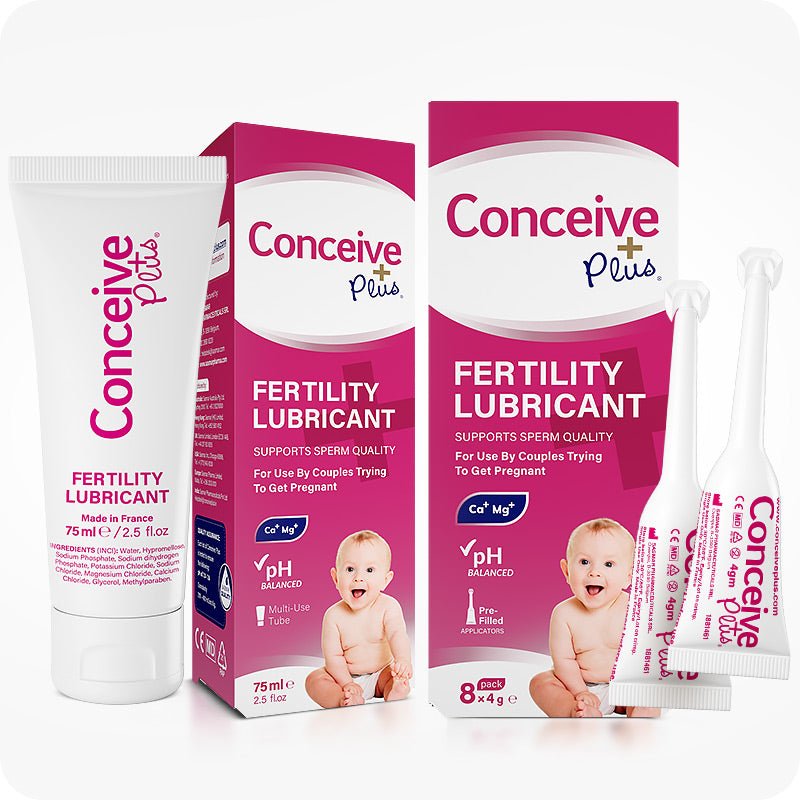
Conceive Plus is the fertility brand trusted by couples and clinics in 60+ countries. From lubricants to supplements, we have everything you need.
👉 Explore All Conceive Plus Products →