Timing Intercourse for Conception: Your Science-Backed Guide to Getting the Timing Right


Of all the factors couples can control when trying to conceive, timing intercourse for conception is one of the most impactful — and one of the most frequently misunderstood. Mistiming the fertile window by even one or two days can mean a conception opportunity is missed entirely, while correct timing dramatically increases the probability of pregnancy in each cycle.
This guide covers everything you need to know about the science of the fertile window, how to identify ovulation accurately using multiple methods, and how to time intercourse to maximise your chances of conceiving in Australia's range of climates and lifestyles.
Understanding the Fertile Window
The fertile window is the span of days in each menstrual cycle during which intercourse can result in conception. Its boundaries are set by two biological facts:
- Sperm survival: Healthy sperm can survive in the female reproductive tract — specifically in the cervical crypts and fallopian tube — for up to five days when cervical mucus is at its fertile (egg-white) consistency. This fertile mucus keeps sperm alive and guides them toward the egg.
- Egg viability: Once ovulation occurs, the released egg is viable for just 12 to 24 hours. After this window, the egg deteriorates and cannot be fertilised.
Combining these two facts means the fertile window spans approximately six days: the five days before ovulation (during which intercourse can result in sperm already being in position when the egg is released) plus ovulation day itself.
Peak fertility is concentrated in the two to three days immediately before and including ovulation. Research from the New England Journal of Medicine found that the probability of conception from a single act of intercourse was approximately 10% on day five before ovulation, rising to approximately 33% on the day before ovulation, and 15% on ovulation day itself. The sharp drop on ovulation day itself reflects the limited window of egg viability after release.
Support Every Attempt with Conceive Plus
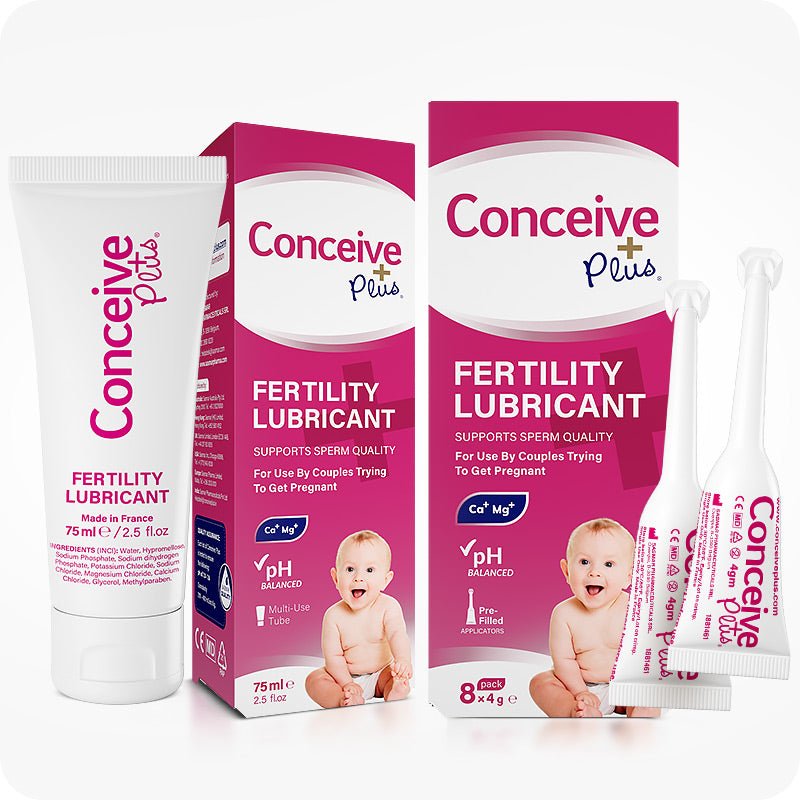
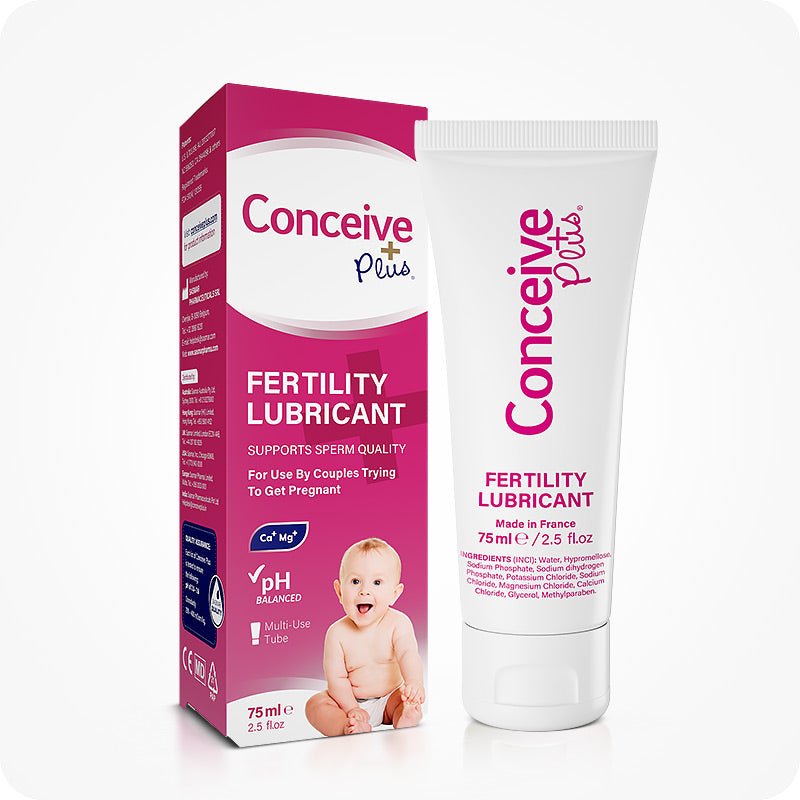
Our fertility-friendly lubricant is scientifically formulated to support sperm motility during your fertile window. Unlike standard lubricants that can harm sperm, Conceive Plus contains calcium and magnesium ions naturally found in the female reproductive tract — creating the optimal environment for sperm survival and motility.
Methods for Identifying Ovulation Accurately
Ovulation Predictor Kits (OPKs): OPKs detect the surge in luteinising hormone (LH) that triggers ovulation approximately 24–36 hours before the egg is released. This is the most actionable signal for timing intercourse: a positive OPK on Monday morning indicates that ovulation will occur approximately Monday night to Wednesday. Intercourse on the day of the LH surge and the following day covers the peak fertility window.
Standard OPKs (line-based) are inexpensive and effective. Digital OPKs (such as Clearblue Advanced) also detect the earlier rise in oestrogen, providing an additional "high fertility" signal one to two days before the LH surge — extending the advance warning. For the most accurate timing, begin testing approximately 2–3 days before the expected surge based on your cycle length.
Basal Body Temperature (BBT) Charting: BBT rises by approximately 0.2°C (0.4°F) after ovulation due to the thermogenic effect of progesterone. This confirms that ovulation has already occurred — making it retrospective information that helps you understand your cycle pattern over several months, rather than actionable advance notice for the current cycle. After several months of charting, you will have a reliable picture of when in your cycle ovulation typically occurs, allowing you to anticipate and time intercourse proactively.
Take BBT immediately upon waking, before getting out of bed, at the same time each morning, using a basal thermometer (which measures to two decimal places). BBT tracking apps (Fertility Friend, Clue, Natural Cycles) can identify the ovulatory shift and help you interpret your chart.
Cervical Mucus Monitoring: Cervical mucus changes predictably across the cycle. In the lead-up to ovulation, as oestrogen rises, mucus transitions from dry or sticky to creamy, then to the characteristic egg-white consistency (clear, stretchy, slippery) that marks peak fertility. Egg-white cervical mucus (EWCM) supports sperm survival and helps guide sperm toward the egg.
Monitoring cervical mucus gives advance notice of approaching ovulation without requiring any equipment. When you observe EWCM, you are in or entering your fertile window. The last day of egg-white mucus typically coincides closely with ovulation day.
Combining methods (Symptothermal Method): Using two methods together — typically OPKs or cervical mucus monitoring combined with BBT — provides the most complete and accurate picture of your fertility pattern. The Symptothermal Method, which combines BBT with cervical mucus observation, has been validated in research as highly accurate for identifying ovulation.
A Complete Fertility Support System for Both Partners
When both partners optimise their nutrition, conception chances improve significantly. Conceive Plus offers a complete range of scientifically formulated fertility supplements for women and men, plus our fertility-friendly lubricant.
How Often to Have Intercourse During the Fertile Window
A common misconception is that "saving up" sperm by abstaining from intercourse in the days before ovulation improves conception chances. The evidence does not support this. While very frequent ejaculation (multiple times per day) can temporarily reduce sperm concentration, normal daily or every-other-day ejaculation maintains excellent sperm quality.
Research supports the following approach for timing intercourse for conception:
- Every other day (or daily) during the fertile window
- At minimum, intercourse on the day of the LH surge, the day after the LH surge, and ovulation day
- Avoid more than five to seven days of abstinence before the fertile window, as longer abstinence periods are associated with increased sperm DNA fragmentation
A 2020 review in Reproductive BioMedicine Online concluded that the optimal ejaculatory frequency for maximising conception probability is daily or every other day throughout the fertile window — not timed to a single "peak" day.
The Role of Cervical-Friendly Lubricant in Timing Intercourse
For couples timing intercourse precisely, using a lubricant during the fertile window requires careful product selection. Standard personal lubricants — including KY Jelly, Astroglide, and many natural alternatives including saliva — have been shown to reduce sperm motility by 60–90% within minutes of exposure, due to their acidic pH and unfavourable osmolality.
If lubricant is needed (and for many couples it is, since TTC-related anxiety can affect natural lubrication, and cervical mucus is not always sufficient), use a fertility-friendly formulation specifically designed to support sperm motility. Conceive Plus fertility lubricant is pH and osmolality matched to seminal fluid, contains calcium and magnesium ions that support sperm function, and has been validated in clinical studies as non-harmful to sperm.
Factors That Affect Ovulation Timing
Ovulation day varies — both between women and from cycle to cycle in the same woman. Factors that can shift ovulation timing include:
- Illness: Any illness causing fever can delay ovulation
- Travel and jet lag: Disrupting circadian rhythm affects hormonal timing
- Stress: High cortisol levels suppress GnRH, which can delay or suppress ovulation
- Strenuous exercise: Excessive exercise can disrupt the hypothalamic-pituitary-ovarian axis
- Weight fluctuation: Both underweight and overweight status affect ovulation regularity
- Stopping hormonal contraception: Cycles may be irregular for one to three months after stopping the pill, patch, or ring
Monitoring your cycles for at least two to three months before actively trying to conceive gives you a baseline understanding of your typical pattern and helps you identify any concerning irregularities to discuss with your GP or a fertility specialist.
Frequently Asked Questions
Q: What is the best time in my cycle to try to conceive?
The two to three days before and including ovulation day are the peak fertility window. Ovulation typically occurs around day 14 of a 28-day cycle, but varies significantly. Use OPKs or cervical mucus monitoring to identify your personal ovulation day each cycle.
Q: How many times should we have intercourse during the fertile window?
Every day or every other day during the fertile window is the evidence-based recommendation. There is no benefit to "saving up" — and abstinence periods longer than 5 days are associated with increased sperm DNA fragmentation.
Q: Is it possible to get pregnant outside the fertile window?
Conception outside the six-day fertile window is technically possible but extremely unlikely. The egg is only viable for 12–24 hours after ovulation, and sperm cannot survive for more than approximately 5 days in fertile cervical mucus.
Q: Can stress affect ovulation timing?
Yes. Chronic or acute psychological stress elevates cortisol, which suppresses GnRH (the hormone that initiates the ovulation cascade). This can delay ovulation or, in severe cases, suppress it entirely within a cycle.
Q: How accurate are OPKs?
High-sensitivity LH OPKs are approximately 95–99% accurate for detecting the LH surge. False positives can occur in women with PCOS (who may have chronically elevated LH) or with certain fertility conditions. Digital OPKs that also track oestrogen are more informative for complex cycles.
Q: Should I use lubricant when timing intercourse?
If you need lubricant, use a fertility-friendly formulation like Conceive Plus. Standard lubricants can significantly impair sperm motility. Conceive Plus is pH and osmolality matched to seminal fluid and contains ions that support sperm function.
Mastering timing intercourse for conception — using OPKs, cervical mucus monitoring, and an understanding of the fertile window — is one of the highest-impact steps couples can take to increase their monthly conception probability. Combined with fertility-friendly lubricant, evidence-based supplementation, and a general focus on reproductive health, correct timing gives every cycle the best possible chance of success.