Ovulation Tracking: The Complete Guide to Finding Your Fertile Window


Ovulation Tracking: The Complete Guide to Finding Your Fertile Window
Timing is everything when it comes to conception. Ovulation tracking is the cornerstone of maximising your chances of falling pregnant — and yet many couples spend months trying to conceive without understanding their fertile window. With the right knowledge and tools, you can pinpoint ovulation with remarkable accuracy and dramatically improve your odds each cycle.
Why Ovulation Tracking Matters
The human egg is viable for fertilisation for only 12 to 24 hours after ovulation. Sperm, however, can survive in the female reproductive tract for up to 5 days. This creates a fertile window of approximately 5 to 6 days per cycle — the 5 days before ovulation and the day of ovulation itself.
Having intercourse outside this window essentially means no chance of conception that cycle. Without ovulation tracking, couples must rely on guesswork or calendar-based estimates that may not reflect their actual biology — particularly if they have irregular cycles. Research is unambiguous: couples who time intercourse within the fertile window have the highest per-cycle conception rates.
Method 1: Ovulation Predictor Kits (OPKs)
Ovulation predictor kits are urine-based tests that detect the luteinising hormone (LH) surge that occurs 24 to 36 hours before ovulation. When LH surges, it triggers the follicle to rupture and release the egg — making a positive OPK your most reliable signal to have intercourse.
Start testing on day 10 to 11 of a 28-day cycle, test once daily ideally between 10am and 8pm, and limit fluids for 2 hours before testing. A positive result means the test line is at least as dark as the control line on standard LH strips. Digital OPKs eliminate subjective line-reading. Advanced cycle monitors that detect both oestrogen and LH identify the full fertile window earlier.
Method 2: Basal Body Temperature (BBT) Charting
Basal body temperature is your body's resting temperature taken first thing in the morning before any activity. Under the influence of progesterone (which rises after ovulation), BBT increases by approximately 0.2 to 0.5 degrees Celsius and stays elevated for the remainder of the cycle. BBT confirms that ovulation occurred but only after the fact — typically 1 to 2 days after the temperature rise. This means BBT alone is not ideal for timing intercourse, but it is most valuable when combined with OPKs or cervical mucus monitoring.
Method 3: Cervical Mucus Monitoring
Cervical mucus changes predictably throughout the menstrual cycle. After menstruation comes dry days with little mucus. As fertility builds, mucus becomes sticky, white, creamy, or cloudy. At peak fertility, mucus becomes clear, stretchy, and raw-egg-white-like — this is spinnbarkeit mucus that facilitates sperm transport and signals your most fertile days. After ovulation, drying returns. The days with clear, stretchy mucus correspond with the highest conception probability.
Method 4: Fertility Tracking Apps and Wearables
Apps like Natural Cycles, Clue, Flo, and Glow use algorithm-based predictions from cycle history, temperature data, and symptom tracking to estimate the fertile window. The most accurate apps use BBT data alongside cycle history. Pure calendar-based predictions assuming ovulation on day 14 are only accurate for women with very regular 28-day cycles. Smart wearables like the Oura Ring, Tempdrop armband, and Ava bracelet continuously monitor body temperature to track cycle phase. For the most accurate tracking, combine app use with OPK testing.
Method 5: Ultrasound Follicle Tracking
The gold standard for ovulation tracking — transvaginal ultrasound monitoring by a fertility specialist. The sonographer can directly visualise follicle development and confirm ovulation. This level of monitoring is typically used in medicated IUI or IVF cycles, or for women with very irregular cycles or PCOS where OPK interpretation is unreliable.
Combining Methods for Maximum Accuracy
The most reliable approach to ovulation tracking combines multiple methods. Using OPKs from cycle day 10 to detect the LH surge, monitoring cervical mucus daily for the transition to egg-white consistency, and charting BBT to confirm ovulation occurred after the fact together give the most complete picture. When all three signals align — OPK positive, egg-white mucus present, followed by BBT rise — you can be highly confident about when ovulation occurred.
Irregular Cycles and Ovulation Tracking
Women with irregular cycles face greater challenges but may benefit most from ovulation tracking. Irregular cycles can result from PCOS, thyroid dysfunction, hyperprolactinaemia, low body weight or exercise-induced amenorrhoea, perimenopause, or post-hormonal contraception return. For women with irregular cycles, OPKs should be started earlier and used for a longer testing window. If OPKs consistently fail to show a surge or BBT never shows a clear temperature rise, this warrants investigation by a GP or fertility specialist.
Optimising Intercourse Timing
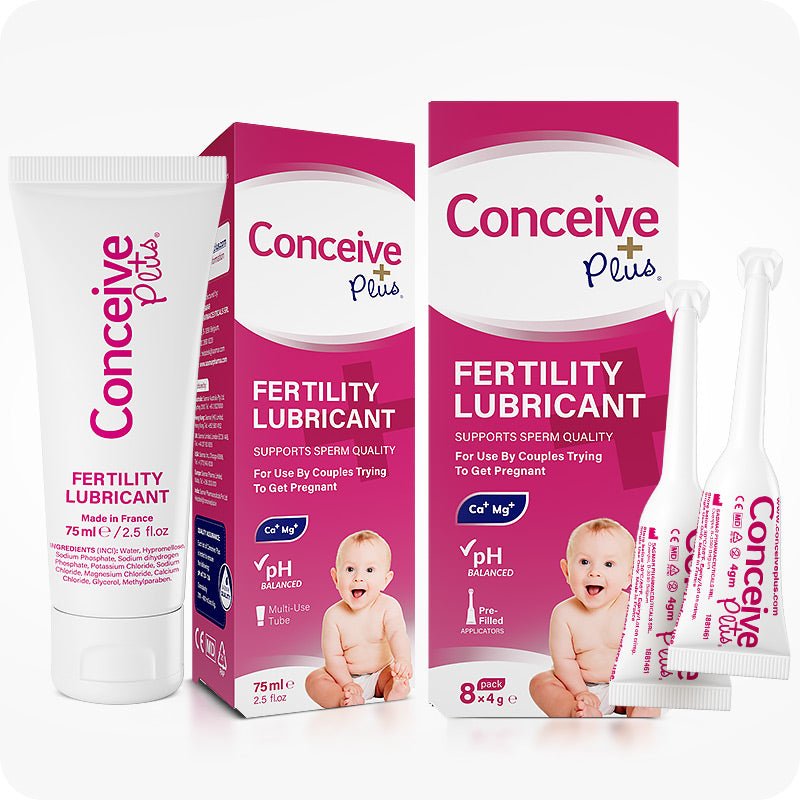
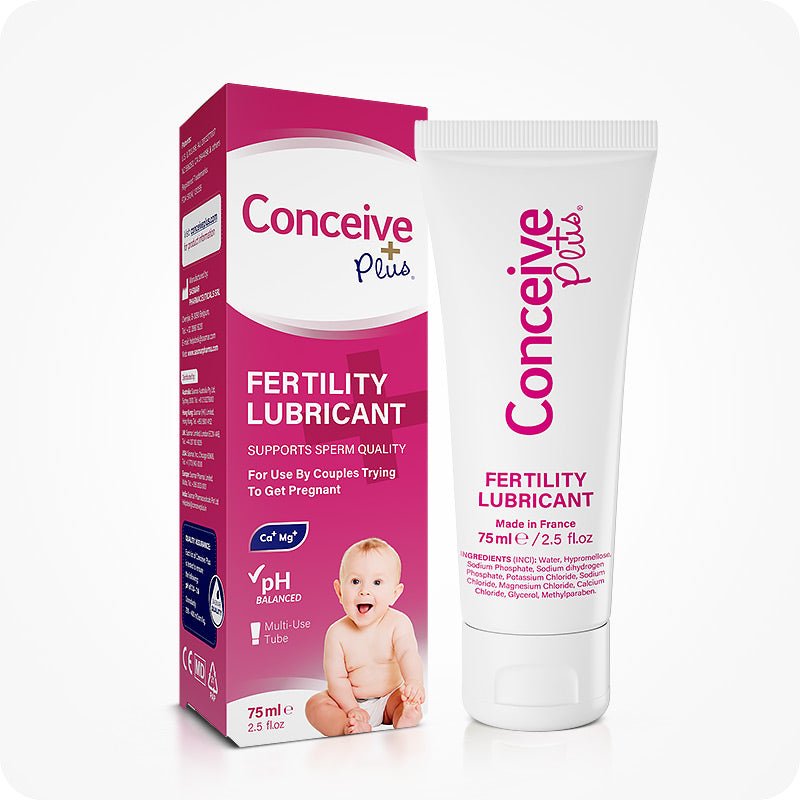
Once you have identified your fertile window, timing intercourse strategically maximises your monthly conception probability. The optimal timing is the two days before ovulation (peak fertility), the day of ovulation itself, and the day after. Practically: once your OPK turns positive or you see clear egg-white mucus, have intercourse that day and the following day. Use a sperm-friendly lubricant if needed — standard lubricants are toxic to sperm and can significantly reduce their survival. Conceive Plus is specifically formulated to be sperm-safe, with a pH and osmolality that mimics natural cervical fluid.
Frequently Asked Questions About Ovulation Tracking
How do I know if I am ovulating?
Signs you are likely ovulating include a positive OPK (LH surge), clear stretchy cervical mucus, a midcycle dull ache on one side (Mittelschmerz), and a confirmed BBT rise. The most reliable confirmation is an OPK followed by a BBT rise 1 to 2 days later.
Can you ovulate more than once per cycle?
No, in the conventional sense — you can only have one ovulatory event per cycle, which typically involves one or two eggs released within the same 24-hour window. What can happen is multiple LH surges before the dominant follicle actually ovulates, which is more common in women with PCOS.
Can stress delay ovulation?
Yes. Psychological or physical stress can disrupt the hypothalamic-pituitary-ovarian axis, delaying or even preventing ovulation. This is why illness, extreme exercise, travel, or stressful life events can cause cycles to be longer than usual or anovulatory.
How many days after ovulation can I get pregnant?
The egg survives for 12 to 24 hours after ovulation. For pregnancy to occur, fertilisation must happen within this window. Because sperm survive for up to 5 days, intercourse in the days before ovulation can still result in pregnancy if sperm are waiting when the egg is released.
What does a positive OPK look like?
On standard LH test strips, a positive result means the test line is at least as dark as the control line. Many women find that the test line progressively darkens over several days before reaching peak darkness — this darkening trend indicates approaching ovulation. For digital OPKs, a smiley face indicates high or peak fertility.
Can I use OPKs to avoid pregnancy?
While OPKs can be used as part of fertility awareness methods for contraception, they are specifically designed and validated for conception use. As a contraceptive method, they are less reliable than hormonal methods and require very consistent, careful use.
How long does the LH surge last?
The LH surge typically lasts 12 to 48 hours. Many women only detect it for 24 hours if testing once daily, while others may show 2 to 3 days of positive results. Ovulation usually occurs 24 to 36 hours after the onset of the surge.
What if I never get a positive OPK?
If you have been testing correctly across multiple cycles without a positive result, this warrants investigation. Possibilities include testing too early or too late in the cycle, anovulatory cycles, or PCOS affecting LH readings. Consult your GP for evaluation including day-2 and day-21 blood tests.
Should I use a fertility lubricant during the fertile window?
If you use lubricant during intercourse, yes — switching to a sperm-safe lubricant during your fertile window is important. Many common lubricants including KY Jelly, Astroglide, and even saliva impair sperm motility and survival. Conceive Plus is an isotonic, pH-balanced lubricant specifically designed not to harm sperm.
How many cycles should I track before seeing a doctor?
If you are under 35, guidelines suggest seeking evaluation after 12 months of trying without success. For women over 35, seek evaluation after 6 months. If ovulation tracking reveals irregular or absent ovulation, or if your cycles are very irregular, earlier evaluation is advisable.