Male Fertility Supplements Australia: What Actually Works and Why


Male Fertility Supplements Australia: Evidence-Based Choices for Sperm Health
When a couple is trying to conceive (TTC), the conversation too often focuses almost exclusively on the woman's reproductive health. But male factors contribute to infertility in approximately 40–50% of couples experiencing difficulty conceiving. In Australia, where fertility rates have been declining since the 1970s, male fertility is a growing public health concern—and one where targeted supplementation can genuinely help.
This guide covers the science behind male fertility, the nutrients and supplements with the strongest evidence base, and how Conceive Plus products support couples trying to conceive in Australia.
Understanding Male Fertility: Key Parameters
Male fertility is evaluated primarily through semen analysis, which measures:
- Sperm concentration: The number of sperm per millilitre. WHO 2021 reference values consider ≥16 million/mL within the normal range.
- Total motility: The percentage of sperm moving. Normal is ≥42%.
- Progressive motility: Sperm moving forward in a straight or large circle. Normal is ≥30%.
- Morphology: The percentage of sperm with normal shape. Normal is ≥4% (Kruger strict criteria).
- Total sperm count: Concentration × volume. Normal ≥39 million per ejaculate.
Beyond these standard parameters, emerging evidence highlights sperm DNA fragmentation (SDF) as a critical—yet commonly unmeasured—factor in male fertility. High SDF impairs fertilisation, embryo development, and increases miscarriage risk, even when standard semen parameters appear normal.
Why Are Sperm Vulnerable to Damage?
Spermatogenesis—the production of new sperm—takes approximately 74 days (the spermatogenic cycle). This means the sperm you ejaculate today reflects conditions in your body about 2.5 months ago. During this extended production period, developing sperm cells are highly vulnerable to oxidative stress.
Reactive oxygen species (ROS) are naturally produced as byproducts of cellular metabolism, but excess ROS—caused by poor diet, smoking, alcohol, heat exposure, obesity, and environmental toxins—can damage sperm lipid membranes, proteins, and DNA. The testes have relatively low levels of natural antioxidant defences, making supplementation strategically valuable.
Top Male Fertility Supplements: What the Evidence Shows
1. Coenzyme Q10 (CoQ10)
CoQ10 is a mitochondrial cofactor critical for cellular energy production. It also functions as a powerful lipid-soluble antioxidant in sperm membranes. Multiple randomised controlled trials have demonstrated CoQ10 supplementation (200–600mg/day) significantly improves sperm concentration, motility, and morphology.
A 2012 meta-analysis in the Journal of Assisted Reproduction and Genetics confirmed that CoQ10 supplementation produced statistically significant improvements in all three standard semen parameters. Ubiquinol (the active, reduced form) may be better absorbed than standard ubiquinone CoQ10, particularly in men over 35.
2. Zinc
Zinc is the most abundant trace mineral in semen. It's essential for testosterone synthesis, sperm development, and DNA packaging. Zinc deficiency is associated with low sperm count, poor motility, and increased SDF. Studies show supplementation (25–50mg zinc sulfate daily) improves semen quality in zinc-deficient men.
Importantly, zinc has antioxidant properties that protect sperm DNA from ROS-induced fragmentation.
3. Folate (Vitamin B9)
Folate is essential for DNA synthesis and repair. In sperm, folate deficiency is linked to chromosomal abnormalities, increased SDF, and poor morphology. A combination of folate + zinc has shown synergistic benefits in clinical trials, with one study showing a 74% increase in total normal sperm count over 26 weeks.
4. Vitamin C
Vitamin C is the primary antioxidant in seminal plasma, providing the first line of defence against ROS. Studies confirm that vitamin C supplementation improves sperm concentration, motility, and reduces agglutination (clumping). Recommended intake for fertility support is 500–1,000mg/day.
5. Vitamin E
Working synergistically with vitamin C, vitamin E is a fat-soluble antioxidant that protects sperm membrane lipids from oxidative damage. Combined vitamin C + E supplementation has been shown in clinical trials to reduce SDF and improve fertilisation rates.
6. Selenium
Selenium is incorporated into selenoproteins essential for sperm tail structure and antioxidant defence (via glutathione peroxidase). Men in selenium-deficient regions show impaired sperm motility that responds to supplementation. Australia's soils in some regions are selenium-depleted, making supplementation particularly relevant.
7. L-Carnitine
L-carnitine facilitates fatty acid transport into mitochondria for energy production—critical for sperm tail (flagellar) motility. Clinical trials demonstrate that L-carnitine and acetyl-L-carnitine supplementation significantly improve progressive motility in men with asthenozoospermia (poor motility).
8. Omega-3 Fatty Acids (DHA)
DHA (docosahexaenoic acid) is a structural component of the sperm tail membrane and is critical for membrane fluidity and sperm-egg fusion. Studies link lower DHA levels in sperm membranes to poor motility and morphology. Supplementation with fish oil or algal DHA has shown benefits, particularly for morphology.
Lifestyle Factors That Damage Male Fertility
Supplements work best when combined with lifestyle optimisation:
- Heat: Spermatogenesis requires scrotal temperature 2–4°C below core body temperature. Avoid hot baths, saunas, tight underwear, and prolonged laptop use on the lap.
- Smoking: Every cigarette introduces oxidants that damage sperm DNA. Quitting smoking improves semen quality within 3 months (one spermatogenic cycle).
- Alcohol: Heavy drinking reduces testosterone, impairs spermatogenesis, and increases ROS. Even moderate alcohol (>4 standard drinks/week) has measurable effects on semen quality.
- Obesity: Higher BMI is associated with lower testosterone, elevated oestrogen (aromatisation in adipose tissue), and higher scrotal temperature. Even modest weight loss (5–10%) improves semen parameters.
- Anabolic steroids: Exogenous androgens suppress gonadotropin secretion, causing near-total shutdown of spermatogenesis. This effect can persist for 12–24 months after cessation.
Conceive Plus for Couples TTC in Australia
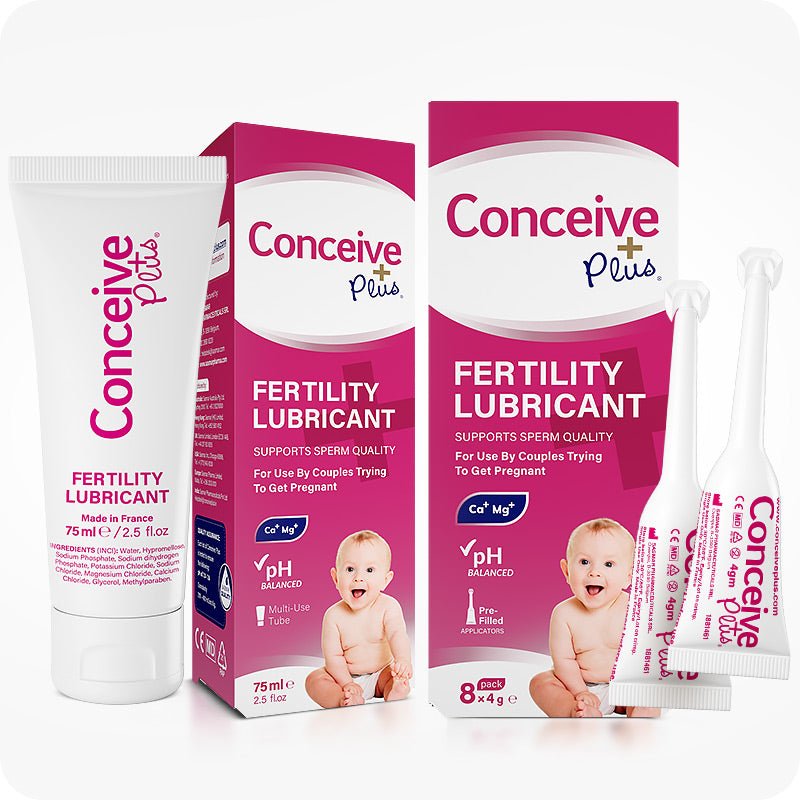
While the male partner works on sperm health, couples can support every possible pathway to conception. Conceive Plus fertility lubricant is a key part of this strategy.
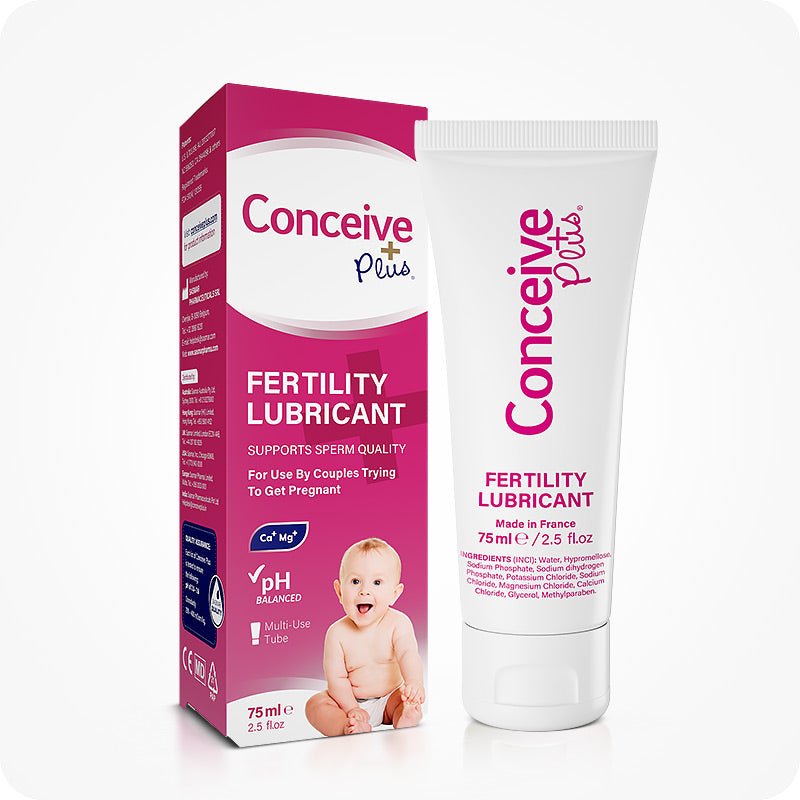
Standard lubricants—even "natural" ones like coconut oil and olive oil—have been shown to impair sperm motility by up to 87% in vitro. Conceive Plus is formulated to be isotonic, pH-balanced (7.2–8.0), and enriched with calcium and magnesium ions that support sperm capacitation. It's the only lubricant that actively contributes to the biological process of fertilisation rather than just avoiding harm.
When combined with optimised male fertility through supplementation and lifestyle change, using a sperm-safe lubricant like Conceive Plus maximises the per-cycle probability of conception.
Conceive Plus is available online and in pharmacies across Australia. Pair it with a targeted male fertility supplement regimen for a comprehensive TTC strategy.
Shop Conceive Plus Australia →
Frequently Asked Questions: Male Fertility Supplements Australia
How long does it take for male fertility supplements to work?
Because spermatogenesis takes ~74 days, most supplement trials use a minimum 3-month treatment period before re-assessing semen parameters. Plan to supplement consistently for at least 90 days before expecting measurable results.
What is sperm DNA fragmentation?
SDF refers to breaks in the strands of sperm DNA. High SDF (>25%) is associated with reduced fertilisation rates, poor embryo development, and increased miscarriage. It can be measured via the sperm chromatin structure assay (SCSA) or DFI test, available through fertility clinics and some private labs in Australia.
Can CoQ10 improve sperm quality?
Yes. Multiple RCTs demonstrate CoQ10 supplementation (200–600mg/day for 90+ days) significantly improves sperm concentration, motility, and morphology. The effect is most pronounced in men with idiopathic male factor infertility.
Does age affect male fertility?
Yes, though the decline is more gradual than in women. Sperm DNA fragmentation increases with age, and advanced paternal age (>45) is associated with increased rates of certain chromosomal abnormalities in offspring. Antioxidant supplementation is particularly important for older men trying to conceive.
Can I get a semen analysis in Australia without a GP referral?
Most fertility clinics in Australia require a GP referral for bulk-billed semen analysis, but private testing is available without referral through private pathology labs such as Genea and Adora Fertility. The cost is typically AUD $80–150.
Is varicocele treatment worth it for fertility?
Varicocele (enlarged veins in the scrotum) is the most surgically correctable cause of male infertility. Meta-analyses confirm that varicocelectomy improves semen parameters and natural pregnancy rates in men with clinical varicocele and abnormal semen analysis. Consult a urologist specialising in male fertility.
Does zinc deficiency affect sperm count?
Yes. Zinc is essential for testosterone synthesis and spermatogenesis. Deficiency is associated with reduced sperm count, impaired motility, and increased DNA fragmentation. Supplementation corrects these deficits in zinc-deficient men.
Are male fertility supplements safe?
Generally, yes—when taken at recommended doses. Most male fertility supplements use nutrients that are safe at therapeutic doses. However, excessive zinc (>40mg/day long-term) can impair copper absorption. Always choose TGA-listed supplements and consider consulting a fertility-focused GP or naturopath.
Should both partners take fertility supplements?
Ideally, yes. Both partners contributing optimal reproductive health maximises conception chances. While the male partner focuses on sperm-supporting nutrients, the female partner benefits from prenatal vitamins, folate, and any fertility-specific supplements relevant to her health history.
While you work on sperm health, don't forget the role of a sperm-safe lubricant. Conceive Plus protects sperm during the fertile window and actively supports capacitation.
Get Conceive Plus in Australia →