PCOS and Fertility: Your Complete Guide to Conceiving with PCOS in Australia


PCOS and Fertility: Your Complete Guide to Conceiving with PCOS in Australia
Polycystic ovary syndrome (PCOS) affects approximately 1 in 10 Australian women of reproductive age. Despite its reputation as a fertility challenge, PCOS is also one of the most treatable causes of fertility difficulties — and with the right approach, most women with PCOS do conceive successfully.
This guide covers how PCOS affects fertility, which treatments and lifestyle strategies work, which supplements have clinical evidence, and how Conceive Plus supports women with PCOS trying to conceive.
Understanding PCOS and How It Affects Fertility
PCOS is a complex endocrine condition characterised by:
- Ovulatory dysfunction: Irregular, infrequent, or absent ovulation
- Hyperandrogenism: Elevated androgen hormones causing acne, excess body hair, scalp hair loss
- Polycystic ovary morphology: Multiple immature follicles on ultrasound
The primary fertility challenge in PCOS is ovulatory dysfunction. Up to 75% of women with PCOS have insulin resistance, which stimulates ovarian androgen production, disrupts follicle development, and suppresses ovulation.
Lifestyle Interventions: First-Line Treatment
Ready to Support Your Fertility Journey?
Conceive Plus products are trusted by thousands of couples worldwide and clinically formulated with the nutrients that matter most.
Shop Conceive Plus Now →Australian PCOS clinical guidelines (NHMRC-endorsed) place lifestyle modification as the first-line treatment. A 5–10% reduction in body weight in overweight women with PCOS restores ovulation in approximately 55–60% of cases.
The PCOS-Friendly Diet
- Low glycaemic index (GI) carbohydrates (oats, lentils, sweet potato, quinoa)
- High fibre intake (reduces insulin spikes)
- Anti-inflammatory foods: fatty fish, olive oil, berries, leafy greens
- Adequate protein at each meal (stabilises blood sugar)
- Minimising refined carbohydrates, sugar, and processed foods
Inositol: The Leading Evidence-Based Supplement for PCOS Fertility
Inositol — specifically the combination of myo-inositol and D-chiro-inositol — has the strongest evidence base of any supplement for PCOS-related fertility. It works by improving insulin signalling, which in turn lowers androgens, restores LH:FSH ratio, and promotes regular ovulation.
The 40:1 Myo:D-Chiro Inositol Ratio
Research has established that the physiologically optimal ratio of myo-inositol to D-chiro-inositol is approximately 40:1 — matching the natural distribution in follicular fluid. Multiple RCTs show that 4g/day myo-inositol in the 40:1 ratio significantly improves ovulation frequency, reduces LH levels, improves insulin sensitivity, and enhances oocyte quality.
Conceive Plus Women's Ovulation Support uses this clinically validated 40:1 ratio, alongside CoQ10, vitamin D3, and methylfolate for comprehensive PCOS support.
Key Supplements for PCOS Fertility
Vitamin D
67–85% of women with PCOS have insufficient vitamin D levels. Supplementation in deficient women improves menstrual regularity and insulin resistance. Australian women are paradoxically at risk of deficiency despite abundant sunshine — particularly those with darker skin, who cover up, or who work indoors.
N-Acetyl Cysteine (NAC)
A precursor to glutathione with demonstrated improvements in insulin sensitivity in PCOS. A 2017 meta-analysis found NAC significantly improved ovulation rates and clinical pregnancy rates in women with PCOS, with comparable effect to metformin in some studies.
CoQ10 and Methylfolate
CoQ10 supports oocyte mitochondrial function — critical for women with PCOS undergoing ovulation induction or IVF. Methylfolate is essential for all women trying to conceive, particularly important for women with PCOS who may have elevated homocysteine.
Cervical Mucus and Lubrication in PCOS
Women with PCOS often have elevated androgens that can impair cervical mucus quality and quantity. Without adequate fertile-quality mucus, sperm cannot survive long enough to reach the egg.
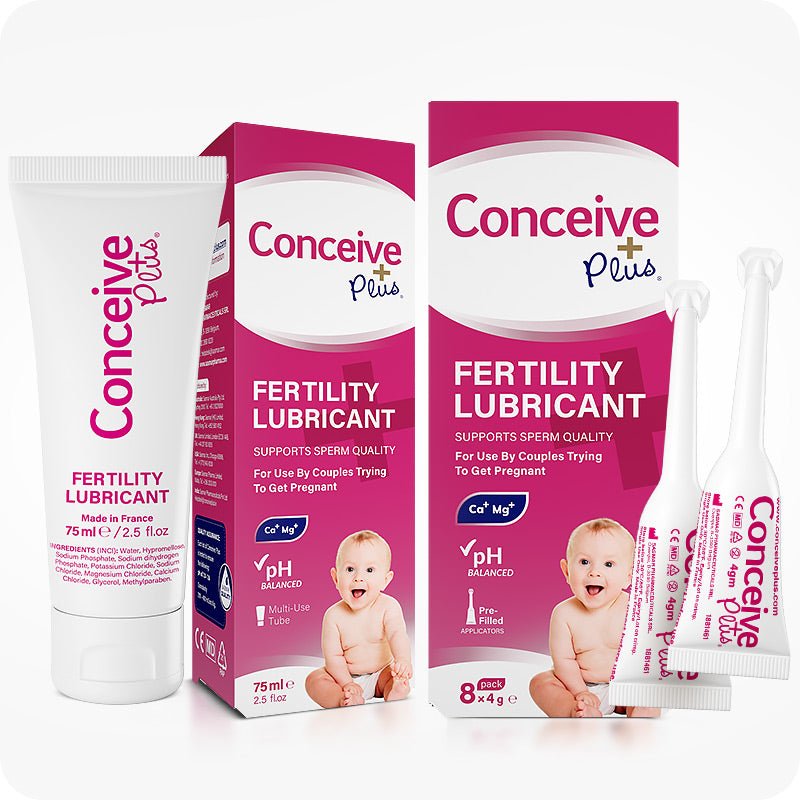
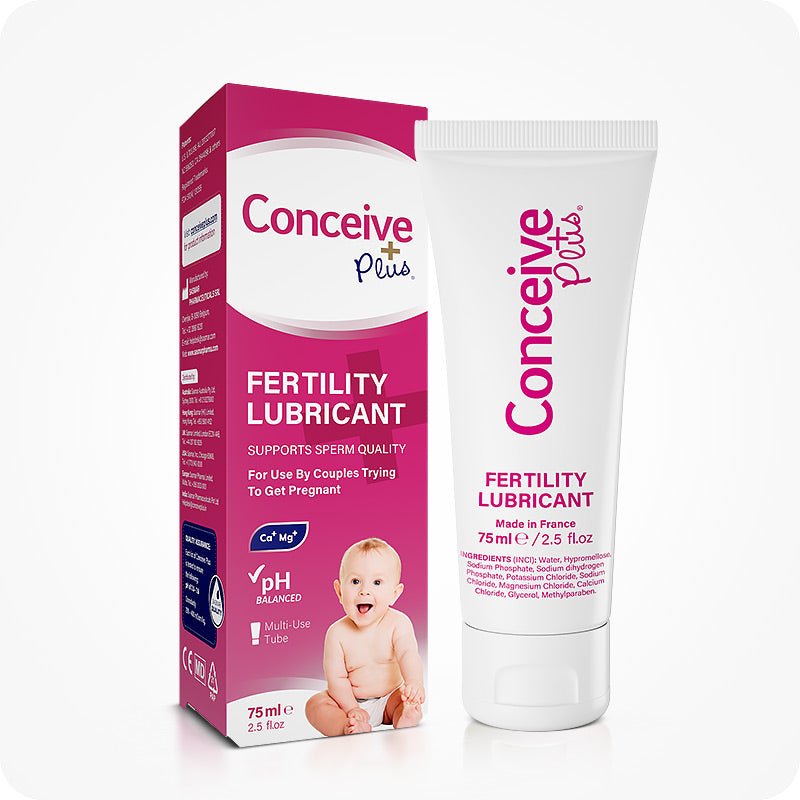
Conceive Plus Fertility Lubricant is pH-balanced to match natural fertile cervical mucus (pH 7.0–8.5), contains calcium and magnesium ions that support sperm motility, and is osmolality-matched to prevent cellular damage. Regular lubricants significantly reduce sperm motility and survival — Conceive Plus is one of very few with clinical evidence of sperm safety.
Medical Treatments for PCOS and Fertility
- Letrozole (First-Line): Current Australian guidelines recommend letrozole as the first-line ovulation induction medication — it achieves significantly higher live birth rates than clomiphene in PCOS
- Clomiphene (Clomid): Still effective in approximately 75% of PCOS women who respond to ovulation induction
- Metformin: An insulin-sensitising medication that can restore ovulation, often combined with letrozole for optimal results
- IVF: Women with PCOS typically produce more eggs in IVF and have good overall live birth rates
Frequently Asked Questions: PCOS and Fertility
Can I get pregnant naturally with PCOS?
Yes — many women with PCOS conceive naturally, especially after lifestyle optimisation, supplementation, and optimised timing. PCOS does not mean infertility.
What are my chances of getting pregnant with PCOS?
With appropriate medical support and lifestyle optimisation, women with PCOS have comparable cumulative pregnancy rates to the general population — studies show 70–85% achieve pregnancy within 3–5 years of treatment.
How does PCOS affect IVF outcomes?
Women with PCOS typically produce more eggs in stimulation cycles. The main challenge is OHSS risk. Overall live birth rates from IVF in PCOS are comparable to or better than many other causes of infertility.
Does losing weight cure PCOS?
PCOS cannot be cured, but weight loss in overweight women significantly improves symptoms and ovulatory function. Lean women also benefit significantly from lifestyle changes targeting insulin sensitivity.
How long does it take for inositol to work for PCOS?
Most studies show meaningful improvements within 3 months of consistent supplementation with 4g/day myo-inositol in the 40:1 ratio. Maximum effect is typically seen at 6 months.
Is Metformin or inositol better for PCOS fertility?
Multiple studies show that myo-inositol produces similar or superior results to metformin with significantly fewer GI side effects. Many specialists now recommend inositol as a first-line supplement.
Can PCOS cause miscarriage?
Women with PCOS have slightly elevated miscarriage rates, likely linked to elevated LH, insulin resistance, and progesterone deficiency. Addressing these through supplementation and medical management reduces risk.
Is stress making my PCOS worse?
Yes. Chronic stress elevates cortisol, worsening insulin resistance and disrupting ovulation. Stress management has direct hormonal and fertility implications in PCOS.
Should I see an endocrinologist or gynaecologist for PCOS fertility?
Ideally a reproductive endocrinologist who specialises in PCOS. In Australia, your GP can refer you to a fertility specialist who understands all aspects of PCOS management.
What supplements should I take with PCOS when trying to conceive?
The evidence-based core stack: myo-inositol with D-chiro-inositol (40:1 ratio, 4g/day), methylfolate, vitamin D3, CoQ10, and NAC. Conceive Plus Women's Ovulation Support is formulated with these priorities in mind.
Ready to Support Your Fertility Journey?
Conceive Plus products are trusted by thousands of couples worldwide and clinically formulated with the nutrients that matter most.
Shop Conceive Plus Now →