Male Fertility: A Complete Guide to Improving Sperm Health Naturally


Male Fertility: A Complete Guide to Improving Sperm Health Naturally
When couples struggle to conceive, the focus often falls on the woman — her cycle, her ovulation, her hormones. But the data tells a different story: male fertility factors are involved in approximately 40–50% of all cases of infertility, and in 20–30% of cases, male factors are the sole cause. Yet male fertility remains poorly discussed, poorly understood, and too often left unaddressed until late in the fertility journey. This guide changes that, providing a comprehensive, evidence-based resource on improving sperm health, understanding semen analysis results, and taking meaningful action to support male fertility naturally.
Understanding Male Fertility: The Basics of Sperm Production
Sperm production — spermatogenesis — is a continuous process that takes place in the testes, specifically in coiled tubules called the seminiferous tubules. From start to finish, producing a single mature sperm takes approximately 74 days, a figure that has profound practical implications: lifestyle changes made today will affect sperm quality approximately 2–3 months from now.
Each ejaculate typically contains 100–300 million sperm. Of these, only the healthiest will make the journey through the cervix, uterus, and into the fallopian tube where fertilisation occurs. The parameters used to assess sperm quality are:
- Sperm count (concentration): Normal is ≥16 million sperm per millilitre (WHO 2021 reference values)
- Total motility: ≥42% of sperm moving
- Progressive motility: ≥30% moving forward
- Morphology: ≥4% normal forms (Kruger strict criteria)
- Volume: ≥1.4 ml per ejaculate
Subfertility in men is typically defined as having one or more parameters below these reference ranges. Azoospermia (complete absence of sperm) affects around 1% of all men and 10–15% of infertile men.
Key Factors That Impair Male Fertility
Start your fertility journey with Conceive Plus.
Trusted by thousands of couples worldwide, Conceive Plus is clinically tested and used in fertility clinics globally.
Shop Conceive Plus →
Heat Exposure
The testes sit outside the body because sperm production requires a temperature approximately 2–3°C lower than core body temperature. Anything that elevates scrotal temperature can impair spermatogenesis. This includes: prolonged sitting (particularly on hot seats), laptop use on the lap, tight underwear, frequent hot baths or saunas, and occupational heat exposure. Switching to loose-fitting underwear and avoiding prolonged heat exposure are among the simplest evidence-supported lifestyle changes for male fertility.
Smoking
Cigarette smoking is one of the most consistently documented impairments to male fertility. Studies show smokers have lower sperm counts, reduced motility, and higher rates of DNA fragmentation in sperm. Reactive oxygen species (free radicals) in cigarette smoke directly damage sperm DNA. The good news: sperm quality begins to improve within weeks of stopping smoking, with significant improvements visible after one spermatogenic cycle (~74 days).
Alcohol
Alcohol impairs testosterone production in the Leydig cells of the testes, increases oestrogen levels, and directly toxic to sperm. Heavy drinking is associated with significantly reduced sperm count, motility, and morphology. Even moderate consumption (above 14 units/week) shows associations with reduced fertility in some studies. Minimising alcohol during the conception period is one of the most impactful changes a man can make.
Anabolic Steroids
Anabolic androgenic steroids — including testosterone supplements taken for bodybuilding or anti-ageing — profoundly suppress the pituitary hormones (LH and FSH) that signal the testes to produce both testosterone and sperm. Men using anabolic steroids can experience complete cessation of sperm production (azoospermia). Recovery after stopping can take 12–24 months and is not guaranteed.
Stress
Chronic psychological stress elevates cortisol levels, which suppresses testosterone production and impairs spermatogenesis. Stress also increases oxidative stress throughout the body, including in the testes. Stress management — through exercise, mindfulness, therapy, or social connection — is increasingly recognised as a legitimate component of male fertility optimisation.
Oxidative Stress
Sperm are particularly vulnerable to oxidative stress because their cell membranes are rich in polyunsaturated fatty acids (easily peroxidised by free radicals) and their cytoplasm contains minimal antioxidant defences (sacrificed during development to make them lighter and faster). Elevated oxidative stress in semen is found in approximately 30–80% of infertile men and is associated with sperm DNA fragmentation, reduced motility, and impaired fertilisation capacity.
Lifestyle Changes to Improve Male Fertility
The evidence for lifestyle intervention in male fertility is stronger than many men realise. Studies consistently show that men who make sustained lifestyle changes can improve sperm quality measurably within one spermatogenic cycle.
Exercise — the right kind
Moderate aerobic exercise (30–45 minutes, 4–5 times per week) is associated with improved sperm parameters. However, excessive endurance exercise (marathon training, prolonged cycling) can have the opposite effect — elevating scrotal temperature, generating oxidative stress, and reducing testosterone through overtraining syndrome. Resistance training has generally positive effects on testosterone and sperm quality when performed without anabolic steroids.
Sleep
Testosterone production peaks during deep sleep, making sleep quality directly relevant to male fertility. Studies show that both insufficient sleep (less than 6 hours) and excessive sleep (more than 9 hours) are associated with reduced sperm count and motility. Prioritising 7–8 hours of quality sleep per night is a simple, underrated male fertility intervention.
Stress reduction
Evidence links chronic psychological stress to lower sperm counts and higher DNA fragmentation. While the mechanisms are complex (involving cortisol, ROS generation, and disrupted hypothalamic-pituitary signalling), the practical implication is clear: strategies that reduce chronic stress — whether therapy, mindfulness, exercise, or time in nature — can meaningfully support male fertility.
Nutrition for Male Fertility: Specific Foods and Supplements
The diet's impact on male fertility operates primarily through two mechanisms: providing the micronutrients required for sperm production and function, and reducing the oxidative stress that damages sperm DNA and membranes.
Foods that support male fertility:
- Oysters and shellfish: The highest food sources of zinc, which is essential for testosterone synthesis and sperm morphology
- Cooked tomatoes: Exceptionally rich in lycopene, an antioxidant associated with improved sperm concentration and motility in clinical trials
- Walnuts: Provide omega-3 fatty acids and antioxidants; a clinical trial showed daily walnut consumption improved sperm morphology and vitality
- Dark leafy greens: Folate-rich, important for sperm DNA integrity
- Eggs: Provide selenium, zinc, and high-quality protein
- Oily fish: Omega-3 DHA is incorporated into sperm membranes, supporting the acrosome reaction needed for fertilisation
- Dark chocolate (70%+ cocoa): Rich in L-arginine, an amino acid that supports sperm count and motility
Supplements with evidence for male fertility:
- CoQ10 (Coenzyme Q10): 200–600 mg/day has shown consistent improvements in sperm motility and concentration in multiple randomised controlled trials
- Vitamin C: 1,000 mg/day reduces sperm DNA fragmentation and improves motility in men with elevated oxidative stress
- Vitamin E: Works synergistically with vitamin C as an antioxidant; shown to improve fertilisation rates in IVF studies
- Zinc: 25–50 mg/day has shown improvements in sperm count and testosterone in deficient men
- Selenium: 100–200 mcg/day supports sperm motility and structural integrity
- L-carnitine: 2–3 g/day; supports sperm mitochondrial function and motility, particularly in men with poor motility
- Folic acid: 5 mg/day may reduce sperm DNA fragmentation when combined with zinc
Understanding Your Semen Analysis Results
A semen analysis is the first and most important test of male fertility. Here's how to interpret the results using WHO 2021 reference ranges:
Normal results (all parameters within reference ranges) suggest male factor is unlikely to be contributing significantly to fertility challenges, though sperm DNA fragmentation (a separate test) may still be relevant.
Oligospermia (low count) may respond to lifestyle intervention and antioxidant supplementation, particularly if the cause is modifiable (e.g., heat, smoking, nutrition).
Asthenospermia (low motility) often responds well to CoQ10, L-carnitine, and omega-3 supplementation, as these specifically target the energy systems that power sperm movement.
Teratospermia (abnormal morphology) is among the hardest to treat, but antioxidants (particularly vitamins C and E, selenium, and CoQ10) and dietary improvements have shown moderate positive effects.
Azoospermia (no sperm) requires specialist urological evaluation to determine whether the cause is obstructive (blockage, treatable) or non-obstructive (testicular failure).
When to Seek Professional Help for Male Fertility
Men should see a urologist or andrologist if:
- A couple has been trying to conceive for 12 months without success (or 6 months if the female partner is over 35)
- A semen analysis shows any parameter significantly below reference range
- There is a history of testicular injury, undescended testicles, or testicular surgery
- There are symptoms of hypogonadism (low testosterone): fatigue, reduced libido, erectile dysfunction, reduced facial/body hair
- There is a history of chemotherapy, radiotherapy, or anabolic steroid use
Male Fertility and the Role of Lubricants During TTC
One frequently overlooked aspect of male fertility during trying to conceive (TTC) is the impact of personal lubricants on sperm. Research has shown that many standard lubricants — including water-based, silicone-based, and even some natural lubricants — can significantly impair sperm motility within minutes of contact. If you and your partner use lubricant during intercourse, using a fertility-optimised lubricant is essential during the conception period.
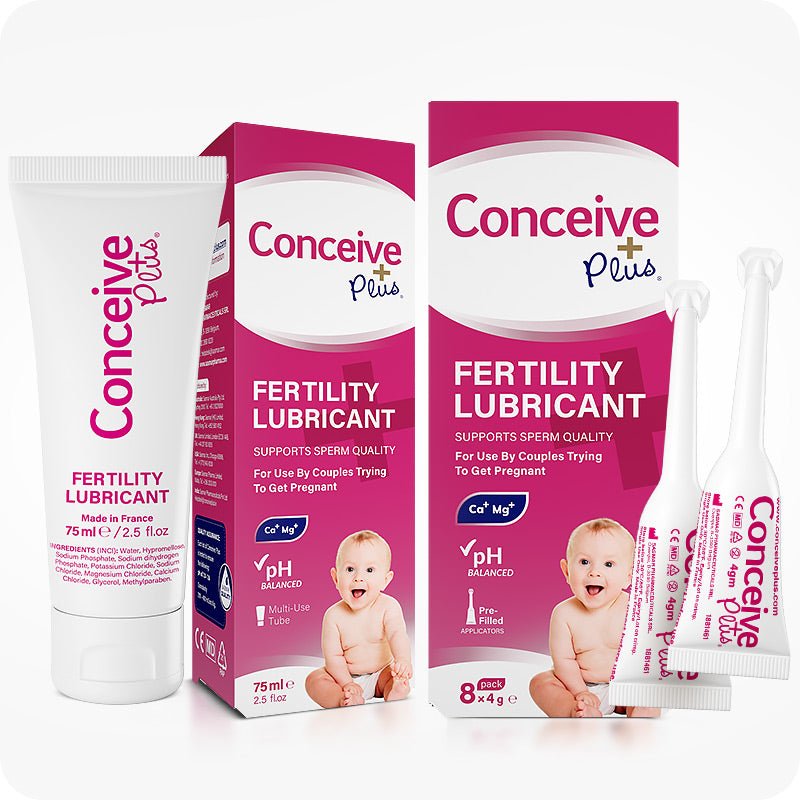
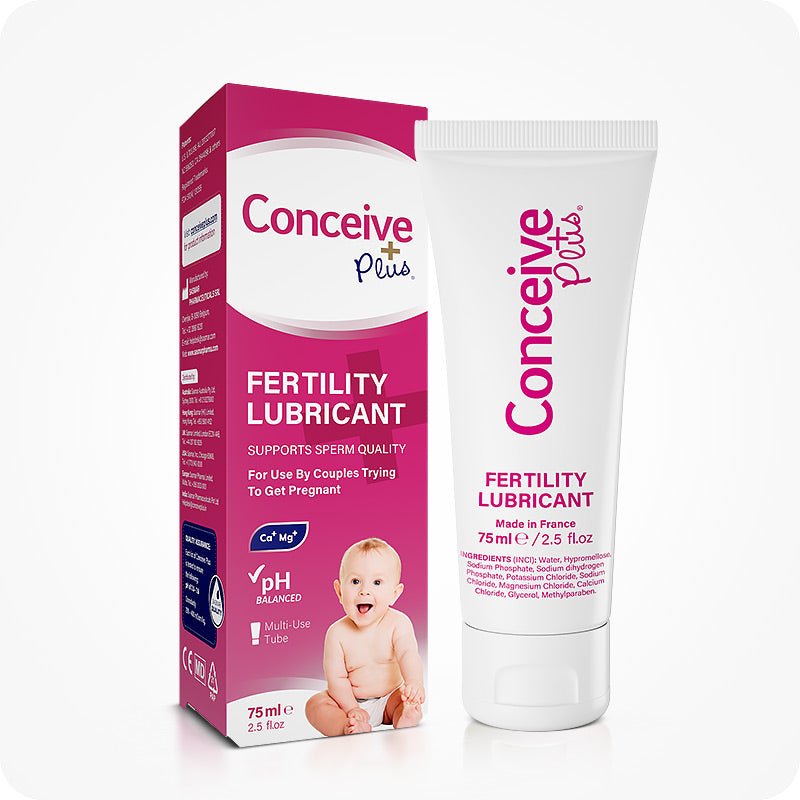
Conceive Plus is specifically formulated to be safe for sperm, with pH and osmolality matched to fertile cervical mucus and uniquely containing calcium and magnesium ions that support sperm capacitation — the process by which sperm mature and develop the capacity to fertilise an egg.
Frequently Asked Questions About Male Fertility
Q: How long does it take to improve sperm quality?
A: Spermatogenesis takes approximately 74 days, so meaningful improvements from lifestyle and dietary changes typically appear after 2–3 months. Consistency is essential — sperm quality reflects the conditions of the past 3 months.
Q: Can stress cause male infertility?
A: Chronic severe stress can impair sperm production and increase DNA fragmentation through cortisol elevation and oxidative stress. The effect is typically reversible with stress reduction, but this takes time (one full spermatogenic cycle).
Q: Does age affect male fertility?
A: Male fertility does decline with age, but more gradually than female fertility. Sperm count, motility, and morphology all show age-related decline, and sperm DNA fragmentation increases with age. Men over 45 have higher paternal age-associated risks for certain conditions in offspring. However, men can father children into their 60s and beyond, unlike women who lose fertility at menopause.
Q: Is a varicocele causing my infertility?
A: A varicocele (varicose vein in the scrotum) is found in approximately 35–40% of infertile men, compared to ~15% of the general population. Varicoceles raise scrotal temperature and increase oxidative stress. Varicocele repair (varicocelectomy) has been shown to improve sperm parameters in many men, and reproductive specialists will assess whether this is appropriate in your case.
Q: Can I improve sperm DNA fragmentation?
A: Yes. Sperm DNA fragmentation (SDF) is increasingly tested as a marker of male fertility beyond standard semen analysis. High SDF is associated with failed IVF cycles and recurrent miscarriage. Antioxidant supplementation (vitamins C, E, selenium, CoQ10), stopping smoking, reducing alcohol, avoiding heat, and treating underlying varicocele have all been shown to reduce SDF.
Q: Does masturbation frequency affect fertility?
A: Frequent ejaculation can temporarily reduce sperm count in subsequent ejaculates. For optimal fertility, abstaining for 2–5 days before the fertile window is generally recommended. Very long abstinence periods (more than 7 days) can reduce motility and increase DNA fragmentation.
Q: Can marijuana use affect male fertility?
A: Yes. Cannabis use is associated with lower sperm count, reduced motility, and altered morphology. The cannabinoid receptors (CB1 and CB2) are expressed in sperm, and THC has been shown to impair sperm's ability to navigate toward the egg. Cessation of cannabis use is recommended when trying to conceive.
Q: What is the best test for male fertility beyond a semen analysis?
A: Sperm DNA fragmentation testing, testosterone and hormonal panel (LH, FSH, testosterone, prolactin), and scrotal ultrasound to check for varicocele are the most commonly used supplementary assessments. Sperm DNA fragmentation is particularly valuable for couples with unexplained infertility or recurrent IVF failure.
Conclusion: Taking Control of Male Fertility
Male fertility is not fixed — it is responsive to lifestyle, nutrition, and behaviour, particularly because of the continuous nature of sperm production. Every man has the capacity to influence his sperm quality meaningfully through the choices he makes over the 74-day spermatogenic cycle. The changes with the strongest evidence are also largely the changes that support general health: avoiding smoking and excess alcohol, managing weight, exercising moderately, sleeping well, eating an antioxidant-rich diet, and supplementing strategically.
For couples trying to conceive in Australia, combining these lifestyle optimisations with accurate fertility timing and using Conceive Plus fertility lubricant during the fertile window ensures that every aspect of the conception environment — including the ionic support that sperm need for capacitation — is optimised.
If you've been trying to conceive for 12 months without success (6 months if your partner is over 35), please seek evaluation — both you and your partner. The data is clear that male factor evaluation is just as important as female evaluation, and the sooner any issues are identified, the sooner they can be addressed.