Timing Intercourse for Conception: How to Maximise Your Fertile Window


Timing Intercourse for Conception: How to Maximise Your Fertile Window
When it comes to getting pregnant, timing is everything — and yet it is one of the most misunderstood aspects of fertility. Many couples spend months trying to conceive without realising that the actual window of opportunity each cycle is far narrower than they assumed. Understanding how to identify your fertile window, when to have sex for the best chances of conception, and how to maximise every opportunity can make the difference between months of frustration and a positive test.
Understanding the Fertile Window: The Biology
The fertile window is the period of a menstrual cycle during which conception is biologically possible. It is determined by the lifespan of both the egg and sperm:
- Egg viability: After ovulation, the egg survives for approximately 12–24 hours. This is a narrow window.
- Sperm survival: In a favourable cervical environment (fertile-quality cervical mucus), sperm can survive for up to 5 days — sometimes 6. In a hostile environment, survival may be only hours.
Combining these factors, the fertile window is approximately 5–6 days long: the 4–5 days before ovulation and the day of ovulation itself. The highest conception rates are achieved with intercourse on the day before ovulation and the day of ovulation, with meaningful rates extending 2–3 days prior.
How to Identify Ovulation: The Key Methods
Shop Conceive Plus Australia →
Ovulation Predictor Kits (OPKs): OPKs detect the LH surge that triggers ovulation approximately 24–36 hours before the egg is released. For most women, this is the most accessible and reliable method. Digital OPKs that display a smiley face are easier to interpret than line-based tests.
Basal Body Temperature (BBT): BBT rises by approximately 0.2°C after ovulation due to the thermogenic effect of progesterone. BBT charting is most useful retrospectively — identifying your typical ovulation day over several cycles — rather than predicting ovulation in real time.
Cervical Mucus Monitoring: As ovulation approaches, cervical mucus transitions to clear, stretchy, and egg-white-like. This "egg white cervical mucus" (EWCM) can sustain sperm for up to 5 days. The last day on which EWCM is observed is typically the most fertile day.
Optimal Intercourse Timing: What the Research Shows
A landmark study published in the New England Journal of Medicine by Wilcox et al. established the conception probability by day relative to ovulation:
- Day of ovulation: ~33% per-cycle probability
- 1 day before ovulation: ~31%
- 2 days before ovulation: ~27%
- 3 days before ovulation: ~16%
- 5 days before ovulation: ~4%
- Day after ovulation: near 0%
The peak fertility days are the 2 days before and the day of ovulation. The day after ovulation is too late — the egg has already passed the point of fertilisability.
How Often to Have Sex When Trying to Conceive
Every-other-day sex during the fertile window is equally effective to daily sex and may reduce performance pressure and anxiety. Research suggests that ejaculating every 2–3 days throughout the month keeps the sperm population fresh and healthy. Optimal approach: regular sex every 2–3 days throughout the cycle; increase to daily or every-other-day during the confirmed 3-day peak (OPK peak + 1 day after).
The Role of Lubricant in Conception Timing
When timing intercourse with intention, many couples find they need or prefer a lubricant. Most standard lubricants — including KY Jelly, Astroglide, and many natural oils — are harmful to sperm. Studies show standard lubricants reduce sperm motility by 60–87% within 30 minutes.
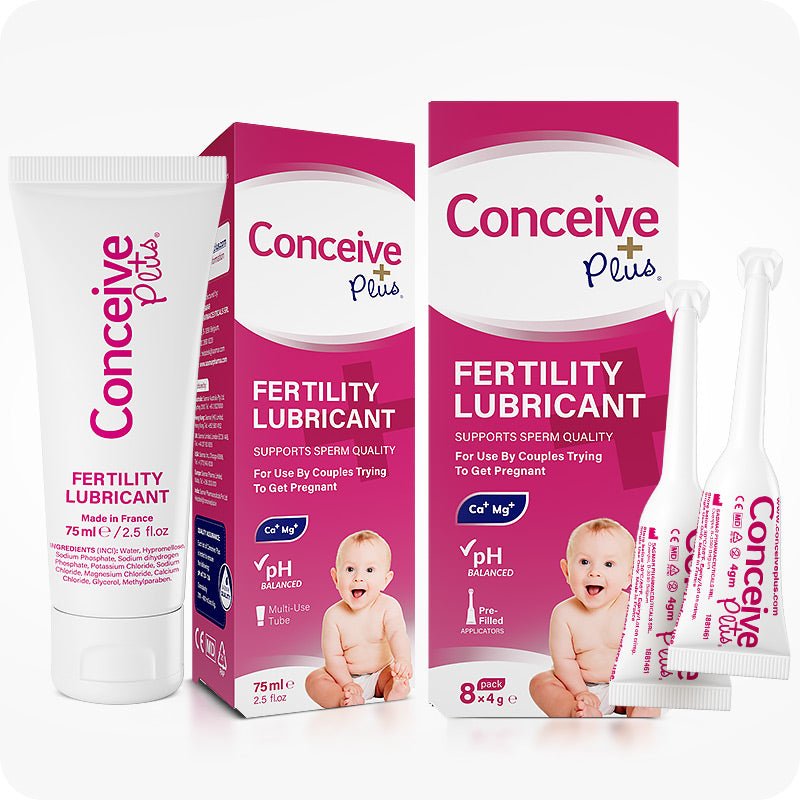
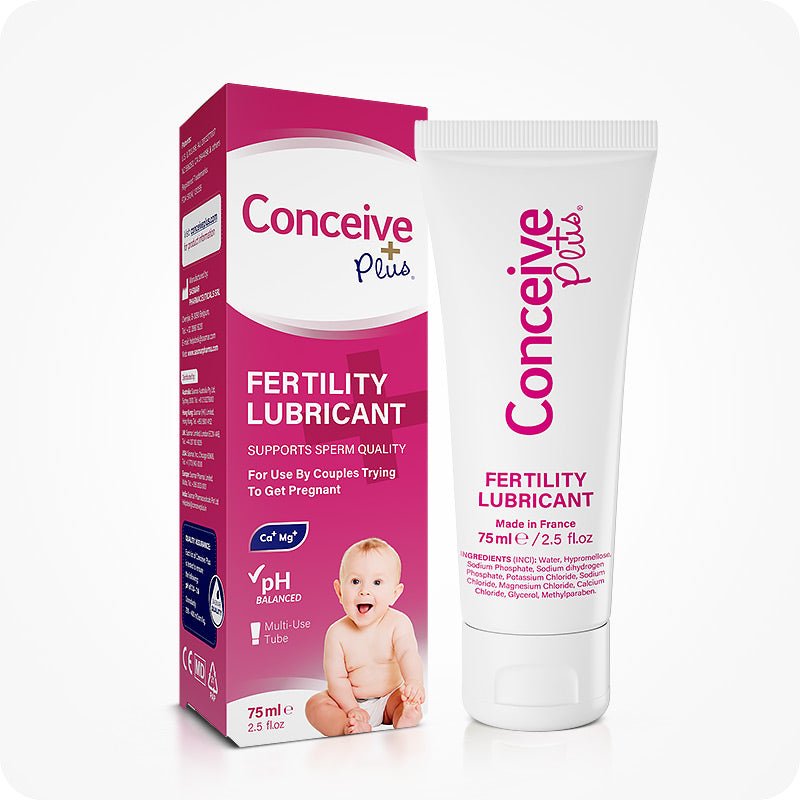
Conceive Plus fertility lubricant is specifically formulated to be sperm-compatible. Its pH (5.0–6.5) and osmolality mirror fertile cervical mucus, creating an environment in which sperm can survive and swim effectively. Conceive Plus uniquely contains calcium and magnesium ions shown to support sperm function. Using Conceive Plus during timed intercourse means you are not inadvertently sabotaging the attempts you have carefully optimised around your fertile window.
Stress, Libido, and Performance Pressure When Timing Sex
One of the unexpected challenges of timing intercourse is what many couples call "scheduled sex syndrome." When sex becomes exclusively task-oriented — defined by apps, OPK results, and calendar alerts — it can drain spontaneity, increase performance anxiety, and create emotional distance. Strategies that help: frame the fertile window as an opportunity rather than a mandatory performance requirement; maintain a baseline of regular sex throughout the month; communicate openly about feelings of pressure; use a sperm-safe lubricant like Conceive Plus to remove the concern about lubrication compromising sperm.
Special Timing Considerations: PCOS, Irregular Cycles, and Longer Cycles
Women with irregular cycles face additional challenges in timing conception. Practical strategies include: start OPK testing early (from day 8–10), rely on mucus monitoring as a primary signal, consider a fertility monitor like the Clearblue Advanced Fertility Monitor that tracks both LH and oestrogen, and seek medical evaluation for PCOS if cycles are consistently irregular or anovulatory.
After Ovulation: The Two-Week Wait
After the fertile window closes, the luteal phase begins. During this phase, the fertilised egg (if conception occurred) travels to the uterus and implants approximately 6–12 days after ovulation. There is nothing you can do to influence this process, though adequate progesterone (which the corpus luteum produces) is essential for maintaining the uterine lining. Avoid testing before 10 days post-ovulation and avoid obsessing over early symptoms.
Frequently Asked Questions About Timing Intercourse for Conception
What is the single best day to have sex for conception?
The day before ovulation is statistically the highest-probability day for conception. Combined with the day of ovulation, these two days represent your peak fertile window. The goal is to ensure sperm are present in the fallopian tubes waiting for the egg.
Can I get pregnant if I have sex after ovulation?
Conception is biologically impossible if sex occurs more than a few hours after ovulation, as the egg degenerates very quickly. Sperm must be waiting when the egg arrives — hence the importance of pre-ovulation timing.
How do I know if my OPK is accurate?
OPKs are very reliable for detecting the LH surge but have limitations. Women with PCOS often have elevated basal LH that can produce false positives. OPKs do not confirm that ovulation actually occurred after the surge. Pairing OPK results with BBT and mucus monitoring provides higher accuracy.
Should I use a fertility lubricant every time we have sex?
During the fertile window especially, using a sperm-compatible lubricant if lubrication is desired is strongly recommended. Conceive Plus is designed to be safe for sperm at any point in the cycle and is particularly important during timed intercourse.
Can I determine my ovulation day precisely?
No method is 100% precise. OPKs predict ovulation within 24–36 hours; mucus monitoring gives a few days' notice; BBT confirms after the fact. Using all three methods together gives the highest accuracy.
Does orgasm help conception?
The uterine contractions associated with female orgasm may assist in drawing sperm toward the fallopian tubes (the "upsuck hypothesis"), though evidence is inconsistent. Orgasm does not hurt conception chances and contributes to partner connection and reduced performance anxiety.
How many cycles should I try before seeking help?
Under 35: 12 months of properly timed intercourse. Over 35: 6 months. Over 38: 3 months. If you have known fertility factors (PCOS, endometriosis, previous miscarriage), seek evaluation sooner.
Can I conceive with irregular periods?
Yes — if ovulation is occurring, conception is possible regardless of cycle regularity. The challenge is identifying when ovulation occurs. OPKs, mucus monitoring, and fertility monitors are all effective tools for women with irregular cycles.