Ovulation Tracking Methods: Which Is Most Accurate for TTC?


Ovulation Tracking Methods: Which Is Most Accurate When Trying to Conceive?
Accurate ovulation tracking is the foundation of effective timed intercourse — the most important practical strategy for couples trying to conceive. The fertile window is narrow: typically just five to six days per cycle, with the two days preceding ovulation and the day of ovulation itself being the most fertile. Miss this window and you've missed your chance for that cycle entirely. That makes ovulation tracking not just useful, but essential for most couples on their TTC journey.
But with so many ovulation tracking methods available — from low-tech basal body temperature charts to high-tech hormone-monitoring devices — how do you know which approach gives you the most accurate information? This comprehensive guide breaks down every mainstream ovulation tracking method, the science behind each, their accuracy limitations, and how to choose the best approach for your unique cycle and lifestyle.
Why Ovulation Tracking Matters: The Biology of Your Fertile Window
To understand why tracking methods differ in accuracy, you first need to understand the hormonal cascade that governs ovulation. Each cycle, rising oestrogen levels in the follicular phase cause the pituitary gland to release a surge of luteinising hormone (LH). This LH surge typically occurs 24-36 hours before ovulation and is the most reliable biological signal that ovulation is imminent.
Sperm can survive in the female reproductive tract for up to five days in fertile-quality cervical mucus. This means that intercourse in the days leading up to ovulation (not just on ovulation day itself) can result in conception. The highest probability days are the two days before ovulation and ovulation day — with pregnancy rates of approximately 25-30% per cycle in couples with no fertility issues when intercourse is timed correctly.
Knowing when ovulation will occur — not just when it has already happened — is therefore critical. Methods that detect post-ovulatory changes (like BBT) identify ovulation retrospectively, while methods that detect the LH surge give advance warning and allow couples to plan intercourse at the optimal time.
Track Ovulation with Confidence
Pair precise ovulation tracking with Conceive Plus fertility support to optimise every opportunity to conceive.
Shop Ovulation Tests →Method 1: Basal Body Temperature (BBT) Tracking
Basal body temperature tracking involves taking your oral, vaginal, or rectal temperature first thing every morning before getting out of bed, then charting these readings across your cycle. After ovulation, the hormone progesterone causes a sustained temperature rise of approximately 0.2°C (0.4°F), which persists through the luteal phase. When you observe this rise, you know that ovulation has occurred.
Accuracy: BBT is reasonably reliable for confirming that ovulation has occurred, but it's a retrospective method — the temperature shift happens after the egg has already been released. This means it's most useful for identifying ovulation patterns over several cycles rather than predicting the precise fertile window in real time. Some women also find that illness, alcohol, disrupted sleep, or travel can confound temperature readings.
Best For: Women wanting to understand their cycle patterns over several months; women with regular cycles who want to confirm ovulation is occurring; and as a complementary tool alongside LH testing.
Limitations: Cannot predict ovulation in advance; requires strict daily measurement before getting up; confounders can produce misleading data; some women have subtler temperature shifts that are hard to detect.
Method 2: Ovulation Predictor Kits (LH Strip Tests)
Ovulation predictor kits (OPKs) detect the LH surge in urine, typically appearing as a positive test 24-36 hours before ovulation. Standard strip OPKs show a positive result when the test line is as dark or darker than the control line. They're widely available, affordable, and can be used at home without any specialist equipment.
Accuracy: When used correctly, LH strip tests are highly accurate at detecting the LH surge — typically 97-99% sensitive for the surge itself. The challenge lies in interpretation: some women have naturally higher baseline LH levels (particularly those with PCOS), making it difficult to identify the true surge. Testing too infrequently can also cause the surge to be missed, as LH peaks can be brief in some women.
Best For: Most women trying to conceive, particularly as a first-line tracking tool. The combination of LH testing from cycle day 10-11 (or earlier for shorter cycles) with twice-daily testing around the expected surge gives the most reliable results.
Limitations: Strips require careful interpretation; PCOS or elevated LH can cause false positives; cheap tests can vary in sensitivity; doesn't detect oestrogen rise or confirm actual ovulation.
Method 3: Digital Ovulation Tests
Digital ovulation tests use the same LH detection technology as strip tests but replace the subjective line comparison with a clear digital readout — a smiley face or "peak" indicator when the surge is detected. Some advanced digital tests (like Clearblue Advanced) also detect the rise in oestrogen (oestradiol) in the days preceding the LH surge, displaying a "High Fertility" reading before the peak, extending the advance warning window to up to five days.
Accuracy: Similar to strip tests for LH detection, but with improved ease of interpretation. The dual-hormone detection models offer a broader fertility window indication by detecting oestrogen rise before the LH peak — giving couples a longer window to plan intercourse.
Best For: Women who find strip interpretation confusing; women wanting advance notice of the fertile window; couples who want to maximise their chance by starting intercourse during the high-fertility (oestrogen rise) phase.
Limitations: More expensive than strips; each test is single-use; dual-hormone models require a cycle-calibrating first morning urine test; not suitable for women with PCOS in some cases.
Method 4: Cervical Mucus Monitoring
Cervical mucus changes in characteristic ways throughout the menstrual cycle under the influence of oestrogen and progesterone. In the days approaching ovulation, mucus transitions from dry/sticky to creamy, then to the most fertile "egg-white" consistency — clear, stretchy, and slippery. The appearance of egg-white cervical mucus (EWCM) is a reliable indicator that ovulation is imminent, typically occurring in the 1-3 days before the LH surge.
Accuracy: Reasonably accurate for identifying the fertile phase, particularly in women with regular cycles who have learned to identify EWCM reliably. Studies show that the presence of fertile-quality mucus is a strong predictor of conception in that cycle.
Best For: Women who prefer hormone-free, tech-free tracking; women who want to combine multiple signals (mucus plus BBT plus LH testing) for the most complete picture; women using the sympto-thermal method of natural family planning.
Limitations: Can be difficult to assess consistently; some women naturally produce less EWCM; vaginismus, infections, or medications (including antihistamines and some fertility medications) can affect mucus quality and quantity; subjective and requires practice.
Method 5: Fertility Monitors (Hormone Monitors)
Advanced fertility monitors — such as the Clearblue Fertility Monitor or the OvuSense — use continuous or regular hormone measurement to build a personalised hormonal profile across your cycle. The Clearblue Fertility Monitor tests urine daily for LH and oestradiol, mapping hormone patterns and predicting the optimal 2-day conception window. OvuSense uses continuous vaginal temperature monitoring to track progesterone-related temperature changes with high precision, confirming ovulation within the cycle.
Accuracy: Fertility monitors are among the most accurate consumer ovulation tracking tools. The Clearblue Fertility Monitor has been shown in clinical studies to identify up to twice as many fertile days per cycle as standard LH tests alone. OvuSense has demonstrated 99% accuracy in detecting ovulation in clinical trials — including in women with irregular cycles and PCOS.
Best For: Women who have been trying to conceive for several months without success; women with irregular cycles or PCOS; women who want the most comprehensive possible picture of their hormonal cycle; couples undergoing fertility investigations.
Limitations: Significantly more expensive than standard OPKs; requires daily testing (Clearblue monitor) or overnight device use (OvuSense); some devices require time to calibrate to your cycle in the first month of use.
Method 6: Wearable Fertility Trackers
Wearable fertility trackers — such as the Oura Ring, the Ava bracelet (now discontinued), and Apple Watch cycle tracking with temperature — use continuous physiological data to predict and confirm ovulation. These devices track resting heart rate, heart rate variability, respiratory rate, skin temperature, and sometimes SpO2 to identify subtle physiological shifts associated with the hormonal changes of ovulation.
Accuracy: Wearables have shown promising results but are generally less accurate than direct hormone-testing methods for predicting ovulation in real time. They're best used as an adjunct to hormone testing rather than as a standalone method, particularly for women trying to conceive. The temperature-sensing capability of newer Oura Ring and Apple Watch features may add useful data points when interpreted alongside other tracking methods.
Best For: Women who want passive, continuous tracking as a background layer of data; tech enthusiasts who prefer integrated health data; women wanting cycle pattern insights over time.
Limitations: Not accurate enough to rely on alone for TTC; requires several cycles to train algorithms; lifestyle factors can confound wearable data.
Complete Fertility Support for Australian Couples
From ovulation tracking to fertility supplements and sperm-friendly lubricant, Conceive Plus supports every step of your conception journey.
Explore Conceive Plus Australia →Combining Methods for Maximum Accuracy
For couples who have been trying to conceive for more than a few months or who have irregular cycles, combining multiple tracking methods gives the most complete and reliable picture of the fertile window. The most effective combination for most women is:
- LH strip tests (from cycle day 10, twice daily around expected ovulation) for advance warning of the LH surge
- Cervical mucus monitoring as a secondary signal to confirm approaching ovulation
- BBT charting (optional but valuable) to retrospectively confirm ovulation occurred and identify cycle patterns over time
Women with PCOS, irregular cycles, or long cycles may benefit from adding a fertility monitor for more reliable hormone tracking.
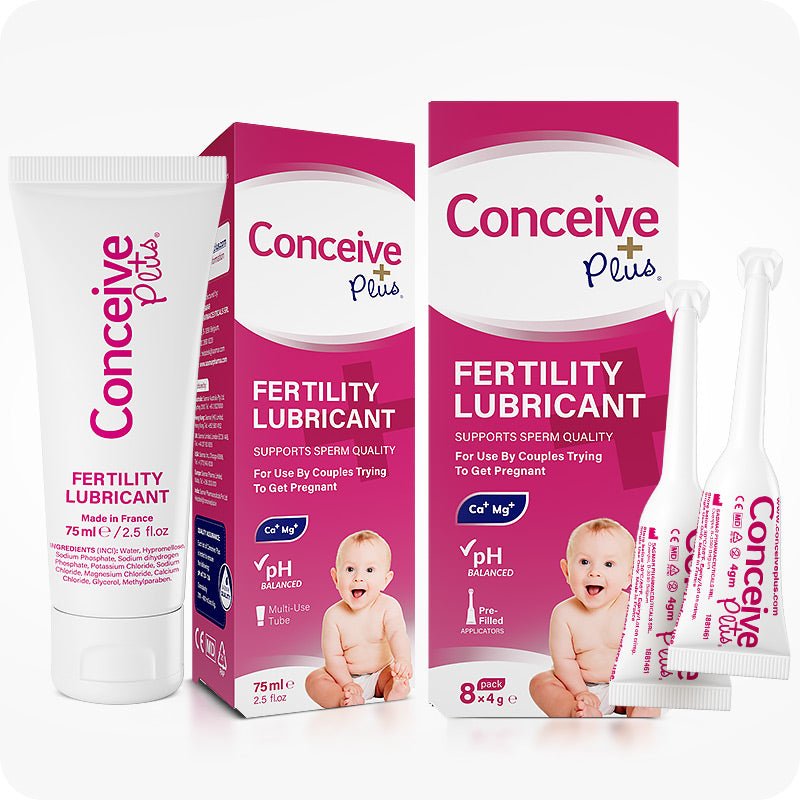
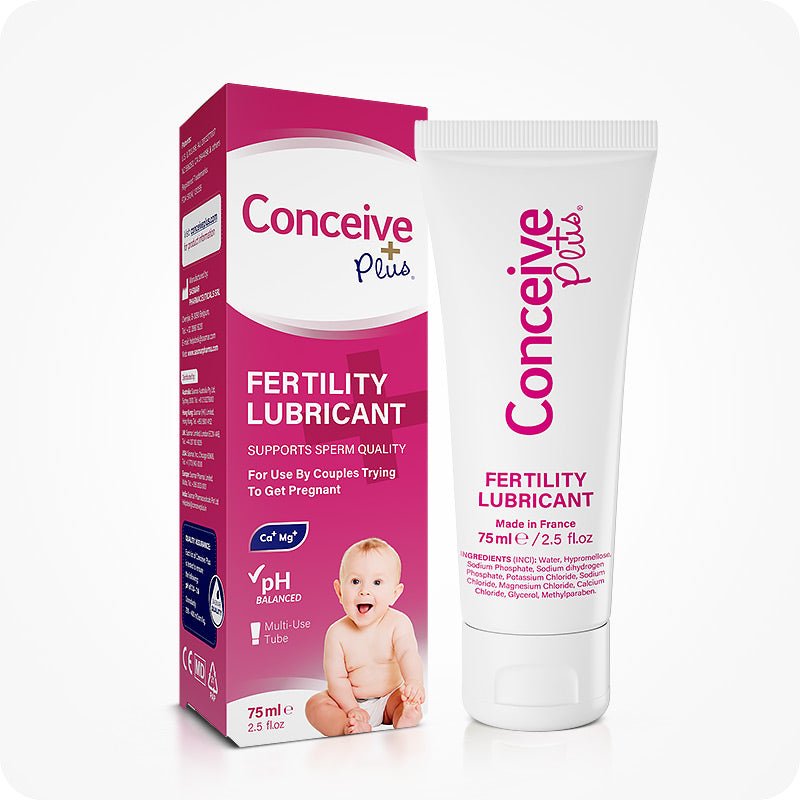
Pairing ovulation tracking with Conceive Plus fertility lubricant ensures that when you do time intercourse at your most fertile window, the environment is as sperm-friendly as possible. Conceive Plus is formulated to match the natural cervical environment — pH and osmolality balanced to support sperm, with added calcium and magnesium ions to support sperm function. It's the most scientifically advanced fertility lubricant available in Australia.
Frequently Asked Questions About Ovulation Tracking
How accurate are home ovulation predictor kits?
Home LH-based OPKs are 97-99% accurate at detecting the LH surge when used correctly. The main causes of inaccurate results are testing too infrequently (missing the surge), elevated baseline LH (as seen in PCOS), and reading the results incorrectly. Testing twice daily around your expected ovulation window significantly improves accuracy.
Can I ovulate without a positive OPK?
Some women experience an LH surge that is too brief to be caught with once-daily testing, or their LH surge may not reach the detection threshold of their particular test. If you consistently have signs of ovulation (fertile mucus, mid-cycle pain) but never see a positive OPK, try testing twice daily with a more sensitive test strip, or consider a fertility monitor that also detects oestrogen.
What if my cycles are irregular?
Irregular cycles make predicting ovulation timing more challenging, as ovulation may occur at different points in different cycles. Combining LH testing (starting early in the cycle, from day 8-10) with cervical mucus monitoring gives the most flexible approach. A fertility monitor that adapts to your unique cycle pattern may also be particularly helpful.
Can stress affect ovulation and tracking accuracy?
Significant stress can delay or suppress ovulation by interfering with the hormonal axis (hypothalamic-pituitary-ovarian axis). It won't cause a false positive OPK, but it may cause the LH surge to occur later in the cycle than expected — which is another reason to test broadly rather than stopping at an expected cutoff date.
Is it possible to miss ovulation even when tracking?
Yes, particularly if testing only once per day or not starting testing early enough. LH surges in some women can be very brief — peaking and falling within hours. Twice-daily testing from around day 10-11 significantly reduces the risk of missing the surge.
How does Conceive Plus lubricant support timed intercourse?
Conceive Plus fertility lubricant is formulated specifically for couples using timed intercourse. Its pH (7.2-7.4) matches natural fertile cervical mucus, its osmolality is calibrated to protect sperm integrity, and it contains calcium and magnesium ions that support sperm motility. Unlike most standard lubricants — which are harmful to sperm — Conceive Plus creates the optimal environment for sperm survival and function at your most fertile moments.
When should I start tracking ovulation?
If you're actively trying to conceive, begin tracking at the start of the cycle in which you want to conceive. For most women with average cycle lengths (28-32 days), starting LH testing on day 10-11 and testing twice daily until a positive is obtained is a good approach. If your cycles are shorter or longer, adjust accordingly — ovulation typically occurs 12-16 days before your expected period.
Can I track ovulation while breastfeeding?
Breastfeeding — particularly frequent nursing — suppresses ovulation through elevated prolactin. Tracking may be less reliable during this time as cycles can be absent or highly irregular. If you're trying to conceive while breastfeeding, consulting a healthcare provider for guidance specific to your situation is advisable.