Male Fertility Supplements in Australia: What the Science Really Says


Male Fertility Supplements Australia: What the Science Really Says in 2026
Male factor infertility accounts for approximately 40–50% of all cases of infertility — yet it remains significantly under-discussed and under-treated. In Australia, an estimated 1 in 20 men experiences some form of fertility challenge, from low sperm count to poor motility or abnormal morphology.
The good news is that male fertility responds remarkably well to lifestyle and nutritional interventions. In this evidence-based guide, we break down which male fertility supplements have genuine clinical support and which are marketing hype — so you can make informed decisions for your fertility journey.
Conceive Plus Men's Fertility Support is formulated specifically for Australian men, combining the most evidence-backed nutrients at clinically relevant doses.
Understanding Male Fertility: Key Parameters
A standard semen analysis measures several key parameters. Understanding what these mean helps you target the right interventions:
- Sperm count: Normal is ≥15 million sperm per millilitre (WHO 2021 criteria)
- Motility: ≥42% of sperm should be moving; ≥30% with progressive motility
- Morphology: ≥4% normal forms (Kruger strict criteria)
- Volume: ≥1.4mL per ejaculation
- DNA fragmentation: Ideally below 15–25% (newer parameter, increasingly tested)
Sperm take approximately 72–90 days to mature (spermatogenesis). This means that any nutritional or lifestyle change you make today won't be reflected in your semen analysis for about 3 months — so patience and consistency are essential.
The Top Evidence-Backed Male Fertility Supplements
Ready to support your fertility journey?
Shop Conceive Plus →Here's what the research actually supports:
1. Coenzyme Q10 (CoQ10)
CoQ10 is one of the most studied supplements for male fertility. As a mitochondrial antioxidant, it protects sperm from oxidative damage — one of the leading causes of poor sperm quality. A 2012 meta-analysis found that CoQ10 supplementation significantly improved sperm concentration and motility. Effective doses range from 200–600mg daily.
2. Zinc
Zinc is essential for testosterone production, sperm formation, and DNA integrity. Australian men with low dietary zinc commonly show reduced sperm count and motility. Supplementing 25–66mg daily (as zinc sulphate or zinc citrate) has been shown to improve multiple parameters. Note: excessive zinc (above 40mg daily for extended periods) can be counterproductive.
3. Selenium
Australian soils are notably selenium-deficient, making dietary sources often inadequate. Selenium is critical for sperm tail formation (motility) and protection against oxidative stress. Doses of 100–200mcg daily show consistent benefits in clinical trials.
4. L-Carnitine and Acetyl-L-Carnitine
Carnitines fuel sperm energy production and have been shown in multiple trials to improve motility and morphology. A combination of L-carnitine and acetyl-L-carnitine at 2g and 1g daily respectively is most commonly studied.
5. Folic Acid
Often thought of as a "women's nutrient," folic acid is equally important for male fertility. It supports DNA synthesis during sperm production, reducing the risk of chromosomal abnormalities. Meta-analyses show benefits particularly for sperm count and morphology at 5mg daily in men with identified deficiencies.
6. Vitamin D
Despite Australia's sunny reputation, vitamin D deficiency is surprisingly common (affecting up to 31% of Australian adults). Vitamin D receptors are found in the testes, and deficiency is associated with lower testosterone and poorer sperm quality. Supplementing 1,000–4,000 IU daily is typically recommended (blood test advised first).
Lifestyle Changes That Outperform Supplements
No supplement stack can fully compensate for significant lifestyle issues. These interventions have the strongest evidence base:
- Quit smoking: Smoking reduces sperm count by up to 23% and increases DNA fragmentation
- Reduce alcohol: More than 14 units per week is associated with reduced testosterone and sperm quality
- Maintain healthy weight: Obesity increases scrotal temperature and alters hormone balance
- Avoid heat: Regular hot baths, saunas, and tight underwear raise testicular temperature — sperm production requires 2–4°C below body temperature
- Exercise moderately: Regular aerobic exercise improves testosterone and sperm parameters; excessive endurance training can be counterproductive
- Manage stress: Chronic cortisol elevation impairs testosterone production
The Role of Conceive Plus for Male Fertility
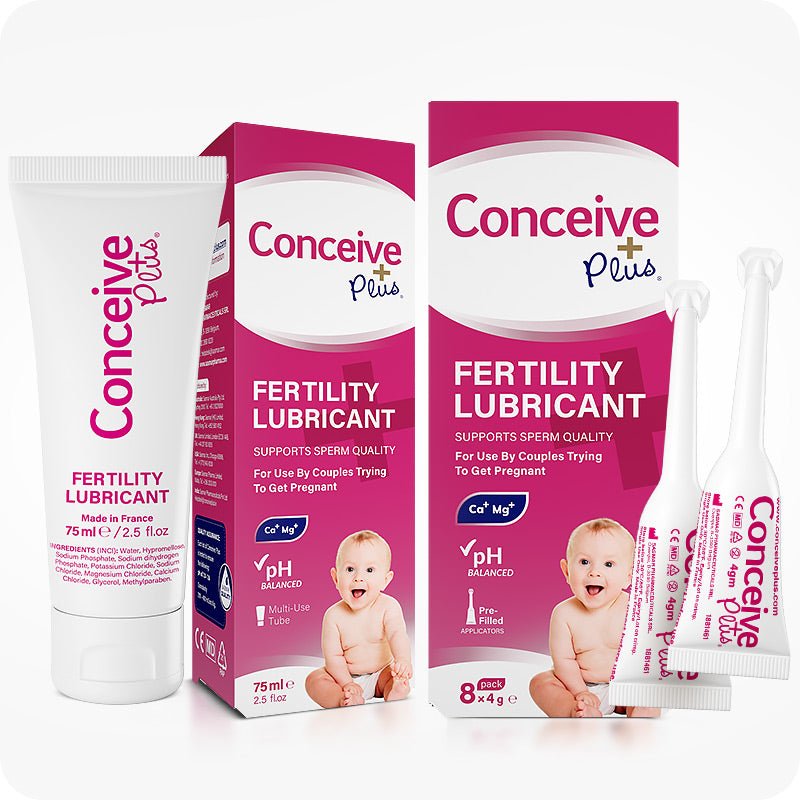
While supplements address internal sperm quality, the environment sperm encounter during intercourse also matters enormously. Standard lubricants — even water-based ones — can significantly reduce sperm motility.
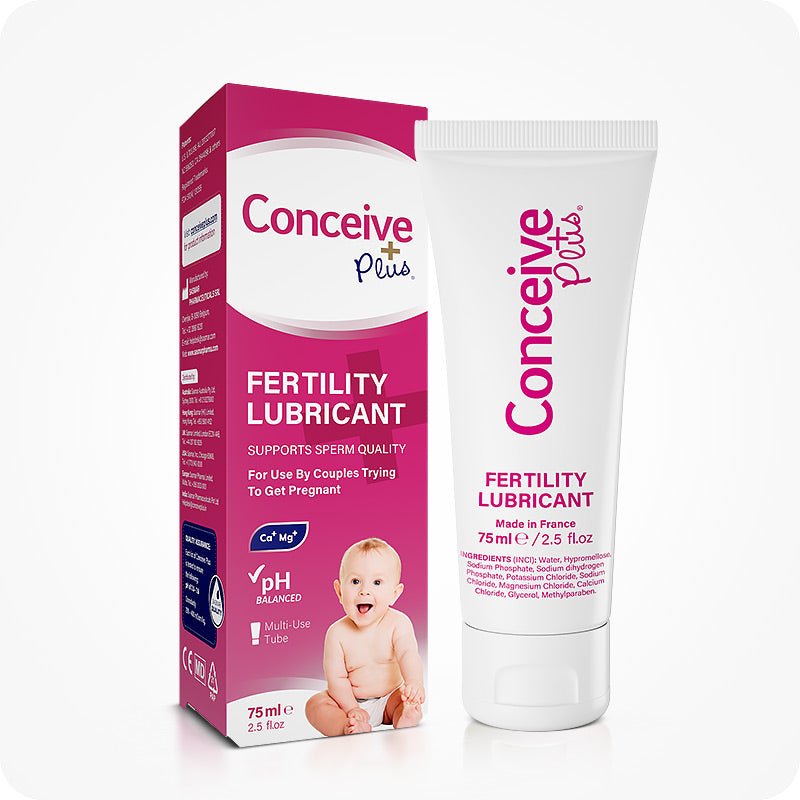
A study by Sandhu et al. found that common lubricants reduced sperm motility by 60–100% compared to no lubricant. Conceive Plus fertility lubricant is formulated to match the pH and osmolality of fertile cervical mucus, ensuring that sperm face no additional environmental barriers on their journey to the egg.
For Australian couples trying to conceive, using Conceive Plus alongside targeted male supplements provides the most comprehensive approach to optimising every factor within your control.
How Long Until Supplements Work?
This is the question most men want answered immediately. The honest answer: allow at least 3 months (one full spermatogenesis cycle) before expecting to see changes in a semen analysis. Many trials run for 6 months before final assessment.
Timeline for realistic expectations:
- Week 1–4: Antioxidant levels in sperm begin improving; no visible change on analysis yet
- Month 2–3: Early improvements in motility may begin to appear
- Month 3–6: Improvements in count, motility, morphology, and DNA fragmentation typically become measurable
- Month 6+: Maximum benefit; ongoing supplementation maintains improvements
When to Get a Semen Analysis in Australia
Many men are reluctant to get tested, but a semen analysis is a simple, non-invasive test available through most GP referrals in Australia. Medicare typically covers the cost, and results come back within a few days.
Consider getting tested if:
- You've been trying to conceive for more than 12 months (6 months if your partner is over 35)
- You have known risk factors (previous infection, injury, varicocele, undescended testicle)
- You want a baseline before starting supplements to measure your progress
Frequently Asked Questions
Q: Can supplements cure low sperm count?
A: They can significantly improve parameters in many cases, but severe azoospermia (no sperm) typically requires medical intervention. Supplements work best for mild-moderate issues and as general optimisation.
Q: Is CoQ10 safe to take long-term?
A: Yes — CoQ10 has an excellent safety profile at doses up to 1,200mg daily in clinical trials. Most men take 200–400mg as a maintenance dose.
Q: Should I stop supplements during IVF/ICSI?
A: Always consult your fertility specialist. Some clinics recommend continuing antioxidants through ICSI cycles; others prefer a washout period. Your case is individual.
Q: Does masturbation frequency affect sperm quality for IUI/IVF?
A: Most clinics recommend 2–5 days of abstinence before providing a sample for IUI or IVF. More or less than this can affect volume, count, and motility.
Q: Can I get enough selenium from Brazil nuts?
A: In theory, yes — 2–3 Brazil nuts can provide 150–200mcg selenium. However, selenium content varies widely by soil origin, making a consistent supplement more reliable.
Q: Does Conceive Plus help when male fertility is the issue?
A: It prevents additional sperm damage from incompatible lubricants and maintains optimal environmental conditions. It doesn't fix underlying sperm issues, but it removes a preventable obstacle.
Q: Are testosterone boosters helpful for male fertility?
A: Not usually. Exogenous testosterone (including "T-boosters" that actually raise testosterone significantly) can suppress sperm production by signalling the testes to reduce natural production.
Q: How do I know which supplement to start with?
A: A comprehensive male fertility supplement like Conceive Plus Men's Support provides multiple clinically-studied nutrients in one formula — simpler and often more cost-effective than buying individual supplements.
Q: Where can I buy Conceive Plus in Australia?
A: Available from Chemist Warehouse, Priceline, Amazon AU, and directly from conceiveplus.com.au.
Q: Is a DNA fragmentation test worth it?
A: If you've had unexplained infertility or recurrent miscarriages, a DFI (DNA Fragmentation Index) test can provide valuable information not captured by standard semen analysis. Ask your GP or fertility specialist about referral.
Thousands of couples trust Conceive Plus. Join them today.
Explore Products →