IVF Preparation: How to Prepare Your Body for IVF Success


IVF Preparation: The Complete Guide to Getting Your Body Ready for Treatment Success
Making the decision to pursue IVF is significant — emotionally, physically, and financially. IVF preparation in the months before your cycle begins is one of the most impactful things you can do to improve your chances. This guide covers nutrition, supplements, lifestyle changes, and what Conceive Plus recommends based on the latest reproductive science for Australian couples embarking on assisted reproduction.
Why IVF Preparation Matters More Than Most Couples Realise
IVF success rates in Australia average approximately 22–35% per transfer (depending on age and clinic) — figures that can feel discouraging. What these averages don't capture is the significant variance driven by controllable factors. Egg quality, sperm DNA integrity, uterine receptivity, and hormonal balance are all meaningfully influenced by the 3–6 months before your retrieval cycle. This is sometimes called the "preconception window," and it aligns with the 74-day spermatogenesis cycle and the 90-day follicular development phase that determines the eggs you'll retrieve.
Put simply: the eggs retrieved in your IVF cycle were recruited 3 months before. The sperm collected were produced 2–3 months before. What you do now shapes what the clinic has to work with.
Nutrition for IVF Preparation: The Evidence Base
The Mediterranean diet has the strongest evidence base for IVF outcomes. A 2019 study published in Human Reproduction found that women who followed a Mediterranean diet in the 6 months before IVF had a 65–68% higher likelihood of clinical pregnancy and live birth compared to those with low adherence. The diet emphasises:
- Abundant vegetables, particularly leafy greens rich in folate
- Whole grains and legumes over refined carbohydrates
- Olive oil as the primary fat source
- Fatty fish (salmon, sardines, mackerel) at least twice weekly for omega-3s
- Moderate amounts of nuts and seeds
- Lean protein from fish, legumes, and some poultry
- Limited red and processed meat
- Moderate dairy
Specific nutrients that IVF evidence highlights:
- Omega-3 fatty acids (EPA/DHA): Associated with better embryo quality and reduced inflammation. Australian women are frequently omega-3 deficient; supplementation with 1–2g EPA+DHA daily is widely recommended.
- CoQ10 (ubiquinol): The mitochondria in eggs are responsible for the energy needed for fertilisation and early embryo development. CoQ10 has shown consistent evidence for improving egg quality in women over 35. Typical protocol: 400–600 mg/day for 3+ months before retrieval.
- DHEA: In women with diminished ovarian reserve (DOR) or low AMH, DHEA (25–75 mg/day for 3+ months) has shown improved egg numbers and quality in multiple studies. Should only be taken under medical supervision as it affects hormone levels.
- Methylfolate: Standard prenatal folate is 400–800 mcg, but women with MTHFR mutations may need 5-MTHF directly. Check your MTHFR status if you've had unexplained pregnancy losses or IVF failures.
- Vitamin D: Deficiency is extremely common in Australia despite our sun exposure (ironically, sun avoidance recommendations contribute). Vitamin D has receptors in the ovarian follicle and uterine endometrium. Studies link optimal vitamin D levels (>50 nmol/L) to significantly better IVF outcomes. Check your levels via blood test and supplement accordingly.
IVF Preparation Supplements: The Core Protocol
Based on current reproductive medicine literature, a comprehensive IVF preparation supplement protocol for women typically includes:
- Comprehensive prenatal multivitamin with methylfolate (not just folic acid)
- CoQ10 as ubiquinol: 400–600 mg/day
- Omega-3: 1–2g EPA+DHA/day
- Vitamin D3: 2,000–4,000 IU/day (adjust based on blood test)
- Inositol (particularly myo-inositol): especially valuable for PCOS-related fertility issues
- Antioxidants: vitamin C, vitamin E, selenium, alpha-lipoic acid
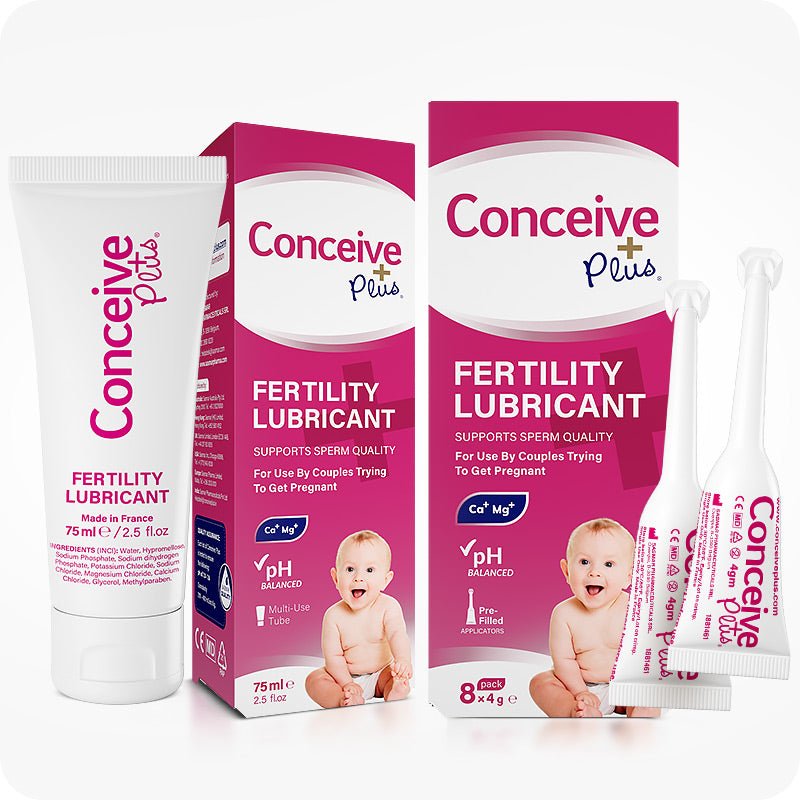
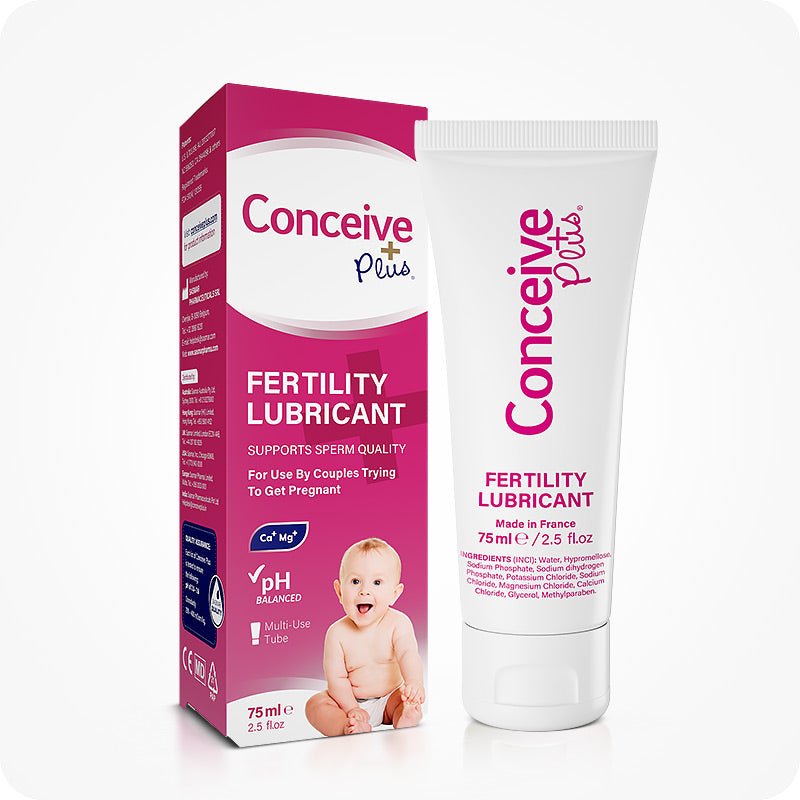
Conceive Plus offers a range of fertility supplements formulated for exactly this purpose — covering both the nutritional needs of women preparing for IVF and the sperm health needs of male partners. Starting 3–6 months before your planned retrieval cycle allows a full follicular development cycle to benefit from optimised nutrition.
Conceive Plus fertility supplements are designed for Australians going through assisted reproduction. Comprehensive formulas for both women and men, delivered across Australia.
Shop Conceive Plus Australia →
Male Partner Preparation for IVF
IVF success is not solely determined by egg quality. Sperm DNA fragmentation — damage to the genetic material carried by sperm — is increasingly recognised as a major cause of IVF failure and early pregnancy loss. Standard semen analysis doesn't test for DNA fragmentation; a separate sperm DNA fragmentation test (DFI) is needed. If DFI is above 25%, the following interventions have evidence:
- Antioxidant supplementation (zinc, selenium, CoQ10, vitamin C+E, lycopene) for 3 months
- Smoking cessation (one of the largest single sources of sperm oxidative damage)
- Avoiding heat exposure to the testes (no laptops, hot tubs, or very hot showers)
- In some cases, varicocele treatment (if identified by urologist)
Conceive Plus Men's Fertility Support addresses all the key antioxidant and nutritional needs for sperm health in IVF preparation — ideally started 3+ months before your egg retrieval date.
Lifestyle Preparation for IVF: What to Change and When
Alcohol: The evidence on alcohol and IVF outcomes is clear — even moderate consumption is associated with reduced egg retrieval numbers, lower fertilisation rates, and worse embryo quality. Ideally abstain completely during the IVF stimulation cycle; minimising or eliminating alcohol in the 3 months before is also supported by data.
Caffeine: Moderate caffeine (under 200mg/day — approximately one standard coffee) is generally considered safe. Higher intake is associated with increased miscarriage risk and should be avoided.
Exercise: Moderate exercise is beneficial and anti-inflammatory. High-intensity exercise during the stimulation phase is generally discouraged by Australian fertility clinics — ovarian stimulation causes the ovaries to enlarge significantly, and vigorous activity can increase the risk of ovarian torsion.
Body weight: BMI significantly affects IVF outcomes. Both underweight (BMI <18.5) and overweight (BMI >30) are associated with poorer responses. If your BMI falls outside the 19–29 range, addressing this in the months before IVF is worthwhile — though rapid weight loss in the weeks immediately before is not recommended as it can trigger metabolic stress.
Sleep: Melatonin — produced during sleep — has antioxidant effects specifically in follicle fluid. Poor sleep is associated with elevated cortisol, which can impair ovarian response. Aim for 7–9 hours. Some fertility specialists recommend supplemental melatonin (1–3 mg) specifically for IVF preparation, though this should be discussed with your doctor.
Stress: While "just relax" is well-known as unhelpful advice, chronic high-stress states (with persistently elevated cortisol) do appear to affect reproductive hormone balance. Evidence-based stress reduction modalities — mindfulness-based cognitive therapy (MBCT), acupuncture, yoga — all show benefit in fertility-related anxiety and some show modest improvements in outcomes.
Preparing Your Uterus for Implantation
Even after a successful retrieval and fertilisation, implantation failure accounts for a significant proportion of IVF cycle failures. Uterine lining quality (endometrial receptivity) is influenced by:
- Adequate progesterone support: Provided pharmacologically during IVF cycles, but supporting the corpus luteum with magnesium, B6, and zinc in natural cycles may help in fresh transfer protocols.
- Iron status: Anaemia is associated with poor uterine lining development. Check ferritin (not just haemoglobin) — ferritin below 50 ng/mL is worth addressing.
- Vitamin E: Some evidence for improved endometrial thickness, particularly in women with thin linings. 600–800 IU/day has been studied.
- Avoiding NSAIDs (ibuprofen etc.): These medications inhibit prostaglandin synthesis and may interfere with implantation if taken around the time of embryo transfer.
Questions to Ask Your IVF Clinic Before Starting
Being an informed patient improves outcomes in IVF. Key questions for your pre-cycle consultation:
- What is my AMH level and antral follicle count (AFC)?
- Do you recommend DHEA for my situation?
- Should I have a vitamin D test before starting?
- Should my partner have a DNA fragmentation test?
- What supplements do you recommend and which ones should I stop before retrieval?
- Will you do an ERA (endometrial receptivity assay) if I've had previous implantation failures?
- What protocol will you use (antagonist vs long protocol, natural vs medicated FET)?
Conceive Plus is trusted by Australian fertility specialists. Start your preparation protocol 3–6 months before your planned retrieval for maximum benefit.
Get Conceive Plus AU →
Frequently Asked Questions About IVF Preparation
How far in advance should I start IVF preparation?
Ideally 3–6 months before your planned egg retrieval. This encompasses the full follicular development cycle (90 days) and the spermatogenesis cycle (74 days), meaning both eggs and sperm benefit from nutritional optimisation.
Which supplements should I stop before egg retrieval?
Your fertility clinic will advise specifically, but commonly: high-dose vitamin E is typically stopped 1 week before retrieval (blood thinning effect), fish oil is sometimes stopped 1 week before, and DHEA is usually stopped once stimulation begins. Always confirm with your doctor.
Is acupuncture beneficial for IVF?
Evidence is mixed but generally positive. A 2021 systematic review found acupuncture during IVF cycles was associated with improved clinical pregnancy rates, particularly when started in the month before stimulation. It also has clear evidence for reducing IVF-related anxiety.
Can I exercise during IVF stimulation?
Light exercise (walking, gentle yoga) is generally safe. High-intensity exercise, running, and anything involving significant core impact is typically discouraged during stimulation and following retrieval due to the enlarged ovaries.
What does CoQ10 do for IVF?
CoQ10 supports mitochondrial energy production in egg cells. As women age, mitochondrial efficiency in eggs declines — contributing to reduced egg quality. CoQ10 supplementation appears to partially compensate for this decline, with evidence showing improved embryo quality and IVF success rates, particularly in women over 35.
Does my partner need to prepare for IVF?
Yes — sperm quality matters significantly even in IVF. Sperm DNA fragmentation in particular affects fertilisation rates, embryo development, and miscarriage risk. A 3-month nutritional optimisation programme for the male partner is worthwhile starting at the same time as the female.
Should I check my AMH before starting IVF preparation?
AMH (anti-Müllerian hormone) is typically tested by your fertility clinic as part of initial assessment. Low AMH indicates diminished ovarian reserve and influences stimulation protocol design. DHEA supplementation (if recommended) requires AMH testing as a baseline.
How does stress affect IVF outcomes?
Chronic high stress elevates cortisol, which can impair gonadotropin signalling and ovarian response. While occasional stress is unlikely to derail a cycle, sustained anxiety over months is worth actively managing. Evidence-based approaches: MBCT, acupuncture, yoga, and peer support groups.
What is the best diet for IVF preparation?
The Mediterranean diet has the strongest evidence base specifically for IVF outcomes. Key elements: abundant leafy vegetables, olive oil, fatty fish, whole grains, legumes, nuts. Limit alcohol, processed foods, refined sugar, and trans fats.
Is a "natural" IVF cycle better for preparation?
Natural IVF (no stimulation drugs) retrieves fewer eggs but some proponents argue egg quality is higher. The evidence is mixed, and most Australian clinics recommend conventional stimulated cycles for most patients. Your clinic will recommend based on your AMH, AFC, and clinical history.