Male Fertility: How to Improve Sperm Health Naturally


Male Fertility: How to Improve Sperm Health Naturally
When a couple struggles to conceive, the focus often lands on the woman—but male factor infertility contributes to up to 50% of all cases. The good news is that sperm health is highly responsive to lifestyle changes, and most men can make meaningful improvements within 3–6 months. This guide covers everything you need to know about male fertility, what affects it, and the most evidence-backed strategies to improve sperm health naturally.
Understanding Male Fertility: The Key Parameters
When a semen analysis is performed, it evaluates several parameters that collectively determine male fertility potential:
- Sperm count: The total number of sperm per millilitre. Normal is ≥16 million/mL (WHO 2021 reference range).
- Motility: The percentage of sperm that are moving. Progressive motility (forward-moving sperm) should be ≥30%.
- Morphology: The percentage of sperm with normal shape (Kruger strict criteria). Normal is ≥4% normal forms.
- Volume: Normal ejaculate volume is 1.4–7.6 mL.
- DNA fragmentation: Increasingly recognised as a critical measure not captured in standard semen analysis. High DNA fragmentation is linked to failed fertilisation, miscarriage, and poor IVF outcomes.
A semen analysis gives only a snapshot—sperm production takes 72–90 days (spermatogenesis), so lifestyle changes made today will be reflected in semen quality in approximately three months.
Nutrition and Diet for Sperm Health
Diet has a profound effect on sperm production, motility, and DNA integrity. The most extensively studied dietary pattern for male fertility is the Mediterranean diet—rich in vegetables, fruits, whole grains, fish, legumes, and olive oil, with limited processed meats and refined carbohydrates.
Key nutrients with robust evidence for sperm health include:
- Zinc: Critical for testosterone production and sperm formation. Found in oysters, beef, pumpkin seeds, and legumes. Deficiency is associated with oligospermia (low sperm count).
- Selenium: An antioxidant mineral that protects sperm DNA and supports sperm motility. Brazil nuts are particularly rich in selenium.
- Folate: Required for DNA synthesis. Deficiency increases DNA fragmentation. Found in leafy greens, legumes, and fortified foods.
- Vitamin C and E: Antioxidants that neutralise reactive oxygen species (ROS) that damage sperm membranes and DNA.
- Omega-3 fatty acids: EPA and DHA support sperm membrane fluidity and are found in fatty fish, walnuts, and flaxseed.
- Coenzyme Q10 (CoQ10): Supports mitochondrial energy production in sperm and has been shown in randomised trials to improve motility.
- L-carnitine: Essential for sperm energy metabolism. Supplementation consistently improves motility in men with asthenozoospermia (low motility).
Avoid highly processed foods, trans fats, and excessive sugar—all associated with poorer semen parameters in large observational studies.
Exercise and Sperm Health
Regular moderate exercise improves testosterone levels, reduces oxidative stress, and supports healthy sperm parameters. Men who exercise 2–4 times per week show consistently better semen analyses than sedentary men.
However, extremes work against you:
- Excessive endurance exercise: Ultra-marathon training, excessive cycling (particularly without appropriate seat positioning), and overtraining syndrome can lower testosterone and impair sperm production.
- Anabolic steroids: These exogenous androgens suppress the natural HPG axis completely, causing testicular atrophy and azoospermia (no sperm) in many users. Recovery can take 1–2 years and is not guaranteed.
- Hot environments: Testes must be 2–4°C cooler than core body temperature for optimal spermatogenesis. Hot yoga, saunas, and excessive heat exposure impair sperm production temporarily.
Aim for 150–300 minutes of moderate aerobic exercise per week plus 2 sessions of resistance training, avoiding scrotal heat exposure before and during TTC.
Supplements for Male Fertility
Several supplements have randomised controlled trial evidence supporting their use in male infertility:
- CoQ10: Multiple RCTs show improvements in sperm count, motility, and morphology at doses of 200–400mg/day.
- L-carnitine + L-acetyl-carnitine: Combination shown to improve motility significantly in meta-analyses.
- Zinc + folate: Combination shown in a landmark Dutch RCT to increase total normal sperm count by 74%.
- Antioxidant combinations: Products combining vitamin C, E, selenium, zinc, and CoQ10 show consistent improvements across semen parameters.
- Ashwagandha: Adaptogenic herb with emerging RCT evidence for improving sperm count and motility, likely through stress reduction and testosterone support.
Conceive Plus offers a dedicated male fertility supplement containing the key evidence-based nutrients at clinical doses. Visit conceiveplus.com.au/collections/fertility-supplements for the full range.
Lifestyle Factors That Harm Sperm Health
Beyond what you add, what you remove matters just as much:
- Smoking: Tobacco smoke reduces sperm count, motility, and morphology by 10–15% on average, increases DNA fragmentation significantly, and is associated with higher miscarriage rates.
- Alcohol: Chronic heavy drinking reduces testosterone and impairs spermatogenesis. Even moderate consumption (>14 units/week) is associated with lower sperm concentration and morphology.
- Cannabis: Regular cannabis use is associated with 28% lower sperm concentration and increased DNA fragmentation in population studies.
- Stress: Chronic psychological stress elevates cortisol, which suppresses testosterone and impairs sperm production. Active stress management is genuinely therapeutic for male fertility.
- Plastics and endocrine disruptors: BPA, phthalates, and pesticides (found in plastics, receipts, and non-organic produce) interfere with testosterone signalling. Minimise exposure where possible.
- Laptop heat: Using a laptop on your lap raises scrotal temperature. Use a desk or laptop stand.
- Tight underwear: Debate continues, but some studies suggest loose-fitting underwear is associated with modestly higher sperm counts than tight styles.
When to See a Doctor About Male Fertility
If you've been trying to conceive for 12 months without success (or 6 months if your partner is over 35), both partners should be evaluated. For the male partner, this starts with a semen analysis—a simple, non-invasive test.
Seek earlier evaluation if you have:
- History of undescended testicles, testicular trauma, or testicular surgery
- Previous chemotherapy or radiation
- Known genetic conditions (Klinefelter syndrome, Y chromosome microdeletion)
- Erectile or ejaculatory dysfunction
- A previous semen analysis showing significant abnormalities
Many cases of male infertility are treatable—varicocele repair, hormonal correction, and targeted supplementation all have evidence-based track records.
FAQ: Improving Sperm Health Naturally
Q: How long does it take to improve sperm health?
A: Spermatogenesis (the full cycle of sperm production) takes approximately 72–90 days. Most lifestyle and supplement changes take 3 months to show measurable improvement on semen analysis.
Q: Can a man with low sperm count father a child naturally?
A: Yes, depending on the degree of reduction. Mild to moderate oligospermia often still allows natural conception, especially with timed intercourse and optimised lifestyle. Severe cases may require IUI or IVF with ICSI.
Q: Does ejaculation frequency affect sperm quality?
A: Excessively long abstinence (>7 days) actually reduces motility and increases DNA fragmentation. Optimal abstinence for semen analysis is 2–5 days. For TTC, having intercourse every 1–2 days during the fertile window is recommended rather than saving sperm.
Q: What foods kill sperm?
A: Processed meats, trans fats, excessive soy (in very large quantities), and alcohol all have associations with reduced semen quality. Pesticide-laden produce and foods in BPA-containing packaging may also affect sperm.
Q: Does caffeine affect sperm?
A: Moderate caffeine (1–2 cups of coffee per day) has not been consistently shown to impair sperm quality. Excessive caffeine (>4–5 cups daily) may have marginal effects. This is a lower-priority concern than smoking, alcohol, and obesity.
Q: Is DNA fragmentation treatable?
A: Yes. Antioxidant supplementation, lifestyle changes, and in some cases varicocele repair can significantly reduce DNA fragmentation. Testing for DFI (DNA fragmentation index) is increasingly recommended when standard semen analysis is normal but conception hasn't occurred.
Q: What lubricant should I use when TTC?
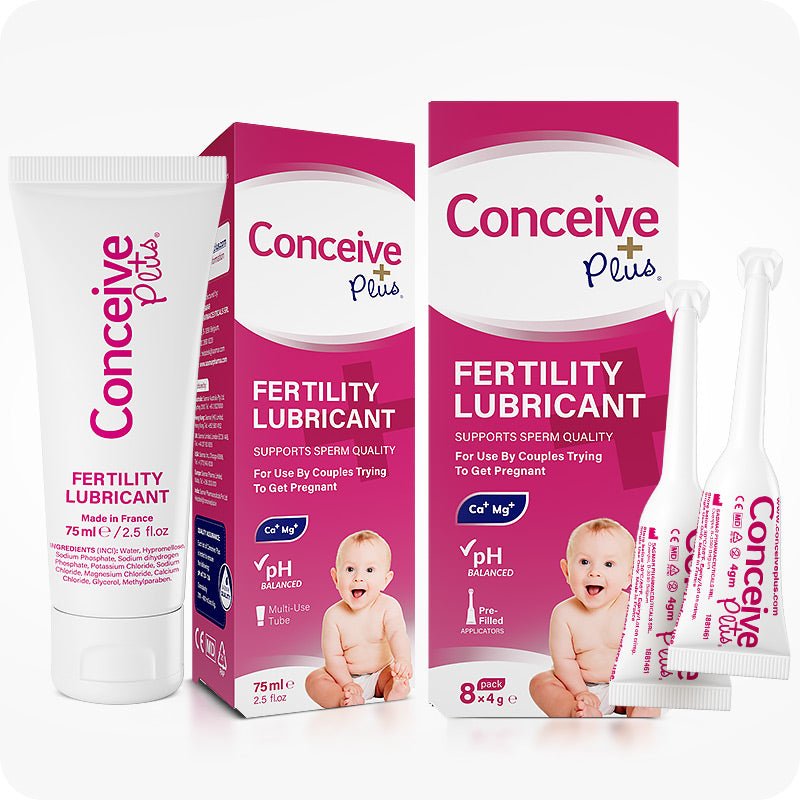
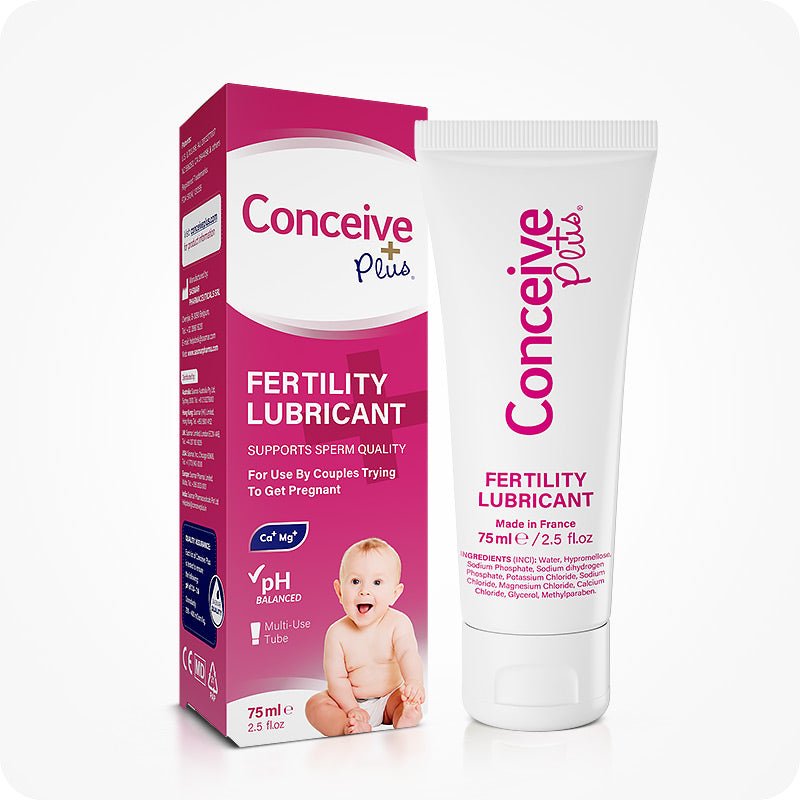
A: Use a clinically tested, sperm-safe lubricant like Conceive Plus. Many common lubricants significantly impair sperm motility. Conceive Plus is formulated to match fertile cervical mucus conditions and contains calcium and magnesium ions that support sperm function.
Q: Can testosterone supplements help male fertility?
A: No—exogenous testosterone actually suppresses the body's own sperm production and can cause azoospermia. If low testosterone is a concern, treatment with clomiphene or FSH injections (which stimulate natural testosterone production) is preferred for men trying to conceive.
Q: How much does male fertility decline with age?
A: Unlike female fertility, male fertility declines gradually rather than sharply. Sperm count, motility, and morphology all decrease modestly with age, while DNA fragmentation tends to increase. The effect becomes more significant after age 45–50, with associated increases in miscarriage risk and time to conception.