Ovulation Tracking: The Complete Australian Guide to Knowing When You're Most Fertile


Ovulation Tracking: The Complete Australian Guide to Knowing When You're Most Fertile
Understanding when you ovulate is one of the most powerful things you can do when trying to conceive. Yet despite its importance, ovulation tracking remains widely misunderstood — with many couples relying on the outdated "day 14" assumption that simply doesn't apply to most women.
The reality is that ovulation timing varies enormously between individuals and even between cycles. Tracking it accurately — using the right methods — can dramatically reduce time to conception by ensuring you're timing intercourse correctly. This guide covers every ovulation tracking method available to Australian women, from free body-awareness techniques to advanced fertility technology.
Understanding Ovulation: The Basics
Ovulation is the release of a mature egg from the ovary, triggered by a surge in luteinising hormone (LH). The egg survives for just 12–24 hours after release — a critically short window. However, sperm can survive in the female reproductive tract for up to 5 days, which extends the fertile window to approximately 5–6 days ending at ovulation.
This means the optimal window for conception is the 2–3 days before ovulation and the day of ovulation itself. Missing this window by even 24 hours significantly reduces your chance of conception in that cycle.
For a woman with a 28-day cycle, ovulation typically occurs around day 14 — but this is an average, not a rule. A woman with a 32-day cycle may not ovulate until day 18 or later. A woman with a 24-day cycle may ovulate around day 10. Assuming day 14 without tracking is a mistake many couples make for months before discovering their actual fertile window falls on entirely different days.
Method 1: Ovulation Predictor Kits (OPKs)
Visit conceiveplus.com.au and explore the full Conceive Plus range — trusted by couples worldwide.
Ovulation predictor kits detect the surge in LH that precedes ovulation by 24–48 hours. They are the most widely used home tracking method and are available at Australian pharmacies and supermarkets without prescription.
How they work:
- Urine-based test strips or digital devices measure LH concentration
- A positive result (LH surge detected) indicates ovulation is likely within 24–48 hours
- Testing should begin a few days before expected ovulation and continue until a surge is confirmed
Accuracy: OPKs are highly accurate for detecting LH surges — over 97% when used correctly. The limitation is that an LH surge does not always guarantee ovulation follows (particularly in women with PCOS, who often have elevated baseline LH).
Tips for accuracy:
- Test at the same time each day (mid-morning to afternoon is often recommended)
- Reduce fluid intake 1–2 hours before testing to avoid diluting urine
- Don't use first morning urine (may not reflect the surge onset accurately for all brands)
- Consider digital OPKs which give unambiguous "Peak/High" readings rather than line comparisons
Advanced OPKs: Devices like Clearblue Advanced Digital track both LH and estrogen, giving additional "High" fertility days before the peak — providing an extended 4-day fertile window indicator rather than just the LH surge. Inito is an Australian-available device that measures LH, estrogen, progesterone, and FSH from a single strip — providing the most comprehensive hormonal picture available at home.
Method 2: Basal Body Temperature (BBT) Charting
Basal body temperature is your lowest resting body temperature, measured immediately upon waking — before any activity. Under the influence of progesterone produced after ovulation, BBT rises by 0.2–0.4°C and remains elevated for the rest of the cycle (until menstruation arrives, or remains elevated in pregnancy).
How to track BBT:
- Take your temperature at the same time each morning, before getting out of bed
- Use a basal thermometer (reads to 2 decimal places — 36.42°C, not just 36.4°C)
- Record results on a paper chart or app (Fertility Friend, Premom, and Natural Cycles are popular options)
- After 2–3 cycles, your chart will reveal your typical ovulation timing pattern
Important limitation: BBT charting is retrospective — it confirms ovulation has already occurred, not that it is about to. This makes BBT alone insufficient for timed intercourse. However, combined with OPKs, it provides powerful confirmation and helps identify patterns over time.
Factors that affect BBT accuracy: Alcohol, illness, disrupted sleep, travel across time zones, and shift work all affect basal temperature readings. Note these in your chart to avoid misinterpreting data.
Method 3: Cervical Mucus Observation
Cervical mucus changes predictably throughout the menstrual cycle under the influence of oestrogen and progesterone. Learning to observe and interpret these changes is a highly effective (and free) fertility awareness method.
Mucus progression through the cycle:
- Post-menstruation (Days 1–7): Typically dry or minimal discharge
- Pre-ovulation (Days 8–12): Sticky, white, or cloudy — forms a plug that sperm cannot penetrate
- Approaching ovulation (Days 12–14+): Creamy, white or yellow, lotion-like — increasingly sperm-friendly
- Peak fertility: Clear, stretchy, and slippery — resembling raw egg whites. Called "egg white cervical mucus" (EWCM). Sperm can survive in this environment for up to 5 days
- Post-ovulation: Returns to dry, sticky, or absent as progesterone rises
The days with egg white cervical mucus are your most fertile days. Timing intercourse on these days — particularly the day of and day before your OPK peak — maximises your conception probability.
Note: Some medications (antihistamines, clomiphene), hormonal conditions, and dehydration can reduce or alter cervical mucus. Women with PCOS may have unusual mucus patterns due to oestrogen fluctuations.
Method 4: Cycle Tracking Apps
Fertility apps use algorithm-based predictions of ovulation based on cycle length data you enter. They range from simple calendar apps to AI-powered hormone tracking systems.
Pure cycle tracking apps (calendar-based):
Apps like Clue, Flo, and Period Tracker use your historical cycle data to predict ovulation. These can be reasonably accurate for women with very regular cycles — but provide only estimates, not measurements of your actual hormones.
Integrated apps with device support:
Apps like Natural Cycles (FDA-cleared, TGA-registered in Australia) combine BBT data with algorithm analysis. Premom integrates with OPK camera analysis. Inito's app connects to its multi-hormone reader for a complete hormonal picture per cycle.
The limitation of apps alone: No algorithm can account for the cycle-to-cycle variation that most women experience. Apps based solely on historical data have been shown in studies to misidentify peak fertile days in a significant proportion of cycles. Physical monitoring (OPKs, BBT, mucus) adds accuracy that no algorithm can replace.
Method 5: Fertility Monitors
Advanced home fertility monitors provide the most comprehensive picture of your hormonal cycle. Key options available in Australia:
Clearblue Fertility Monitor: Tracks LH and estrogen over each cycle to identify all fertile days, not just the LH peak. Builds a personalised hormone profile over 2–3 cycles. Widely available at Australian pharmacies.
Inito Fertility Monitor: Measures 4 hormones from a single urine strip: FSH, LH, Estrogen (E3G), and PdG (a progesterone metabolite). Confirms ovulation has occurred via the PdG rise — the only home device currently available that does this. Available online for Australian delivery.
OvuSense: A vaginal sensor worn overnight that measures real-time core body temperature (more accurate than wrist or oral BBT) and identifies the fertile window and confirms ovulation via progesterone-related temperature patterns. Useful for women with PCOS or irregular cycles.
Ovulation and Fertility Support: The Role of Supplements
Tracking tells you when you're fertile. Supplements support the quality and regularity of that fertility. For women trying to conceive, key ovulatory support nutrients include:
- Inositol (Myo + D-Chiro blend): Improves ovulatory function, particularly in PCOS and irregular cycles. Clinical studies show significant improvements in menstrual regularity and LH/FSH ratios
- Vitamin D3: Deficiency (common in parts of Australia, particularly in winter and among indoor workers) is associated with irregular ovulation and reduced fertility
- B vitamins including methylfolate: Essential for hormonal regulation and supporting regular ovulation
- Zinc: Involved in egg maturation and ovulatory signalling
The Conceive Plus women's fertility supplement range addresses these nutritional needs with clinically-informed formulations designed to support regular ovulation and overall reproductive health.
Support your ovulatory cycle from the inside out.
Explore the Conceive Plus Fertility Supplement Range — trusted by women across Australia trying to conceive.
Ovulation Tracking for Irregular Cycles
Women with irregular cycles — common in PCOS, thyroid conditions, perimenopause, or after hormonal contraception — face additional challenges with ovulation tracking:
- OPKs become essential: Calendar prediction is unreliable; daily LH monitoring provides the only reliable window identification
- Start testing early: For cycles longer than 35 days, begin OPK testing from day 10 or even day 7 to avoid missing an early or erratic surge
- PCOS and OPKs: Women with PCOS may have chronically elevated LH, making OPKs harder to interpret. Advanced monitors that track estrogen (Clearblue Advanced, Inito) help identify true surges against a background of high baseline LH
- Seek medical support: Irregular cycles that don't resolve with lifestyle and nutritional optimisation warrant investigation by a GP or reproductive specialist. Conditions like PCOS, hypothyroidism, and hyperprolactinaemia can all disrupt ovulation and are highly treatable
Frequently Asked Questions About Ovulation Tracking
How do I know if I'm actually ovulating?
The most reliable home confirmation of ovulation is a rise in progesterone metabolites (PdG) 7–10 days after your OPK peak. The Inito monitor measures this. Alternatively, a day 21 progesterone blood test (timed to 7 days post-ovulation, not day 21 of the cycle) ordered by your GP confirms ovulation. An LH surge alone doesn't guarantee ovulation followed.
Can stress delay ovulation?
Yes. Acute or chronic psychological stress elevates cortisol, which can suppress the GnRH pulse needed to trigger the LH surge. This can delay or even suppress ovulation entirely. This is one reason why the month following a major life stress or illness sometimes produces a longer cycle than usual.
Is day 14 really when I ovulate?
Only if you have a textbook 28-day cycle — which fewer women than expected actually have. Studies show cycle length varies considerably among women, and even in the same woman between cycles. Track your own body; don't assume day 14 applies to you.
How many days is the fertile window?
Approximately 5–6 days: the 5 days before ovulation (when sperm can survive waiting for the egg) and the day of ovulation itself. The highest conception probability is in the 2 days immediately before and including ovulation day.
Can I get pregnant if I miss my OPK peak?
Possibly — if intercourse happened within the 5 days before ovulation and sperm survived until egg release. However, conception probability is lower the further before ovulation intercourse occurs. Ideally, aim for intercourse on the 2 days before and the day of your peak.
Does alcohol affect ovulation?
Chronic heavy alcohol consumption can disrupt the hormonal regulation of ovulation. Even moderate alcohol intake during the follicular phase has been associated with lower estrogen levels and potentially disrupted ovulatory signalling in some studies. Reducing alcohol during your trying-to-conceive journey is consistently recommended.
Can ovulation tracking help if I have PCOS?
Yes — but it requires more careful monitoring. Women with PCOS may have infrequent, irregular, or absent ovulation. OPKs help identify whether you are ovulating and when. Advanced monitors (Clearblue Advanced, Inito) are particularly useful for PCOS. Nutritional support with inositol has strong evidence for improving ovulatory regularity in PCOS.
What if I don't see any fertile-quality cervical mucus?
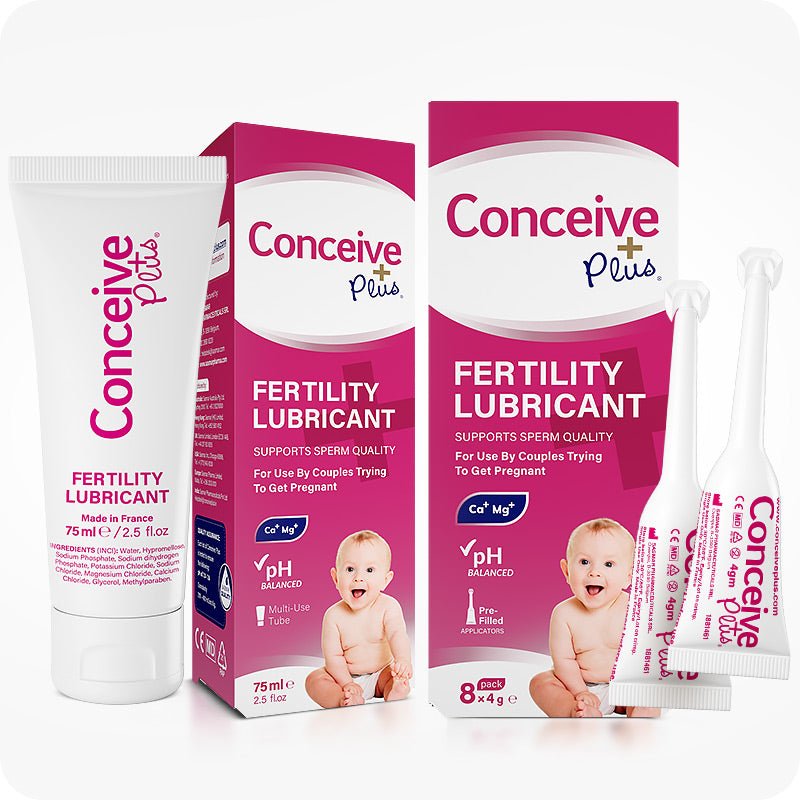
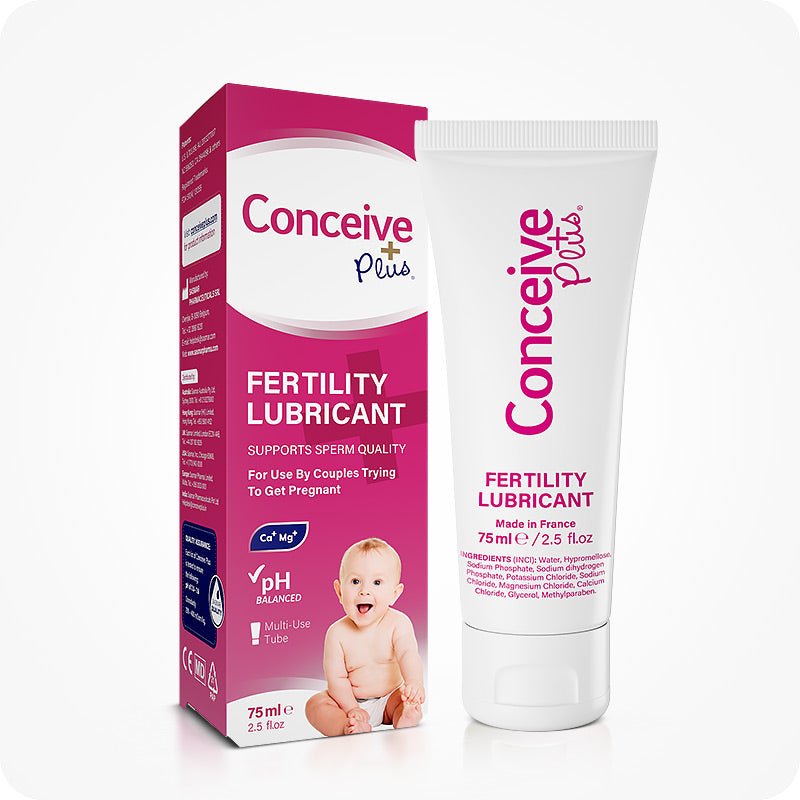
Reduced or absent egg-white cervical mucus may be due to dehydration, antihistamine use, hormonal imbalance, or cervical changes. Staying well hydrated supports mucus production. Conceive Plus lubricant is a sperm-friendly, pH-balanced lubricant designed to supplement cervical mucus when natural production is insufficient, allowing conception attempts to proceed in a sperm-supportive environment.
Conclusion: Accurate Tracking Is Your Fertility Superpower
Ovulation tracking is not complicated — but it is specific. The key is choosing methods that give you real data about your own body, rather than calendar assumptions. For most women, a combination of OPKs and cervical mucus observation is the practical gold standard, with BBT charting adding confirmation over time.
Pair accurate tracking with strong nutritional support — inositol, methylfolate, vitamin D, and zinc — and you're giving yourself the best possible foundation for conception. Conceive Plus is here to support that nutritional dimension of your journey, with evidence-based supplements formulated specifically for women trying to conceive.
Complete your ovulation tracking with expert nutritional support.
Browse the Conceive Plus Australia Fertility Supplements — designed for women at every stage of their conception journey.
Browse our complete fertility product range at conceiveplus.com.au — free shipping available on qualifying orders.