The Fertility Diet: What Australian Couples Should Eat to Boost Their Chances


When it comes to trying to conceive, what you eat matters more than most people realise. Decades of research in reproductive nutrition have identified specific dietary patterns, foods, and nutrients that measurably support fertility in both women and men. For Australian couples working towards pregnancy, optimising your fertility diet is one of the most empowering steps you can take — and one of the most modifiable factors in your reproductive health.
This comprehensive guide covers the evidence on diet and fertility, specific foods to prioritise and avoid, key nutrients that support conception, and how Conceive Plus supplements can complement dietary changes for Australian couples on their TTC journey.
The Science Behind Diet and Fertility
The relationship between diet and reproductive outcomes is now well-established in the scientific literature. A landmark 8-year prospective study — the Nurses' Health Study II — identified a dietary pattern researchers called the "Fertility Diet" associated with a 66% lower risk of ovulatory infertility. This pattern was characterised by higher intake of monounsaturated fats, plant proteins, whole grains, and full-fat dairy, and lower intake of trans fats and refined carbohydrates.
More recently, a 2018 review published in Nutrients analysed 27 studies on dietary patterns and fertility outcomes. It found that Mediterranean-style eating — rich in vegetables, fruits, whole grains, legumes, fish, and olive oil — was associated with significantly better fertility outcomes in women with PCOS, better embryo quality in IVF, and higher live birth rates.
For men, a 2019 meta-analysis in Andrology found that adherence to a healthy dietary pattern was associated with better sperm parameters — including improved count, motility, and morphology. Conversely, Western dietary patterns (high in processed foods, red meat, and refined sugars) were associated with poorer semen quality.
The mechanisms are multiple: diet influences hormonal balance, oxidative stress levels, inflammation, DNA integrity in gametes, and the microenvironment in which eggs develop (follicular fluid composition closely mirrors plasma nutrient levels).
The Top Fertility Foods for Women
Building a fertility-optimised plate starts with understanding which foods consistently appear in the positive-outcome research:
Leafy Greens and Folate-Rich Vegetables
Spinach, kale, silverbeet, broccoli, and asparagus are rich in natural folate — critical for preventing neural tube defects and supporting early embryo development. The active form of folate (L-methylfolate) is also essential for proper ovulation. Australian guidelines recommend 400–800 µg of folate daily for women planning pregnancy, and food sources alone often don't meet this target — which is why supplementation is recommended alongside a folate-rich diet.
Legumes and Plant Proteins
The Nurses' Health Study found that replacing animal protein with plant protein from legumes, nuts, and whole grains was associated with significantly lower ovulatory infertility risk. Lentils, chickpeas, black beans, and edamame are excellent sources. They also provide slow-release carbohydrates that stabilise blood sugar and insulin — important because insulin resistance is a key driver of PCOS-related ovulatory dysfunction.
Colourful Vegetables and Fruits
Richly coloured produce provides carotenoids (lycopene, beta-carotene, lutein) that act as antioxidants in follicular fluid, protecting developing eggs from oxidative damage. Tomatoes (particularly cooked), capsicum, berries, sweet potato, and citrus fruits are all valuable additions to a fertility diet.
Oily Fish
Salmon, sardines, mackerel, and trout provide EPA and DHA omega-3 fatty acids, which support healthy ovulation, reduce inflammation, improve cervical mucus quality, and support the development of the embryo's nervous system. Australian women of reproductive age are often below recommended omega-3 intakes — a gap that supplements can address.
Full-Fat Dairy
One of the more counterintuitive findings from the Nurses' Health Study: full-fat dairy (whole milk, full-fat yoghurt) was associated with lower ovulatory infertility risk, while low-fat dairy was associated with a slightly higher risk. The mechanism is believed to relate to androgens that concentrate in the skimmed fraction during processing.
Whole Grains
Brown rice, quinoa, oats, barley, and whole grain bread provide B vitamins, fibre, and slow-release energy that supports insulin sensitivity. Refined grains (white bread, white rice, pastries) raise blood glucose and insulin rapidly — an effect linked to reduced egg quality and impaired ovulation in insulin-sensitive women.
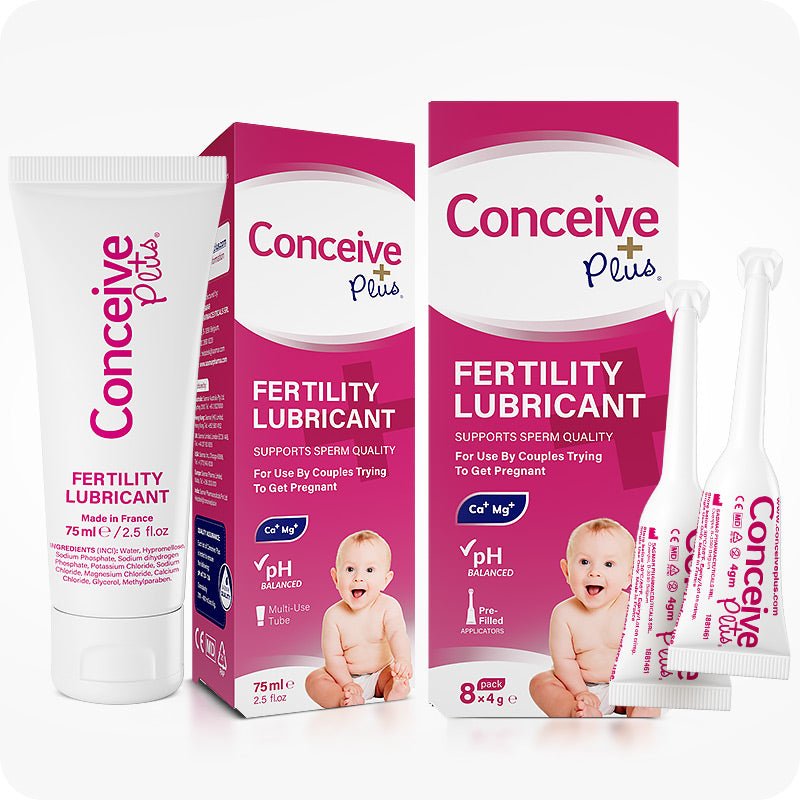
Nourish your fertility from the inside out. Conceive Plus offers clinically-formulated fertility supplements to complement your fertility diet, trusted by couples across Australia. Shop Conceive Plus Australia →
The Top Fertility Foods for Men
Male fertility nutrition is often overlooked, but sperm quality is directly influenced by diet:
Lycopene-Rich Foods
Cooked tomatoes (tomato paste, passata, tinned tomatoes) are the richest source of lycopene, a carotenoid antioxidant that concentrates in the testes and protects sperm from oxidative damage. Research shows men with the highest lycopene intake have significantly lower rates of abnormal sperm morphology.
Zinc-Rich Foods
Zinc is the most concentrated mineral in seminal plasma. Oysters are the highest food source — a single serving provides multiple times the daily requirement. Other sources include beef, lamb, pumpkin seeds (pepitas), and cashews. Zinc deficiency is associated with reduced testosterone and poorer sperm morphology and count.
Walnuts
A 2012 RCT published in Biology of Reproduction found that men who consumed 75g of walnuts daily for 12 weeks had significantly improved sperm vitality, morphology, and motility compared to controls. Walnuts provide a unique combination of ALA omega-3, vitamin E, selenium, and polyphenols.
Selenium-Rich Foods
Brazil nuts are the richest food source of selenium — one or two nuts per day provides adequate selenium for most men. Other sources include tuna, eggs, and sunflower seeds. Selenium is a critical cofactor for glutathione peroxidase, the primary antioxidant enzyme protecting sperm during their journey through the reproductive tract.
Dark Chocolate and Cacao
High-cacao chocolate (70%+) provides flavonoids with antioxidant properties, along with zinc and magnesium. Research shows flavonoids reduce oxidative stress markers in seminal plasma. A moderate amount of dark chocolate (30g/day) is a genuinely fertility-supportive indulgence.
Foods to Limit or Avoid on a Fertility Diet
Research is equally clear about dietary patterns that undermine fertility:
- Ultra-processed foods: High in trans fats, refined sugars, and additives that increase oxidative stress and inflammation — the primary enemies of both egg and sperm quality.
- Trans fats: Found in some margarines, fried fast food, and packaged baked goods. Trans fat intake is directly associated with increased ovulatory infertility risk — even a 2% increase in energy from trans fats increases risk by 73% (Nurses' Health Study).
- High-mercury fish: Shark, swordfish, king mackerel, and tilefish accumulate mercury, a reproductive toxin. Women TTC should avoid these and choose low-mercury options like salmon, sardines, and prawns.
- Excess alcohol: Both female and male fertility are impaired by excessive alcohol intake. For women TTC, Australian health guidelines recommend avoiding alcohol entirely during conception attempts.
- High-sugar beverages: Soft drinks, fruit juices, and sweetened coffees cause rapid insulin spikes that impair ovulation and egg quality. Water, herbal teas, and coffee in moderation are better choices.
- Excess red and processed meat: Associated with poorer sperm morphology and motility in men, and higher ovulatory infertility risk in women (particularly when replacing plant protein sources).
- High-fat dairy for men: Note that full-fat dairy is favourable for women's fertility but high intake of full-fat dairy (particularly cheese) appears to negatively correlate with sperm quality in men. Low-fat dairy is the better choice for men optimising sperm parameters.
Key Nutrients for Australian Couples TTC
Even an excellent fertility diet may leave nutrient gaps — particularly for nutrients that require specific food sources, are depleted by lifestyle factors, or are needed in therapeutic doses for those with fertility challenges:
Folate/L-Methylfolate
Australian health authorities recommend all women planning pregnancy take 400–800 µg of folate daily, starting at least one month before conception and continuing through the first trimester. Women with MTHFR gene variants benefit from L-methylfolate (the active, pre-converted form).
Vitamin D
Despite Australia's sunny reputation, up to 30% of Australians have insufficient vitamin D — particularly those with darker skin, those who avoid the sun, or those living in southern states during winter. Vitamin D receptors are found in ovarian cells and sperm, and deficiency is associated with poorer IVF outcomes and lower sperm quality.
Omega-3 Fatty Acids
EPA and DHA support healthy ovulation, reduce uterine inflammation, and are essential for foetal brain development from conception. If you don't regularly eat oily fish (2–3 servings/week), an algae-based omega-3 supplement (preferred over fish oil for environmental reasons) is a reliable alternative.
CoQ10 (Ubiquinol)
CoQ10 is not found in significant quantities in food and declines with age. For women over 35 and men with sperm quality concerns, supplemental CoQ10 (200–600 mg/day of ubiquinol) has the strongest evidence base of any fertility-related supplement — supporting mitochondrial function in developing eggs and protecting sperm from oxidative damage.
Iodine
Required for thyroid hormone production, iodine is critical for foetal neurological development from early pregnancy. Australian soils are iodine-depleted in many regions, and iodine deficiency in TTC women remains common. Most fertility supplements targeting Australian women include iodine.
Conceive Plus Women's Fertility Supplement is formulated to complement a fertility diet — filling common nutritional gaps with bioavailable nutrient forms (L-methylfolate, ubiquinol CoQ10, vitamin D3) in clinically-relevant doses. Explore Conceive Plus's full range for Australian couples here.
Practical Fertility Meal Planning for Australian Couples
A fertility-optimised day of eating might look like:
Breakfast: Full-fat Greek yoghurt with mixed berries, sprinkled with walnuts and a drizzle of honey. Or: scrambled eggs on wholegrain sourdough with smashed avocado and grilled tomato.
Morning snack: Handful of mixed nuts (including Brazil nuts for selenium) with an orange for vitamin C.
Lunch: Large salad with chickpeas, dark leafy greens, capsicum, cherry tomatoes, cucumber, and olive oil dressing. Add tinned salmon for omega-3s.
Afternoon snack: Carrot sticks with hummus and a square or two of dark chocolate.
Dinner: Grilled salmon with roasted sweet potato and steamed broccoli. Or: lentil and vegetable curry with brown rice.
Drink: Water throughout the day; herbal tea or one coffee in the morning. Limit alcohol.
This day provides abundant folate, antioxidants, omega-3s, zinc, selenium, and fibre — all fertility-supportive — while minimising the refined sugars and trans fats that work against conception.
FAQ: Fertility Diet for Australian Couples
How long does it take for dietary changes to affect fertility?
Egg quality takes approximately 90 days to mature (folliculogenesis), and sperm take 72–74 days to develop. Dietary improvements ideally begin 3–6 months before planned conception to allow full maturation cycles to occur under optimal nutritional conditions.
Should both partners change their diet?
Absolutely. Male factor contributes to fertility challenges in up to 50% of couples. Research consistently shows that men's dietary patterns significantly affect sperm quality, and improving the male partner's diet (more antioxidants, less ultra-processed food and alcohol) can be as important as the female partner's dietary changes.
Is a Mediterranean diet the best fertility diet?
It has the strongest and most consistent research backing for fertility outcomes in both women (ovulation, IVF outcomes) and men (sperm quality). It's not a rigid diet but a flexible pattern: abundant vegetables, fruits, legumes, whole grains, and olive oil; moderate fish and dairy; limited red meat and sweets.
Is coffee safe when trying to conceive?
Moderate coffee intake (1–2 cups/day, under 200 mg caffeine) is generally considered safe during conception attempts and pregnancy. Higher intake (300+ mg/day) is associated with slightly longer time-to-conception in some studies and increased miscarriage risk, so moderation is wise.
Should I take a prenatal vitamin when trying to conceive?
Yes — Australian health authorities recommend folate supplementation before conception, and a prenatal or fertility-specific supplement provides reassurance that key nutrients (folate, iodine, vitamin D, iron) are at adequate levels even when dietary intake varies. Starting 3 months before trying to conceive is ideal.
Are organic foods better for fertility?
Pesticide exposure is a legitimate fertility concern — some studies link high pesticide intake to longer time-to-conception and poorer IVF outcomes. However, prioritising a diet rich in vegetables and fruits — whether organic or not — outweighs any potential pesticide risk. If budget allows, prioritise organic for high-residue items (the "Dirty Dozen") like strawberries, spinach, and apples.
Does weight affect fertility?
Significantly. Both underweight (BMI <18.5) and overweight/obesity (BMI >25) impair ovulation and hormone balance in women, and obesity reduces testosterone and sperm quality in men. Even modest weight normalisation (5–10% of body weight in overweight individuals) can restore ovulation and improve conception rates.
Is gluten-free beneficial for fertility?
Only if you have confirmed coeliac disease or non-coeliac gluten sensitivity. For everyone else, gluten-free diets can actually reduce nutrient diversity and fibre intake if they replace whole grains with processed gluten-free alternatives. Focus on whole grains rather than eliminating gluten unnecessarily.
Can Conceive Plus supplements replace a healthy diet?
No — supplements complement diet, they don't replace it. The synergistic benefits of whole foods (fibre, phytonutrients, food-form vitamins in their natural matrices) can't be replicated in a pill. Conceive Plus supplements fill specific nutritional gaps and provide therapeutic doses of key nutrients where food sources alone may be insufficient.
Is soy bad for fertility?
Despite concerns about phytoestrogens, current evidence doesn't support avoiding soy for most women trying to conceive. Moderate soy consumption (1–2 servings/day of whole soy foods like edamame and tofu) is not associated with impaired fertility. The evidence is different for soy isoflavone supplements at high doses — best to avoid those specifically.
Fuel Your Fertility with Conceive Plus
Australian couples trust Conceive Plus for science-backed fertility supplements that complement a healthy conception diet. From women's prenatal formulas to men's fertility support.
Shop Conceive Plus Australia →