Fertility Diet: The Complete Nutritional Guide to Boost Conception


Fertility Diet: The Complete Nutritional Guide to Boost Conception
What you eat in the months before you try to conceive has a profound impact on your fertility — and your future baby's health. A well-structured fertility diet can improve egg quality, support sperm production, balance reproductive hormones, and create the optimal physiological environment for implantation. Conversely, a nutrient-poor diet rich in processed foods, trans fats, and refined sugars can impair fertility in measurable ways.
This comprehensive guide covers the science-backed nutritional foundations of a fertility diet for both women and men, the specific nutrients that matter most, foods to prioritise and avoid, and how Conceive Plus supplements can fill nutritional gaps during your TTC journey.
The Scientific Foundation: How Nutrition Affects Fertility
Fertility is not simply a matter of reproductive anatomy. It's a whole-body phenomenon governed by hormonal signalling, cellular energy production, inflammation levels, oxidative stress, and mitochondrial function. All of these processes are directly influenced by nutrition.
Key research findings include:
- A 2018 systematic review in Advances in Nutrition found that Mediterranean-style dietary patterns were associated with significantly higher rates of clinical pregnancy in IVF patients
- Harvard's Nurses' Health Study II identified specific dietary patterns — the "Fertility Diet" pattern — associated with a 66% lower risk of ovulatory infertility
- Research in Human Reproduction found that men with the highest dietary quality had significantly better semen parameters, including higher sperm concentration and motility
The fertility diet is not a short-term detox — it's a sustained nutritional shift designed to support reproductive health over the months that eggs and sperm are maturing (about 90 days for both).
Key Nutrients for a Fertility Diet
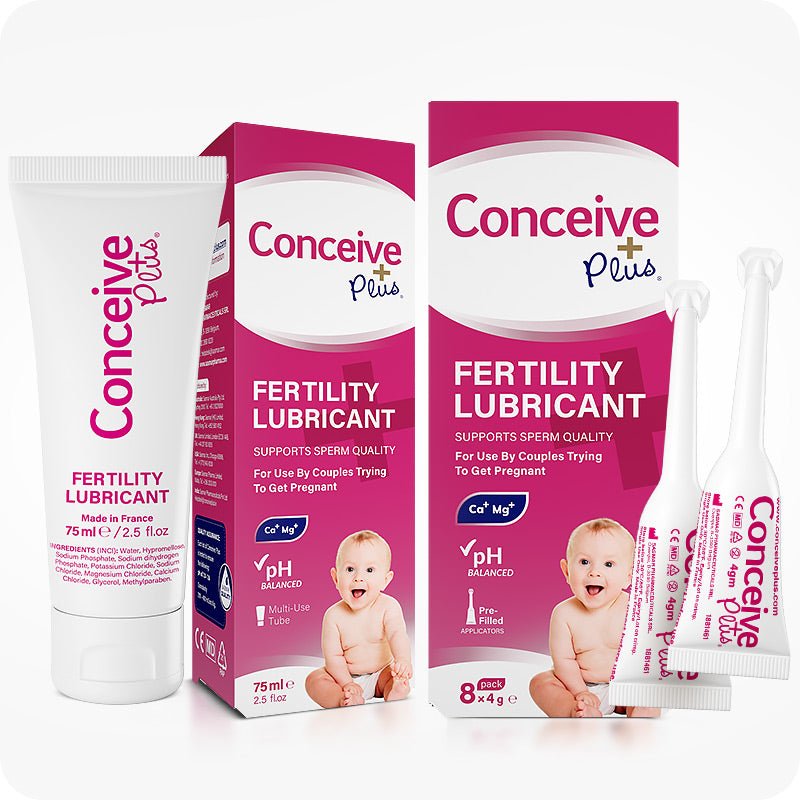
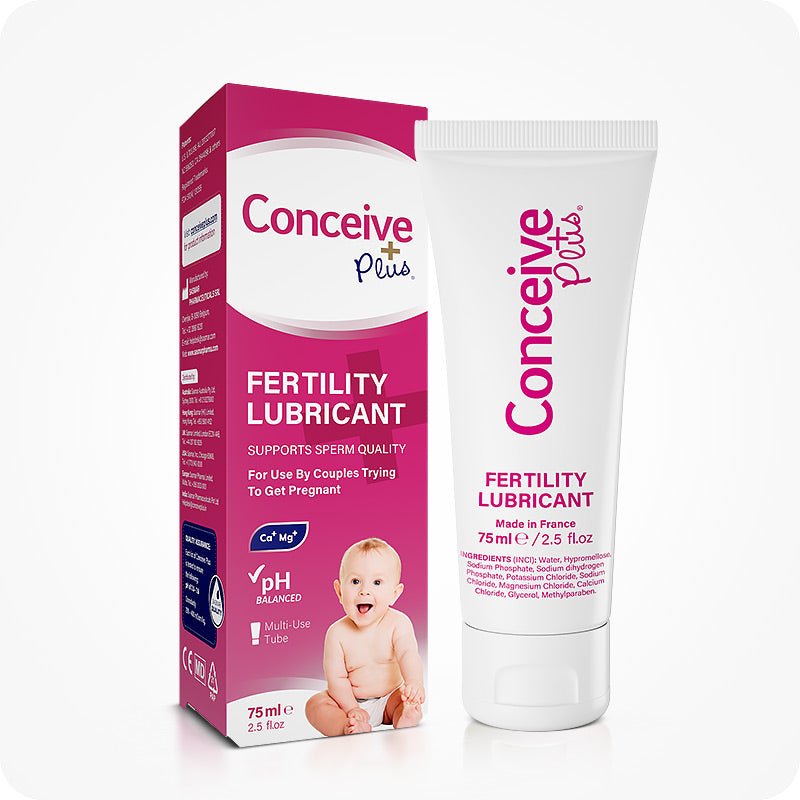
Trusted by couples worldwide, Conceive Plus offers a complete range of fertility supplements and lubricants — formulated by fertility specialists.
Explore Conceive Plus Products →
Folate (Methylfolate) — The Non-Negotiable
Folate is essential for DNA synthesis and cell division — processes absolutely critical during early embryonic development. The active form, methylfolate (5-MTHF), is more bioavailable than synthetic folic acid, particularly for women with the MTHFR gene variant. Start supplementing at least 3 months before trying to conceive.
Food sources: Dark leafy greens (spinach, kale, silverbeet), legumes, avocado, broccoli, eggs
CoQ10 — The Egg Quality Powerhouse
Coenzyme Q10 is a fat-soluble antioxidant produced naturally by the body, but levels decline with age. It plays a central role in mitochondrial energy production — and since eggs are the most mitochondria-rich cells in the human body, CoQ10 is critical for egg quality. Studies show CoQ10 supplementation in women over 35 can improve ovarian response and egg quality. Men benefit too: CoQ10 supplementation has been shown to improve sperm motility and morphology.
Food sources: Organ meats, oily fish (salmon, sardines), beef, nuts
Omega-3 Fatty Acids — Anti-Inflammatory Fertility Fuel
DHA and EPA (the long-chain omega-3s found in marine sources) reduce systemic inflammation — a key driver of conditions like PCOS, endometriosis, and poor embryo implantation. Omega-3s also support the luteal phase, improve insulin sensitivity relevant to PCOS, and are critical for fetal brain development.
Food sources: Fatty fish (salmon, mackerel, sardines, trout), walnuts, flaxseeds, chia seeds
Vitamin D — The Hormone Regulator
Vitamin D functions more like a hormone than a vitamin and has receptors throughout the reproductive system. Deficiency is associated with poor IVF outcomes, PCOS, endometriosis, and male infertility. Australia has a paradoxically high rate of vitamin D deficiency due to sun avoidance, making supplementation often necessary.
Food sources: Egg yolks, fatty fish, fortified dairy. Sunlight exposure is essential.
Zinc — Male and Female Fertility Essential
Zinc is required for healthy cell division, DNA synthesis, and hormone production. In men, it's concentrated in semen and essential for sperm production, motility, and morphology. In women, it supports follicular development and progesterone production during the luteal phase.
Food sources: Oysters (richest source), red meat, pumpkin seeds, legumes, whole grains
Iron — Supporting Ovulation
Iron deficiency (even without anaemia) has been associated with anovulation. The Nurses' Health Study found that women who supplemented with non-haeme iron had a significantly lower risk of ovulatory infertility. Choose plant-based or supplemental iron paired with vitamin C for optimal absorption.
Food sources: Legumes, tofu, fortified cereals, dark leafy greens, lean red meat
The Fertility Diet Food Blueprint
Prioritise
- Full-fat dairy: Counterintuitively, Harvard research found full-fat dairy (not low-fat) associated with better ovulatory function
- Fatty fish: 2–3 servings weekly for omega-3s and vitamin D
- Colourful vegetables: Rich in antioxidants that protect eggs and sperm from oxidative damage
- Legumes: Plant protein, folate, iron, and fibre that supports hormonal balance
- Whole grains: Low glycaemic index carbohydrates that keep blood sugar stable
- Eggs: Complete protein, choline (essential for fetal neural development), vitamin D
- Avocados: Monounsaturated fats, folate, vitamin K, potassium
- Nuts and seeds: Zinc (pumpkin seeds), selenium (Brazil nuts — 2/day), omega-3s (walnuts)
Limit or Avoid
- Alcohol: Even moderate consumption affects hormonal balance and egg quality
- Ultra-processed foods: High in trans fats, refined carbs, and additives that drive inflammation
- Sugar-sweetened beverages: Associated with reduced fertility in both sexes
- Trans fats: Found in some baked goods and fried foods; associated with ovulatory infertility and poor semen quality
- High-mercury fish: Shark, swordfish, orange roughy — avoid during preconception and pregnancy
- Excessive caffeine: Keep coffee to 1–2 cups per day maximum
- Soy in excess: Phytoestrogens may affect hormonal balance in large quantities
Our women's and men's fertility supplement formulas deliver the key preconception nutrients — folate, CoQ10, zinc, vitamin D, and more — in clinically supported doses.
Shop Conceive Plus Fertility Supplements →
The Mediterranean Fertility Diet: The Evidence-Backed Pattern
Multiple large studies have converged on the Mediterranean dietary pattern as the most evidence-backed eating style for fertility. The Mediterranean diet emphasises:
- Abundant vegetables, fruits, legumes, and whole grains
- Olive oil as the primary fat source
- Regular consumption of fish and moderate amounts of poultry
- Limited red meat and processed foods
- Moderate full-fat dairy
A 2019 study in Human Reproduction found that women undergoing IVF who closely followed a Mediterranean diet in the 6 months before treatment had a 65–68% greater chance of clinical pregnancy and live birth compared to those with the lowest adherence. The effect was most pronounced in women under 35.
For Australian couples, this translates well — the availability of fresh produce, seafood, olive oil, and legumes means a Mediterranean-style fertility diet is both achievable and affordable year-round.
Fertility Diet for Men: Often Overlooked, Always Important
Male factor infertility contributes to about 50% of all infertility cases. Yet dietary advice for men during the TTC period remains dramatically underemphasised. Here's what the evidence shows:
- Antioxidants: Sperm are particularly vulnerable to oxidative stress because they have minimal antioxidant defences and cannot repair DNA damage. Vitamins C, E, CoQ10, zinc, and selenium all help neutralise reactive oxygen species (ROS) that damage sperm DNA and motility.
- Zinc and selenium: Direct sperm production and function — deficiency in either is associated with poor semen parameters.
- Lycopene: Found in tomatoes, particularly cooked tomatoes. Studies show lycopene supplementation improves sperm morphology.
- L-carnitine and L-arginine: Amino acids that support sperm energy metabolism and motility. Found in red meat, dairy, and available as supplements.
A 2021 meta-analysis in Andrology concluded that combined antioxidant supplementation significantly improved sperm count, motility, and morphology while also improving live birth rates in couples undergoing assisted reproduction.
Meal Planning: A Sample Fertility Diet Day
Breakfast: Two poached eggs on wholegrain sourdough with half an avocado and sliced tomatoes. Green tea.
Morning snack: A small handful of walnuts and two Brazil nuts. An orange (vitamin C to aid iron absorption).
Lunch: Large salad with mixed greens, chickpeas, roasted beetroot, pumpkin seeds, grilled salmon, and olive oil/lemon dressing.
Afternoon snack: Greek yoghurt (full-fat) with berries.
Dinner: Baked Atlantic salmon with roasted broccoli, sweet potato, and a side of lentils. Drizzle with extra virgin olive oil.
Hydration: 2+ litres of water daily. Limit coffee to 1 cup. Avoid alcohol.
Frequently Asked Questions About the Fertility Diet
Q: How long before TTC should I start a fertility diet?
Ideally, begin at least 3 months before trying to conceive. Egg maturation (folliculogenesis) takes approximately 90 days, meaning the nutritional environment you provide today affects the quality of eggs you'll ovulate three months from now. The same applies to sperm production.
Q: Can a fertility diet overcome fertility problems?
Diet alone cannot cure structural issues or significant hormonal disorders, but it can meaningfully improve egg quality, sperm parameters, and hormonal balance — all of which matter for conception. It's a foundational complement to medical treatment, not a replacement.
Q: Is organic food necessary for a fertility diet?
The evidence is mixed. Some studies suggest pesticide exposure may affect fertility, but the data isn't strong enough to mandate organic across the board. Prioritise organic for the "dirty dozen" (highest-pesticide produce like strawberries, spinach, apples) and feel comfortable with conventional for others.
Q: Should men and women follow different fertility diets?
The broad principles are the same — whole foods, antioxidants, healthy fats, limited processed foods. Men should specifically focus on zinc, selenium, lycopene, and antioxidants for sperm health. Women should prioritise folate, iron, and inositol (particularly for PCOS).
Q: Do I need a preconception supplement if my diet is good?
Most experts recommend supplementing at minimum with methylfolate (for women) regardless of dietary quality, as the requirement around conception is high and dietary sources alone are often insufficient. CoQ10, vitamin D, and omega-3s are also commonly supplemented even in people eating well.
Q: Is the fertility diet different from a pregnancy diet?
They overlap significantly but have some differences. The fertility diet focuses on hormone balance, egg/sperm quality, and creating a receptive uterine environment. The pregnancy diet shifts focus more toward fetal development. The good news: following a fertility diet before conception sets you up perfectly for the early pregnancy nutritional requirements.
Q: Can being underweight or overweight affect fertility?
Yes significantly. Both underweight (BMI <18.5) and overweight (BMI >25) are associated with menstrual irregularities and reduced fertility. Adipose tissue produces oestrogen, and excess body fat can disrupt the hormonal balance required for regular ovulation.
Q: What about intermittent fasting for fertility?
Extended fasting can disrupt the hypothalamic-pituitary-ovarian (HPO) axis and suppress reproductive hormones. While time-restricted eating (e.g., 16:8) may be tolerable for some, prolonged caloric restriction during the TTC period is not recommended. Focus on food quality over restriction.
Conclusion: Nourish Your Fertility From the Inside Out
A fertility diet is one of the highest-return investments you can make in your reproductive health. Unlike many aspects of fertility that are out of your control, what you eat is entirely within your hands. By filling your plate with nutrient-dense whole foods, prioritising the key fertility nutrients, and supporting your diet with targeted supplementation, you create the best possible cellular foundation for conception.
Conceive Plus fertility supplements are designed to complement a fertility diet — not replace it. Together, food and targeted nutrition give your body the building blocks it needs to thrive on the road to parenthood.
Join thousands of couples worldwide who trust Conceive Plus. Our scientifically formulated fertility range is available online with fast shipping.
Shop Conceive Plus Now →