Fertility Diet: What to Eat to Boost Your Chances of Conception


Fertility Diet: What to Eat to Boost Your Chances of Conception
What you eat before and during conception can profoundly influence your fertility, hormonal balance, egg quality, and sperm health. The science of nutritional fertility — what's often called a fertility diet — has advanced dramatically over the past two decades. Fertility researchers now understand that specific dietary patterns, nutrients, and food choices can meaningfully shift your reproductive odds.
This comprehensive guide to the fertility diet covers the foods that support conception, the nutrients that matter most, what to avoid, and how supplements like Conceive Plus complement a food-first approach to reproductive nutrition.
The Scientific Foundation of a Fertility Diet
The most robust evidence for dietary effects on fertility comes from the Harvard Nurses' Health Study — a large cohort study that tracked over 17,000 women for eight years. The resulting research, led by Dr Jorge Chavarro and published as The Fertility Diet, identified specific dietary patterns strongly associated with ovulatory infertility.
Key findings from this landmark research:
- Women following the most fertility-supportive dietary pattern had a 66% lower risk of ovulatory infertility than those following the least supportive diet
- Replacing trans fats with monounsaturated fats significantly reduced ovulatory infertility risk
- Plant-based protein sources outperformed animal protein for fertility outcomes
- Full-fat dairy was associated with better fertility outcomes than low-fat dairy in some analyses
- High-glycaemic carbohydrates were linked to increased ovulatory infertility risk
More recent research has extended these findings to male fertility, showing that diet quality affects sperm concentration, motility, and DNA integrity. A genuine fertility diet supports both partners' reproductive health simultaneously.
Core Foods in a Fertility Diet
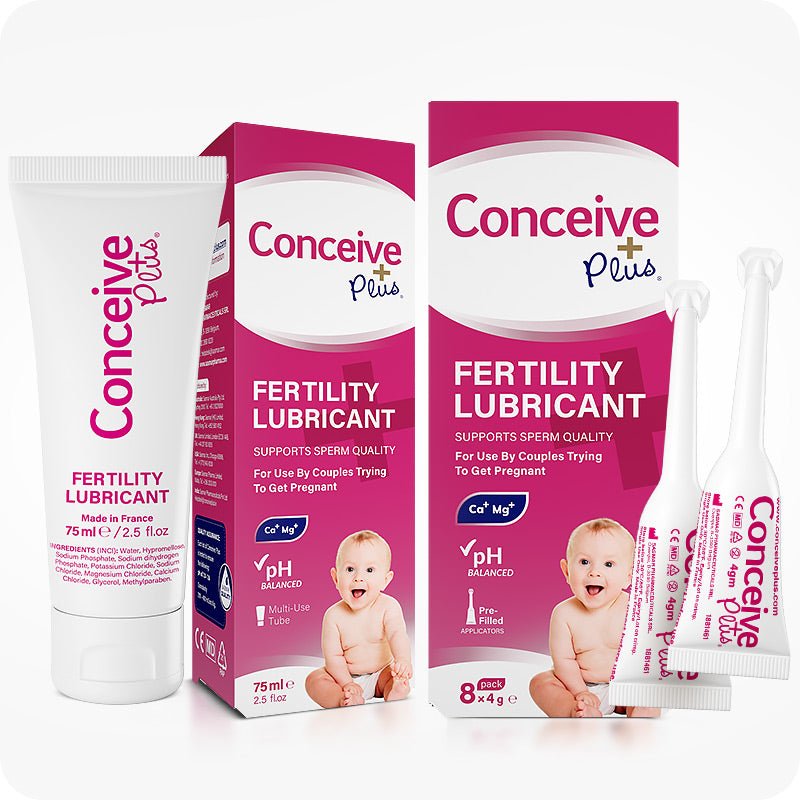
Support your fertility journey with Conceive Plus. Clinically formulated supplements and fertility lubricants trusted by thousands of couples. Shop Conceive Plus →
The following food categories form the nutritional foundation of an evidence-based fertility diet:
Leafy Green Vegetables
Spinach, kale, rocket, silverbeet, and other leafy greens are rich in folate — the naturally occurring form of folic acid critical for egg quality and neural tube development. They also provide iron (important for ovulation), antioxidants (protective for egg and sperm DNA), and vitamin K. Aim for 2–3 generous servings daily in your fertility diet.
Fatty Fish
Salmon, sardines, mackerel, and trout provide omega-3 fatty acids — specifically EPA and DHA — which are anti-inflammatory, support hormonal balance, improve egg quality, and are essential for foetal brain development. Choose low-mercury options (avoid shark, swordfish, and king mackerel). Include 2–3 servings per week in your fertility diet.
Whole Grains
Quinoa, oats, brown rice, and wholegrain bread provide slow-releasing carbohydrates that stabilise blood sugar and insulin levels. This is particularly important for women with PCOS, where insulin resistance disrupts ovulation. Refined grains spike blood sugar rapidly and should be minimised in a fertility diet.
Legumes and Pulses
Lentils, chickpeas, black beans, and other legumes are excellent plant-based protein sources rich in folate, iron, and fibre. The Harvard research specifically found that replacing one serving of animal protein with plant protein was associated with reduced ovulatory infertility risk. Legumes deserve a daily role in a fertility-focused diet.
Nuts and Seeds
Walnuts (rich in omega-3s), Brazil nuts (selenium for sperm health), pumpkin seeds (zinc for testosterone and sperm production), and sunflower seeds (vitamin E) all contribute meaningfully to a fertility diet. A small daily handful of mixed nuts provides a broad spectrum of reproductive nutrients.
Colourful Vegetables and Fruits
Berries, tomatoes, capsicum, carrots, and other brightly coloured produce are loaded with antioxidants — particularly vitamins C and E, lycopene, beta-carotene, and polyphenols. Antioxidants protect egg and sperm DNA from oxidative damage, which is a known contributor to fertility problems and early pregnancy loss.
Avocado
A fertility diet superstar: avocado provides monounsaturated fats (the "good" fat associated with improved ovulatory function), folate, vitamin K, and potassium. One study found that women undergoing IVF who consumed more monounsaturated fats had significantly higher live birth rates.
Full-Fat Dairy (Where Tolerated)
The Harvard Nurses' Health Study found that one daily serving of full-fat dairy (whole milk, full-fat yoghurt, or cheese) was associated with better ovulatory fertility outcomes than low-fat dairy. The mechanism may involve the relationship between milk fat and reproductive hormones. If you tolerate dairy, one full-fat serving daily fits well in a fertility diet.
Key Nutrients That Power a Fertility Diet
Beyond food categories, specific nutrients have documented roles in reproductive health:
- Folate/Folic acid (400–800mcg daily): Prevents neural tube defects and supports egg quality. Begin supplementing at least 3 months before trying to conceive.
- Vitamin D (1,000–2,000 IU daily): Australian women are often surprised to learn they're deficient despite sun exposure. Vitamin D receptors are found in the ovaries and testes. Deficiency is associated with reduced fertility in both sexes.
- Iron (27mg for pregnant women, 18mg for TTC): Non-haem iron from plants (paired with vitamin C) supports ovulatory function. Low iron stores are associated with ovulatory infertility.
- CoQ10 (100–600mg daily): An antioxidant that energises mitochondria in egg cells. Particularly relevant for women over 35, as CoQ10 levels naturally decline with age.
- Zinc (8mg women, 11mg men): Essential for sperm production, testosterone regulation, and progesterone synthesis. Found in oysters, beef, pumpkin seeds, and lentils.
- Omega-3 fatty acids (EPA+DHA combined 500–1,000mg daily): Support hormonal balance, reduce inflammation, and improve egg and sperm quality. Critical if fish consumption is limited.
- Iodine (150mcg): Essential for thyroid function, which directly regulates ovulation. Australian soils are iodine-poor, making supplementation or dietary attention important.
Conceive Plus fertility supplements are formulated to complement the nutritional gaps that even a well-planned fertility diet may leave — providing clinically relevant doses of key reproductive nutrients in one daily supplement.
What to Limit or Avoid in a Fertility Diet
An effective fertility diet isn't only about what you add — what you reduce matters equally:
- Alcohol: Even moderate alcohol consumption has been associated with reduced fertility and increased time-to-pregnancy. Both partners should ideally abstain when TTC.
- Caffeine (over 200mg/day): High caffeine intake is linked to increased miscarriage risk. Limit to one coffee or equivalent per day.
- Trans fats: Found in processed snacks, fast food, and some margarines. Strongly associated with ovulatory infertility in the Harvard study. Check labels for "partially hydrogenated oils".
- Highly processed foods: Ultra-processed foods are linked to inflammation, insulin resistance, and poor sperm quality. Minimise packaged snacks, takeaway, and processed meats.
- High-sugar foods and refined carbohydrates: Rapid blood sugar spikes drive insulin resistance and hormonal disruption. Opt for whole food carbohydrate sources.
- High-mercury fish: Mercury accumulates in larger fish (shark, swordfish, king mackerel). Mercury is a known reproductive toxin — avoid these during your fertility diet and throughout pregnancy.
The Fertility Diet for Men
Male fertility responds as meaningfully to diet as female fertility — yet men's nutritional needs in TTC are often overlooked. Sperm take approximately 72–90 days to mature, meaning dietary changes made now will affect sperm quality in 3 months' time. The male fertility diet should emphasise:
- Lycopene: Found in tomatoes (particularly cooked), watermelon, and pink grapefruit. Associated with improved sperm concentration and motility in multiple studies.
- Zinc: Directly involved in sperm production and testosterone synthesis. Low zinc is one of the most common nutritional deficiencies affecting male fertility.
- Selenium: A trace mineral essential for sperm structure and motility. Brazil nuts are the most concentrated dietary source (1–2 per day is sufficient).
- Vitamin C: Protects sperm DNA from oxidative damage. Associated with improved sperm count and reduced DNA fragmentation.
- L-carnitine: Found in red meat, supports sperm energy production and motility.
A fertility diet that incorporates these nutrients for men — alongside a quality supplement like Conceive Plus Men — provides comprehensive sperm health support during the months leading up to conception attempts.
The Mediterranean Fertility Diet Pattern
The Mediterranean dietary pattern has emerged as the most consistently fertility-supportive eating style in the research literature. Characterised by:
- High intake of vegetables, fruits, whole grains, and legumes
- Olive oil as the primary fat source
- Regular fatty fish consumption
- Moderate dairy (including full-fat options)
- Limited red meat
- Minimal processed food, sugar, and refined carbohydrates
This pattern supports fertility through multiple mechanisms: anti-inflammatory effects, insulin sensitivity, hormonal balance, antioxidant protection, and omega-3 enrichment. If you want a single dietary framework to follow for fertility, the Mediterranean pattern is the most evidence-backed choice available.
Frequently Asked Questions About the Fertility Diet
Q: How quickly does a fertility diet show results?
A: Egg quality improves over approximately 90 days (one egg maturation cycle). Sperm are renewed every 72–90 days. For meaningful impact on reproductive outcomes, commit to a fertility diet for at least 3 months before trying to conceive.
Q: Is a fertility diet different from a pregnancy diet?
A: There is significant overlap, but a fertility diet focuses more on nutrients that support ovulation, sperm quality, and fertilisation — while a pregnancy diet shifts toward nutrients supporting foetal development. The transition is smooth — many fertility diet principles apply throughout pregnancy.
Q: Do I need to be vegetarian or vegan for a fertility diet?
A: No. A fertility diet can include meat. However, the research does support reducing red meat (particularly processed meat) in favour of plant protein sources. An omnivorous diet following Mediterranean principles is entirely compatible with fertility optimisation.
Q: Can a fertility diet help with unexplained infertility?
A: Yes. Dietary optimisation improves egg quality, hormone balance, and uterine environment — factors that can contribute to unexplained infertility without showing on standard tests. Many couples with unexplained infertility find dietary and lifestyle changes improve their outcomes.
Q: Should my partner follow a fertility diet too?
A: Absolutely. Male diet contributes to fertility outcomes through sperm quality. A shared fertility diet approach is ideal — it's easier to maintain together and benefits both partners' reproductive health.
Q: Are superfoods like maca root part of a fertility diet?
A: Some superfoods have limited but promising evidence (maca shows some benefit for libido and sperm parameters in small studies). However, no single "superfood" has sufficient evidence to be considered essential. Focus on overall dietary quality rather than individual superfoods.
Q: How does body weight affect fertility diet outcomes?
A: Both underweight and overweight status affect ovulation and fertility. A fertility diet supports healthy weight management as a secondary benefit. BMI in the range of 20–24.9 is associated with optimal fertility outcomes, though many women outside this range conceive without difficulty.
Q: What's the best fertility supplement to pair with a fertility diet?
A: A quality prenatal-style supplement covering folate, vitamin D, iodine, iron, and omega-3s fills gaps in even a well-planned fertility diet. Conceive Plus provides a comprehensive nutritional foundation designed specifically for women TTC in Australia.
Ready to take the next step? Explore the full Conceive Plus range — from fertility supplements to sperm-friendly lubricants — designed to support every stage of your conception journey. Discover Conceive Plus →