Fertility Diet for Women Trying to Conceive in Australia


Fertility Diet for Women: What to Eat When Trying to Conceive in Australia
What you eat in the months before conception can significantly influence your fertility outcomes. A growing body of research shows that dietary choices affect egg quality, hormonal balance, ovulation regularity, and the uterine environment that will nurture a developing embryo. For Australian women trying to conceive, understanding the principles of a fertility-supportive diet is a practical step you can take right now.
Australia's diverse, produce-rich food culture makes the fertility diet highly achievable. Access to fresh seafood, quality whole grains, and seasonal vegetables is excellent across most of the country. The challenge is usually consistency amid busy modern life — not availability of the right foods.
The Fertility Diet: What the Research Shows
The Nurses' Health Study — one of the largest long-term studies of female health ever conducted — produced landmark research on nutrition and ovulatory fertility. Women following a dietary pattern rich in whole grains, plant-based proteins, full-fat dairy, and antioxidants had significantly lower rates of ovulatory infertility compared to women eating diets high in refined carbohydrates, trans fats, and animal proteins.
The dietary pattern that emerged — sometimes called the "fertility diet" — shares many features with the Mediterranean diet: emphasis on whole foods, healthy fats, plant proteins, and antioxidant-rich vegetables and fruits. For Australian women, this translates naturally to local eating patterns: grilled fish, avocado, legumes, colourful vegetables, and quality olive oil are all already part of Australian cuisine.
Key Nutrients for Female Fertility
Ready to support your conception journey? Shop Conceive Plus Australia →
Folate (vitamin B9): The most critical preconception nutrient. Folate supports neural tube development in the earliest weeks of pregnancy — often before a woman knows she's pregnant. The Australian recommendation is 400–800mcg daily, starting 3 months before conception. Women with MTHFR gene variants (common in Australian populations) may benefit from methylfolate rather than synthetic folic acid.
Iron: Iron deficiency is one of the most common nutrient deficiencies in Australian women of reproductive age. Adequate iron is essential for ovulation and luteal function. Pair plant-based iron (legumes, fortified cereals) with vitamin C-rich foods (capsicum, tomatoes) to improve absorption. Red meat 2–3 times per week provides highly bioavailable haem iron.
Omega-3 fatty acids: DHA and EPA support healthy egg development, reduce inflammation, and support the hormonal environment for conception. Australia's excellent access to wild-caught fish — salmon, mackerel, sardines, barramundi — makes omega-3 intake straightforward. Aim for 2–3 portions per week, or supplement with fish oil if fish consumption is limited.
Vitamin D: Despite Australia's sunshine reputation, vitamin D deficiency is surprisingly common, particularly in southern states during winter and in women who work indoors. Vitamin D receptors are present in ovarian tissue, and deficiency is associated with reduced IVF success and irregular ovulation. Supplementation of 1,000–2,000 IU daily is often recommended for women TTC who don't get regular midday sun exposure.
CoQ10: An antioxidant supporting mitochondrial energy production within eggs. Particularly relevant for women over 35, as mitochondrial efficiency naturally declines with age. CoQ10 (200–600mg daily as ubiquinol) has shown promise in improving egg quality in clinical studies.
Iodine: Thyroid function — iodine-dependent — directly influences ovulation and early pregnancy. Australian Dietary Guidelines recommend pregnant and breastfeeding women supplement iodine; women TTC should ensure adequate iodine from iodised salt, seafood, and dairy.
Building a Fertility-Supportive Plate
Vegetables and fruit: Aim for 5–7 serves daily. Dark leafy greens (spinach, kale, silverbeet — rich in folate), colourful vegetables (capsicum, carrots, sweet potato), and berries (high in antioxidants that protect eggs from oxidative damage). Australia's seasonal produce makes this easy to rotate year-round.
Whole grains: Replace refined carbohydrates with whole grain alternatives. Oats, quinoa, brown rice, wholemeal bread, and barley provide fibre that supports blood sugar regulation and hormone balance. Insulin spikes from refined carbs disrupt the hormonal axis controlling ovulation.
Plant proteins: Lentils, chickpeas, black beans, tofu, and edamame supply protein alongside folate and fibre. The Nurses' Health Study found replacing one serving of animal protein with plant protein reduced ovulatory infertility risk by 50%.
Full-fat dairy: One serving of full-fat dairy (whole milk yoghurt, full-fat cheese) daily was associated with lower ovulatory infertility risk in landmark research. Low-fat dairy products have altered hormonal profiles that may be less favourable for fertility.
Healthy fats: Extra virgin olive oil, avocado, nuts and seeds (especially walnuts, chia seeds, flaxseeds), and oily fish. These fats support hormone production and reduce inflammation — both important for reproductive function.
What to Limit or Avoid
Trans fats: Found in commercial fried foods, many packaged snacks, and some margarines. Even small amounts of trans fats can impair ovulation. Australian food labelling requires trans fat disclosure — check labels on packaged goods.
Refined carbohydrates and sugar: White bread, sugary drinks, pastries, and processed snacks spike insulin and disrupt the hormonal environment for ovulation. This is particularly relevant for women with PCOS, where insulin resistance drives hormonal disruption.
Alcohol: Even moderate alcohol consumption can affect hormone levels, ovulation, and early implantation. Most Australian fertility specialists recommend abstaining from alcohol when actively TTC.
Excessive caffeine: Most guidelines suggest limiting to under 200mg daily (1–2 standard coffees). The evidence is mixed, but erring on the side of caution is reasonable during TTC.
High-mercury fish: Shark (flake), swordfish, orange roughy, and marlin should be avoided when TTC and during pregnancy. Stick to low-mercury options: salmon, sardines, canned tuna (limit 2–3 serves per week), and barramundi.
The Role of Supplements
Even with an excellent diet, fertility specialists often recommend targeted supplementation to ensure nutritional foundations are solid. A quality preconception supplement should provide methylfolate, iodine, vitamin D, and iron in bioavailable forms.
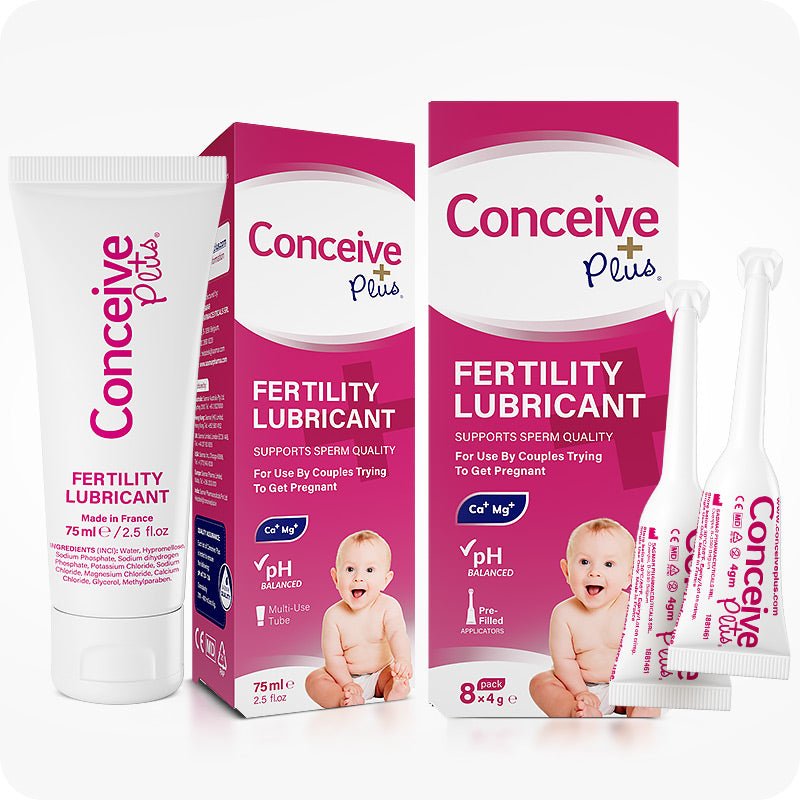
Conceive Plus supplements are formulated with fertility-specific nutrients in clinically relevant doses — a convenient way to ensure your nutritional base is covered while you focus on dietary improvements. Available from conceiveplus.com.au.
Practical Tips for Australian Lifestyles
Meal prep on weekends with batch-cooked grains, legumes, and roasted vegetables makes weekday fertility-friendly eating easy. Embrace Australia's excellent barbecue culture — grilled fish, chicken, and vegetables align naturally with fertility nutrition principles. Take advantage of farmers' markets for seasonal, nutrient-dense produce. Mediterranean-inspired meals feel natural in Australian cuisine. Start the day with eggs, full-fat Greek yoghurt, or oats with berries and flaxseeds.
Supporting Partner Nutrition
Male sperm health is equally important — poor sperm quality contributes to 40–50% of couple infertility. Partner nutrition matters too: the Mediterranean dietary pattern, zinc, selenium, and CoQ10 all support sperm parameters. Encouraging shared fertility-supportive eating habits gives both partners the best possible foundation and makes dietary changes more sustainable.
Frequently Asked Questions
Q: How long do dietary changes take to affect fertility?
A: Eggs take approximately 90 days to mature. Dietary changes made at least 3 months before your target conception date will have the greatest impact on egg quality.
Q: Should I go organic?
A: If budget allows, prioritising organic for the "dirty dozen" is a reasonable precaution. Thorough washing of conventional produce significantly reduces pesticide residue for cost-conscious shoppers.
Q: Can diet help with PCOS?
A: Yes. Dietary changes significantly improve insulin sensitivity, hormone balance, and ovulatory function in PCOS. A low-GI diet, regular physical activity, and targeted supplementation (especially inositol) are evidence-based strategies.
Q: Is intermittent fasting safe when TTC?
A: Not specifically recommended, particularly for those with irregular cycles. Severe caloric restriction can disrupt ovulation. Focus on nutrient quality and balanced eating rather than fasting windows.
Q: Do I need to stop coffee entirely?
A: Not necessarily. Limiting to 1–2 cups daily (under 200mg caffeine) is the standard recommendation.
Q: What is the best preconception vitamin in Australia?
A: Look for methylfolate, iodine, vitamin D, iron, and ideally CoQ10 and omega-3s. Conceive Plus formulations are available in Australia at conceiveplus.com.au.
Q: How does body weight affect fertility?
A: Both underweight and overweight can disrupt ovulation. The fertility diet supports healthy weight management as a natural outcome of nutrient-dense whole food eating.
Q: Can I follow the fertility diet while vegetarian or vegan?
A: Yes, with attention to B12, iron, zinc, omega-3 (use algae-based DHA), and iodine — nutrients that require more planning on plant-based diets. A registered dietitian with fertility experience can help tailor the approach.
Q: Where can I buy Conceive Plus supplements in Australia?
A: Directly from conceiveplus.com.au with Australian delivery.
Q: Are fertility supplements safe to take with a regular prenatal vitamin?
A: Check for duplication before combining products, particularly for fat-soluble vitamins (A, D, E, K). Disclose all supplements to your healthcare provider for personalised guidance.
Trusted by fertility clinics and couples worldwide
Shop Conceive Plus Australia →