The Fertility Diet: What to Eat (and Avoid) to Boost Your Chances of Conceiving


The Fertility Diet: What to Eat (and Avoid) to Boost Your Chances of Conceiving
When you're trying to conceive, every aspect of your lifestyle matters — and what you eat sits right at the top of the list. Research increasingly shows that nutrition has a profound impact on reproductive health, hormonal balance, and the overall environment in which conception can happen. In Australia, where one in six couples experience difficulties conceiving, understanding the relationship between diet and fertility has never been more important.
The good news? You don't need a complicated eating plan or expensive superfoods to eat for fertility. What the science points to is a pattern of eating — rich in whole foods, healthy fats, quality proteins, and key micronutrients — that supports your body's natural reproductive function. This guide walks you through exactly what to eat, what to limit, and how small dietary changes can make a meaningful difference to your conception journey.
Why Diet Matters for Fertility
It might seem surprising that what's on your plate could influence whether you conceive, but the connection between nutrition and fertility is deeply rooted in biology. The reproductive system is highly sensitive to the nutrients (or lack thereof) circulating in your body.
Hormones that regulate ovulation, egg quality, uterine lining health, and implantation are all synthesised from dietary building blocks — including fats, proteins, vitamins, and minerals. When the body is well-nourished, these hormonal processes tend to run more smoothly. When there are nutritional gaps or an overabundance of inflammatory foods, the hormonal balance can shift in ways that make conception more difficult.
A landmark study published in the American Journal of Obstetrics and Gynecology found that women who followed a "fertility diet" — characterised by higher consumption of monounsaturated fats, vegetable protein, low-glycaemic carbohydrates, and full-fat dairy — had a significantly reduced risk of ovulatory infertility. More recent research from Harvard's Nurses' Health Study II confirmed that dietary patterns rich in plant-based nutrients and healthy fats were associated with better fertility outcomes overall.
In Australia, data from the Australian Institute of Health and Welfare indicates that dietary factors — alongside age, weight, and overall health — are among the most modifiable risk factors for fertility. That means the choices you make at every meal have real, measurable potential to support your reproductive health.
The Core Principles of a Fertility-Friendly Diet
Nourish Your Body with the Right Nutrients
A fertility-friendly diet lays the groundwork, but meeting every preconception nutrient target through food alone can be challenging. Conceive Plus Prenatal Essential Nutrients is formulated with folate, choline, DHA, iodine, and a comprehensive suite of vitamins and minerals to complement your diet and support your body as you prepare for conception. Because starting with the right foundation matters.
Explore Prenatal Essential NutrientsRather than a strict prescriptive meal plan, think of the fertility diet as a framework of nutritional principles. These principles are grounded in evidence and have been consistently associated with improved reproductive outcomes in research:
1. Prioritise Whole, Minimally Processed Foods
Ultra-processed foods — packaged snacks, fast food, refined cereals, soft drinks — are associated with systemic inflammation and hormonal disruption. A 2018 study published in JAMA Internal Medicine found that higher intake of ultra-processed foods was linked to higher rates of ovulatory infertility. Swapping processed foods for whole, nutrient-dense alternatives is perhaps the single most impactful shift you can make.
2. Choose Quality Fats Wisely
Not all fats are created equal. Healthy monounsaturated and polyunsaturated fats — found in avocados, olive oil, nuts, seeds, and oily fish — are anti-inflammatory and support hormonal synthesis. Trans fats (found in fried foods, margarine, and many packaged goods) have been specifically linked to impaired fertility and should be avoided as much as possible.
3. Favour Plant-Based Proteins (Some of the Time)
Research from the Harvard Nurses' Health Study found that women who substituted one serving of animal protein with vegetable protein per day had a 50% lower risk of ovulatory infertility. That doesn't mean going fully vegetarian — but incorporating more lentils, beans, chickpeas, tofu, and tempeh alongside quality animal proteins is a sound strategy.
4. Focus on Low-Glycaemic Carbohydrates
Blood sugar regulation plays a key role in reproductive hormone balance. High-glycaemic foods — white bread, white rice, sugary snacks — cause rapid spikes in insulin, which can disrupt the hormonal signalling involved in ovulation. Choosing whole grains, legumes, and vegetables with a lower glycaemic index helps maintain steadier blood sugar and supports ovulatory function.
5. Don't Fear Full-Fat Dairy (In Moderation)
One of the more counterintuitive findings from the Nurses' Health Study was that full-fat dairy was associated with a lower risk of ovulatory infertility, while low-fat dairy was not. The theory is that removing fat from dairy also removes certain hormonal compounds that may support fertility. A daily serving of full-fat yoghurt, cheese, or milk may be beneficial — though this should be balanced against overall calorie and saturated fat intake.
The Best Foods for Female Fertility
When building a fertility-friendly plate, these foods consistently stand out in the research:
Leafy Green Vegetables
Spinach, kale, silverbeet, and broccoli are rich in folate — one of the most critical nutrients for preconception health. Folate (the natural form of folic acid) is essential for DNA synthesis and cell division, and adequate intake before and during early pregnancy significantly reduces the risk of neural tube defects. Australian guidelines recommend 400–800 mcg of folate daily for women trying to conceive. Beyond folate, these vegetables provide iron, magnesium, and antioxidants that protect egg quality.
Oily Fish
Salmon, sardines, mackerel, and trout are excellent sources of omega-3 fatty acids, particularly DHA (docosahexaenoic acid). DHA is critical for the development of the brain and nervous system in early pregnancy, and research suggests it also plays a role in egg quality and embryo development. Australian guidelines recommend 2–3 serves of oily fish per week, while limiting high-mercury fish like shark, swordfish, and orange roughy.
Eggs
Eggs are a nutritional powerhouse for fertility — containing choline (essential for fetal brain development and egg quality), vitamin D, B12, and high-quality protein. Research published in Nutrients found that choline intake was significantly below recommended levels in most Australian women of reproductive age, making eggs and other choline-rich foods particularly valuable.
Legumes
Lentils, chickpeas, black beans, and kidney beans provide plant-based protein, folate, iron, and fibre — all important for reproductive health. Their low glycaemic index also supports stable blood sugar, which is beneficial for hormonal balance. Aim for 3–4 servings of legumes per week.
Berries and Colourful Fruit
Blueberries, strawberries, raspberries, and pomegranates are rich in antioxidants — compounds that protect eggs and reproductive cells from oxidative stress. Oxidative stress is believed to be a significant contributor to diminished egg quality and age-related fertility decline. A diet rich in antioxidant-containing fruits and vegetables helps neutralise free radicals and protect cellular health.
Walnuts and Seeds
Walnuts are uniquely high in omega-3 fatty acids among nuts, while pumpkin seeds, flaxseeds, and sunflower seeds provide zinc, selenium, vitamin E, and healthy fats. These micronutrients support hormonal production and protect reproductive cells from damage. A small daily handful of mixed nuts and seeds is a simple way to boost nutritional density.
Whole Grains
Oats, quinoa, brown rice, barley, and wholegrain bread provide complex carbohydrates, B vitamins, iron, and fibre. Compared to refined grains, whole grains produce a slower rise in blood glucose, helping to maintain the hormonal balance needed for regular ovulation. A 2009 study found that higher whole grain intake was associated with better fertility outcomes in women undergoing fertility treatment.
Avocado
Rich in monounsaturated fats, folate, vitamin K, and potassium, avocado is one of the most fertility-friendly foods available. One study on IVF patients found that women consuming more monounsaturated fats (like those in avocado) had significantly higher rates of live birth. Adding half an avocado to salads, toast, or smoothies is an easy and delicious upgrade.
Full-Fat Greek Yoghurt
High in protein, calcium, probiotics, and vitamin D, full-fat Greek yoghurt supports a healthy gut microbiome and bone health, while the fat content may be relevant to fertility outcomes as discussed above. Choose plain, unsweetened varieties and add your own fruit or honey for flavour.
Key Nutrients and Where to Find Them
Beyond individual foods, it's worth understanding the specific nutrients most closely linked to female fertility and their dietary sources:
| Nutrient | Why It Matters for Fertility | Best Food Sources |
|---|---|---|
| Folate | DNA synthesis, neural tube protection | Leafy greens, legumes, eggs, fortified foods |
| Choline | Egg quality, fetal brain development | Eggs, chicken, salmon, broccoli |
| DHA (Omega-3) | Embryo development, reduces inflammation | Salmon, sardines, walnuts, flaxseeds |
| Iron | Ovulation support, oxygen transport | Lentils, red meat, spinach, tofu |
| Zinc | Hormonal balance, cell division | Oysters, beef, pumpkin seeds, legumes |
| Vitamin D | Hormonal regulation, implantation | Oily fish, eggs, fortified dairy, sunlight |
| Antioxidants (A, C, E) | Protect eggs from oxidative damage | Berries, citrus, nuts, carrots, sweet potato |
| Iodine | Thyroid function, fetal neurological development | Seafood, dairy, iodised salt, seaweed |
Many women find it challenging to meet all of these nutrient requirements through diet alone, particularly folate, choline, DHA, and iodine — which is why many healthcare providers recommend a quality prenatal supplement alongside a healthy diet when trying to conceive.
Foods and Drinks to Limit or Avoid
Just as some foods support fertility, others may work against it. Here's what the research suggests limiting when you're trying to conceive:
Alcohol
Alcohol is one of the most well-documented dietary threats to female fertility. Research published in the British Medical Journal found that even moderate alcohol consumption (5–10 drinks per week) was associated with a reduced probability of conception. Higher levels of consumption are linked to disrupted hormone levels, impaired egg quality, and increased risk of miscarriage. Australian health guidelines recommend no alcohol for women who are pregnant or planning to become pregnant. While one glass occasionally may have limited impact, the safest approach is to limit alcohol as much as possible when actively trying to conceive.
Caffeine (in Excess)
The evidence on caffeine and fertility is mixed, but several studies suggest that high caffeine intake (more than 300 mg per day — equivalent to roughly 2–3 cups of coffee) may be associated with reduced fertility and increased miscarriage risk. Most experts recommend keeping caffeine intake below 200 mg per day when trying to conceive. That means being mindful not just of coffee, but also of tea, cola, energy drinks, and chocolate.
Trans Fats
Partially hydrogenated oils — found in some margarines, fried foods, commercially baked goods, and packaged snacks — contain trans fats that have been specifically linked to ovulatory infertility. One large study found that each 2% increase in calories from trans fats (replacing carbohydrates) was associated with a 73% higher risk of ovulatory infertility. Always check labels for "partially hydrogenated oils" and choose healthier fat sources.
High-Mercury Fish
While oily fish is beneficial for fertility, certain large, predatory fish accumulate high levels of mercury — a heavy metal that can be harmful to egg quality and fetal development. Fish to limit or avoid when trying to conceive include shark (flake), swordfish, broadbill, marlin, orange roughy, and catfish. Australian guidelines recommend no more than one serve per fortnight of these species.
Highly Processed Foods and Refined Sugars
As discussed, ultra-processed foods contribute to systemic inflammation and blood sugar dysregulation — both of which can negatively impact hormonal balance and fertility. This includes packaged snacks, instant noodles, sugary breakfast cereals, soft drinks, commercial baked goods, and fast food. These foods are calorie-dense but nutrient-poor, and their regular consumption creates a nutritional environment that is less conducive to conception.
Unpasteurised Foods During the Conception Period
When actively trying to conceive, it's wise to also apply early pregnancy food safety rules — avoiding unpasteurised dairy, raw fish, and deli meats that may carry listeria or other pathogens. Since implantation can occur before you know you're pregnant, these precautions are worth starting sooner rather than later.
Body Weight, Fertility, and the Nutrition Connection
Body weight is among the most significant modifiable factors affecting fertility, and diet is the primary lever through which weight is managed. Both underweight and overweight status can disrupt the hormonal signalling required for regular ovulation.
According to the Royal Australian and New Zealand College of Obstetricians and Gynaecologists (RANZCOG), women with a BMI below 18.5 or above 30 have significantly lower rates of natural conception and higher rates of pregnancy complications. A BMI in the range of 20–27.5 is generally considered optimal for fertility.
For women who are overweight, even a modest weight reduction of 5–10% of body weight has been shown to restore ovulatory function in many cases. For women who are underweight, achieving a healthy weight through nutritious, calorie-sufficient eating can similarly restore regular menstrual cycles and ovulation.
It's important to note that restrictive dieting, extreme calorie deficits, and excessive exercise can be just as harmful to fertility as excess weight. The goal is not thinness but metabolic and hormonal health — which is best achieved through sustainable, nutritious eating patterns rather than crash diets.
If you're concerned about weight and fertility, working with a registered dietitian who specialises in reproductive health can be invaluable in developing a personalised plan.
Building Your Fertility Plate: Practical Tips for Everyday Eating
All of the above principles need to translate into real meals on real days. Here are some practical strategies for building a fertility-supporting diet into your everyday life:
Follow the 80/20 Rule
Aim to eat fertility-supportively 80% of the time and give yourself flexibility for the remaining 20%. Perfection is neither achievable nor necessary — what matters is the overall pattern of eating, not individual meals. A piece of birthday cake or a restaurant dinner won't derail your fertility; chronic patterns of poor nutrition can.
Batch Cook Legumes and Grains
Prepare large batches of lentils, chickpeas, brown rice, or quinoa at the start of each week. These form versatile bases for quick, nutritious meals throughout the week — salads, grain bowls, soups, and stir-fries that take minutes to assemble.
Make Vegetables the Foundation
Aim to fill at least half your plate with a variety of vegetables at every meal. Focus on colour diversity — each colour of vegetable represents different antioxidants and phytonutrients. Dark greens for folate and magnesium; orange and yellow for beta-carotene; reds and purples for anthocyanins and lycopene.
Swap, Don't Just Restrict
Rather than cutting out foods and feeling deprived, focus on strategic swaps: white bread → sourdough or wholegrain; soft drink → sparkling water with lemon; vegetable oil → extra virgin olive oil; white rice → brown rice or cauliflower rice. These swaps improve nutritional quality without requiring willpower.
Plan for Omega-3s
Include oily fish at least twice a week and consider adding walnuts, flaxseeds, or chia seeds to smoothies, salads, or porridge daily. If you don't eat fish regularly, discuss an algae-based DHA supplement with your healthcare provider.
Stay Hydrated
Adequate hydration supports cervical mucus quality and overall cellular health. Aim for 8–10 glasses of water per day, adjusting for physical activity and climate (relevant particularly in warmer parts of Australia). Herbal teas, particularly raspberry leaf tea and green tea (in moderate amounts), can contribute to your daily fluid intake.
Read Labels for Hidden Nasties
Trans fats can hide in products that appear healthy. Check labels for "partially hydrogenated oil" and look at the sugar content of packaged foods — aim for less than 5g per 100g in most foods you buy regularly.
The Mediterranean Diet and Fertility: What the Research Says
If you're looking for a proven dietary framework to follow, the Mediterranean diet consistently emerges as the most well-researched eating pattern for fertility support. Characterised by abundant vegetables, fruits, legumes, whole grains, oily fish, olive oil, and moderate dairy and lean meat, the Mediterranean diet aligns closely with all the fertility nutrition principles outlined in this guide.
A systematic review and meta-analysis published in Human Reproduction Update in 2019 found that adherence to a Mediterranean-style diet was significantly associated with higher rates of clinical pregnancy and live birth in women undergoing assisted reproductive technology. A separate study from Greece found that women who closely followed a Mediterranean diet in the six months before IVF were 65–68% more likely to achieve pregnancy than those who did not.
Beyond fertility treatment, the Mediterranean diet's anti-inflammatory profile supports hormonal health more broadly, and its emphasis on whole foods naturally delivers many of the key fertility nutrients — folate, choline, DHA, iron, zinc, and antioxidants — in their most bioavailable forms.
Adopting a Mediterranean eating pattern doesn't require exotic ingredients. In Australia, the foundation foods are widely available and affordable: local oily fish, seasonal vegetables, legumes, olive oil, sourdough or rye bread, Greek yoghurt, and a wide variety of fresh fruits and nuts.
When to Seek Professional Support
A fertility-supportive diet is a powerful foundation — but it's not the only piece of the puzzle, and it's not a substitute for medical assessment if you've been trying to conceive without success for some time.
Australian guidelines recommend seeking a GP assessment if:
- You are under 35 and have been trying to conceive for 12 months without success
- You are 35–40 and have been trying for 6 months
- You are over 40 and have been trying for 3 months
- You have known conditions (irregular cycles, thyroid disease, etc.) that may affect fertility
Your GP can arrange blood tests to assess hormonal status, thyroid function, iron levels, vitamin D, and other markers relevant to fertility. Nutritional deficiencies like low iron or vitamin D are surprisingly common in Australian women and can significantly impact conception — so getting a baseline blood test before or shortly after starting your fertility diet is worthwhile.
A registered dietitian with expertise in reproductive health can provide personalised dietary guidance, identify specific nutrient gaps, and work alongside your medical team to optimise your nutritional status throughout the conception journey.
Frequently Asked Questions About Fertility Diet and Nutrition
How long does it take for dietary changes to affect fertility?
Eggs take approximately 90 days (three months) to mature before ovulation, meaning that dietary changes you make today will most meaningfully affect the eggs you ovulate in roughly three months' time. This is why preconception nutrition ideally begins three to six months before you start trying to conceive. That said, many dietary changes — such as improving blood sugar balance and reducing inflammation — can have more immediate benefits on hormonal regulation and overall reproductive environment.
Is a vegetarian or vegan diet compatible with fertility?
Yes, but it requires careful planning. Plant-based diets can absolutely support fertility, provided certain nutrient gaps are addressed. Key nutrients that may be insufficient in vegetarian or vegan diets include vitamin B12 (essential for DNA synthesis), omega-3 DHA (found primarily in oily fish), zinc (less bioavailable from plant sources), iron (non-haem iron is less well absorbed), iodine, and choline. Women following plant-based diets when trying to conceive should discuss appropriate supplementation with their GP or dietitian.
Should I take a prenatal vitamin if I'm eating a healthy diet?
Most healthcare providers recommend a quality prenatal supplement for women trying to conceive, regardless of dietary quality. This is because certain nutrients — particularly folate/folic acid, iodine, DHA, and choline — are difficult to obtain in sufficient quantities from diet alone, and their importance in early pregnancy (often before a woman even knows she is pregnant) makes adequate pre-conception intake critical. Think of a prenatal supplement as a nutritional safety net alongside, not instead of, a healthy diet.
Does body weight really affect fertility that much?
Yes, significantly. Both underweight (BMI < 18.5) and overweight/obese status (BMI > 30) are associated with disrupted ovulation, reduced conception rates, and higher rates of pregnancy complications. For women with weight-related ovulatory dysfunction, even a 5–10% change in body weight in the appropriate direction can restore regular ovulation. However, extreme dieting or rapid weight loss can also disrupt fertility — a gradual, sustainable approach supported by a balanced diet is recommended.
Are there specific foods that improve egg quality?
While no single food can "fix" egg quality, several dietary patterns and nutrients are associated with better egg health. Antioxidant-rich foods (berries, colourful vegetables, nuts) protect eggs from oxidative damage. Adequate DHA (oily fish, walnuts, flaxseeds) supports cellular membrane integrity. Sufficient folate and choline support DNA synthesis and egg development. Foods that promote stable blood sugar (low-GI whole grains, legumes) support the hormonal environment in which eggs mature. The overall dietary pattern matters more than any individual superfood.
How much caffeine is safe when trying to conceive?
Most reproductive health guidelines recommend keeping caffeine intake below 200 mg per day when trying to conceive. For reference, a standard espresso contains approximately 60–70 mg of caffeine, a drip filter coffee around 150 mg, a cup of black tea around 50 mg, and a can of cola around 35 mg. Some research suggests even lower thresholds, particularly for women with known fertility challenges, so erring on the side of less is a sensible approach.
Can anti-inflammatory eating help with fertility?
Yes. Chronic low-grade inflammation is increasingly recognised as a factor in reproductive dysfunction, including disrupted ovulation and impaired implantation. An anti-inflammatory diet — rich in omega-3 fatty acids, antioxidants, fibre, and polyphenols, and low in refined sugars and trans fats — supports a healthier hormonal and immune environment for conception. The Mediterranean diet is the most studied anti-inflammatory dietary pattern in the fertility context.
Should I avoid soy when trying to conceive?
Soy contains phytoestrogens — plant compounds that can mildly mimic oestrogen in the body. The research on soy and fertility is generally reassuring: most studies in women trying to conceive naturally have found no negative effect, and some suggest possible benefit. Moderate amounts of whole soy foods (tofu, edamame, tempeh) appear safe. However, very high intakes of soy isoflavone supplements are less well-studied, and women with oestrogen-sensitive conditions may wish to discuss soy intake with their specialist.
Does hydration affect fertility?
Yes, though it's often overlooked. Adequate hydration is important for blood volume, hormone transport, and the quality of cervical mucus — which plays a direct role in facilitating sperm transport and conception. Dehydration can impair these processes. Aim for approximately 2 litres of water daily, more in hot weather or with physical activity. Avoid substituting with sugary drinks, which can disrupt blood sugar balance.
Are there specific foods I should eat in the days around ovulation?
There is no strong evidence for ovulation-phase-specific eating, and ovulation windows can vary in timing. Rather than trying to time specific foods to ovulation, the more effective approach is to maintain a consistently fertility-supportive diet throughout your cycle. The nutritional environment that supports egg maturation, hormonal balance, cervical mucus quality, and uterine lining development is built over weeks and months — not in the days immediately before ovulation.
Support Your Fertility Journey with Conceive Plus
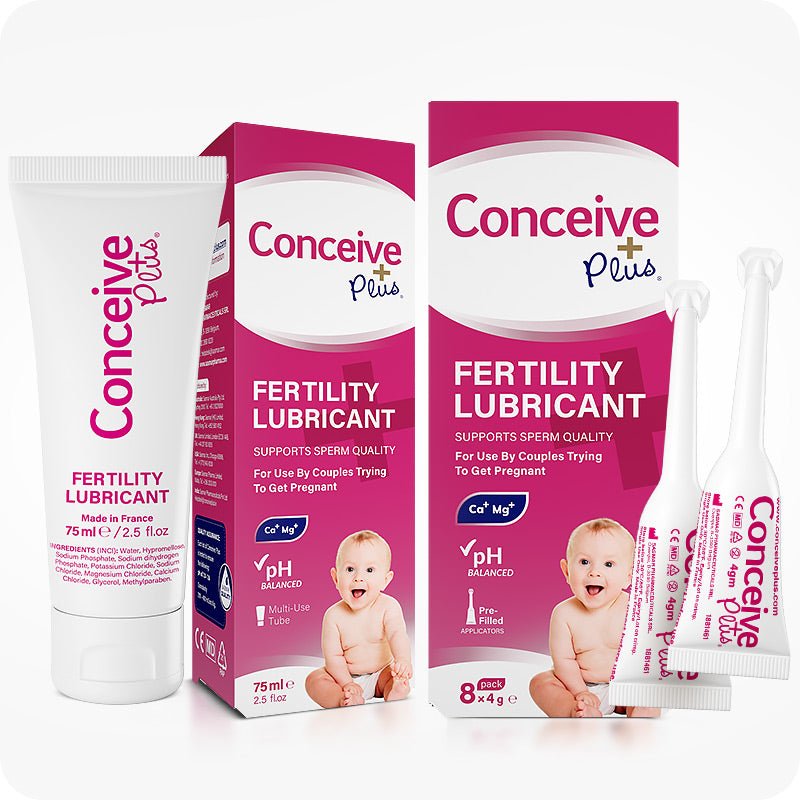
From targeted prenatal nutrition to comprehensive fertility support, the Conceive Plus range is designed to complement a healthy lifestyle and give your body the best possible foundation for conception. Explore our range to find the right support for where you are in your journey — because every step forward counts.
Explore the Conceive Plus Range