Ovulation Tracking: Your Complete Guide to Identifying Your Fertile Window


Ovulation Tracking: Your Complete Guide to Identifying Your Fertile Window
Understanding when you ovulate is one of the most powerful things you can do when trying to conceive. Despite what many people assume, the fertile window is surprisingly short — typically just 5–6 days per cycle — and accurately identifying it can dramatically improve your chances of conception each month.
Why Ovulation Tracking Matters
The human egg survives for only 12–24 hours after ovulation. Sperm, by contrast, can survive in fertile-quality cervical mucus for up to 5 days. This creates a fertile window that opens approximately 5 days before ovulation and closes within hours of the egg being released.
Timing intercourse within this window is fundamental to conception success. Studies show that couples who accurately identify and time intercourse to the fertile window conceive significantly faster than those relying on calendar calculation alone. What makes ovulation tracking complex is that the cycle is not as regular as many people assume — even women with regular 28-day cycles can ovulate anywhere from day 11 to day 21.
Method 1: Basal Body Temperature (BBT) Tracking
Trusted by fertility specialists worldwide — formulated with the nutrients and care your TTC journey deserves.
Shop Conceive Plus Now →
Basal body temperature is your resting temperature taken immediately upon waking. After ovulation, the corpus luteum produces progesterone, which raises BBT by approximately 0.2–0.5°C. This rise, sustained for at least three consecutive days, confirms that ovulation has occurred.
How to Track BBT Accurately
- Use a dedicated basal thermometer accurate to 0.01°C
- Take your temperature at the same time each morning before any activity
- Record results on a chart or app daily
- Look for a sustained rise of ≥0.2°C above the preceding six readings
- Note that BBT confirms ovulation after the fact — it cannot predict it in advance
Method 2: Ovulation Predictor Kits (OPKs)
Ovulation predictor kits detect the LH (luteinising hormone) surge that triggers ovulation approximately 24–48 hours later. Standard OPKs show a positive result when LH crosses a threshold of approximately 25 mIU/mL. Because ovulation follows the LH surge, a positive OPK gives you advance warning to time intercourse.
OPK Testing Protocol for Best Results
- Begin testing from approximately day 10 of your cycle
- Test once or twice daily during the expected fertile window
- Afternoon testing (2–4pm) may be slightly more reliable than morning
- Reduce fluid intake for 2 hours before testing to avoid diluting urine
- Time intercourse the day of and day after a positive OPK
Women with PCOS may have chronically elevated LH, making OPK interpretation difficult. Digital OPKs that identify the specific pattern of rise are more helpful, and monitoring with ultrasound (follicle tracking) may be recommended.
Method 3: Cervical Mucus Monitoring
Oestrogen production increases in the days leading up to ovulation and directly influences cervical mucus. The appearance of egg-white cervical mucus (EWCM) — clear, slippery, and stretchy — is one of the most reliable signs of approaching ovulation. EWCM is naturally sperm-friendly, protecting sperm from the normally acidic vaginal environment and helping them travel towards the fallopian tubes.
Method 4: Wearable Fertility Monitors
A new generation of wearable devices uses temperature, heart rate variability, and other physiological signals to predict and confirm ovulation. Devices like Oura Ring and Tempdrop provide more continuous and reliable temperature readings than manual BBT charting. Apps like Natural Cycles use this data with algorithm-based analysis to identify fertile days.
Combining Methods for Maximum Accuracy
No single method of ovulation tracking is perfect. The most reliable approach combines multiple methods:
- OPK + BBT: OPK gives advance warning; BBT confirms ovulation occurred
- OPK + cervical mucus: EWCM appearing alongside positive OPK is a strong convergent signal
- Digital OPK + wearable: Automated, continuous monitoring reduces user error
The Fertile Window: When to Have Intercourse
Once you've identified your fertile window, timing intercourse strategically is the next step:
- Have intercourse every 1–2 days during the 5-day fertile window
- Prioritise the 2 days leading up to ovulation and the day of ovulation itself
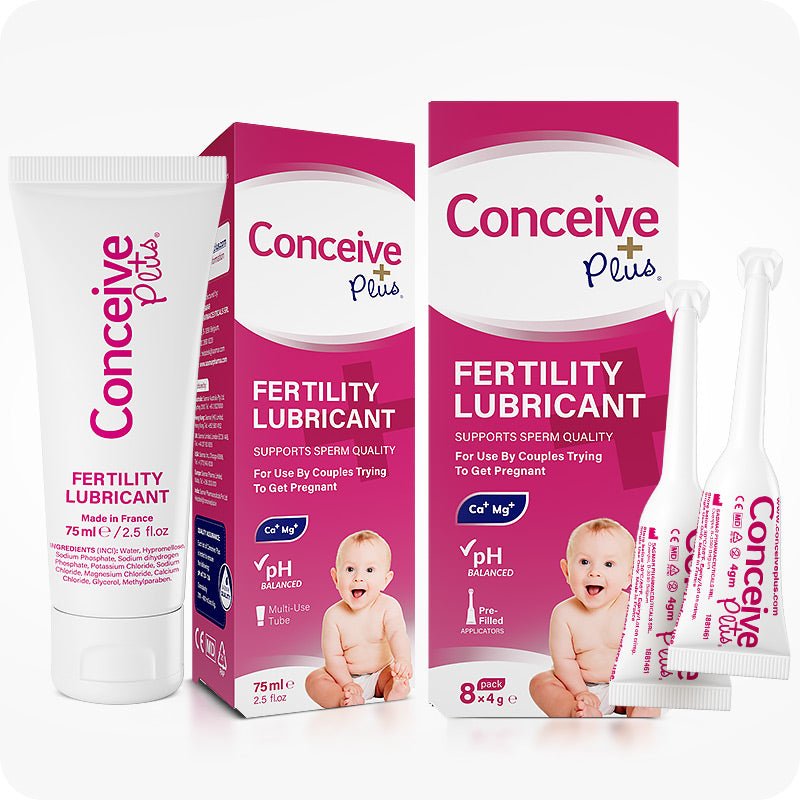
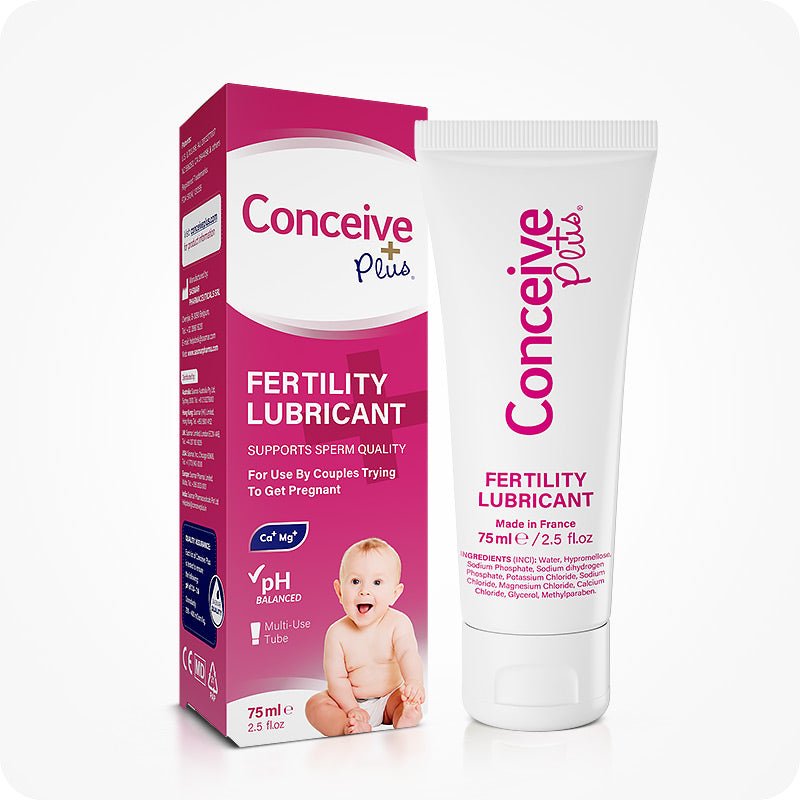
- Use a fertility-friendly lubricant like Conceive Plus if lubrication is needed — standard lubricants impair sperm motility significantly
Conceive Plus is formulated to match the pH and osmolality of fertile cervical mucus, with the addition of calcium and magnesium ions that naturally occur during the fertile window and support sperm function.
When Ovulation Is Not Happening: Anovulation
Some women experience cycles without ovulation (anovulatory cycles). Signs of potential anovulation include no LH surge detected on OPKs, no clear BBT rise, consistently absent or abnormal cervical mucus patterns, and very irregular cycles. Anovulation has many causes including PCOS, hypothalamic amenorrhea, hyperprolactinaemia, thyroid dysfunction, and premature ovarian insufficiency. If you suspect you may not be ovulating, consulting a GP or reproductive specialist is essential.
Ovulation Tracking FAQ
Q: How many cycles does it typically take to conceive when tracking ovulation accurately?
A: Couples who accurately identify their fertile window have an approximately 20–30% chance of conception per cycle (depending on age and other factors). Over 12 months, cumulative success rates approach 85–90% for couples without underlying fertility issues.
Q: Can stress delay ovulation?
A: Yes. Psychological and physical stress can disrupt the hypothalamic-pituitary axis, delaying or suppressing ovulation. This is one reason why the cycle can appear longer during stressful periods.
Q: Can I ovulate twice in one cycle?
A: Multiple ovulations can occur within a 24-hour window in one cycle (responsible for fraternal twins), but ovulation does not occur twice in separate events within a single cycle.
Q: My BBT rise is inconsistent — does this mean I'm not ovulating?
A: Not necessarily. Illness, alcohol, disrupted sleep, or inconsistent testing time can all create noisy BBT charts. Confirm with OPK data.
Q: Does the Conceive Plus lubricant interfere with ovulation tracking methods?
A: No. Conceive Plus does not affect your BBT, cervical mucus observation (which should be done before using lubricant), or OPK results. It is used at the point of intercourse — not for monitoring purposes.
Q: How does Conceive Plus ovulation support supplement help?
A: Conceive Plus ovulation support contains inositol (myo-inositol and D-chiro-inositol), folate, and other nutrients that support regular ovulation, particularly in women with PCOS or irregular cycles.
Q: Can I use OPKs with an irregular cycle?
A: Yes, but you will need to start testing earlier and test for longer — often from day 8 through day 20 or later. Some women with very irregular cycles use strips (cost-effective for high-volume testing) rather than digital kits.
Q: When should I see a specialist about ovulation issues?
A: If you have been tracking for 3–6 cycles and cannot identify a clear ovulation pattern, or if your cycles are consistently outside the 21–35 day range, consult a GP or gynaecologist.
Tracking your fertile window carefully is one of the most effective things you can do to maximise your chances of conception each month. Start with consistent OPK use, add BBT tracking, and use Conceive Plus during intercourse to give sperm the optimal environment to do their job.
Trusted by fertility specialists worldwide — formulated with the nutrients and care your TTC journey deserves.
Explore the Full Conceive Plus Range →