Navigating the Two-Week Wait: A Complete Guide to the Most Challenging Phase of Your Fertility Journey


The two-week wait (TWW) — between ovulation and your expected period — is the most emotionally challenging phase of trying to conceive.
What Actually Happens During the TWW
The TWW corresponds to the luteal phase. After ovulation, the corpus luteum produces progesterone, thickening the endometrial lining. If fertilisation occurs, the embryo implants 6–12 days after ovulation. Without implantation, progesterone drops and menstruation begins around day 14.
Gentle Support During the Two-Week Wait
The TWW demands both emotional resilience and physical nourishment. Conceive Plus Women's Fertility Support provides targeted nutrients — methylfolate, vitamin D3, and CoQ10. Browse Conceive Plus →
Symptoms: What Means What
Progesterone-Driven (pregnant or not)
- Breast tenderness
- Bloating and fatigue
- Mood changes
- Elevated BBT
- Mild cramping
May Suggest Pregnancy
- Implantation bleeding (only 25%)
- Nausea (usually not before missed period)
- Profound fatigue
Key takeaway: symptom-spotting is unreliable and increases anxiety.
When to Take a Pregnancy Test
The most reliable result comes from testing on the day of your missed period (~14 DPO). Early testing yields high false-negative rates.
Coping Strategies
Stay Occupied
Plan engaging activities — hobbies, exercise, social plans. Idle time feeds anxiety.
Limit Googling
Every symptom has a thousand interpretations. Set a TWW rule: no symptom-checking.
Support Your Body
Continue your prenatal supplement, eat nutrient-dense meals, stay hydrated, prioritise sleep.
Connect With Your Partner
Plan quality time that doesn't revolve around TTC — a date night, a walk, cooking together.
Common TWW Mistakes
- Testing too early
- Stopping prenatal vitamins
- Comparing your TWW to others
- Assuming every symptom means pregnancy
You're Not Alone in the TWW
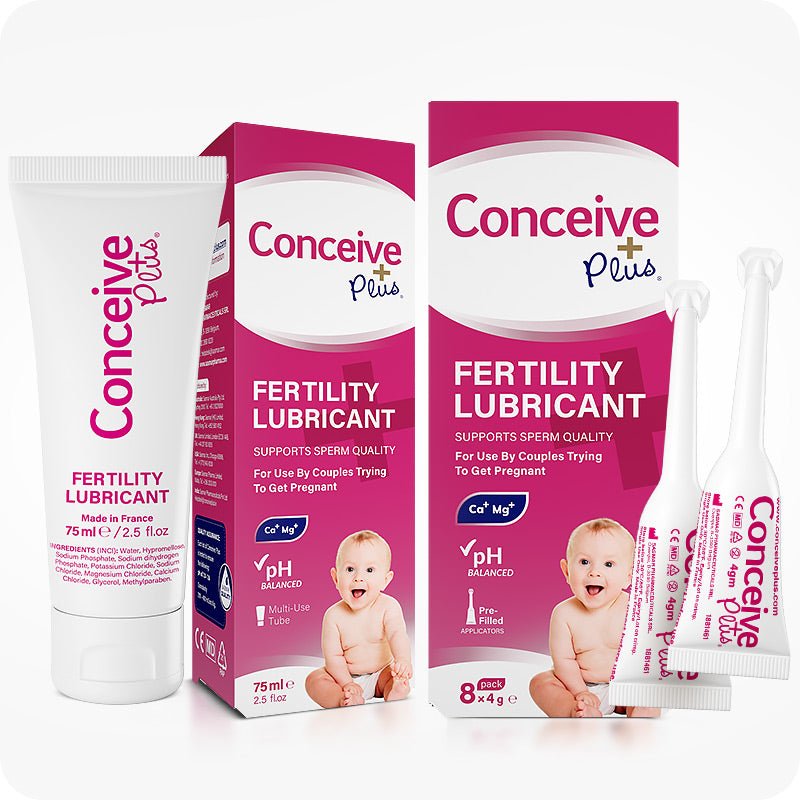
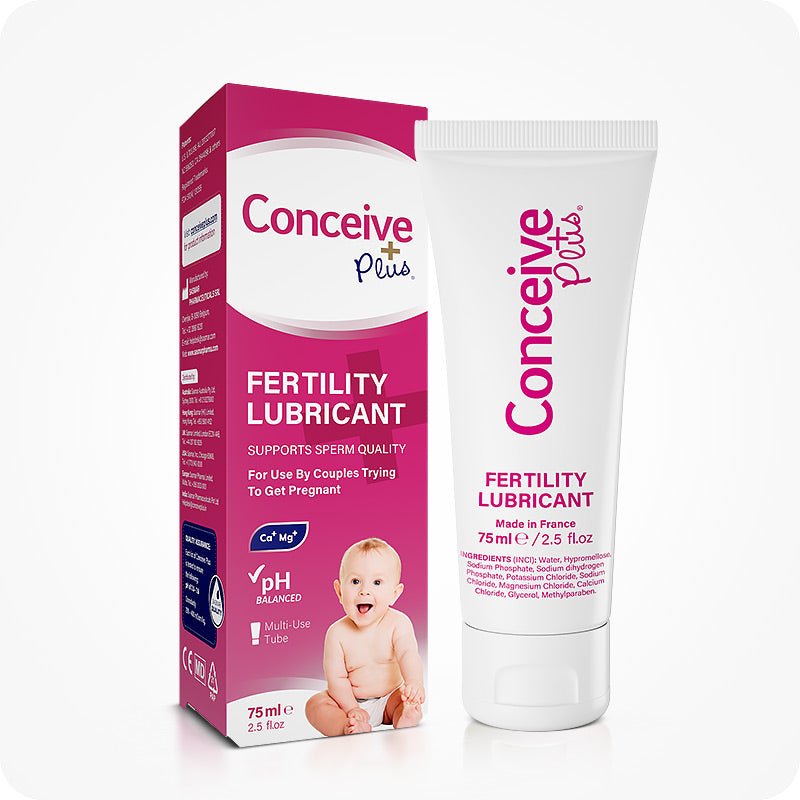
Prioritise gentle nutrition and stress management. Conceive Plus Fertility Lubricant supports conception — sperm-friendly, pH-balanced. Explore Conceive Plus →
Frequently Asked Questions
Earliest I can test?
11–12 DPO with early test, but false negatives are common. Wait until missed period.
Can stress affect implantation?
Extreme stress may impact, but normal TWW anxiety is unlikely to prevent pregnancy.
Should I rest more?
Moderate activity is fine. Avoid extreme exercise but don't stop moving.
Can I have sex during the TWW?
Yes, unless advised otherwise by your specialist.
Is spotting normal?
Light spotting can be implantation or progesterone fluctuation. Neither reliably indicates pregnancy.
When does hCG start?
hCG production begins at implantation (6–12 DPO), doubling every 48–72 hours.
Can I drink during TWW?
Best to avoid alcohol entirely during the luteal phase when trying to conceive.
Should I test with first morning urine?
Yes — first morning urine has the highest hCG concentration.
Final Thoughts
The TWW doesn't have to consume you. Focus on what you control — nutrition, rest, connection — and trust the process.