IVF Preparation: The Complete Supplement Guide for Australian Couples


IVF Preparation: The Complete Supplement Guide for Australian Couples
If you're preparing for IVF in Australia, you're likely already working with a fertility specialist, navigating a treatment plan, and making the dozens of decisions that come with assisted reproduction. One area where patients consistently want more guidance is supplementation: what to take, when to start, what the evidence actually says, and which products are safe to use alongside treatment.
This guide covers the most clinically relevant supplements for IVF preparation — for both women and men — drawing on peer-reviewed research, Australian reproductive medicine guidelines, and the expertise of fertility specialists. Whether you're starting your first cycle or preparing for a subsequent one, this evidence-based approach to IVF supplementation gives you a clear, practical framework.
Why Supplementation Matters for IVF Outcomes
IVF is a complex medical intervention that puts significant demands on the body. The ovarian stimulation phase requires follicles to develop multiple eggs simultaneously — a process that generates oxidative stress. Egg quality is one of the single most important predictors of IVF success, and oxidative stress is one of the primary threats to egg (oocyte) quality.
Similarly, sperm DNA integrity is increasingly recognised as a critical factor in IVF and particularly ICSI (intracytoplasmic sperm injection) outcomes. Sperm with high DNA fragmentation rates produce fewer viable embryos and lower live birth rates, even when IVF would suggest adequate sperm parameters.
Targeted nutritional supplementation can:
- Reduce oxidative stress on developing oocytes
- Support mitochondrial function within eggs (critical for energy during fertilisation)
- Improve sperm DNA integrity and motility parameters
- Support uterine lining quality for implantation
- Optimise the hormonal environment for ovarian stimulation response
The evidence is not absolute — no supplement guarantees IVF success — but for couples who are deficient in key nutrients or who fall into specific high-risk categories, supplementation can meaningfully improve the biological conditions for a successful cycle.
Essential Supplements for Women Before IVF
Prepare Your Body for IVF With Conceive Plus
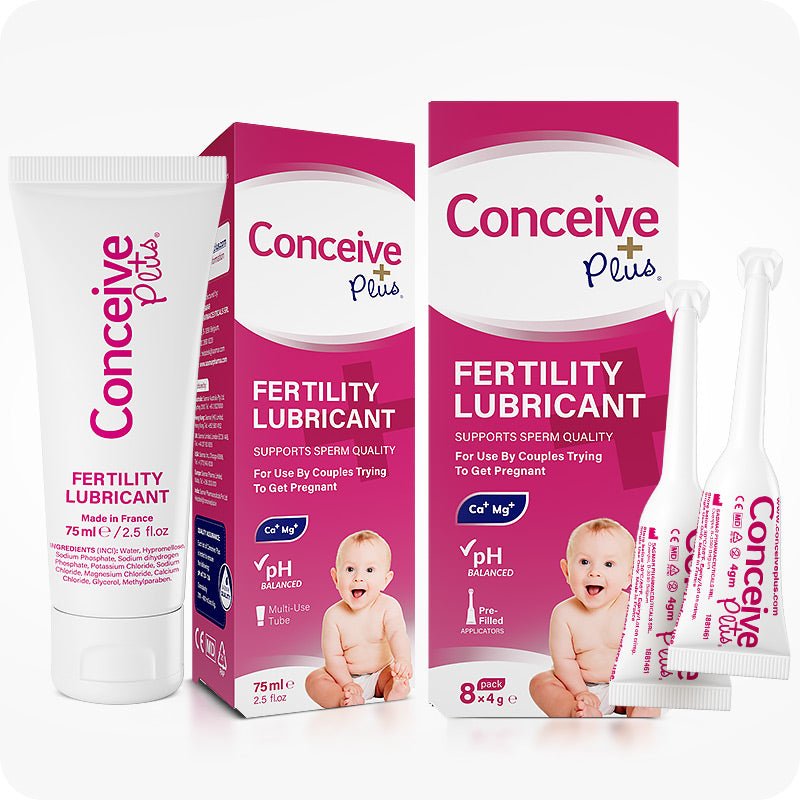
Conceive Plus fertility supplements are formulated with the key nutrients shown to support egg quality, sperm health, and IVF outcomes — trusted by Australian fertility specialists.
Shop Conceive Plus Australia →CoQ10 (Ubiquinol Form)
Coenzyme Q10 is the most evidence-supported supplement for egg quality in IVF contexts. Eggs require enormous amounts of energy from mitochondria during maturation, fertilisation, and early cell division — and CoQ10 is the central player in mitochondrial energy production.
Research published in Fertility and Sterility (Ben-Meir et al.) showed that CoQ10 supplementation significantly improved egg quality and embryo development in older women (a group at higher risk for mitochondrial dysfunction). A 2020 meta-analysis confirmed that CoQ10 supplementation improved clinical pregnancy rates in IVF patients.
Recommended dose: 400–600 mg/day of ubiquinol (the active, reduced form). Standard CoQ10 (ubiquinone) is converted to ubiquinol in the body — both work, but ubiquinol has superior bioavailability, particularly important for women over 35.
When to start: 2–3 months before your IVF egg retrieval. CoQ10's beneficial effects on egg quality require time — the full cycle of egg maturation takes approximately 90 days.
Methylfolate (Active Folate)
Folate is non-negotiable before and during early pregnancy. It is critical for neural tube development in the first weeks of embryonic life. The standard recommendation from the Australian Department of Health is 400–800 mcg of folic acid daily, starting at least one month before conception.
However, up to 40% of people carry variants of the MTHFR gene that reduce their ability to convert folic acid into its active form (methylfolate). For these individuals, supplementing with methylfolate (5-MTHFR) directly bypasses the conversion problem. Many Australian fertility specialists now recommend methylfolate as the preferred form for TTC patients and IVF candidates.
Recommended dose: 400–800 mcg of methylfolate daily, in combination with a prenatal supplement.
When to start: At least 3 months before IVF.
Vitamin D
Vitamin D deficiency is extremely common in Australia despite the sunny climate — indoor lifestyles, sun protection, and dietary patterns mean many Australians have suboptimal levels. Vitamin D receptors are present in ovarian follicles and endometrial cells, and research links adequate vitamin D to:
- Better ovarian response to stimulation
- Higher-quality embryos
- Improved implantation rates
- Higher live birth rates in IVF
A comprehensive meta-analysis published in Human Reproduction Update found that IVF patients with sufficient vitamin D (>30 ng/mL) had significantly higher live birth rates than those who were deficient.
Recommended dose: Have levels tested first. If deficient, your GP may prescribe a loading dose. For maintenance, 1000–2000 IU/day is appropriate for most adults. Combine with vitamin K2 to support calcium metabolism.
When to start: Begin as soon as possible — ideally have levels tested 3 months before IVF to allow time for correction.
Omega-3 Fatty Acids (DHA/EPA)
Omega-3 fatty acids, particularly DHA, are essential for embryo development and are incorporated into egg cell membranes, influencing their fluidity and function. Research indicates omega-3 supplementation may improve oocyte maturity rates and embryo morphology in IVF cycles.
A 2019 study found that women supplementing with DHA had significantly better fertilisation rates and higher numbers of top-quality embryos.
Recommended dose: 1000–2000 mg of combined EPA+DHA daily. Choose a high-quality, molecularly distilled fish oil or algae-based omega-3 (suitable for vegetarians).
When to start: 2–3 months before IVF.
Inositol (Myo-Inositol and D-Chiro-Inositol)
Inositol has the strongest evidence base for women with PCOS undergoing IVF, but emerging research suggests benefits for all IVF patients. Myo-inositol supports insulin signalling in ovarian cells, improving egg maturation quality and reducing the risk of ovarian hyperstimulation syndrome (OHSS) — a potentially serious IVF complication.
Multiple randomised controlled trials have demonstrated that inositol supplementation in IVF patients improved oocyte quality, fertilisation rates, and clinical pregnancy rates.
Recommended dose: 2000–4000 mg myo-inositol daily, often combined with 50 mcg folate. The 40:1 ratio of myo-inositol to D-chiro-inositol is commonly used.
When to start: 3 months before IVF (particularly important for PCOS patients — start even earlier).
Essential Supplements for Men Before IVF
Male factor infertility accounts for approximately 40–50% of all infertility cases. In IVF and particularly ICSI, sperm quality — especially DNA integrity — significantly influences embryo quality and live birth rates. The good news: sperm DNA integrity is responsive to nutritional intervention.
Antioxidant Complex (Vitamin C, Vitamin E, Selenium, Zinc)
Oxidative stress is the primary cause of sperm DNA fragmentation. The testes are particularly vulnerable to reactive oxygen species (ROS) because they operate at a lower temperature than the rest of the body, requiring a dedicated antioxidant defence system. When ROS overwhelm that system, sperm DNA becomes fragmented.
A Cochrane Review (Showell et al.) found that antioxidant supplementation in men significantly improved clinical pregnancy rates and live birth rates in IVF/ICSI cycles. Key antioxidants include:
- Vitamin C — 500–1000 mg/day. Protects sperm from oxidative damage, improves motility and count.
- Vitamin E — 200–400 IU/day. Works synergistically with vitamin C; reduces lipid peroxidation of sperm membranes.
- Selenium — 100–200 mcg/day. Essential for glutathione peroxidase, a key sperm antioxidant enzyme.
- Zinc — 15–25 mg/day. Critical for testosterone production and sperm maturation.
CoQ10 for Men
CoQ10's benefits extend to male fertility. Sperm are extraordinarily mitochondria-dependent — the midpiece of a sperm cell is packed with mitochondria that power the tail's whipping motion. CoQ10 supplementation has been shown to improve sperm count, motility, and morphology, and to reduce sperm DNA fragmentation.
Recommended dose: 200–400 mg/day ubiquinol.
When to start: 3 months before IVF — the full sperm production cycle (spermatogenesis) takes approximately 74 days.
L-Carnitine
L-Carnitine is concentrated in the epididymis (where sperm mature) and plays a critical role in sperm energy metabolism. Clinical trials have shown that L-carnitine supplementation significantly improves sperm motility and reduces DNA fragmentation, with benefits most pronounced in men with poor motility (asthenospermia).
Recommended dose: 2000–3000 mg/day of L-carnitine or L-acetyl-carnitine.
When to start: 3 months before IVF.
What to Discuss With Your Australian Fertility Specialist
Before starting any supplementation regimen for IVF, the following conversations with your fertility specialist are important:
- Get baseline blood tests — vitamin D, folate, vitamin B12, and zinc levels should be measured before supplementing, as excess supplementation can also cause harm.
- Check for MTHFR variants — if you want to know whether methylfolate is preferable for you, MTHFR genetic testing is available in Australia.
- Discuss high-dose supplements with your clinic — some IVF protocols specify no supplements during certain phases of stimulation.
- Consider sperm DNA fragmentation testing — if male factor is involved, this test guides how aggressively to supplement antioxidants.
- Ask about DHEA if you have low ovarian reserve — DHEA (dehydroepiandrosterone) has some evidence for improving ovarian response in women with diminished ovarian reserve; your specialist can advise whether it's appropriate.
Timeline: When to Start IVF Supplements
The timing of supplementation matters because of the biology of egg and sperm development:
| Supplement | Start Before IVF |
|---|---|
| Methylfolate | 3+ months |
| CoQ10 (women) | 2–3 months |
| Vitamin D | 3+ months (test first) |
| Inositol | 3 months (PCOS: earlier) |
| Omega-3 | 2–3 months |
| Men's antioxidant | 3 months |
| CoQ10 (men) | 3 months |
| L-Carnitine (men) | 3 months |
Ideally, if you know IVF is in your future, begin supplementation as soon as possible. Three months of preparation makes a measurable biological difference.
Lifestyle Factors That Complement IVF Supplementation
Supplements work best as part of a comprehensive approach:
- Alcohol: Avoid entirely during IVF preparation and treatment. Even moderate consumption is associated with reduced IVF success rates.
- Smoking: Smoking dramatically accelerates ovarian ageing and reduces egg quality. It also damages sperm DNA. If you smoke, quitting is the single highest-impact change you can make.
- Weight: BMI significantly affects IVF outcomes. Both very low and very high BMI is associated with reduced success rates. Work with your GP or a dietitian to reach an optimal weight range before starting.
- Heat exposure (men): Avoid hot baths, saunas, and tight underwear during supplementation — these all raise scrotal temperature and impair spermatogenesis.
- Sleep: 7–9 hours of quality sleep supports the hormonal axes that regulate ovarian function and sperm production.
Frequently Asked Questions: IVF Preparation Supplements
Q: Can I take too many supplements before IVF?
A: Yes. Some fat-soluble vitamins (A, D, E, K) can accumulate to toxic levels. High-dose vitamin A (retinol) is teratogenic and should be avoided before and during pregnancy. Always use supplements within recommended ranges and ideally with blood test guidance.
Q: Should I continue supplements after egg retrieval?
A: Discuss this with your clinic. During the stimulation phase and retrieval, some clinics advise pausing high-dose antioxidants. After transfer, the focus shifts to supporting implantation and early pregnancy — folate, vitamin D, and omega-3 remain appropriate.
Q: Is there evidence for DHEA before IVF?
A: Modest evidence supports DHEA (typically 75 mg/day) for women with diminished ovarian reserve (low AMH or poor previous ovarian response). It should only be taken on specialist advice as it is a hormone precursor with significant effects.
Q: How important is male supplementation if we're doing ICSI?
A: Very important. ICSI selects a single sperm for injection, but if that sperm has high DNA fragmentation, the resulting embryo may have reduced developmental potential. Improving sperm DNA integrity through supplementation improves ICSI outcomes.
Q: Are Conceive Plus supplements suitable for IVF preparation?
A: Yes. Conceive Plus fertility supplements are formulated with key nutrients relevant to IVF preparation, including folate, vitamins D and E, zinc, and selenium. They are TGA-compliant and suitable for use alongside fertility treatment — though always discuss your complete supplement regimen with your fertility specialist.
Q: Can I take supplements during the IVF stimulation phase?
A: Some clinics advise pausing specific supplements during stimulation to avoid any potential interaction with the protocol. This should be discussed with your clinic — they may have specific guidance for their protocols.
Q: What's the most important supplement for egg quality?
A: CoQ10 (ubiquinol form) has the strongest evidence base for egg quality improvement, particularly for women over 35. Start it 2–3 months before egg retrieval.
Q: Does inositol help even if I don't have PCOS?
A: Emerging evidence suggests benefits for non-PCOS IVF patients as well, particularly for improving egg quality and reducing OHSS risk. The evidence is strongest for PCOS, but many fertility specialists recommend it broadly.
Conclusion: Optimise Your IVF Preparation With Evidence-Based Supplementation
IVF preparation is one of the most important investments you'll make. Getting the supplementation right — starting early, choosing evidence-based nutrients, and coordinating with your fertility specialist — gives your body the best possible biological foundation for a successful cycle.
Key takeaways:
- Start key supplements (CoQ10, folate, vitamin D, omega-3) at least 3 months before your planned egg retrieval
- Men should supplement for the full 3-month spermatogenesis cycle — sperm quality is fully within reach of improvement
- Get blood tests before supplementing to identify deficiencies and track progress
- Discuss your full supplement regimen with your fertility specialist — some supplements may need to be paused during specific phases
Conceive Plus offers TGA-compliant fertility supplements formulated for Australian couples preparing for IVF and natural conception. Explore the range at conceiveplus.com.au.
Prepare Your Body for IVF With Conceive Plus
Conceive Plus fertility supplements are formulated with the key nutrients shown to support egg quality, sperm health, and IVF outcomes — trusted by Australian fertility specialists.
Shop Conceive Plus Australia →