Fertility Diet: The Evidence-Based Guide to Eating for Conception


Fertility Diet: The Evidence-Based Guide to Eating for Conception
What you eat in the months before trying to conceive has a measurable impact on egg quality, sperm health, hormonal balance, and uterine receptivity. A well-designed fertility diet isn't about extreme restriction or expensive superfoods — it's about understanding which nutrients your reproductive system needs most and consistently providing them. This guide covers the science behind fertility nutrition and gives you a practical, actionable framework for eating to support conception.
Research from the Harvard Nurses' Health Study — the largest long-term study of diet and fertility in women — identified a pattern of eating now known as the "fertility diet" that was associated with a 66% lower risk of ovulatory infertility. The principles are straightforward, sustainable, and backed by robust evidence. A good fertility diet supports your body at multiple levels simultaneously, from hormonal balance to cellular energy production in eggs and sperm.
Why a Fertility Diet Matters More Than You Might Think
Reproductive cells are among the most nutritionally sensitive in the body. Here's why your fertility diet has such a significant impact:
- Egg development takes 90 days: The nutritional environment during the 3 months before ovulation directly affects egg quality. This means your fertility diet today influences the eggs you'll ovulate in late autumn — well before conception
- Sperm development takes 74 days: Dietary changes take approximately 2.5 months to be reflected in sperm parameters including count, motility, and morphology
- Hormonal production requires specific fats and micronutrients: Oestrogen, progesterone, and testosterone are synthesised from cholesterol — dietary fat quality directly affects hormonal output
- Inflammation disrupts implantation: A diet high in refined carbohydrates, trans fats, and ultra-processed foods drives systemic inflammation that can interfere with the delicate process of embryo implantation
The Core Principles of a Fertility Diet
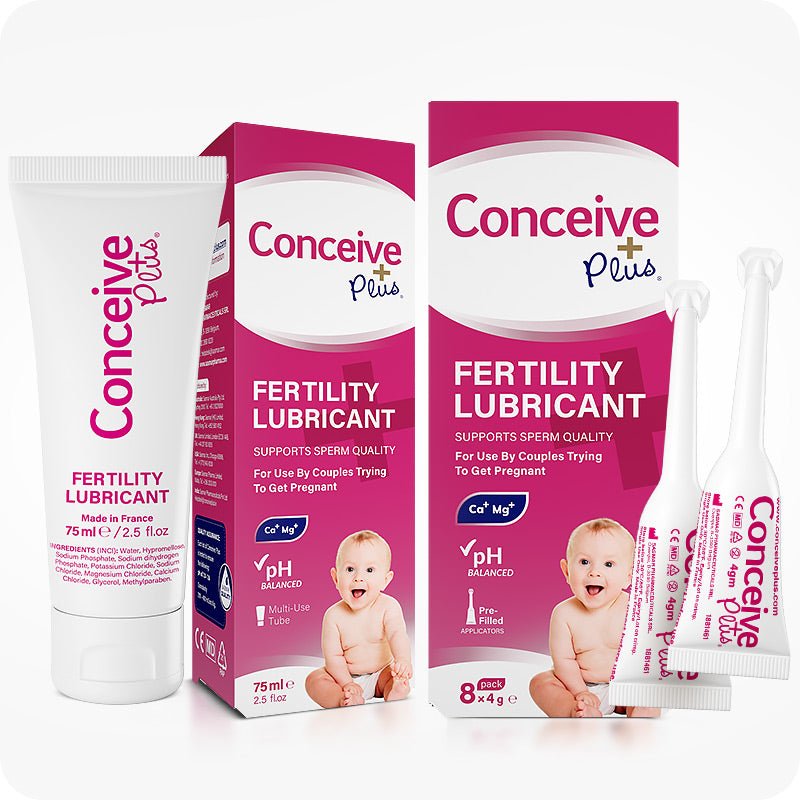
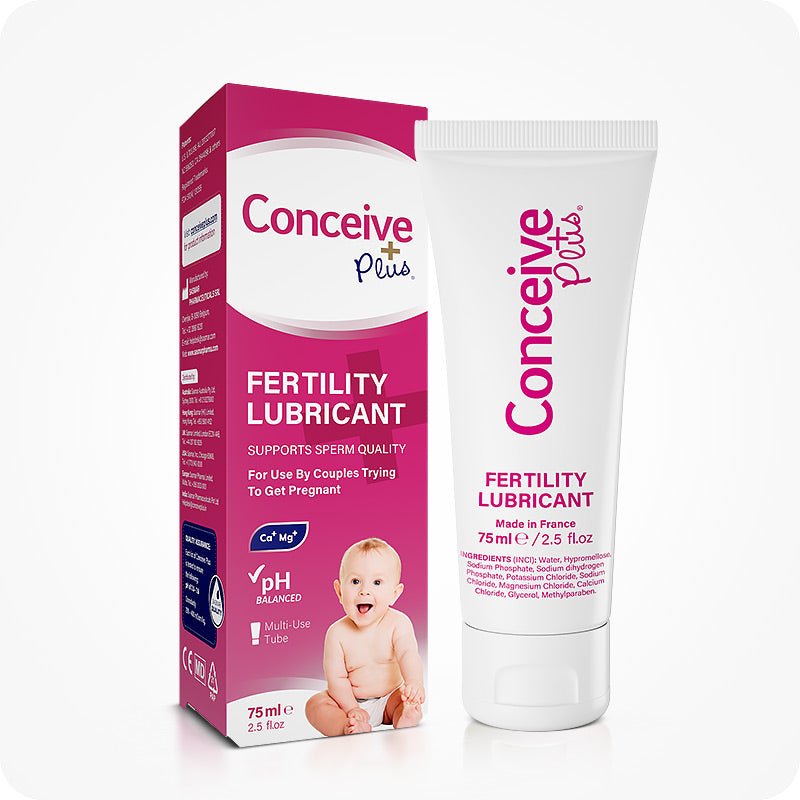
Ready to give your TTC journey every advantage? Conceive Plus products are clinically formulated for conception. Shop Conceive Plus now →
1. Prioritise Complex Carbohydrates
The Harvard fertility diet research found that women who ate more complex carbohydrates (from whole grains, legumes, and vegetables) had significantly lower risk of ovulatory infertility compared to those who ate refined carbohydrates (white bread, white rice, sugary foods).
Why this matters: rapid blood sugar spikes from refined carbs trigger insulin surges. Chronically elevated insulin disrupts the hormonal signalling that controls ovulation — a central mechanism behind the ovulatory dysfunction seen in PCOS.
Best complex carbohydrate sources for your fertility diet:
- Oats (rolled or steel-cut)
- Quinoa
- Sweet potato
- Brown rice
- Lentils, chickpeas, and beans
- Whole grain bread and pasta
- Barley
2. Choose Healthy Fats
Dietary fats are building blocks for reproductive hormones and cell membranes. A fertility diet should prioritise unsaturated fats and minimise trans fats and highly processed seed oils.
Fats to include:
- Omega-3 fatty acids: Found in fatty fish (salmon, sardines, mackerel), walnuts, chia seeds, and flaxseed. DHA omega-3 is specifically incorporated into sperm cell membranes, where it supports the fluidity necessary for fertilisation. In women, omega-3s reduce inflammatory prostaglandins and support corpus luteum function
- Monounsaturated fats: Olive oil, avocado, almonds. The Mediterranean diet — essentially a MUFA-rich eating pattern — is the most extensively studied dietary pattern for both male and female fertility
- Full-fat dairy: Counterintuitively, the Harvard research found full-fat dairy associated with better fertility outcomes than low-fat dairy. The exact mechanism isn't fully established, but it may relate to hormonal compounds lost in the skimming process
Fats to avoid:
- Trans fats (partially hydrogenated oils) — associated with ovulatory infertility even in small amounts. Found in some margarines, commercial baked goods, and fried fast food
- Heavily processed seed oils in large quantities (safflower, corn, soybean oil) — high omega-6 to omega-3 ratio promotes inflammation
3. Optimise Plant Protein
The Harvard study found a striking association: replacing one serving of animal protein per day with plant protein was associated with a 50% reduction in risk of ovulatory infertility. This doesn't mean becoming vegetarian — it means shifting the protein balance toward plants.
Excellent plant protein sources for your fertility diet:
- Lentils (contain folate, iron, and protein)
- Chickpeas and hummus
- Tofu and tempeh (contain phytoestrogens — safe in moderate amounts)
- Edamame
- Quinoa (complete protein)
- Hemp seeds
- Pumpkin seeds (also high in zinc for men)
Continue to include lean animal protein (fish, poultry, eggs) — just aim for plant protein to make up at least half your daily intake.
4. Load Up on Folate-Rich Foods
Folate (the naturally occurring form of folic acid) is critical both before and during early pregnancy. Dietary folate from food is preferable to synthetic folic acid in supplements for women who metabolise it poorly (due to MTHFR variants, which affect roughly 40% of the population).
Best dietary folate sources:
- Leafy greens: spinach, kale, rocket, romaine lettuce
- Lentils and chickpeas
- Asparagus
- Broccoli
- Avocado
- Edamame
- Beetroot
- Fortified cereals (in Australia, bread flour is mandatory fortified with folic acid)
Importantly: even a perfect fertility diet rarely provides enough folate for pregnancy prevention of neural tube defects. A supplement providing methylfolate (ideally 400–800 mcg) should accompany your dietary efforts.
5. Antioxidants — The Fertility Diet's Secret Weapons
Oxidative stress — damage from free radicals that outpaces the body's antioxidant defences — is one of the primary mechanisms of reduced fertility in both sexes. Antioxidant-rich foods are therefore foundational to any fertility diet.
Key antioxidants and their food sources:
| Antioxidant | Role in Fertility | Food Sources |
|---|---|---|
| Vitamin C | Protects sperm DNA; supports ovulation via corpus luteum | Kiwifruit, red capsicum, citrus, strawberries |
| Vitamin E | Protects egg and sperm cell membranes from oxidative damage | Almonds, sunflower seeds, avocado, wheat germ |
| Lycopene | Protective against sperm DNA fragmentation | Tomatoes (especially cooked), watermelon, pink grapefruit |
| Beta-carotene | Supports progesterone production; embryo quality | Sweet potato, carrots, pumpkin, mango |
| Selenium | Sperm structure and thyroid function | Brazil nuts (2/day = full daily requirement), fish, eggs |
| Zinc | Egg maturation, sperm production, testosterone | Pumpkin seeds, oysters, beef, chickpeas |
| CoQ10 | Mitochondrial energy in eggs and sperm | Organ meats, sardines, beef — but supplementation typically needed at therapeutic doses |
Specific Fertility Superfoods to Include
Salmon and oily fish: 2–3 servings per week provides DHA omega-3, vitamin D, selenium, and B12. Choose lower-mercury options: salmon, sardines, mackerel, and trout are excellent. Limit high-mercury fish (swordfish, shark, king mackerel) during TTC.
Eggs: One of nature's most complete fertility foods — containing choline (essential for brain development), DHA, B12, folate, iron, and complete protein. The whole egg is far superior to egg whites during TTC.
Walnuts: Research from UCLA found that men eating 75g of walnuts per day for 12 weeks showed significant improvements in sperm vitality, motility, and morphology — attributed to their unique omega-3, antioxidant, and phytosterol profile.
Full-fat Greek yoghurt: Provides complete protein, calcium, vitamin D, and probiotics that support gut health (which influences hormone metabolism). Choose unsweetened varieties.
Dark leafy greens: Spinach, kale, and Swiss chard are nutritional powerhouses providing folate, iron, magnesium, vitamin C, and calcium — all relevant to fertility.
Berries: Blueberries, raspberries, and strawberries are particularly high in antioxidants (flavonoids and vitamin C) while being low in sugar compared to tropical fruits.
Pumpkin seeds: One of the best dietary sources of zinc for both male and female fertility, plus magnesium (which supports progesterone), omega-3 ALA, and antioxidants.
Avocado: Rich in monounsaturated fats, folate, vitamin E, and potassium — a truly fertility-supportive food that satisfies and nourishes simultaneously.
Foods to Minimise or Avoid on a Fertility Diet
Alcohol: Even moderate alcohol consumption is associated with reduced fertility in both men and women. Alcohol disrupts hormone production, impairs egg and sperm quality, and increases miscarriage risk. Current recommendations from Australian health authorities advise avoiding alcohol when pregnant or planning pregnancy.
Ultra-processed foods: Defined as products containing ingredients not found in home kitchens (emulsifiers, artificial flavours, preservatives). Associated with inflammation, poor nutrient density, and hormonal disruption. This includes most commercial fast food, packaged snacks, soft drinks, and ready meals.
High-mercury fish: Mercury accumulates in the body and is toxic to the developing nervous system. Avoid swordfish, shark, orange roughy, and king mackerel during TTC. Canned tuna in moderation (up to 2 servings/week) is generally considered safe.
Excessive soy: Soy contains phytoestrogens (isoflavones) that can, in very high amounts, potentially disrupt hormonal signalling. Moderate consumption of whole soy foods (tofu, edamame, tempeh — up to a few servings per week) is generally considered safe. Avoid concentrated soy supplements or protein powders with high soy isoflavone content during TTC.
Licorice root tea: Can suppress LH (the hormone that triggers ovulation) in large amounts. While licorice candy is generally fine, avoid therapeutic licorice root supplements or tea consumed in large quantities.
The Fertility Diet for Men
Male fertility responds equally to dietary intervention. Sperm parameters can improve measurably within 3 months of dietary change. Men trying to conceive should:
- Eat 2–3 servings of oily fish per week (DHA for sperm membrane integrity)
- Include pumpkin seeds, oysters, or lean beef for zinc
- Eat 2 Brazil nuts per day for selenium
- Consume lycopene-rich foods (cooked tomatoes, watermelon) for DNA fragmentation protection
- Include walnuts daily
- Minimise alcohol, processed meat, and trans fats
- Maintain a healthy BMI — obesity is directly associated with reduced sperm count and testosterone
Supplements to Complement Your Fertility Diet
Even the most carefully planned fertility diet has nutritional gaps. Key supplements to add alongside your dietary changes:
- Methylfolate (400–800 mcg): Critical for neural tube development; should ideally start 3 months before TTC
- Vitamin D3 (1,000–2,000 IU or as directed by your GP based on blood levels): Deficiency is extremely common in Australia despite high sun exposure, particularly in those who avoid direct sun
- Omega-3 DHA (200–500 mg): For those who don't eat oily fish regularly
- CoQ10 (200–600 mg as ubiquinol): Cannot be obtained in therapeutic amounts from food; supplementation is necessary for meaningful impact on egg and sperm mitochondrial function
- Iron (if deficient): Blood test before supplementing — excess iron can be harmful
Conceive Plus women's and men's fertility supplements are formulated to complement an evidence-based fertility diet — providing the nutrients that food cannot reliably supply in sufficient quantities for conception support.
Practical Fertility Diet Meal Plan Ideas
Breakfast: Overnight oats with chia seeds, blueberries, and walnuts + full-fat Greek yoghurt OR eggs with spinach and avocado on wholegrain toast
Lunch: Lentil and roasted vegetable soup + wholegrain bread OR chickpea and roasted capsicum salad with olive oil and feta
Dinner: Baked salmon with sweet potato and steamed broccoli OR lentil bolognese with wholegrain pasta and rocket salad
Snacks: Handful of walnuts and pumpkin seeds + 2 Brazil nuts / carrot sticks with hummus / kiwifruit and almonds
Frequently Asked Questions: Fertility Diet
Q: How quickly can a fertility diet improve egg or sperm quality?
A: Measurable improvements in sperm parameters have been observed within 12 weeks. For egg quality, improvements take longer (90 days for full follicle maturation) and are harder to measure without fertility treatment, but dietary quality during the 3 months before any IVF cycle has been associated with better embryo development.
Q: Is a vegan or vegetarian diet compatible with a fertility diet?
A: Yes, with careful planning. Key considerations for plant-based fertility: ensure adequate omega-3 from algae oil (not just ALA), supplement B12 (found only in animal products), prioritise complete plant proteins, include abundant zinc and iron from plant sources, and supplement vitamin D.
Q: Does caffeine affect fertility?
A: The evidence suggests moderate caffeine (under 200 mg per day — approximately 1–2 espressos) doesn't significantly affect fertility in most women. Above 200 mg, some studies find associations with longer time to conception and slightly higher miscarriage risk. The precautionary approach is to keep caffeine below 200 mg daily when TTC.
Q: Should I eat organic food for a fertility diet?
A: Pesticide residues on conventional produce are a legitimate concern for fertility (some pesticides are endocrine disruptors). However, purchasing all organic is expensive. The pragmatic approach: prioritise organic for the EWG Dirty Dozen (strawberries, spinach, capsicum, tomatoes, etc.) and feel comfortable with conventional produce from the Clean Fifteen list.
Q: Is a Mediterranean diet a good fertility diet?
A: Yes — the Mediterranean dietary pattern (abundant olive oil, fish, vegetables, legumes, whole grains, moderate dairy and poultry, minimal red meat and processed food) has the strongest evidence base of any dietary pattern for fertility outcomes in both men and women, and for IVF success rates.
Q: Can a fertility diet help with PCOS?
A: Significantly. PCOS is characterised by insulin resistance, and a low-glycaemic fertility diet directly addresses this mechanism. Research consistently shows that women with PCOS who follow a low-GI eating pattern have improved ovulation rates, hormonal profiles, and weight management — all of which support fertility.
Q: Do I need to stop drinking wine when trying to conceive?
A: Australian health guidelines recommend no alcohol during pregnancy or when planning pregnancy. While the occasional glass is unlikely to cause dramatic harm, the precautionary principle suggests eliminating alcohol during the TTC period, particularly around ovulation and during the two-week wait.
Q: Is full-fat dairy really better for fertility than low-fat?
A: The Harvard Nurses' Health Study found this surprising association, particularly for ovulatory infertility. The mechanism isn't fully understood, but full-fat dairy doesn't contain the hormonal modifications associated with low-fat dairy. Including 1–2 daily servings of full-fat dairy (yoghurt, milk, or cheese) appears supported by the evidence available.
Conclusion: Your Fertility Diet Is an Investment in Your Future
A targeted fertility diet is one of the most effective and low-risk interventions available to anyone trying to conceive. The changes recommended here — more whole grains, plant proteins, healthy fats, and antioxidant-rich produce, paired with reduced refined carbs, trans fats, and alcohol — are broadly health-promoting regardless of the conception outcome.
Start where you are. Even partial improvements to dietary quality within the fertility diet framework produce measurable benefits. Pair your dietary changes with targeted supplementation from Conceive Plus women's or men's fertility supplements to ensure your nutritional foundation is as complete as possible, giving you the best possible chance of conception.
Conceive Plus products are available across Australia and are trusted by fertility specialists and couples alike for their evidence-based formulations and commitment to reproductive health.
Ready to give your TTC journey every advantage? Conceive Plus products are clinically formulated for conception. Shop Conceive Plus now →