Endometriosis and Fertility: Understanding the Connection and Your Options


How Endometriosis Affects Fertility
Endometriosis is a chronic condition where tissue similar to the endometrium grows outside the uterus, most commonly on the ovaries, fallopian tubes, and pelvic peritoneum. It causes inflammation, scarring, and adhesions that significantly impact fertility. Research estimates that 30-50% of women with endometriosis experience infertility. Adhesions and scar tissue can distort pelvic anatomy, blocking the fallopian tubes. Ovarian endometriomas (chocolate cysts) can damage ovarian tissue and diminish egg reserve. Beyond structural damage, endometriosis creates an inflammatory environment in the pelvic cavity. High levels of inflammatory cytokines, oxidative stress, and immune factors can impair sperm function, egg quality, fertilisation, and embryo implantation — even in women with mild disease.
Diagnosis: Getting a Definitive Answer
Many women wait 7-10 years from symptom onset to diagnosis. Symptoms include severe period pain, pain during intercourse, chronic pelvic pain, heavy bleeding, and bowel or bladder symptoms. However, symptom severity does not always correlate with disease extent. The gold standard for diagnosis remains laparoscopic surgery with histological confirmation. Transvaginal ultrasound and MRI can identify ovarian endometriomas and deep infiltrating endometriosis, but they cannot reliably diagnose peritoneal endometriosis. New research into non-invasive diagnostic tools, including endometrial biopsy and miRNA panels, shows promise for earlier detection without surgery.
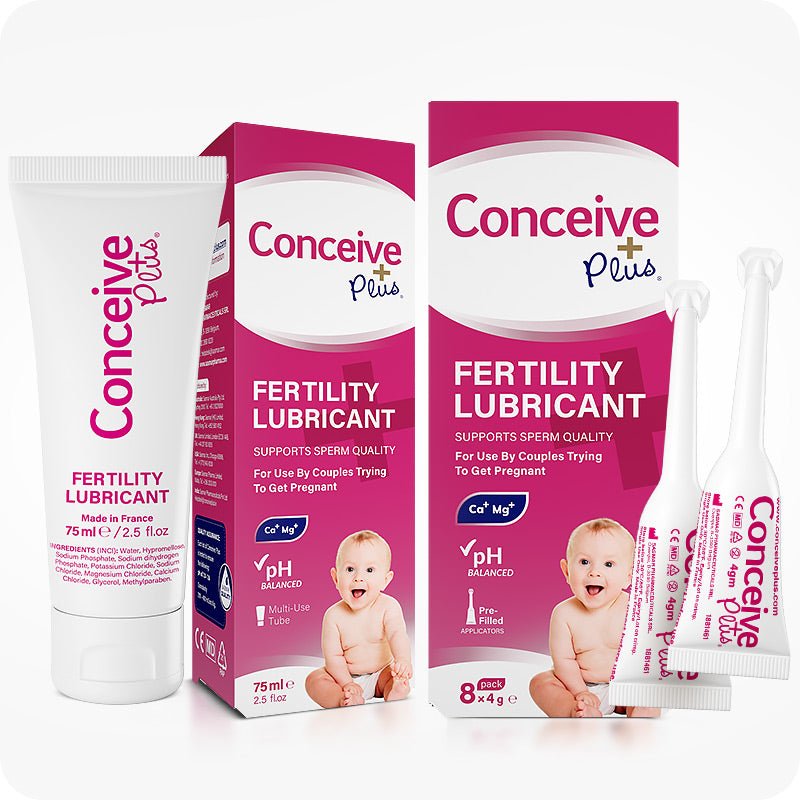
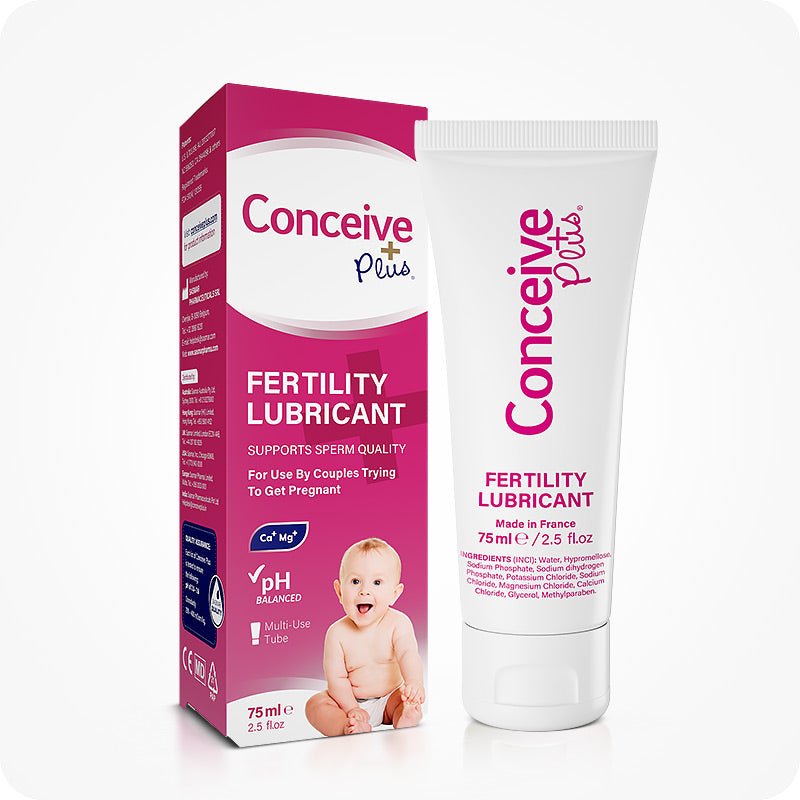
💙 Conceive Plus Ovulation Support — clinically-formulated inositol blend with myo- and d-chiro-inositol (40:1 ratio), folate and vitamin D3 for hormonal balance and regular cycles. Learn more →
Fertility Preservation and Endometriosis
Because endometriosis can progressively damage ovarian tissue, early fertility preservation should be discussed at diagnosis. AMH testing provides a baseline for ovarian reserve tracking. Surgical removal of endometriomas carries a risk of reducing ovarian reserve by inadvertently removing healthy tissue. For this reason, many specialists recommend egg or embryo cryopreservation before surgery for women with bilateral endometriomas or diminished reserve. The ideal window for fertility preservation is before age 35 and before multiple ovarian surgeries.
Fertility Treatments: A Step-by-Step Approach
For mild endometriosis, a trial of natural conception is reasonable for 6-12 months. For moderate to severe disease, IVF is often the most effective treatment, bypassing the pelvic inflammatory environment entirely. Protocol adjustments may be needed, including higher gonadotropin doses and 2-3 months of GnRH agonist pre-treatment to improve outcomes. IVF success rates in women with endometriosis are comparable to those with tubal factor infertility when controlled for age, according to research in Human Reproduction.
Diet and Lifestyle Approaches
An anti-inflammatory diet rich in fruits, vegetables, whole grains, omega-3s, and antioxidants may help reduce inflammation driven by endometriosis lesions. Increasing omega-3 intake from fatty fish, flaxseeds, and walnuts while reducing omega-6 from processed oils is beneficial. Moderate physical activity like walking, swimming, and gentle yoga can reduce pain and inflammation. Stress management through mindfulness and therapy reduces cortisol's pro-inflammatory effects, complementing medical treatment for better symptom control.
Supplements to Support Fertility with Endometriosis
N-acetylcysteine (NAC) 600mg three times daily for three consecutive days per week significantly improved pregnancy rates in women with endometriosis according to a randomised controlled trial in Human Reproduction. Myo-inositol improves oocyte quality and reduces oxidative stress in follicular fluid. Vitamin D deficiency is common in endometriosis, and correcting it is associated with lower disease activity. A comprehensive prenatal supplement with methylated folate provides essential nutritional support during preconception.
Frequently Asked Questions
Can I get pregnant naturally with endometriosis?
Yes, especially with mild disease. However, 30-50% experience infertility depending on disease stage and age.
Does surgery improve fertility in endometriosis?
Laparoscopic removal of lesions improves natural conception rates, particularly for moderate to severe disease.
What is the best fertility treatment for endometriosis?
IVF is generally the most effective for moderate to severe disease, bypassing the pelvic inflammatory environment.
Should I freeze my eggs if I have endometriosis?
Early fertility preservation is worth considering, especially with ovarian endometriomas or declining ovarian reserve.
Can diet help with endometriosis and fertility?
An anti-inflammatory diet can help manage symptoms and reduce inflammation, supporting fertility outcomes.
💙 Ready to support your journey? Conceive Plus Ovulation Support — clinically-formulated inositol blend with myo- and d-chiro-inositol (40:1 ratio), folate and vitamin D3 for hormonal balance and regular cycles. Shop now →