Endometriosis and Fertility: Understanding the Connection and Evidence-Based Strategies for Conception


Understanding Endometriosis: How It Affects Your Reproductive System

Endometriosis affects approximately 1 in 10 women of reproductive age globally, yet it remains one of the most underdiagnosed conditions in gynaecology. In endometriosis, tissue similar to the uterine lining grows outside the uterus, on the ovaries, fallopian tubes, bladder, bowel, and elsewhere in the pelvic cavity. This misplaced tissue responds to hormonal cycles, causing inflammation, pain, and the formation of adhesions and cysts. The impact on fertility is significant: up to 50% of women with infertility have endometriosis. Even mild endometriosis can reduce monthly fecundity rates from 20% to as low as 2-10% per cycle.
How Endometriosis Impairs Fertility: The Mechanisms Explained
Endometriosis affects fertility through multiple pathways. Inflammation is the primary culprit. The chronic inflammatory environment in the pelvis can impair egg quality, sperm function, and embryo implantation. Anatomically, adhesions and scar tissue can distort the pelvic anatomy, trapping the ovary or blocking the fallopian tubes. Ovarian endometriomas can damage healthy ovarian tissue, reducing ovarian reserve. The condition also affects egg quality at the cellular level, with studies showing higher rates of oxidative stress and DNA damage in eggs from women with endometriosis.
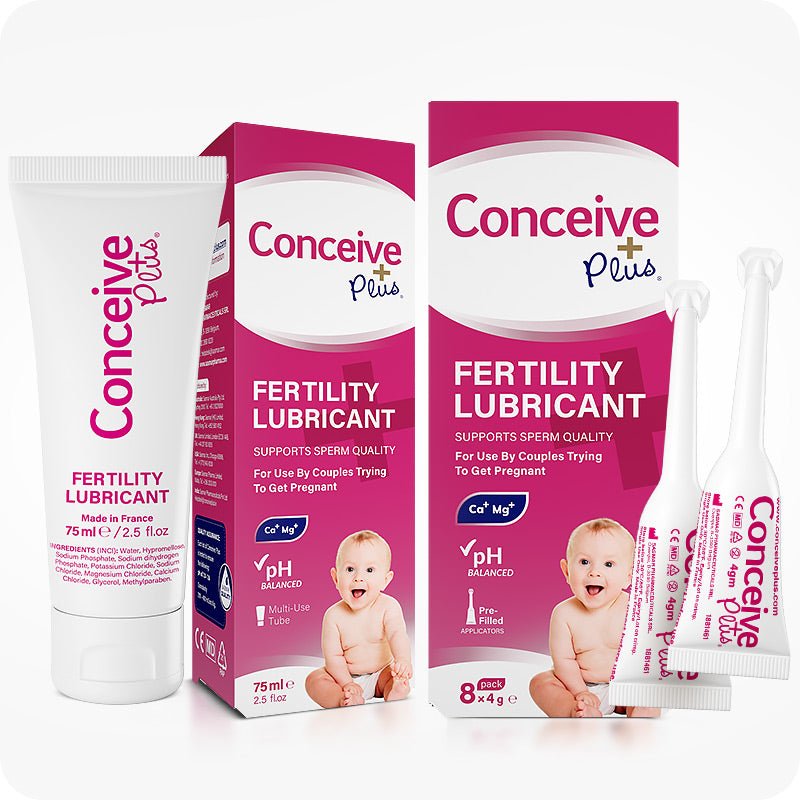
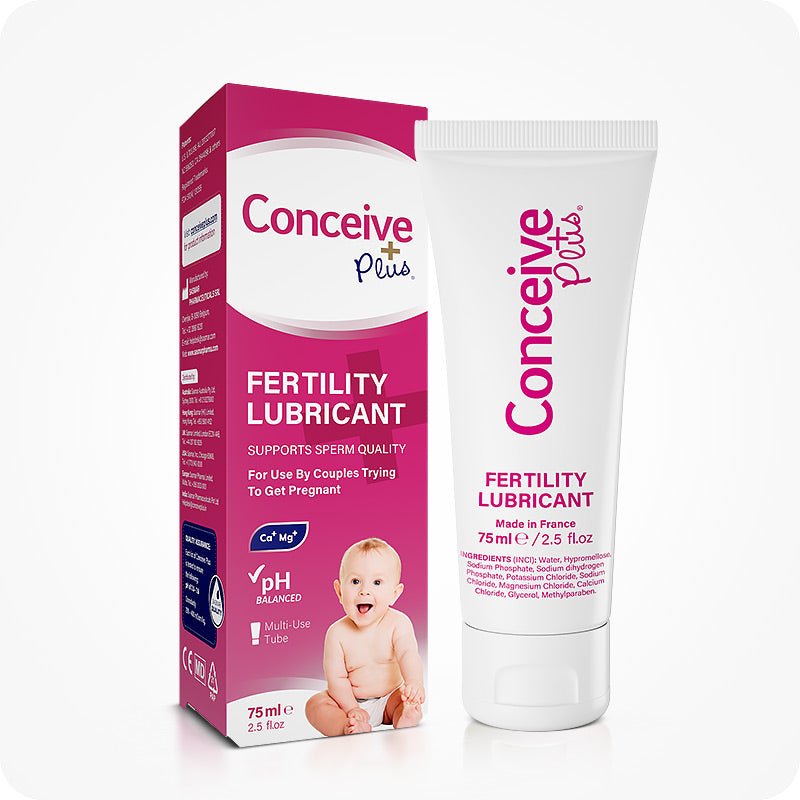
Support every step of your fertility journey with Conceive Plus. The clinically proven fertility lubricant trusted by women navigating endometriosis. Order yours today.
Diagnosing Endometriosis: What You Need to Know
Endometriosis is notoriously difficult to diagnose, with an average delay of 7-10 years from symptom onset. Symptoms include severe period pain, pain during or after intercourse, chronic pelvic pain, painful bowel movements or urination, heavy menstrual bleeding, fatigue, and infertility. The gold standard for diagnosis is laparoscopic surgery. Transvaginal ultrasound can identify ovarian endometriomas. A newer option, the ReceptivaDx endometrial biopsy, tests for the BCL6 marker associated with endometriosis-related inflammation.
Fertility Treatment Options for Women with Endometriosis
Treatment depends on the stage of endometriosis, your age, your ovarian reserve, and how long you have been trying. For minimal to mild endometriosis, laparoscopic excision of lesions can improve fertility. Studies show surgical treatment increases pregnancy rates from 18% to 31% per cycle. For moderate to severe endometriosis, IVF is often the most effective path. A 2021 meta-analysis found live birth rates of approximately 30-35% per IVF cycle in women with endometriosis. Fertility preservation through egg freezing should be discussed with younger women.
Lifestyle Strategies to Support Fertility with Endometriosis
While medical treatment is essential, lifestyle modifications can significantly support your fertility journey. An anti-inflammatory diet rich in omega-3 fatty acids, colourful fruits and vegetables, and fibre may help reduce endometriosis-related inflammation. Regular moderate exercise can reduce circulating oestrogen and improve pelvic blood flow. Acupuncture has shown promise for pain management. Stress reduction is crucial, as cortisol elevation exacerbates inflammation and can disrupt ovulation.
Conceive Plus: Supporting Your Journey with Endometriosis
For women with endometriosis, every factor that can be optimised matters. While Conceive Plus does not treat endometriosis itself, it supports your conception efforts by creating an optimal environment for sperm. Endometriosis-related inflammation can affect cervical mucus quality, and Conceive Plus provides a reliable, sperm-friendly alternative. Its isotonic, pH-balanced formula mimics fertile cervical mucus, supporting sperm motility and survival. The single-use sterile applicators eliminate any risk of introducing bacteria or irritants.
Frequently Asked Questions
Can I get pregnant with endometriosis?
Yes. Many women conceive naturally or with treatment. Up to 50% achieve pregnancy within 3 years of surgical treatment.
Does endometriosis get worse with each cycle?
It is a progressive condition for many women, though the rate varies greatly.
Is IVF more effective than natural conception for endometriosis?
For moderate to severe cases, IVF often offers higher success rates.
Will pregnancy cure endometriosis?
Pregnancy temporarily suppresses symptoms but is not a cure.
What is the best age to conceive with endometriosis?
Earlier is generally better as endometriosis can accelerate ovarian aging.
Can endometriosis cause miscarriage?
Some studies suggest a slightly increased risk, possibly due to inflammation.
Does diet affect endometriosis?
Yes. An anti-inflammatory diet rich in omega-3s may help reduce symptoms.
What pain meds are safe during fertility treatment?
Paracetamol is safest. NSAIDs may interfere with ovulation.
How does Conceive Plus help?
It provides sperm-friendly lubrication when endometriosis affects natural mucus quality.
Should I freeze my eggs?
Fertility preservation is worth discussing, especially with ovarian endometriomas.
Support every step of your fertility journey with Conceive Plus. The clinically proven fertility lubricant trusted by women navigating endometriosis. Order yours today.