Ovulation Tracking: The Complete Guide to Identifying Your Fertile Window and Maximising Conception Chances


Why Ovulation Tracking Matters
Understanding when you ovulate is one of the most powerful tools in your conception toolkit. The egg survives for only 12–24 hours after ovulation, and sperm can survive in the female reproductive tract for up to 5 days. This means the fertile window — the days when intercourse can lead to pregnancy — spans approximately 6 days: the 5 days before ovulation and the day of ovulation itself.
For couples trying to conceive, timing intercourse within this fertile window dramatically increases the likelihood of pregnancy. Yet many women are unsure exactly when they ovulate, relying on calendar predictions that can be inaccurate for those with irregular or even slightly variable cycles.
This guide covers the most effective methods for tracking ovulation, from simple at-home techniques to advanced tracking tools, helping you identify your most fertile days with confidence.
Understanding Your Menstrual Cycle and Ovulation
Supporting Your Fertility Journey
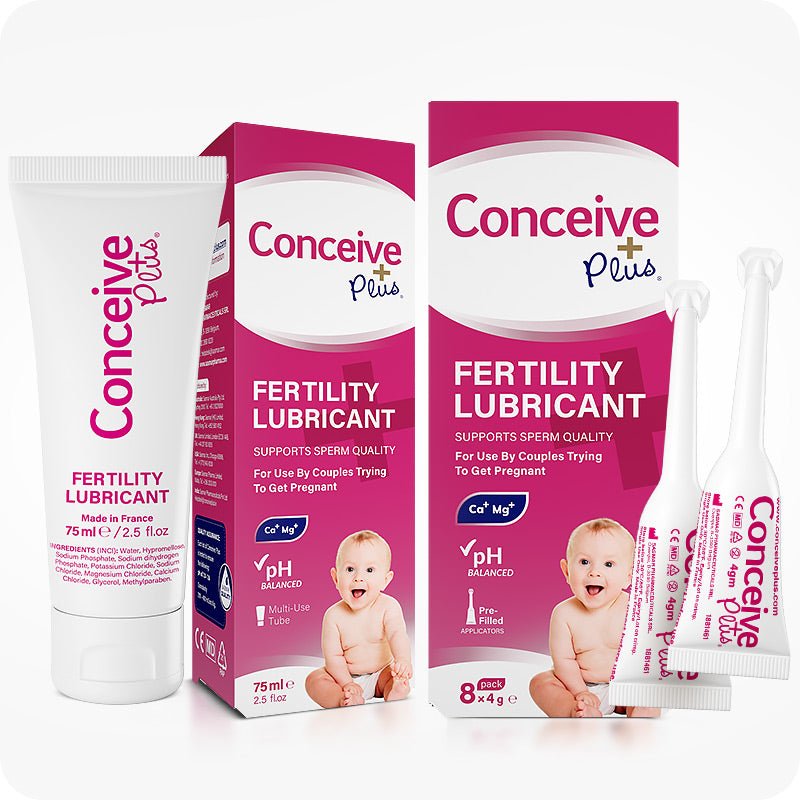
Conceive Plus products are formulated by fertility specialists to work with your body — not against it. From fertility-friendly lubricants clinically tested to match the pH and osmolality of fertile cervical mucus, to targeted nutritional supplements for both men and women, our range supports every step of your conception journey.
The menstrual cycle is divided into two main phases separated by ovulation:
The Follicular Phase
The follicular phase begins on the first day of your period and ends at ovulation. During this phase, follicle-stimulating hormone (FSH) stimulates the growth of ovarian follicles, each containing an egg. Typically, one dominant follicle emerges and continues to mature, producing increasing amounts of oestrogen. The rise in oestrogen triggers a surge in luteinising hormone (LH) — the LH surge — which causes the mature egg to be released approximately 24–36 hours later.
The length of the follicular phase is variable and is the primary reason cycle length differs between women and from month to month.
The Luteal Phase
The luteal phase begins after ovulation and lasts until your next period. After the egg is released, the empty follicle forms the corpus luteum, which produces progesterone to prepare the uterine lining for implantation. The luteal phase is relatively fixed, typically lasting 12–16 days (most commonly 14 days). If pregnancy does not occur, the corpus luteum breaks down, progesterone levels drop, and the uterine lining sheds as your period.
Understanding these phases helps explain why ovulation tracking is essential — the variable follicular phase means that ovulation rarely occurs on exactly the same day each cycle.
Ovulation Tracking Method 1: Cervical Mucus Monitoring
Cervical mucus changes dramatically throughout the menstrual cycle under the influence of hormones, making it one of the most reliable natural indicators of fertility. Monitoring your cervical mucus (also known as cervical fluid) is free, requires no special equipment, and can provide real-time information about your fertility status.
What to Look For
- After your period: You may experience a few dry or sticky days with little to no visible mucus.
- As oestrogen rises: Mucus becomes creamier, like lotion, and may be white or yellowish. This indicates approaching fertility.
- Peak fertility: Mucus becomes clear, slippery, and stretchy — resembling raw egg white. This is called fertile-quality mucus, and it indicates that ovulation is approaching. This type of mucus supports sperm survival and helps sperm swim through the cervix.
- After ovulation: Mucus quickly becomes thick, sticky, or dry again as progesterone rises.
The last day of egg-white or highly fertile mucus is known as your peak day, and ovulation typically occurs within 1–2 days after peak day.
Ovulation Tracking Method 2: Basal Body Temperature (BBT) Charting
Basal body temperature charting involves taking your temperature first thing in the morning, before any activity, using a specialised BBT thermometer that measures to two decimal places (e.g. 36.45°C).
How It Works
After ovulation, progesterone released by the corpus luteum causes a sustained rise in basal body temperature — typically 0.2–0.5°C (0.4–1.0°F). By tracking your temperature daily over several cycles, you can identify the pattern: a lower temperature range during the follicular phase, followed by a sustained shift upward after ovulation.
BBT confirms that ovulation has occurred (it is retrospective), but it cannot predict ovulation in advance. Combined with other signs like cervical mucus, BBT helps you understand the full picture of your cycle.
Tips for Accurate BBT Charting
- Take your temperature immediately upon waking, before getting out of bed
- Use a dedicated BBT thermometer, not a regular fever thermometer
- Take your temperature at roughly the same time each day (within 30 minutes)
- Record any factors that could affect temperature (alcohol, illness, disrupted sleep, travel)
- Use a fertility charting app to track and interpret patterns
Ovulation Tracking Method 3: Ovulation Predictor Kits (OPKs)
Ovulation predictor kits detect the surge in luteinising hormone (LH) that occurs 24–36 hours before ovulation. They are widely available, relatively inexpensive, and highly accurate when used correctly.
How to Use OPKs
- Start testing several days before you expect to ovulate (cycle day 10–12 for a typical 28-day cycle)
- Test once daily in the early afternoon (LH surges often begin in the morning but may not be detectable until later in the day)
- Follow the instructions carefully — some tests require holding the stick in urine stream; others use a dip method
- A positive test (test line as dark as or darker than the control line) indicates the LH surge, meaning ovulation is likely within the next 24–36 hours
OPKs are especially useful for women with irregular cycles who find calendar methods unreliable. However, they may not be suitable for women with polycystic ovary syndrome (PCOS), which can cause elevated baseline LH levels and false positive results.
Ovulation Tracking Method 4: Fertility Tracking Apps
Modern fertility tracking apps combine multiple data points — cycle dates, BBT, OPK results, cervical mucus observations, and even symptoms like cramping — to help identify your fertile window. Popular options include Clue, Flo, Fertility Friend, Ovia, and Glow.
While apps are convenient, it is important to remember that they are only as accurate as the data you input. Apps that rely solely on calendar-based predictions (without BBT or OPK input) have limited accuracy and may misidentify your fertile window by several days.
For best results, combine app tracking with at least one objective fertility sign such as OPKs or BBT charting.
Choosing the Right Lubricant During Your Fertile Window
During the fertile window, many couples find they need additional lubrication. However, standard personal lubricants can impair sperm motility and reduce the chances of conception. Studies consistently show that most commercial lubricants reduce sperm motility by 60–100% within 30–60 minutes of exposure.
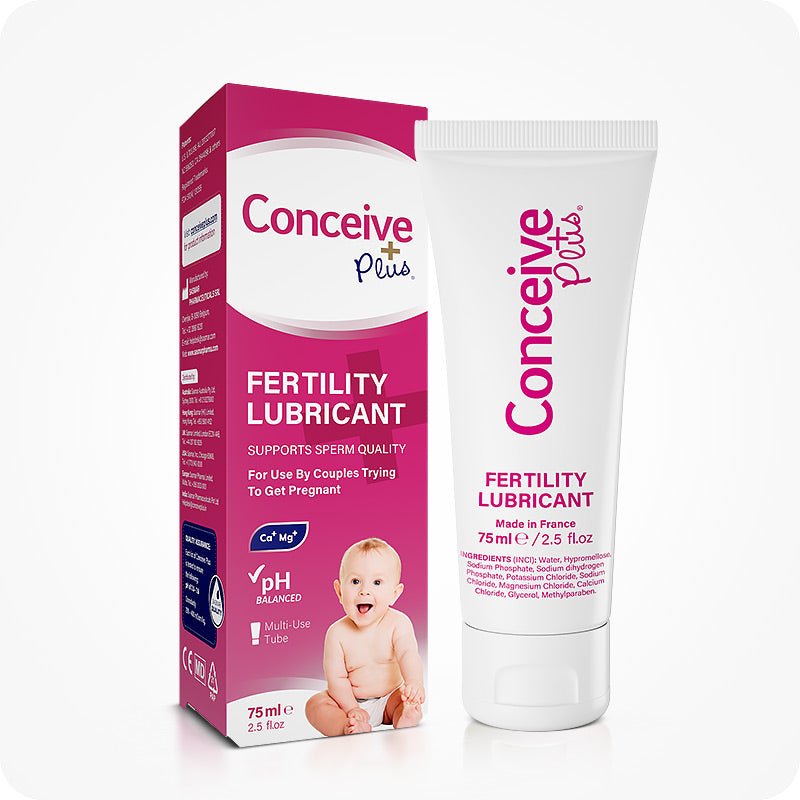
To protect sperm function during your fertile window, choose a fertility-friendly lubricant specifically formulated to match the pH and osmolality of fertile cervical mucus. Conceive Plus is a clinically tested fertility lubricant that supports sperm survival and motility, ensuring that your body's natural fertile signs are complemented — not undermined — by your lubrication choice.
Combining Ovulation Tracking Methods
Each tracking method has strengths and weaknesses. Cervical mucus gives real-time, forward-looking information. OPKs provide a clear 24–36 hour warning of impending ovulation. BBT confirms ovulation after the fact. Using two or more methods together provides the most accurate picture.
Most fertility specialists recommend combining cervical mucus monitoring (which tells you fertility is approaching) with OPKs (which give precise timing) and BBT charting (which confirms ovulation occurred). This combination is sometimes called the symptothermal method and is the gold standard for natural fertility awareness.
Frequently Asked Questions About Ovulation Tracking
How do I know if I am ovulating?
The most reliable signs include fertile-quality cervical mucus (egg white consistency), a positive OPK, and a sustained temperature shift on BBT charting. Some women also experience mittelschmerz (ovulation pain) or increased libido.
Can I ovulate without having a period?
Yes, it is possible. Some women ovulate before their first postpartum period, and women with very irregular cycles may ovulate without regular bleeding.
Can I get pregnant if I have irregular cycles?
Yes, but it may be more challenging to predict ovulation. Using OPKs and BBT charting can help identify your fertile window even with irregular cycles.
Do ovulation predictor kits work for everyone?
Most women, yes. However, women with PCOS may have persistently high LH levels and get false positives. Women approaching menopause may also have elevated LH. Always confirm with BBT or cervical mucus if you suspect false results.
How long does ovulation last?
Ovulation itself (the release of the egg) takes just a few seconds or minutes. The egg remains viable for 12–24 hours after release. Sperm can survive up to 5 days, so the fertile window is about 6 days.
Can stress affect ovulation?
Yes. Severe or chronic stress can delay or even prevent ovulation by disrupting the HPG axis. Managing stress through relaxation techniques, exercise, and adequate sleep supports regular ovulation.
When should I have sex during my fertile window?
Having intercourse every 1–2 days during the fertile window maximises your chances. The highest probability of conception comes from intercourse 1–2 days before ovulation.
Can tracking ovulation cause stress?
For some women, intensive tracking can become stressful. If tracking causes anxiety, consider taking a gentler approach — perhaps just monitoring cervical mucus or using OPKs during a specific window rather than full symptothermal charting.
Does the fertile window change cycle to cycle?
Yes, significantly. The follicular phase can vary from 10 to 22+ days even in women with regular cycles. This is why calendar-based methods alone are unreliable.
What is the best fertility lubricant to use during ovulation?
Conceive Plus is clinically tested to match the pH, osmolality, and viscosity of natural fertile cervical mucus. Unlike standard lubricants, it supports sperm survival and motility, making it an ideal choice during the fertile window.
Take the Next Step in Your Fertility Journey
Whether you are just beginning to try or have been navigating fertility challenges for a while, Conceive Plus has evidence-based products designed to support you. Trusted by thousands of couples worldwide.