Male Fertility: The Complete Science-Based Guide to Understanding and Optimising Sperm Health


Male fertility is responsible for approximately 50% of all infertility cases, yet it remains significantly under-discussed and under-prioritised compared to female fertility. This is a critical oversight, because male fertility parameters are often highly modifiable through targeted lifestyle and nutritional interventions, and improvements in sperm health can dramatically increase a couple's chances of conceiving — both naturally and through assisted reproductive technologies.
Global sperm counts have declined by more than 50% over the past 50 years, according to a landmark meta-analysis published in Human Reproduction Update (2022) that analysed data from 57,000 men across 53 countries. The average sperm concentration has fallen from 101 million per millilitre in 1973 to 49 million per millilitre. This decline has accelerated, with an average annual reduction of 2.6% since 2000.
The good news is that sperm health is remarkably responsive to lifestyle modification. Because sperm are produced continuously — the entire spermatogenesis cycle takes approximately 72 days — measurable improvements can be achieved within just three months of implementing appropriate changes.
Understanding Sperm Health: Beyond Sperm Count
Sperm Concentration: The number of sperm per millilitre of semen. The WHO 6th edition reference range sets the lower limit at 16 million per millilitre. Concentrations below this threshold are classified as oligozoospermia.
Sperm Motility: The percentage of sperm moving progressively forward. This is one of the strongest predictors of natural conception. The WHO threshold for normal motility is 42% or more.
Sperm Morphology: The percentage of sperm with a normal shape. While controversial, abnormal morphology can significantly affect fertilisation.
Sperm DNA Integrity: Sperm DNA fragmentation — breaks in the DNA strands — is increasingly recognised as critical. Elevated DFI is associated with lower pregnancy rates and higher miscarriage rates, even when traditional semen parameters appear normal.
The 12-Week Sperm Optimisation Plan
Spermatogenesis takes approximately 72 days. This provides a structured window for optimisation.
Weeks 1-2: Begin with comprehensive semen analysis. A repeat test after 2-4 weeks provides a reliable baseline.
Weeks 3-6: Implement core lifestyle changes: eliminate tobacco, reduce alcohol, adopt a Mediterranean diet, begin supplementation, establish moderate exercise.
Weeks 7-10: Based on baseline results, consider targeted interventions. Men with elevated DNA fragmentation may benefit from aggressive antioxidant therapy.
Week 12: A follow-up semen analysis reveals the impact of the optimisation protocol.
Nutrition and Supplementation for Sperm Health
Zinc: Essential for sperm production, DNA synthesis, and testosterone metabolism. A double-blind trial found that 30 mg of zinc daily for 6 months increased sperm concentration and motility in subfertile men.
Selenium: An integral component of selenoproteins that protect sperm from oxidative damage. Studies show that 200 mcg daily improves sperm motility.
CoQ10: Provides energy for sperm motility. A meta-analysis of 15 studies found that CoQ10 supplementation significantly increased sperm concentration and motility.
Omega-3 Fatty Acids: Improve sperm membrane fluidity. A randomised trial found that 1.5 grams of omega-3s daily for 12 weeks increased sperm count by 25% and motility by 17%.
Lifestyle Factors That Affect Sperm Quality
Weight: A 2022 study found that men with a BMI over 30 had 26% lower sperm concentrations. Obesity increases estrogen levels via aromatase activity, reducing testosterone.
Temperature: The testicles need to be 2-4°C cooler than body temperature. A Cleveland Clinic study found that men wearing boxer shorts had 25% higher sperm concentrations than those wearing briefs.
Alcohol and Smoking: Smoking reduces sperm concentration by 15-20%. Alcohol consumption of more than 5 units per week is associated with reduced morphology.
Exercise: Moderate exercise improves antioxidant capacity. Excessive endurance exercise can temporarily reduce sperm quality.
Medical Causes of Male Infertility
Varicocele: Enlarged veins in the scrotum affecting testicular temperature. This is the most common reversible cause, affecting 15-20% of all men. Surgical correction improves sperm parameters in 60-70% of cases.
Hormonal Imbalances: Low testosterone, elevated prolactin, or thyroid dysfunction can impair sperm production and are often treatable.
Genetic Conditions: Y-chromosome microdeletions and Klinefelter syndrome are among genetic causes. Chromosomal analysis is recommended before ICSI.
When to See a Specialist
If you have been trying to conceive for 12 months (or 6 months if your partner is over 35), a semen analysis is essential. Earlier evaluation is warranted if you have known risk factors: testicular trauma, chemotherapy, undescended testicles, or genetic conditions.
FAQ — Frequently Asked Questions About Male Fertility
Q1: How long does it take to improve sperm quality?
Sperm production takes about 72 days, so improvements appear after 3 months of consistent changes.
Q2: Can low sperm count be improved naturally?
Yes. Many cases respond to lifestyle changes, supplementation, and treatment of underlying causes.
Q3: Does age affect male fertility?
Yes, though more gradually. After age 40, sperm DNA fragmentation increases.
Q4: Can stress affect sperm quality?
Yes. Chronic stress increases cortisol, which reduces testosterone and can impair sperm production.
Q5: Is it safe to take supplements for male fertility?
Most are safe at recommended doses. High-dose antioxidants can be counterproductive.
Q6: Does alcohol affect sperm quality?
Yes. Regular consumption, particularly more than 5 units per week, reduces quality.
Q7: Can I still father children with low sperm count?
Yes. Many men with low counts conceive naturally or with minimal assistance.
Q8: Does cycling affect male fertility?
Prolonged cycling can temporarily reduce parameters due to heat and pressure.
Q9: Can mobile phones affect sperm quality?
Some studies suggest carrying phones in front pockets may affect parameters.
Q10: What is a normal sperm count?
The WHO defines normal as 16 million or more sperm per millilitre, with 42% or more progressive motility.
Support Male Fertility with Conceive Plus
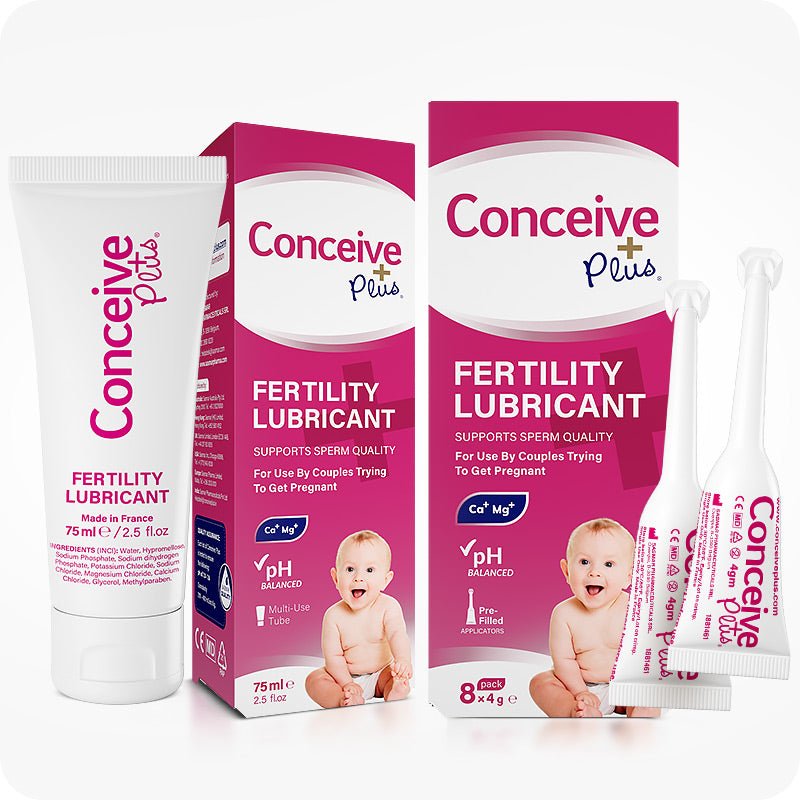
Male fertility is a crucial component of conception. Conceive Plus Male Fertility Support provides the key nutrients — zinc, selenium, CoQ10, and vitamin D3 — that research shows can improve sperm quality within the 12-week optimisation window. Give your sperm health the support it deserves.